In late January 2026, Syracuse hosted two highly participatory moments that connected CARDIMED and URWAN around a shared priority for the Mediterranean: building climate resilience through Nature-Based Solutions (NbS) and smarter water management.
NbS meets education: an exchange with Einaudi students
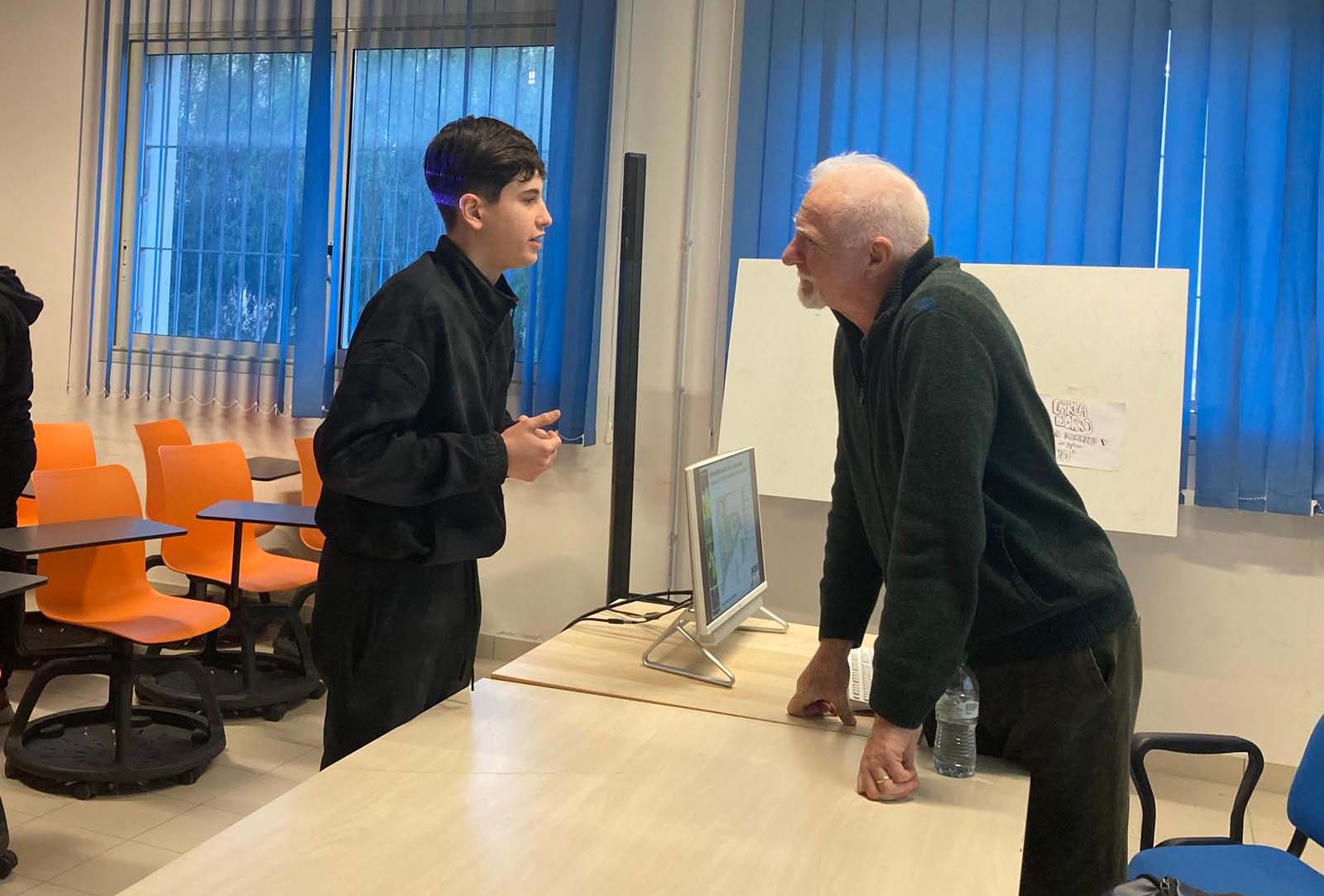
The first initiative brought NbS into the classroom through an interactive session at Einaudi School. Led by Fabio Masi (IRIDRA) and Barbara Sarnari (SVI.MED.) the exchange invited students to explore water resources challenges and the kinds of emerging skills needed to address them – curiosity across disciplines, systems thinking, and the ability to connect environmental, social and technical dimensions. The discussion offered a practical introduction to how NbS can become a real-world lens for learning and civic engagement, starting from everyday experiences of heat, drought and flooding.
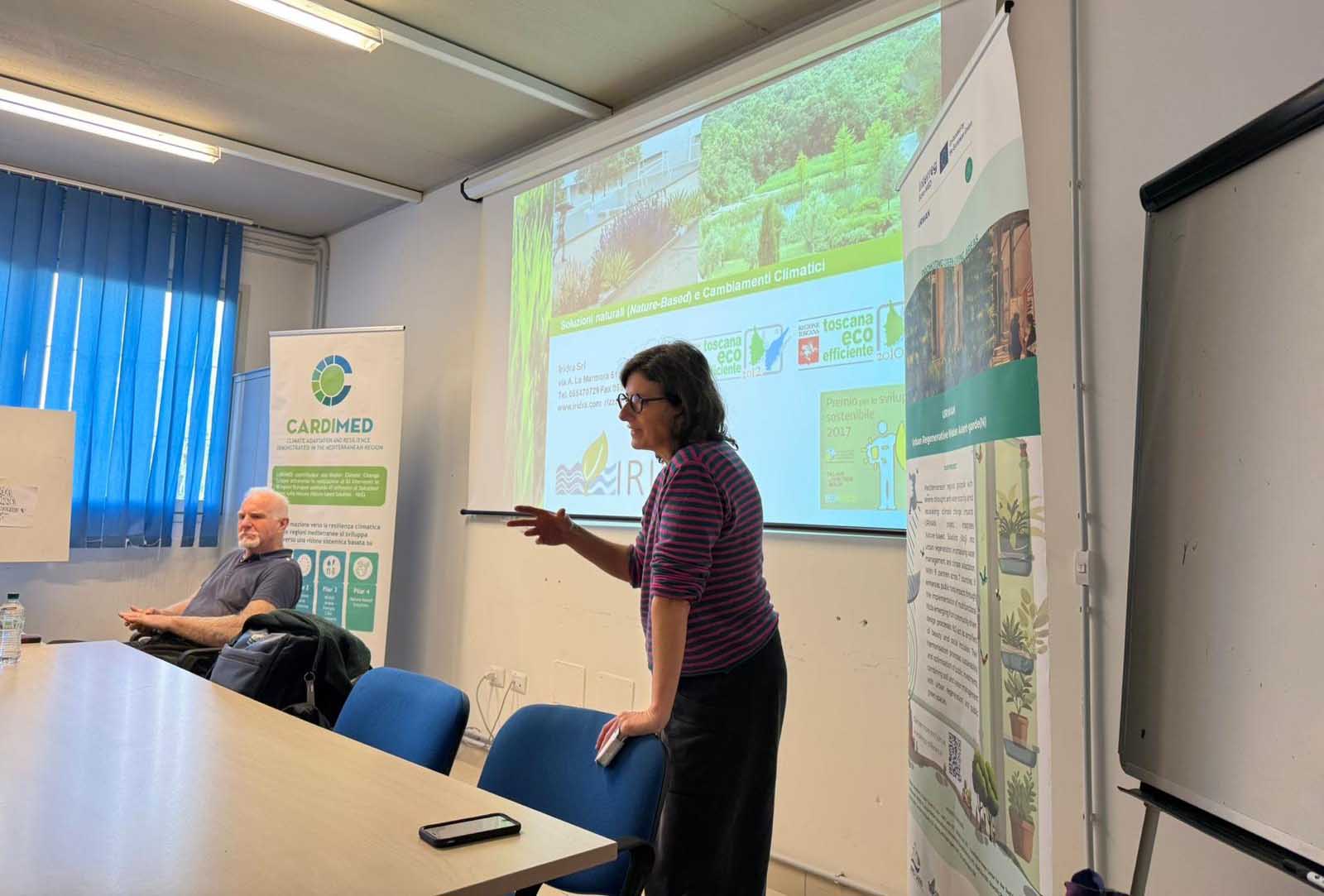
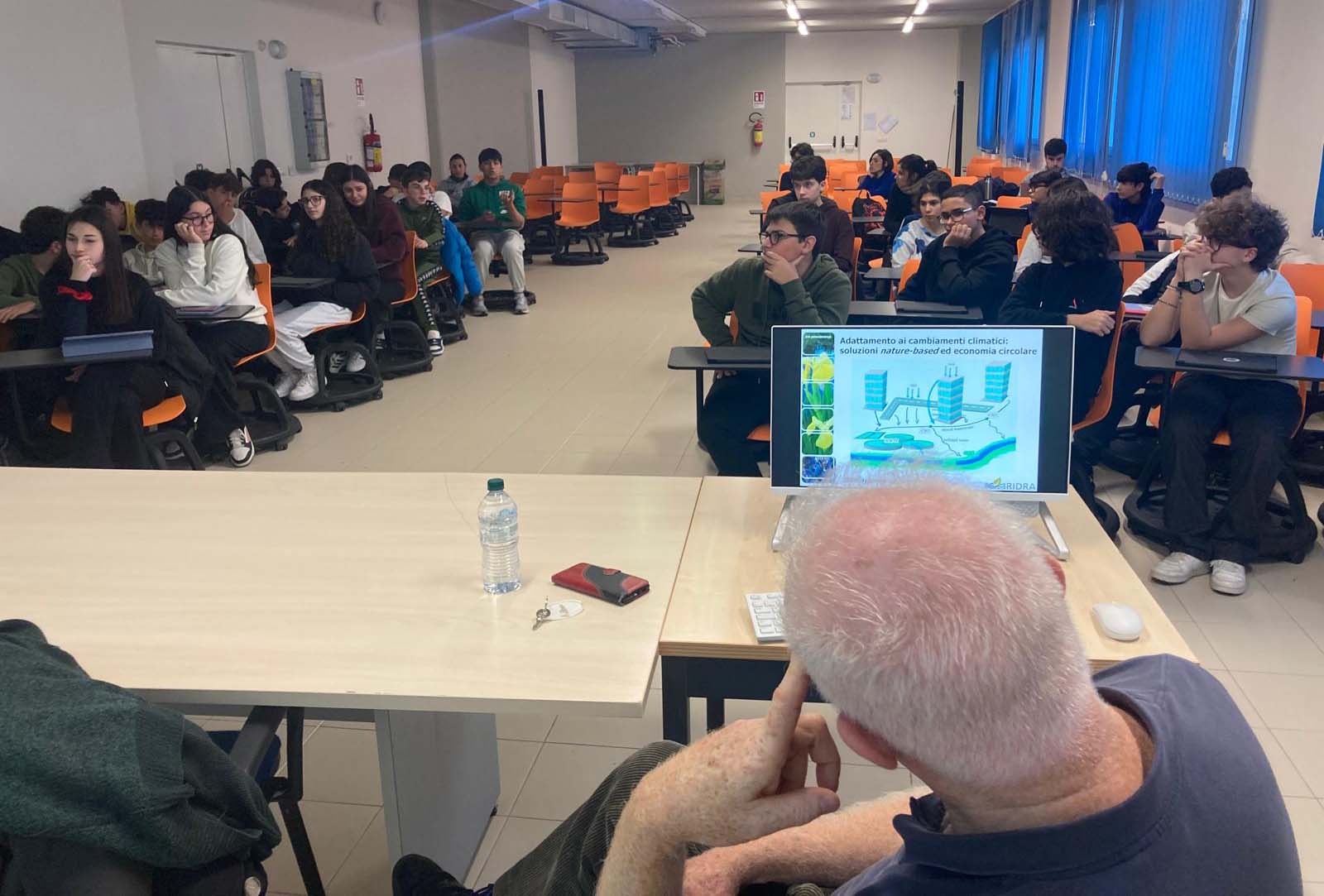
URWAN training day: highlighting CARDIMED DEMO actions
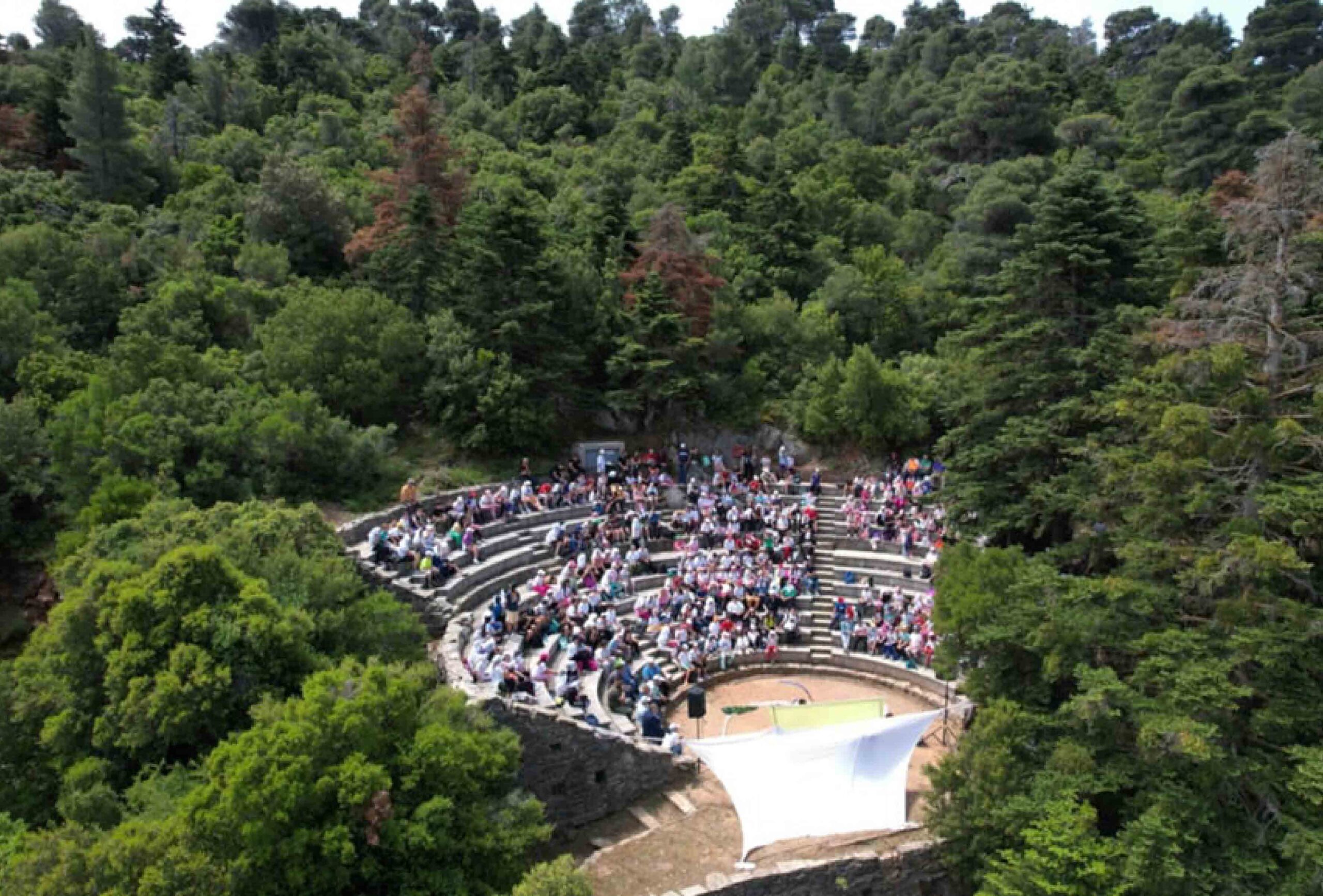
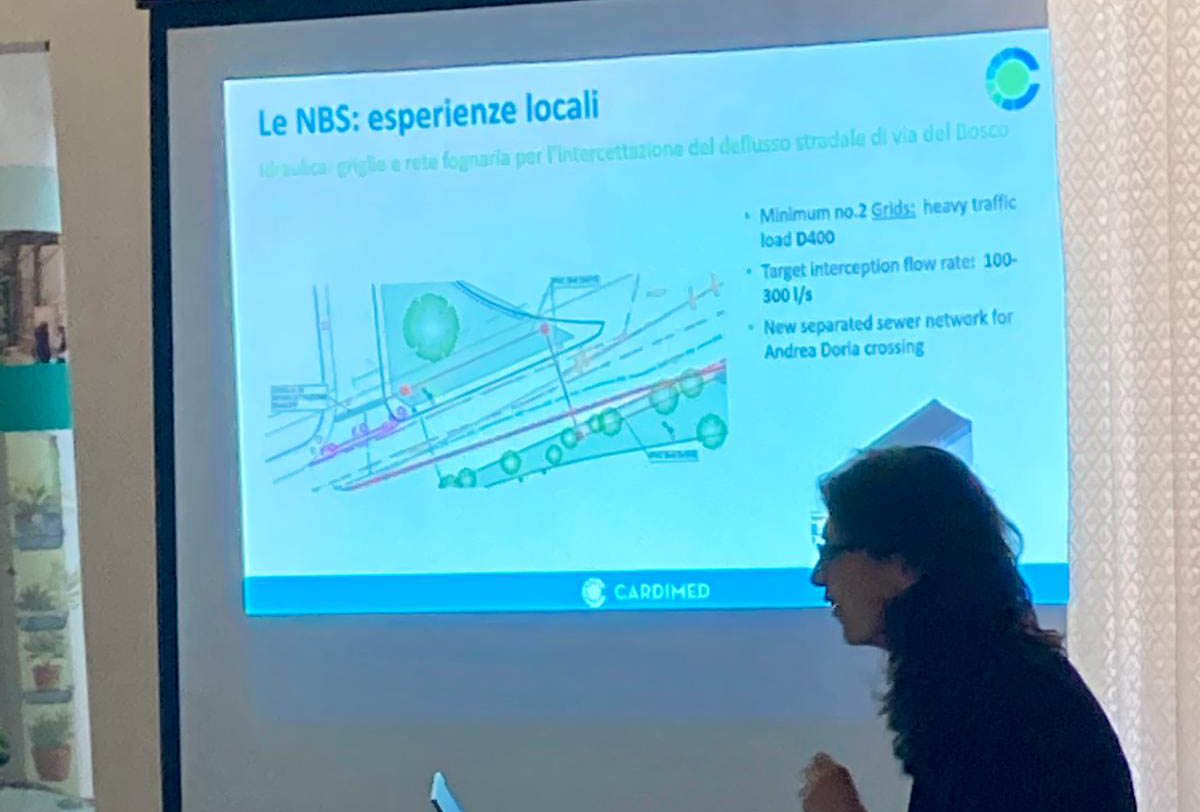
The second day took place during the URWAN training on urban regeneration and NbS, where CARDIMED was featured through contributions by Feliciana Licciardello (University of Catania) and Fabio Masi (IRIDRA), in front of more than 60 participants from public bodies and professional communities.
Speakers framed the Mediterranean as a climate hotspot where water scarcity and extreme events are intensifying, and stressed the shift from “grey”, rigid infrastructure towards solutions that store, slow down and naturally filter water – often described through the accessible “sponge city” idea. Within this narrative, CARDIMED’s work was presented through concrete examples of urban retrofitting and water-sensitive regeneration, including the sub-DEMO-site 4.1 in Catania that show how rain gardens and other green elements can reduce flooding risk while improving public space.
The training also underscored the value of a circular approach to water, where Non-Conventional Water Resources (NCWR) such as greywater can be safely treated and reused, turning waste into a resource and easing pressure on water systems. The URWAN catalogue on NbS was accordingly presented, including CARDIMED sub-DEMO 4.2 in Ferla (Sicily), which is a case study addressing water scarcity in a small, isolated community.
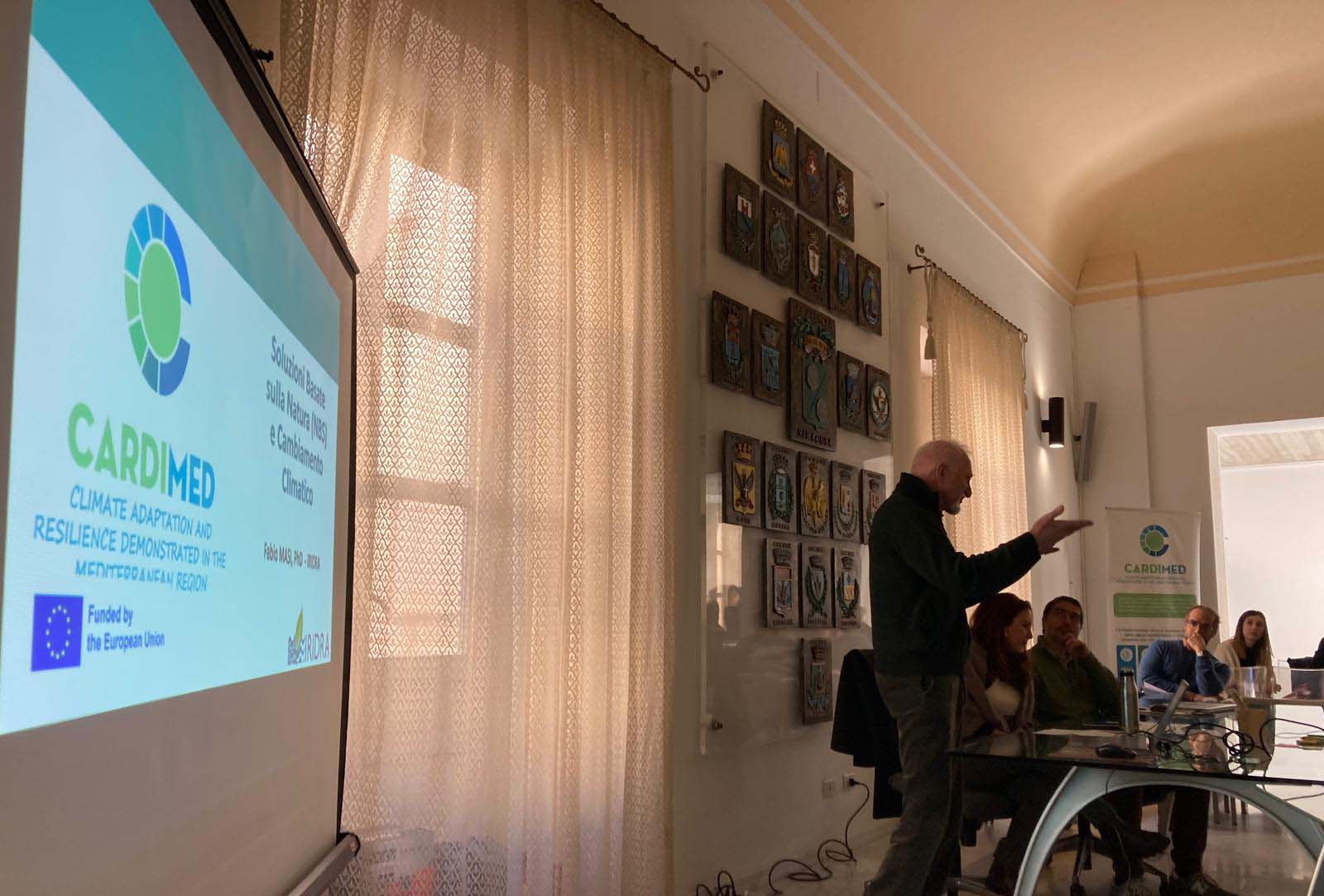
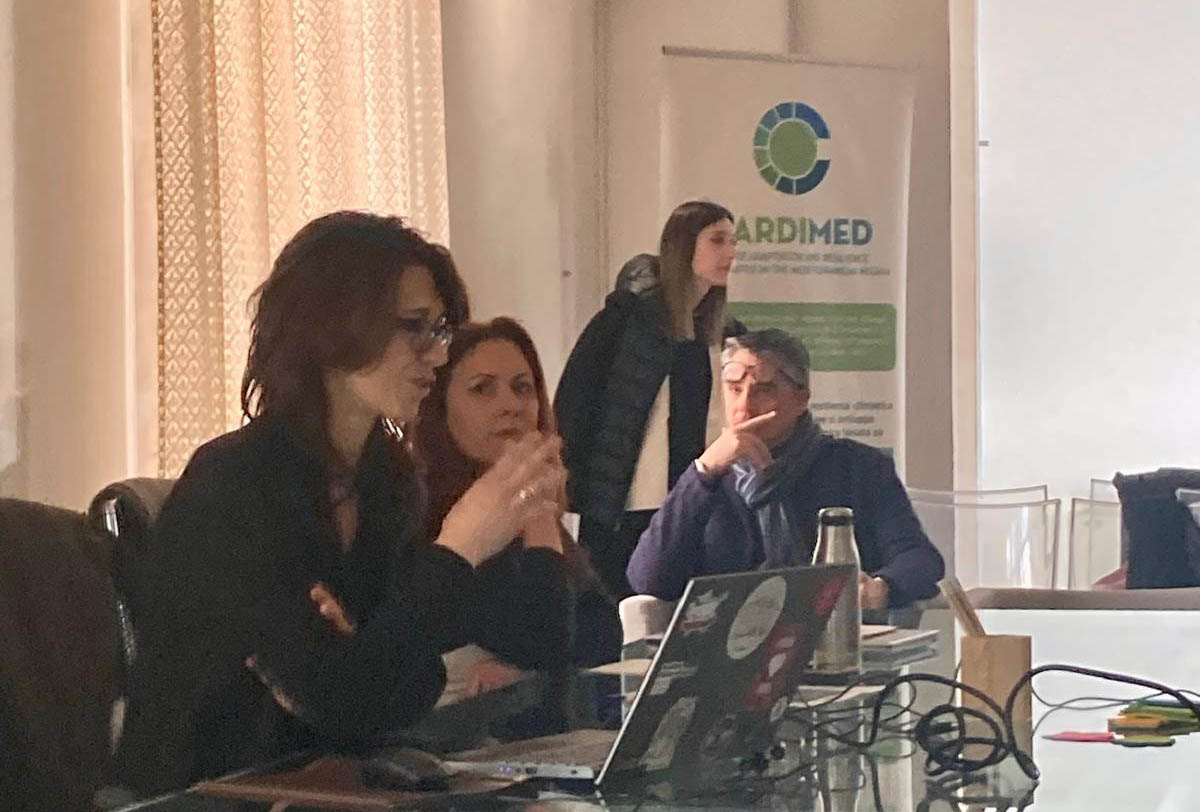
Strengthening synergies across EU projects
Overall, the two days strengthened collaboration between the projects, connecting the URWAN Catalogue with CARDIMED demonstration actions and showing how capacity-building can move across contexts, from schools to local administrations, while keeping the focus on practical, replicable pathways for more resilient and liveable cities.