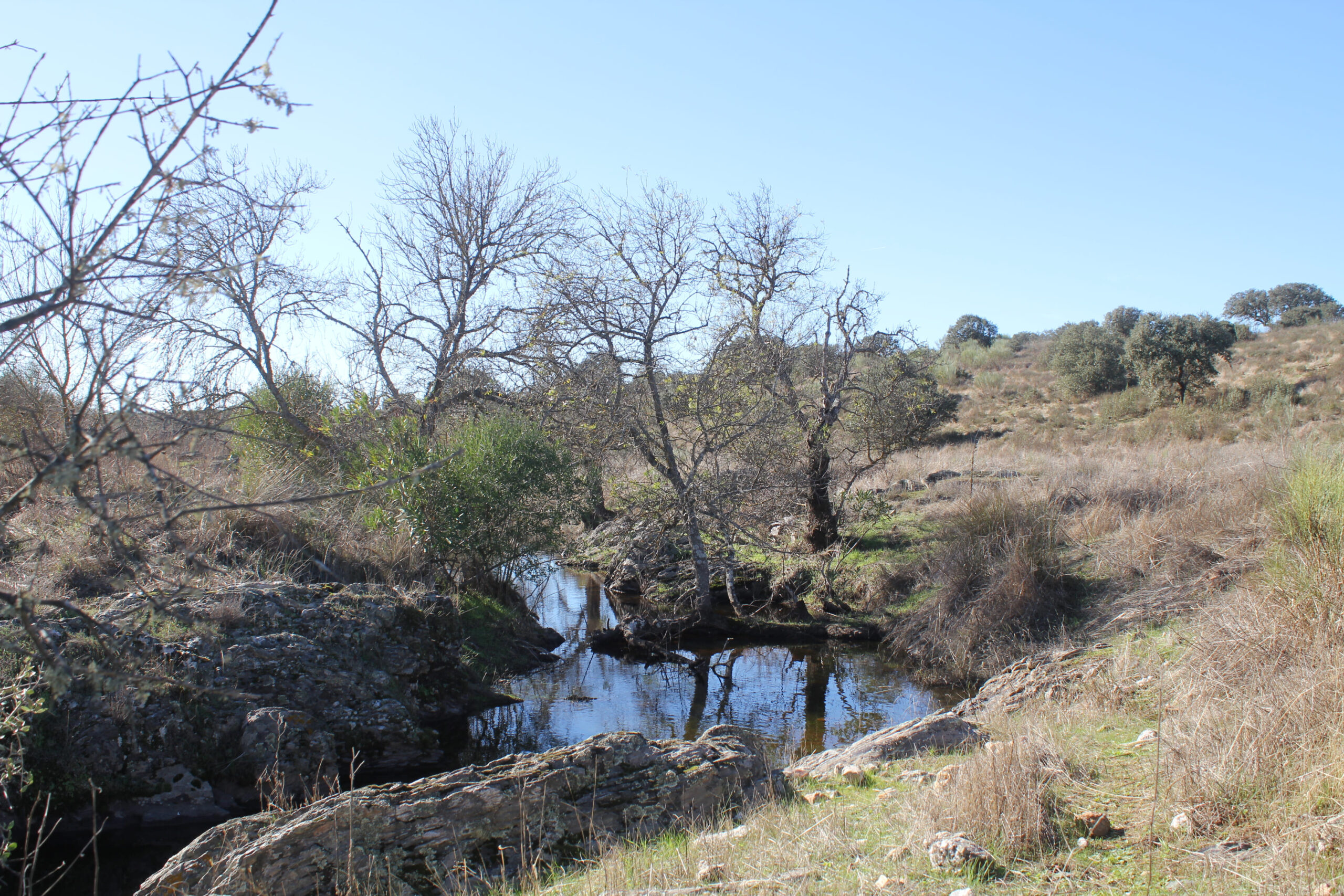
Indigenous production landscapes in Izmir, Türkiye
Nature-Based Solutions implementation to restore and enhance coastal wetland ecosystems in Izmir, strengthening long-term climate resilience to sea-level rise, salinity intrusion, and ecological degradation, while safeguarding the livelihoods of local communities whose well-being is closely linked to natural resources
Context
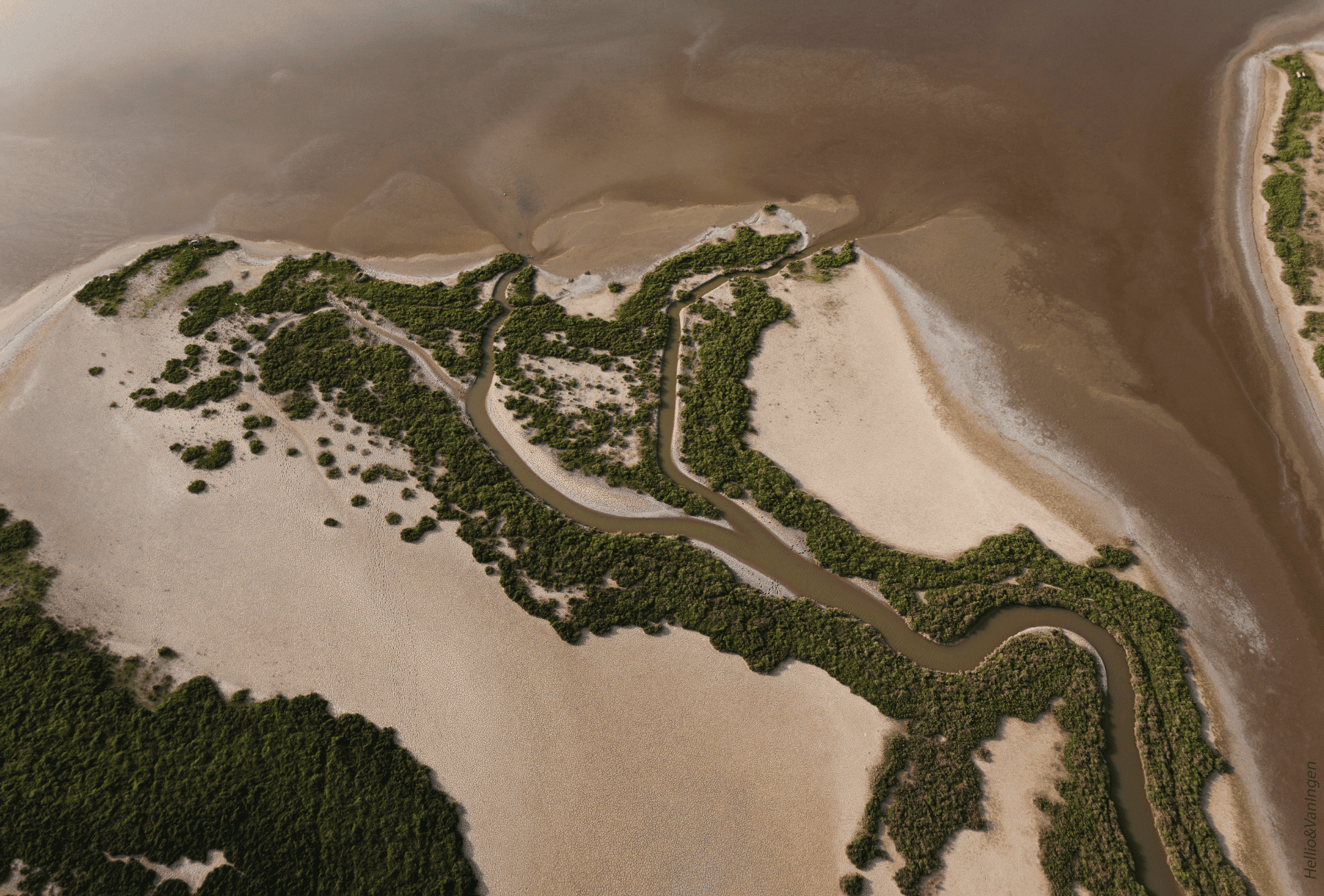
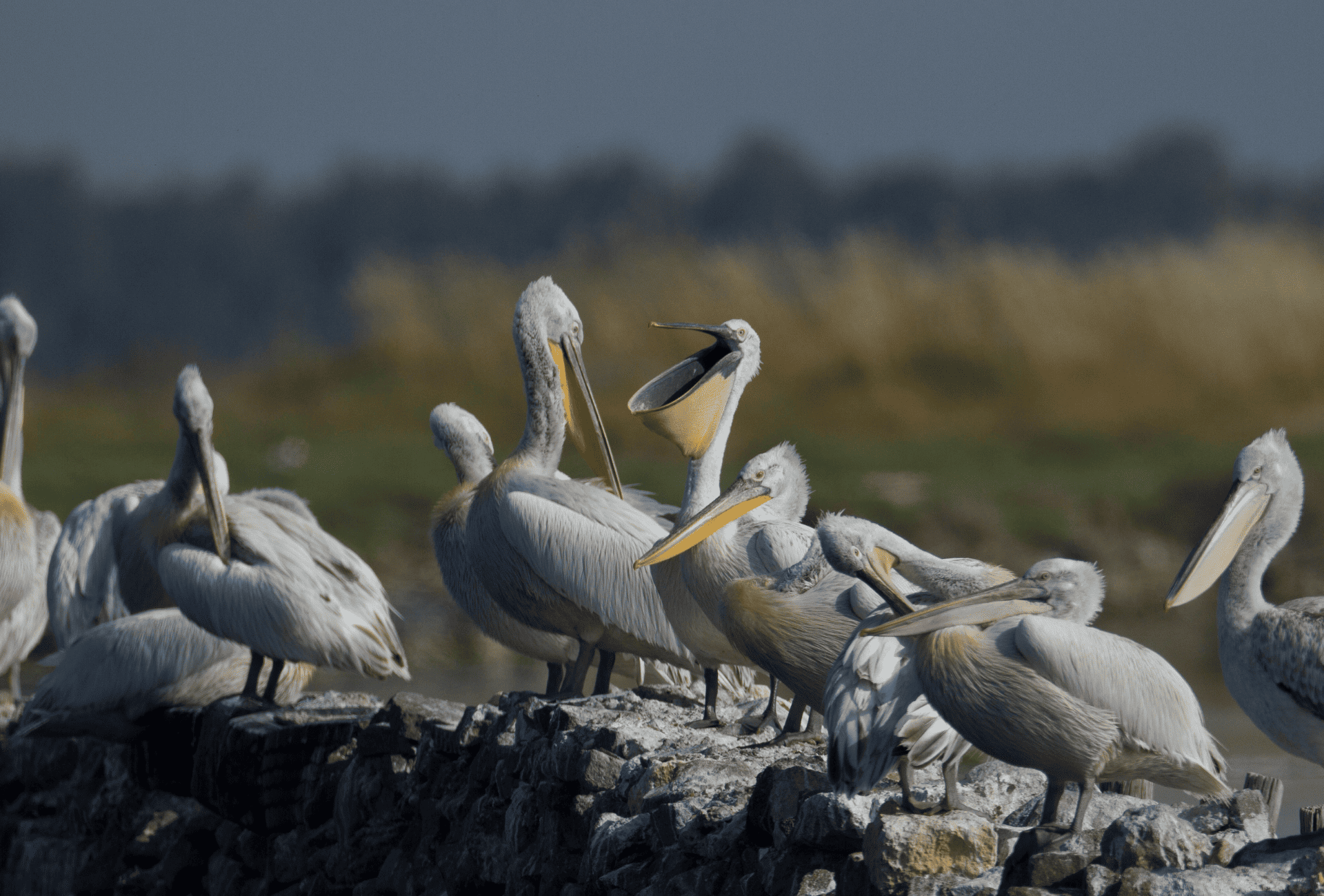
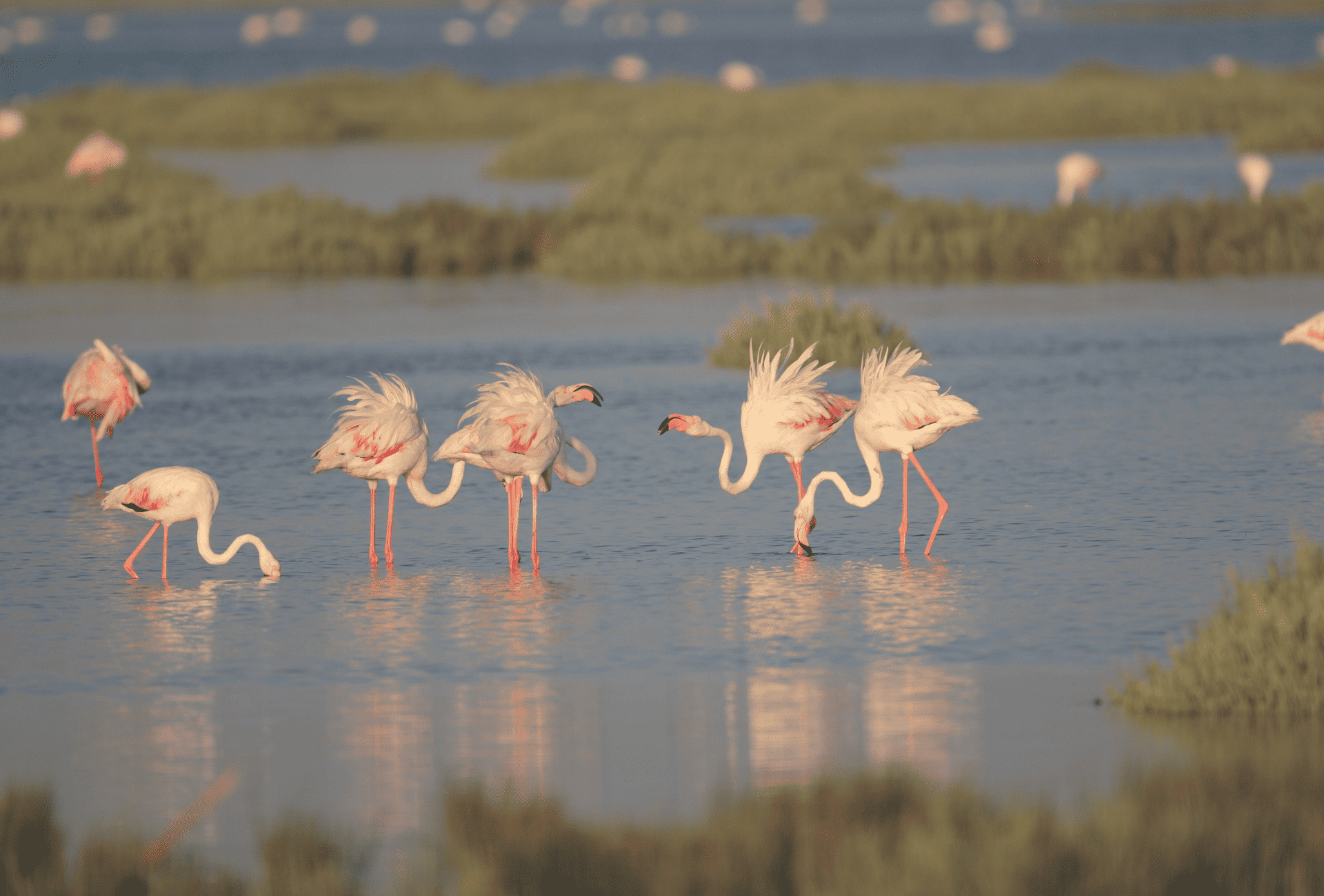
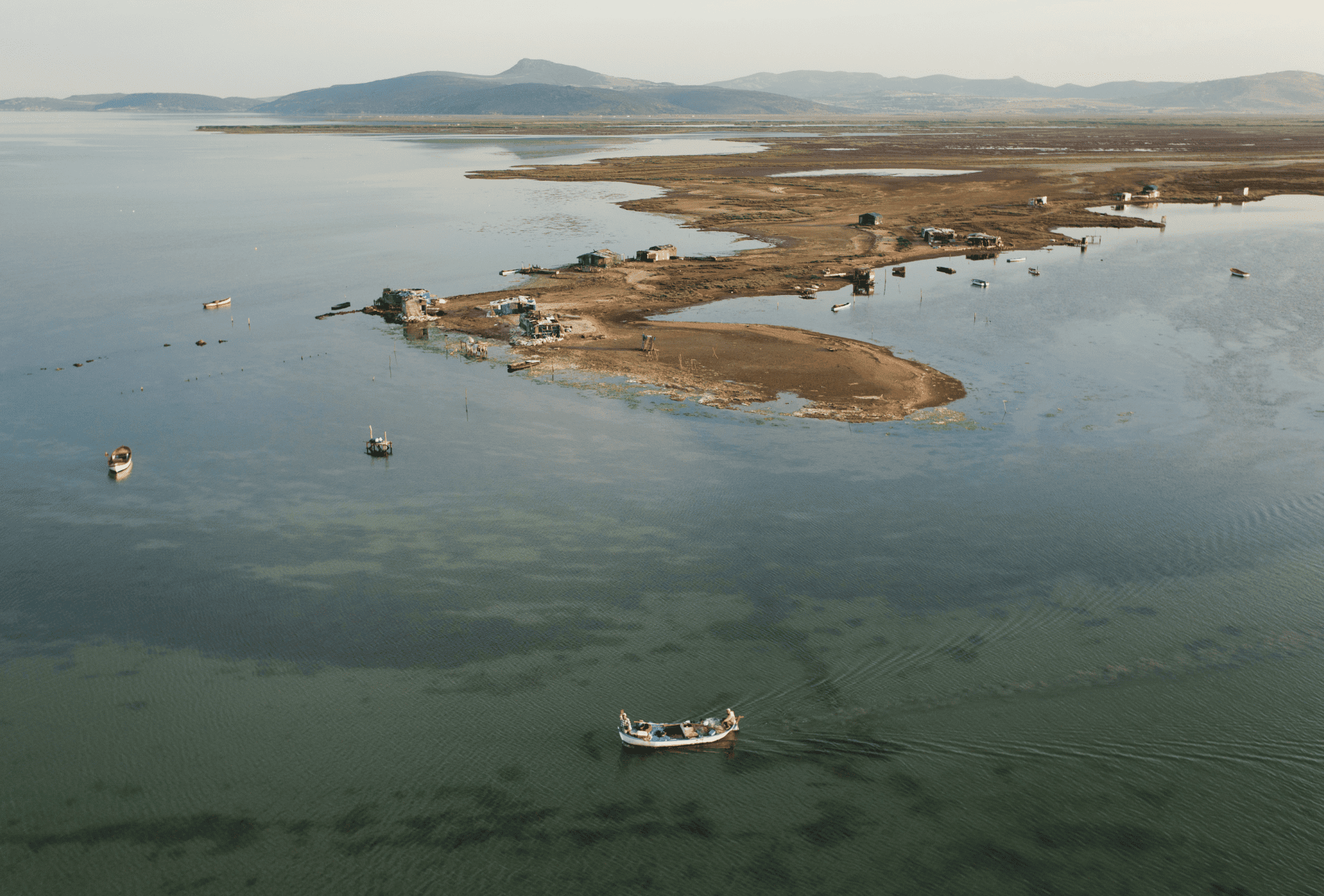
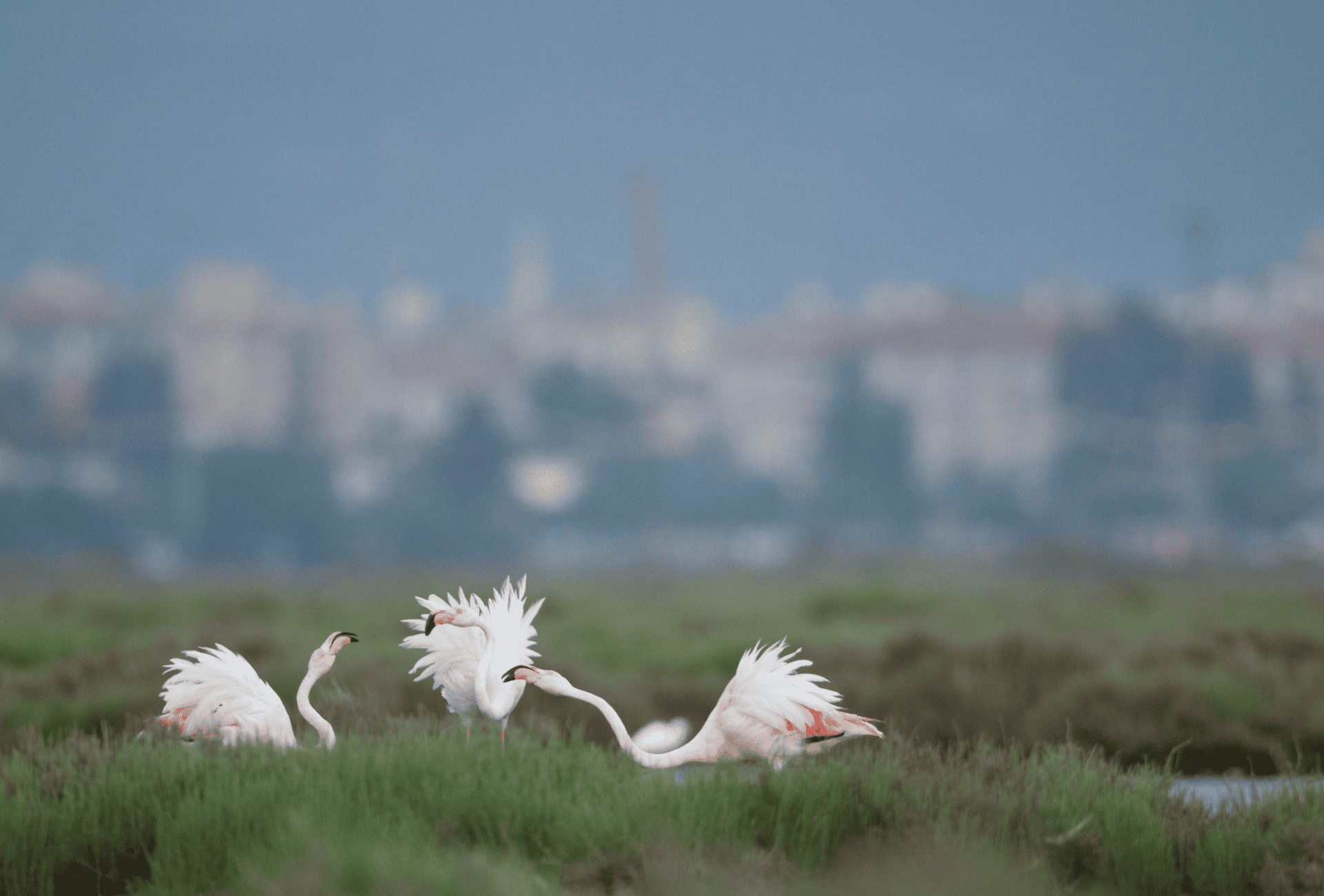
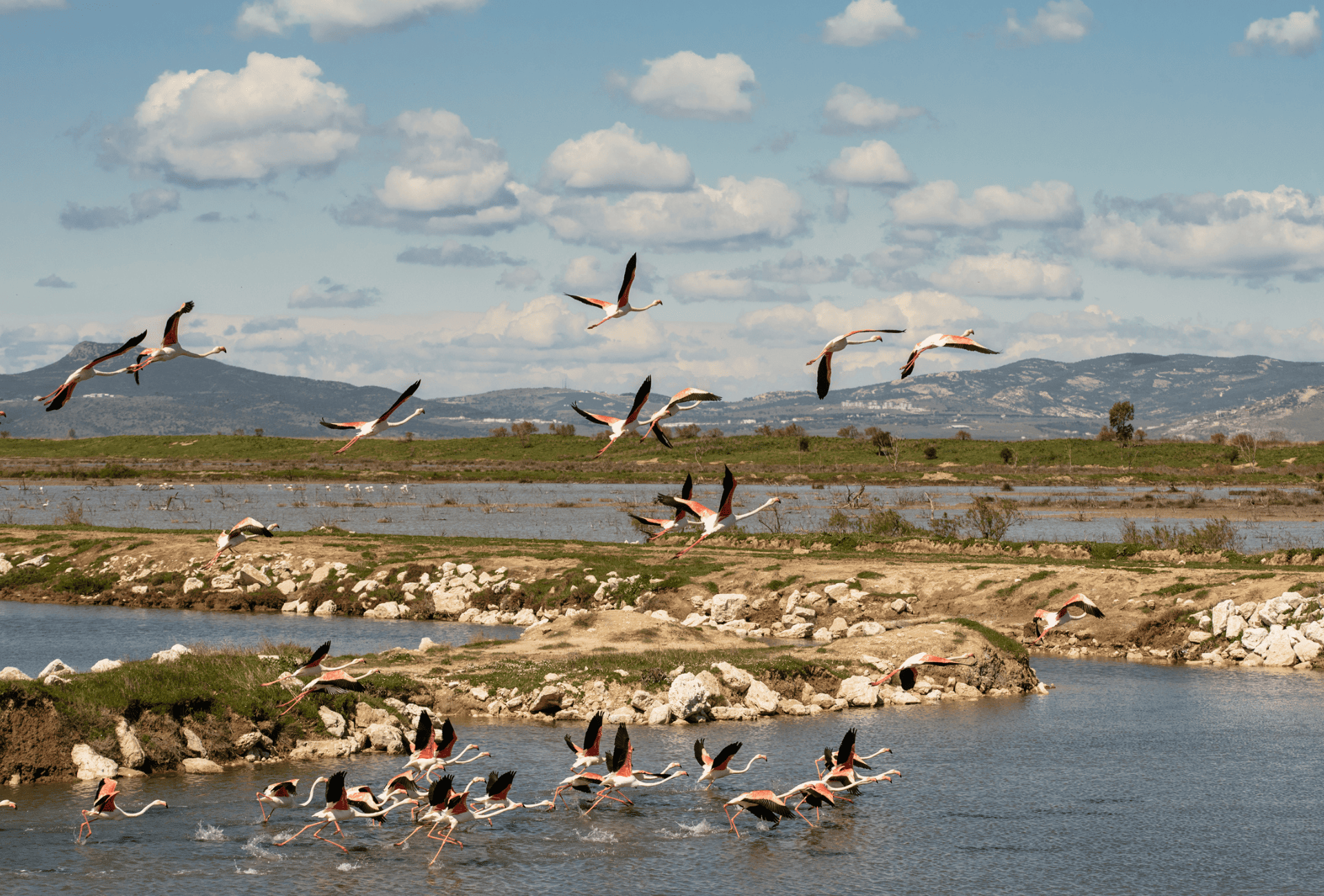
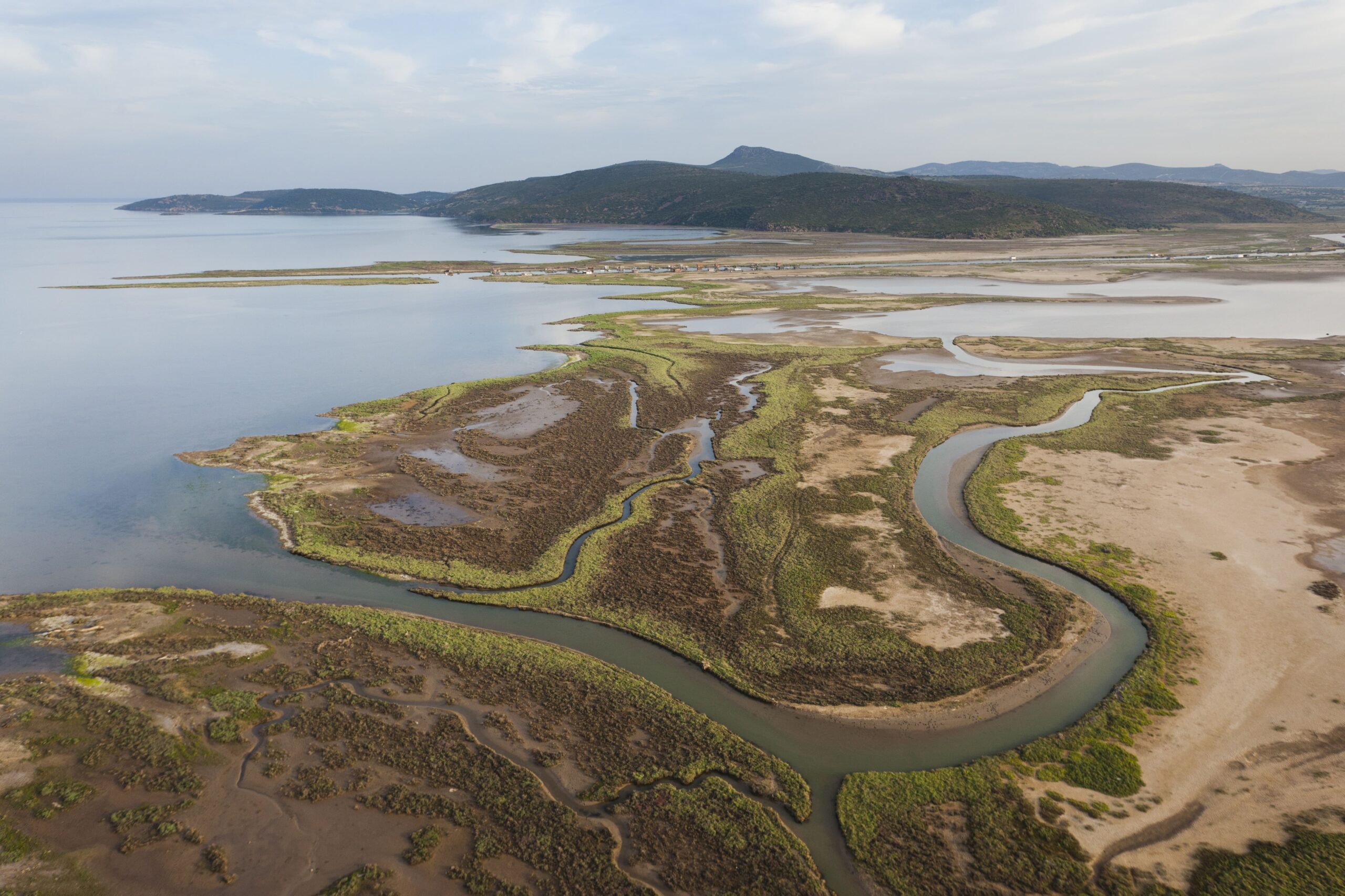
The Gediz Delta (Izmir Province) is one of the most important and biologically diverse wetlands in Türkiye and the Mediterranean, designated as a Ramsar Site of International Importance. It provides critical habitat for wintering, feeding, and breeding bird species, including near threatened Dalmatian pelicans and large populations of greater flamingos. However, the delta faces increasing pressures from sea-level rise, shoreline erosion, soil salinity, and upstream water use, which threaten ecosystem integrity and biodiversity.
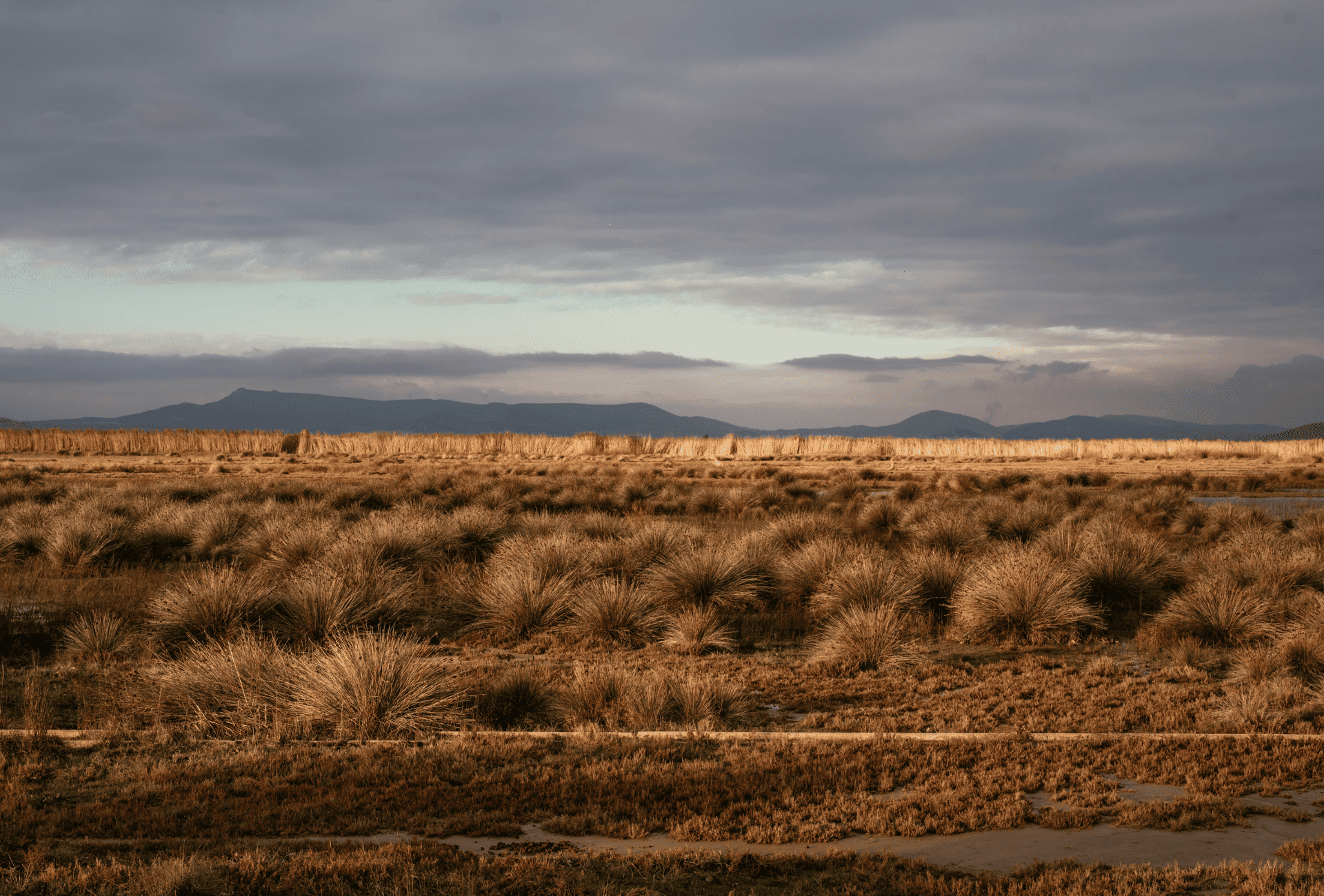
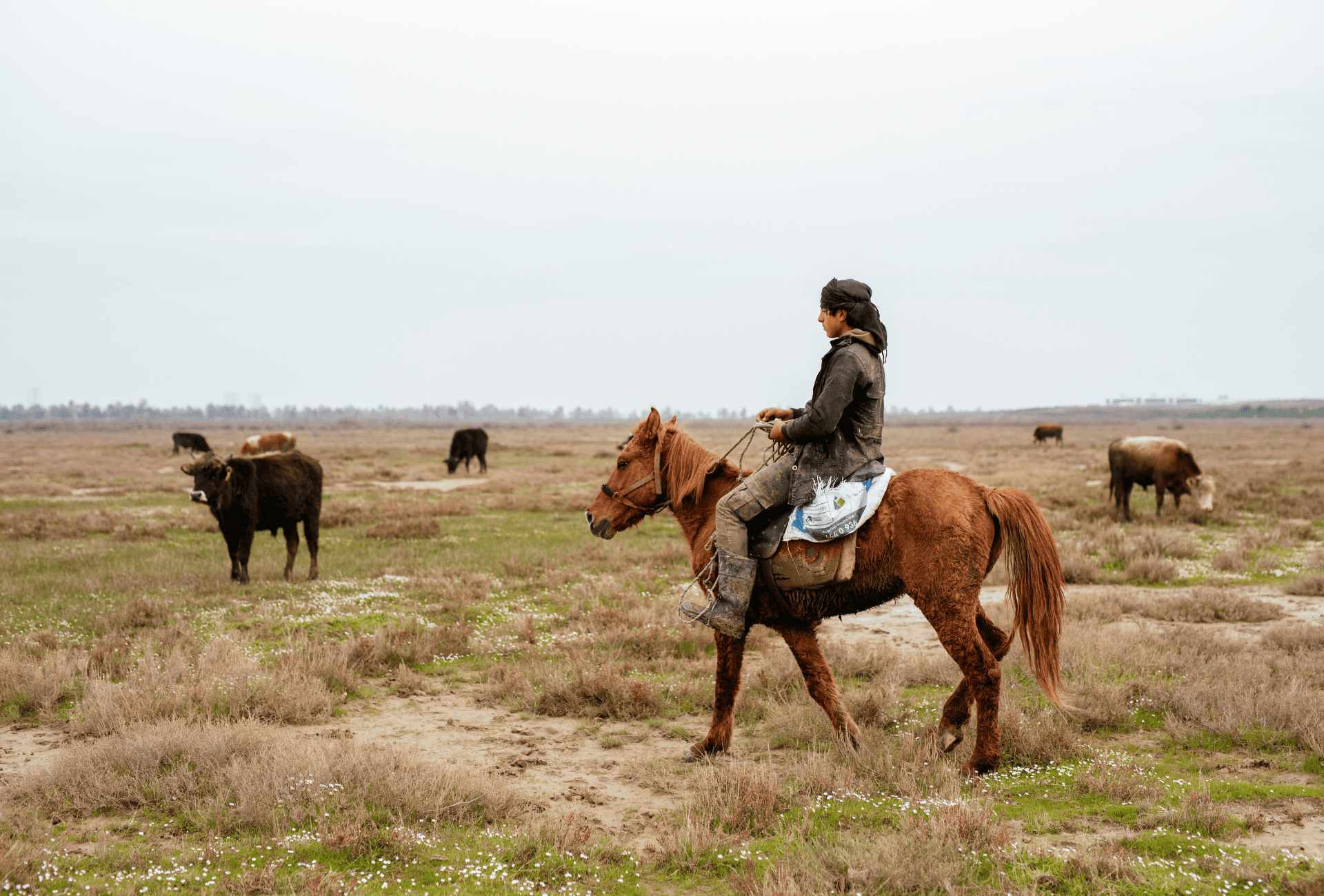
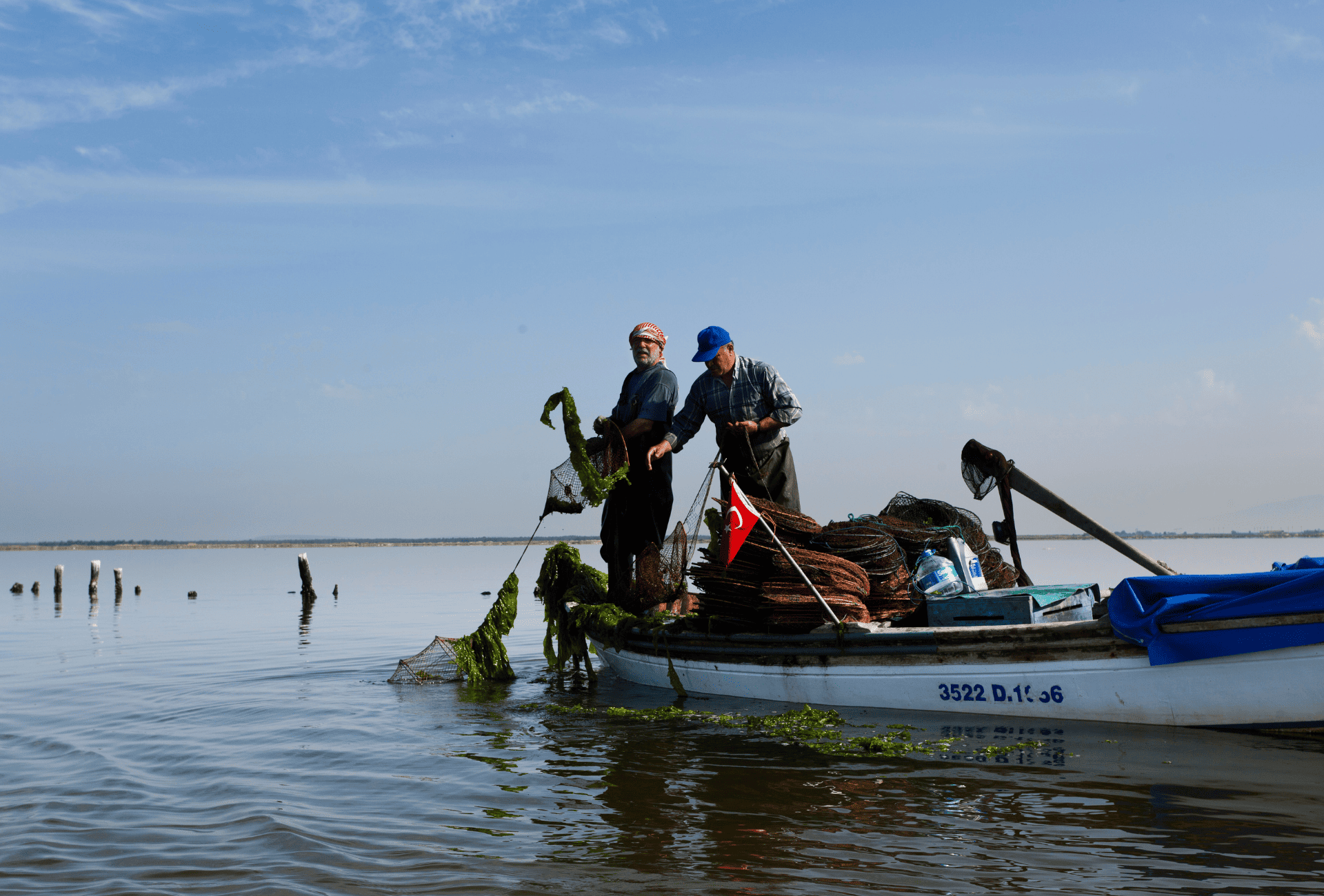
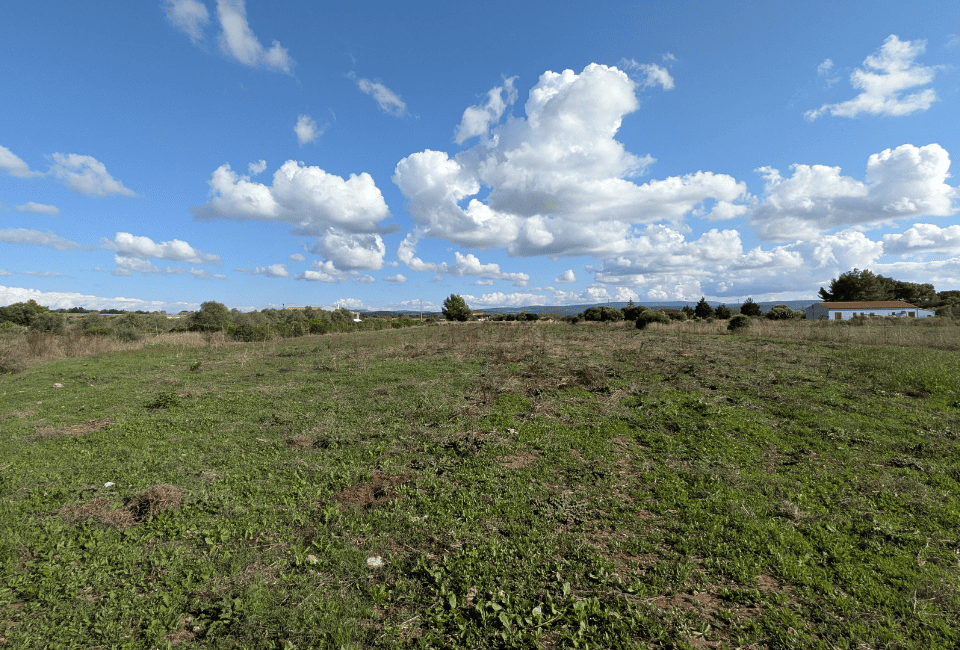
These environmental changes directly affect the livelihoods of nearby communities, including shepherds, farmers, and fishers, whose traditional activities depend on healthy pastures, freshwater availability, and wetland habitats such as Juncus-dominated ecosystems. CARDIMED DEMO 8 responds to these challenges through an integrated NbS approach that restores wetland functions, improves water quality, and enhances habitat connectivity while supporting sustainable local production systems.
Output
Implementation of large-scale NbS interventions to restore river delta wetlands, improve shallow-water marine and coastal habitats, and reduce salinity intrusion across the Gediz Delta. The DEMO enhances biodiversity, strengthens ecosystem services, and improves the resilience and well-being of vulnerable local communities, providing a replicable model for climate adaptation in coastal Mediterranean regions.
Solutions
Riparian buffers and freshwater diversion channels
Coastal wetland restoration
Restoring native vegetation and halophyte habitats
Sustainable communal grazing and reintroduction of native fauna