Forest management and heatwave Resilience in Aragón, Spain
Strengthening climate resilience in Aragón, a region facing depopulation, an ageing population, and increasing exposure to heatwaves and wildfires. By combining sustainable forest management with Nature-Based Solutions in urban schools, the DEMO integrates social, urban, and ecological interventions to support long-term adaptation, biodiversity protection, and territorial resilience.
Context
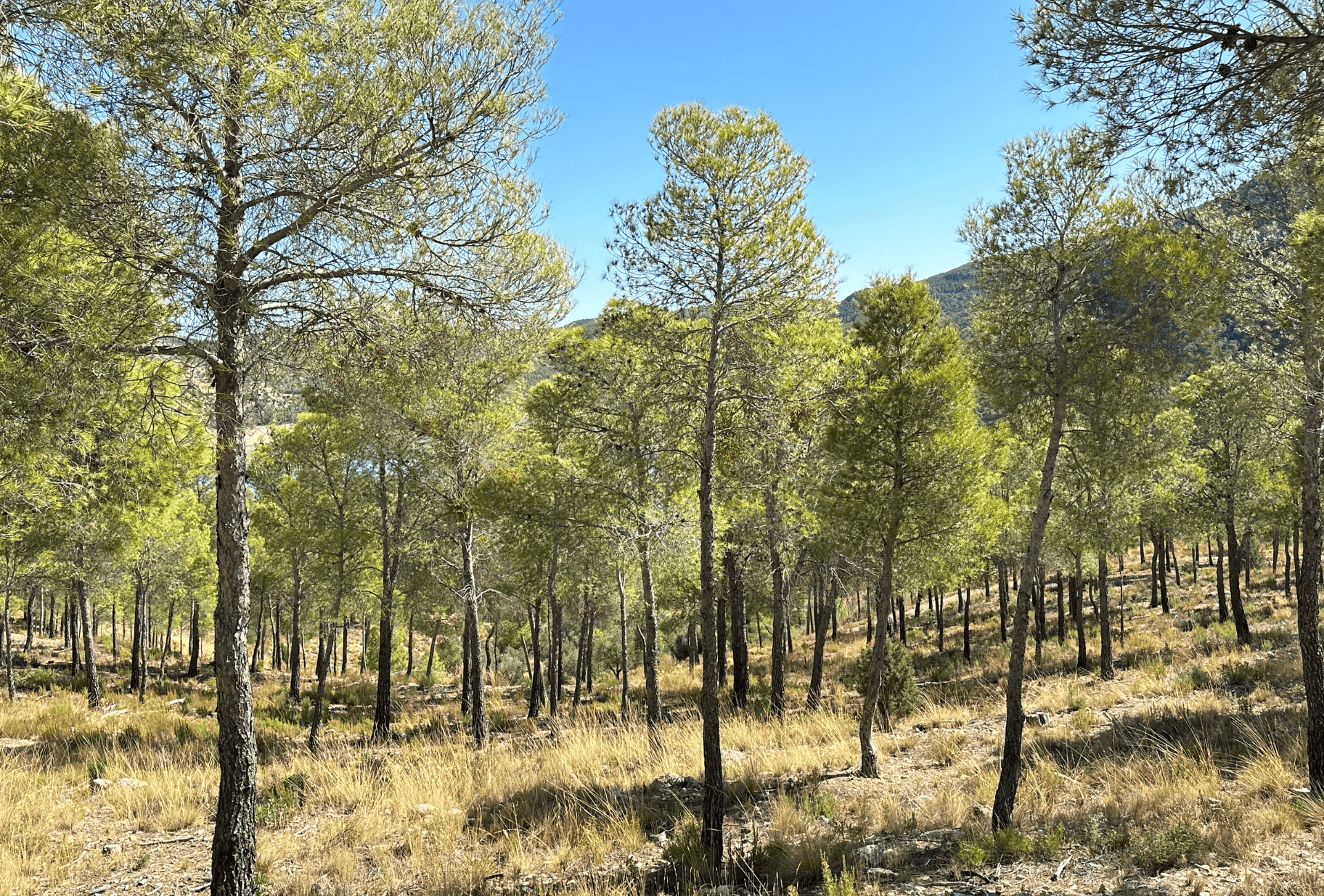
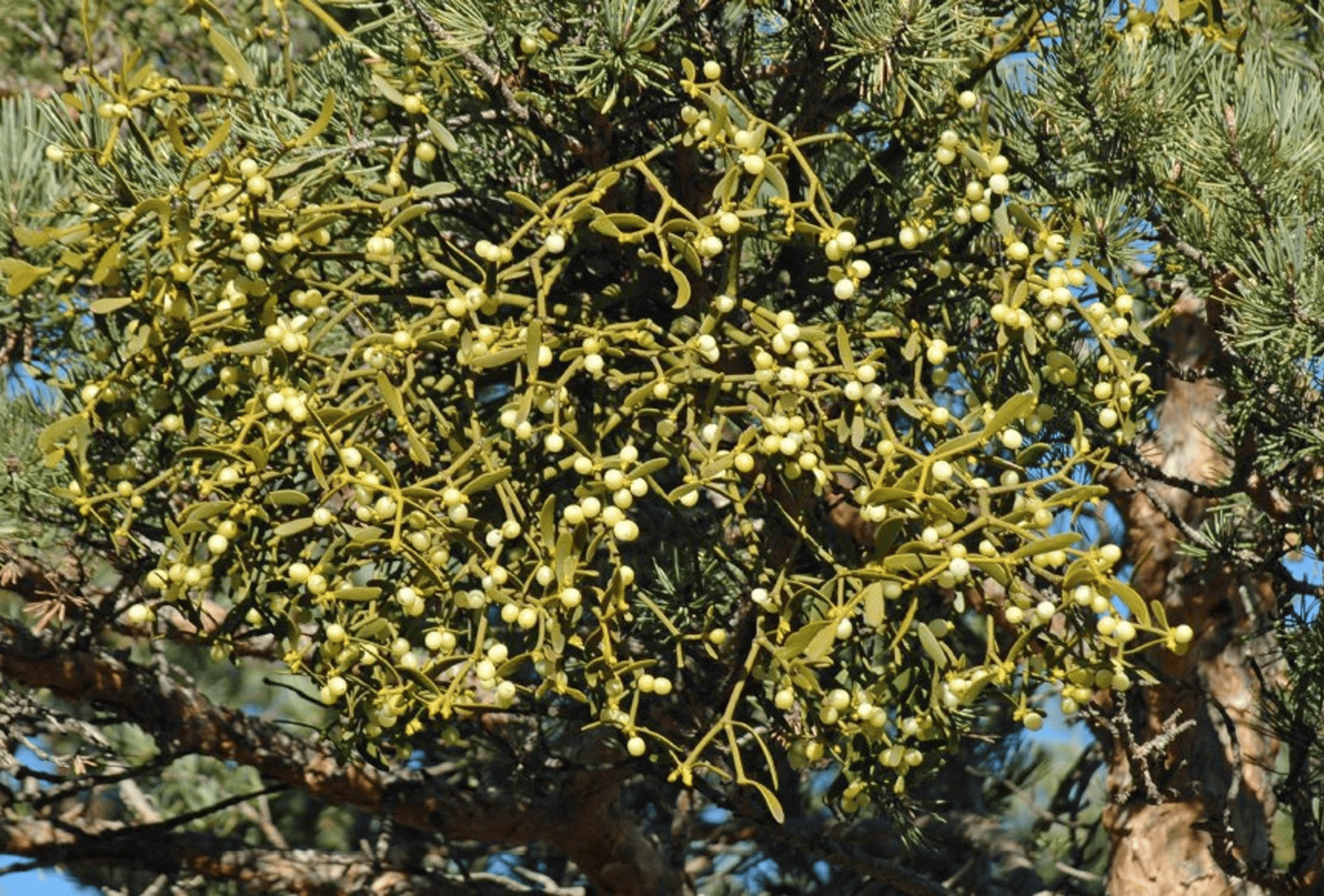
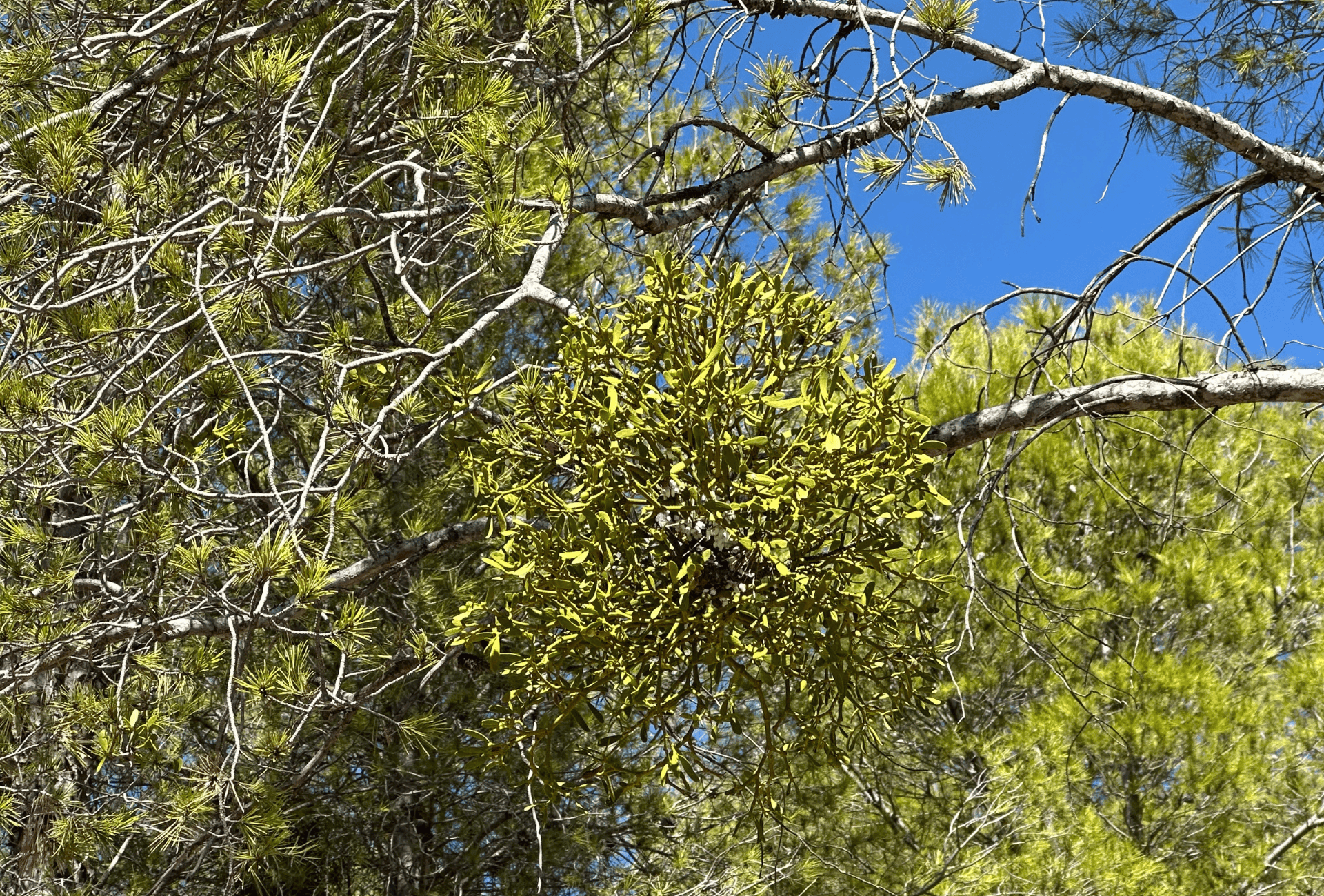
Aragón is characterised by low population density and strong urban concentration, factors that increase vulnerability to climate extremes. At the same time, 56 % of the region is covered by forests, particularly in the province of Teruel, where forest ecosystems are increasingly threatened by mistletoe infestations. Climate change, land-use abandonment, and ecosystem imbalances have accelerated the spread of mistletoe, weakening trees, reducing biodiversity, and increasing wildfire risk. In parallel, urban areas such as Zaragoza face growing challenges related to heat stress, especially in school environments where sealed surfaces and limited vegetation reduce outdoor thermal comfort and usability.
CARDIMED DEMO 6 addresses these challenges through two complementary sub-DEMOs, each targeting a specific dimension of climate resilience:
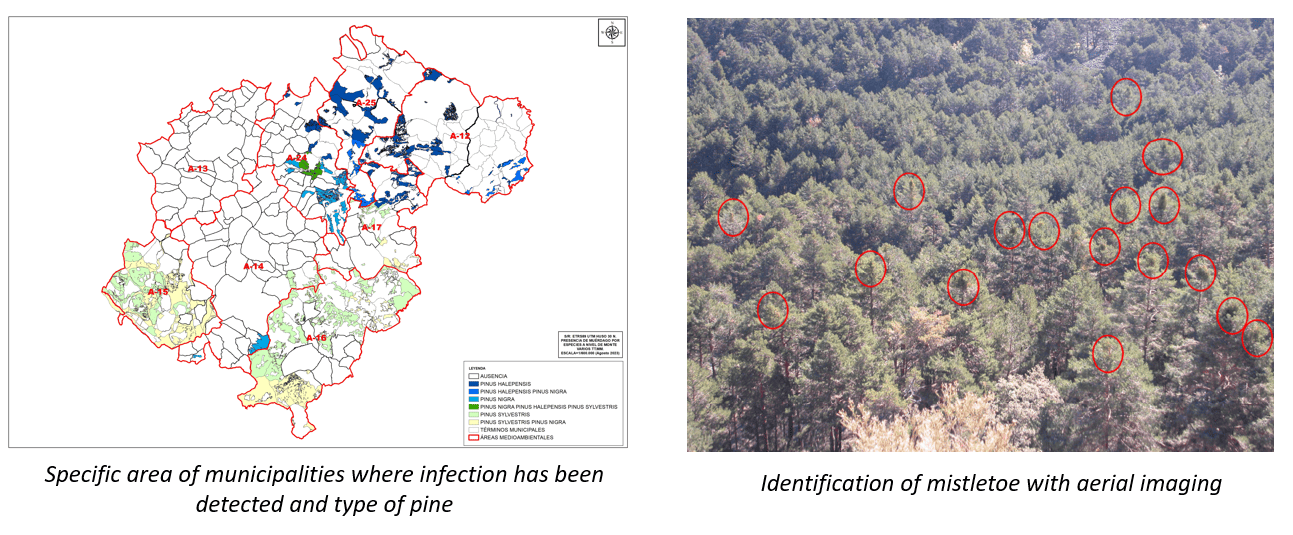
Sub-DEMO 6.1 (Teruel forests) responds to the increasing spread of mistletoe in forested areas, which weakens trees, reduces biodiversity, and lowers the capacity of forests to adapt to climate change. The sub-demo combines large-scale spatial analysis with on-the-ground management actions across extensive public forest land, while also promoting environmental education and local engagement.
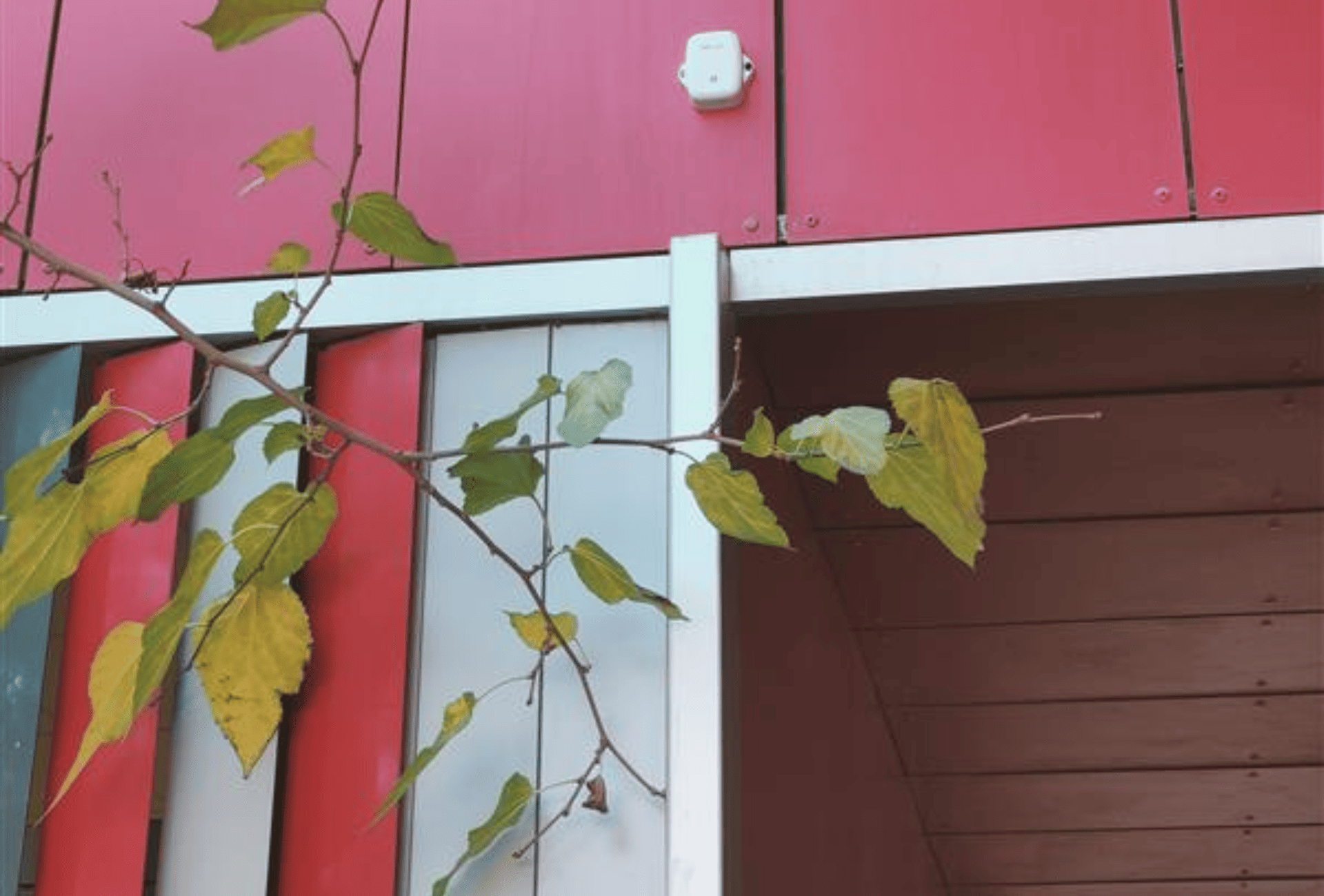
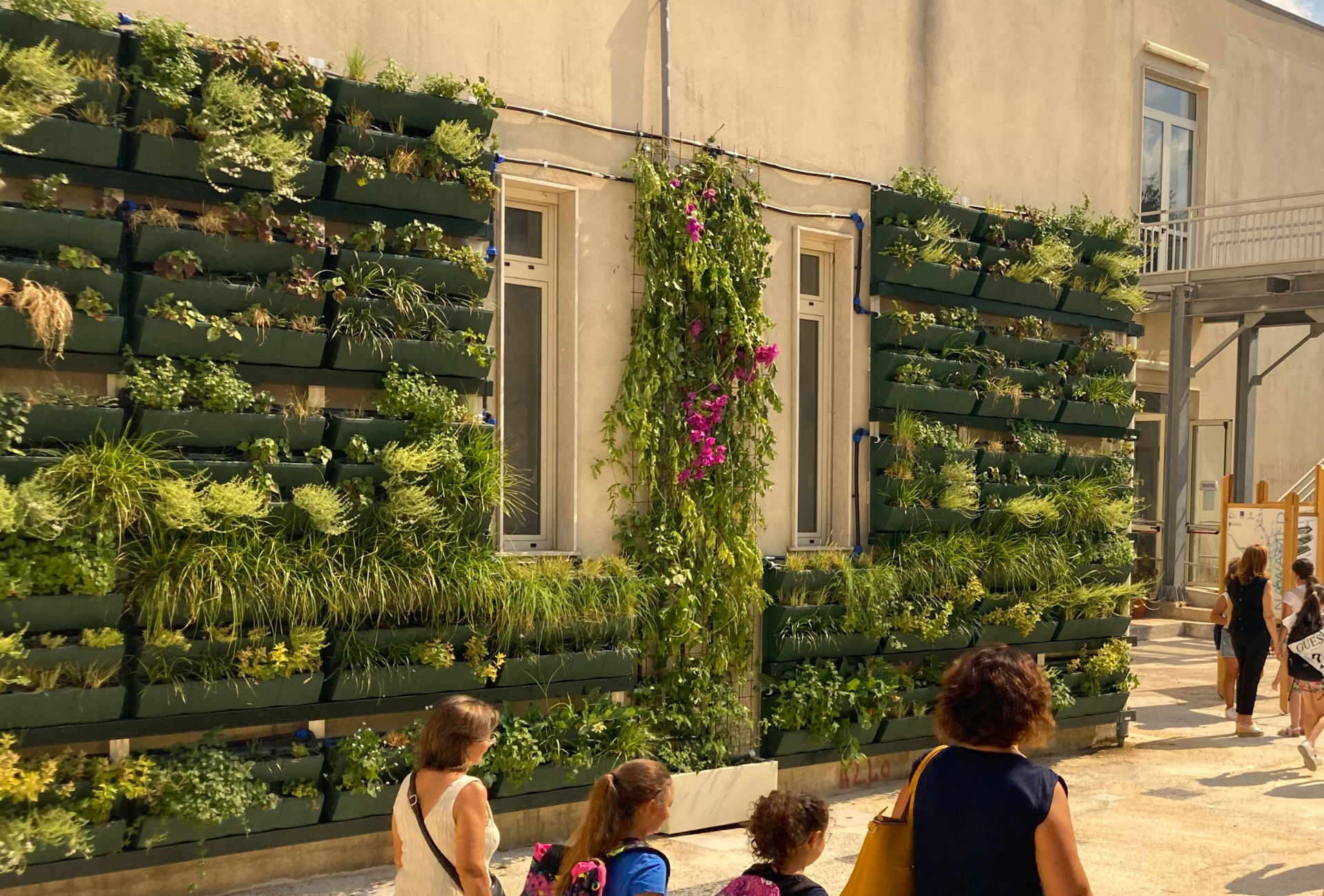
Sub-DEMO 6.2 (Zaragoza) addresses the growing challenge of heat stress in urban school environments, where sealed surfaces and limited vegetation reduce thermal comfort and outdoor usability. By introducing green and water-sensitive solutions, the sub-DEMO aims to create cooler, healthier schoolyards that support children’s well-being, learning, and climate adaptation.
Output
An integrated demonstration of forest and urban Nature-Based Solutions strengthens climate resilience in Aragón by combining large-scale mapping and targeted management of mistletoe infestations in forest ecosystems with the implementation of green and water-sensitive solutions in primary schools. The interventions improve forest health and adaptive capacity, reduce wildfire risk, enhance outdoor thermal comfort in school environments, and support environmental monitoring and education through the development of a thermal comfort tool tailored to daily weather conditions, offering replicable approaches for regional climate adaptation.