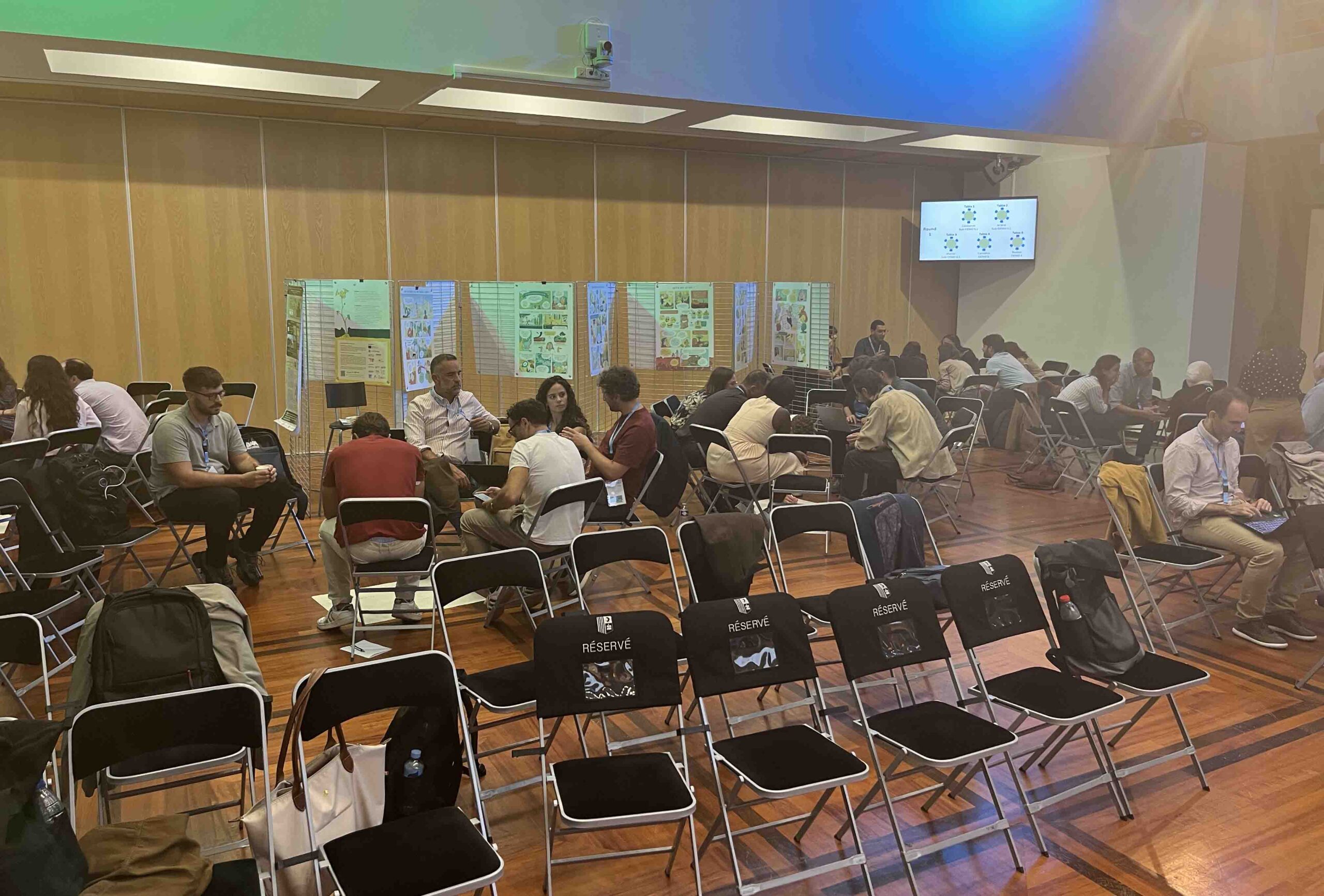
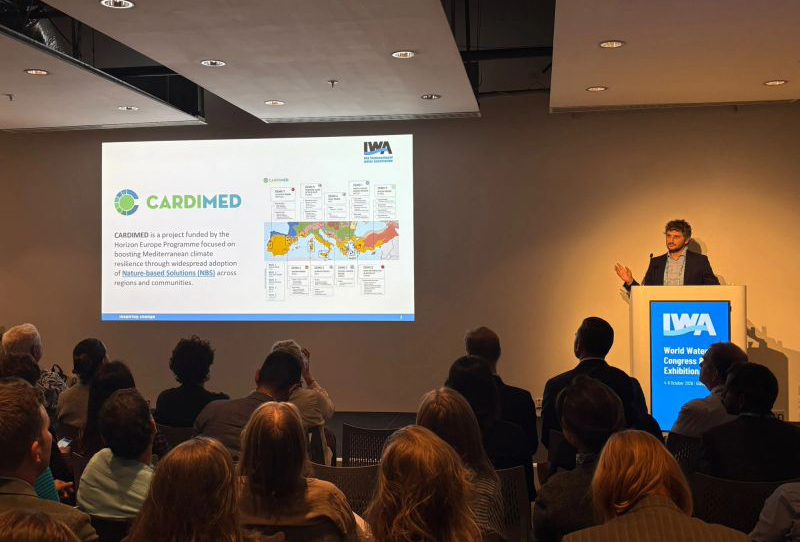
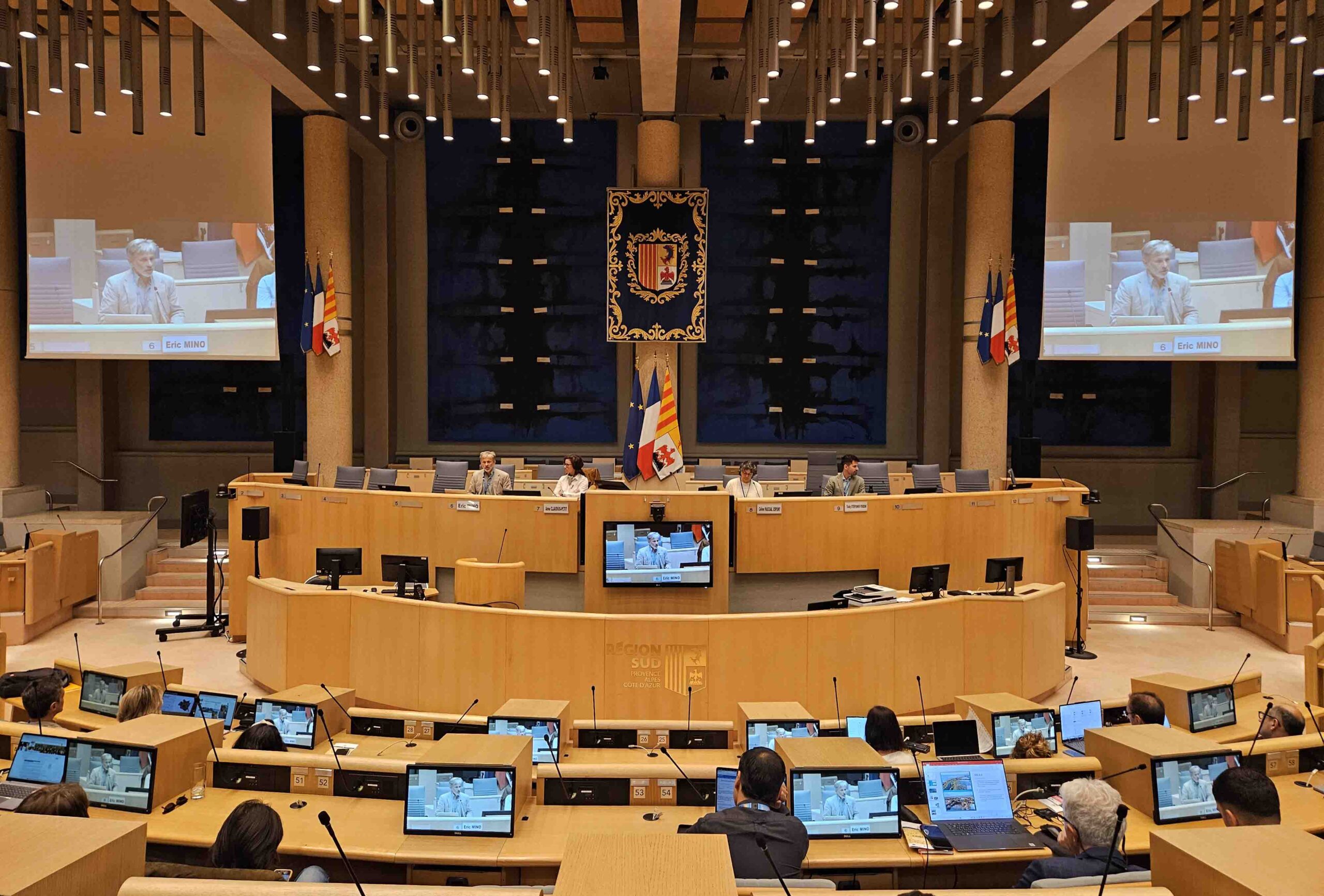
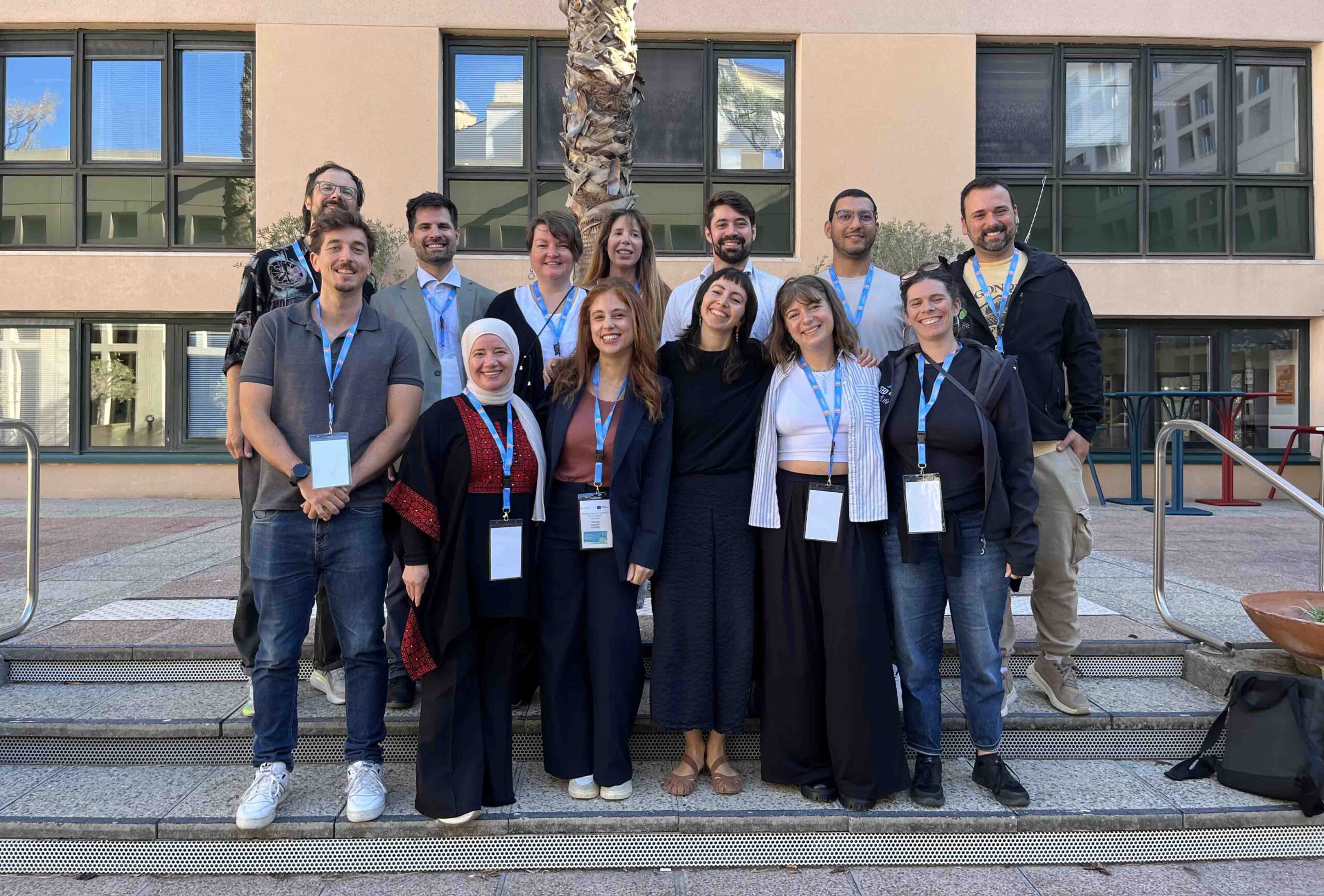
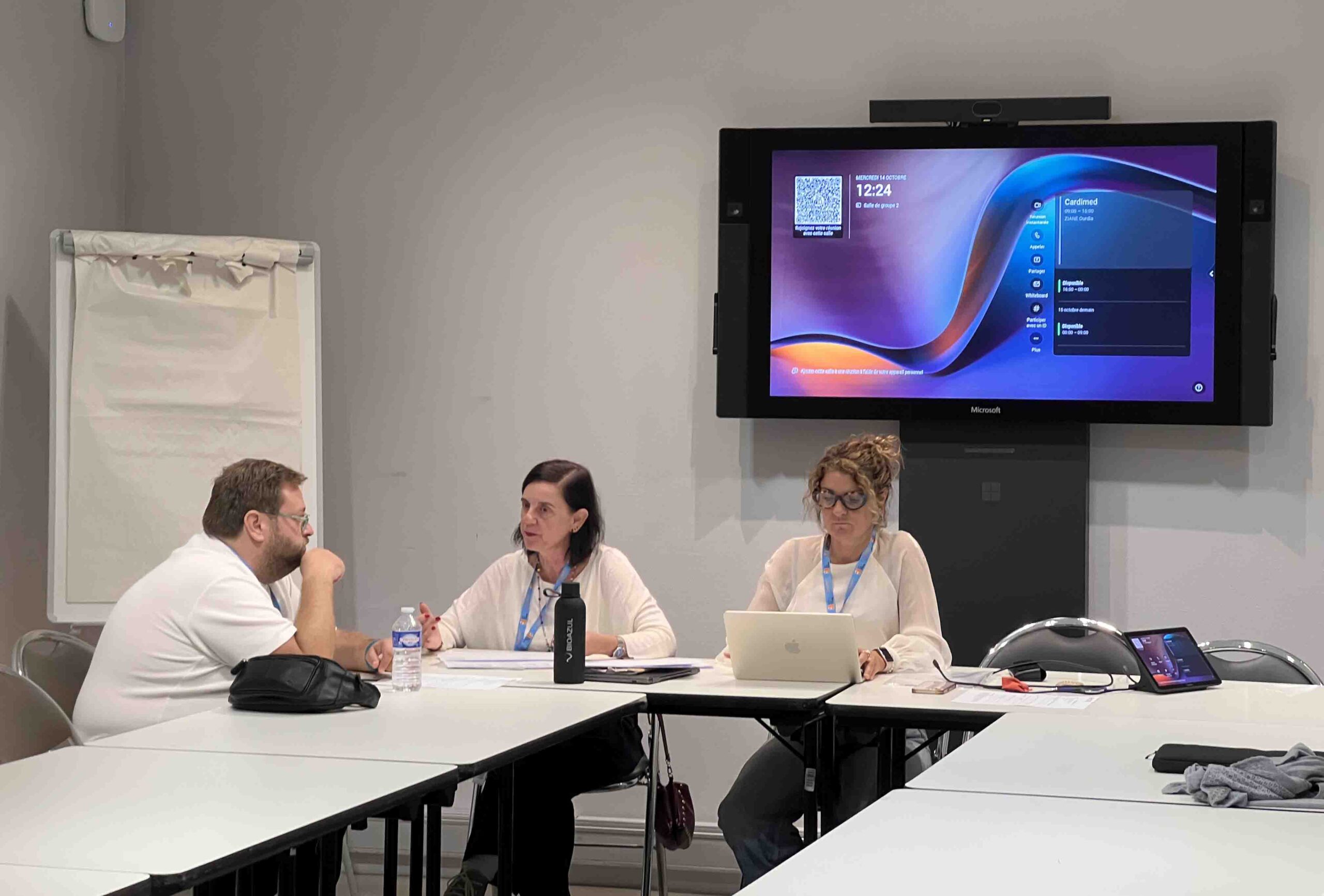
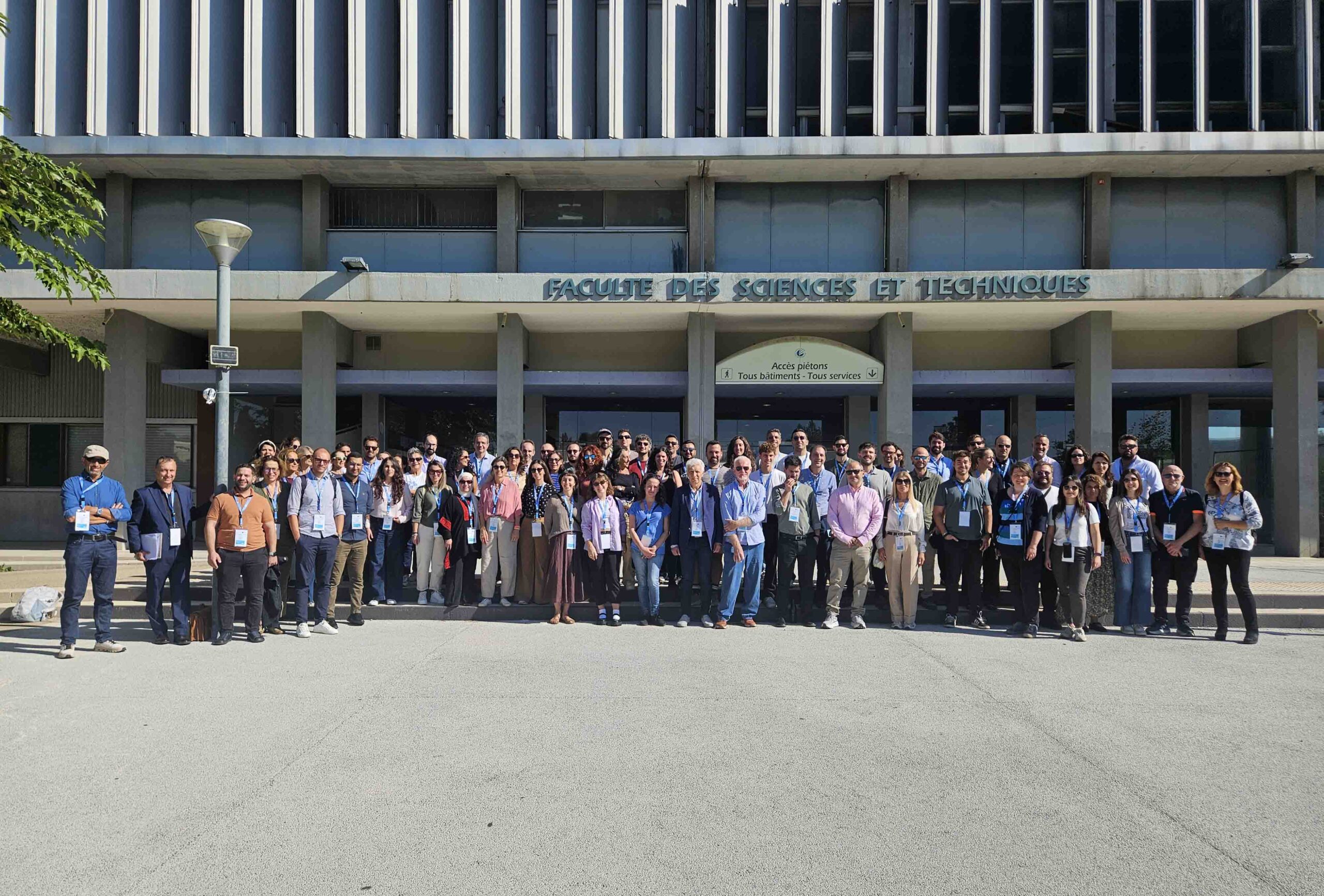
From 14 to 16 October 2026, CARDIMED partners gathered in Marseille, France, for the project’s 7th Consortium Meeting, bringing together researchers, public authorities and businesses to review progress, exchange experiences and explore new opportunities for collaboration on Nature-based Solutions (NbS).
The three-day meeting combined technical discussions, collaborative workshops, visits to local demonstration sites and sessions with external stakeholders, with a particular focus on monitoring results, replication and the long-term sustainability of CARDIMED’s innovations.
From implementation to impact: CARDIMED’s latest progress
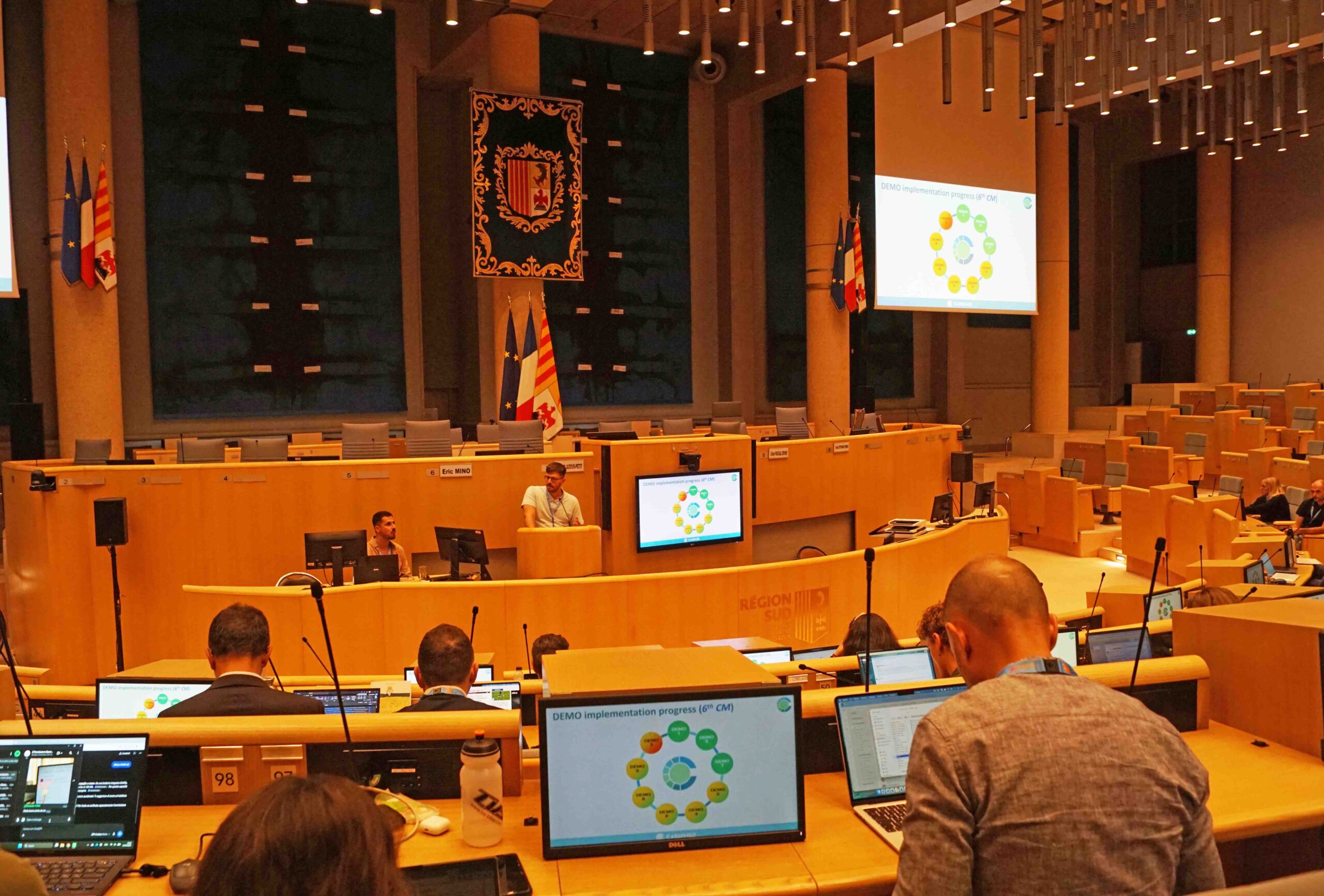
One of the main focuses was the progress achieved across CARDIMED’s nine demonstration sites, which serve as real-world testing grounds for Nature-based Solutions, generating valuable knowledge from both successes and implementation challenges.
With 15 of the project’s 18 sub-demonstration sites already operational, CARDIMED is advancing the monitoring and assessment of its interventions to provide evidence of NbS performance. The remaining sites are progressing towards completion, addressing technical challenges, permitting procedures and site-specific requirements.
The meeting also highlighted progress in CARDIMED’s digital tools, including CARDIMED Insights, an interactive platform for exploring demonstration data; CirculAR, an augmented reality application for citizen engagement; the Demand-driven Industrial Water Symbiosis System (DDIWSS), a digital twin for industrial water management; the NbS Tool, supporting the wider application of Nature-based Solutions; and the Medusa Platform, which transforms sensor measurements into interoperable datasets. While some tools are already accessible, partners are finalising functionalities and preparing for their wider promotion and uptake.
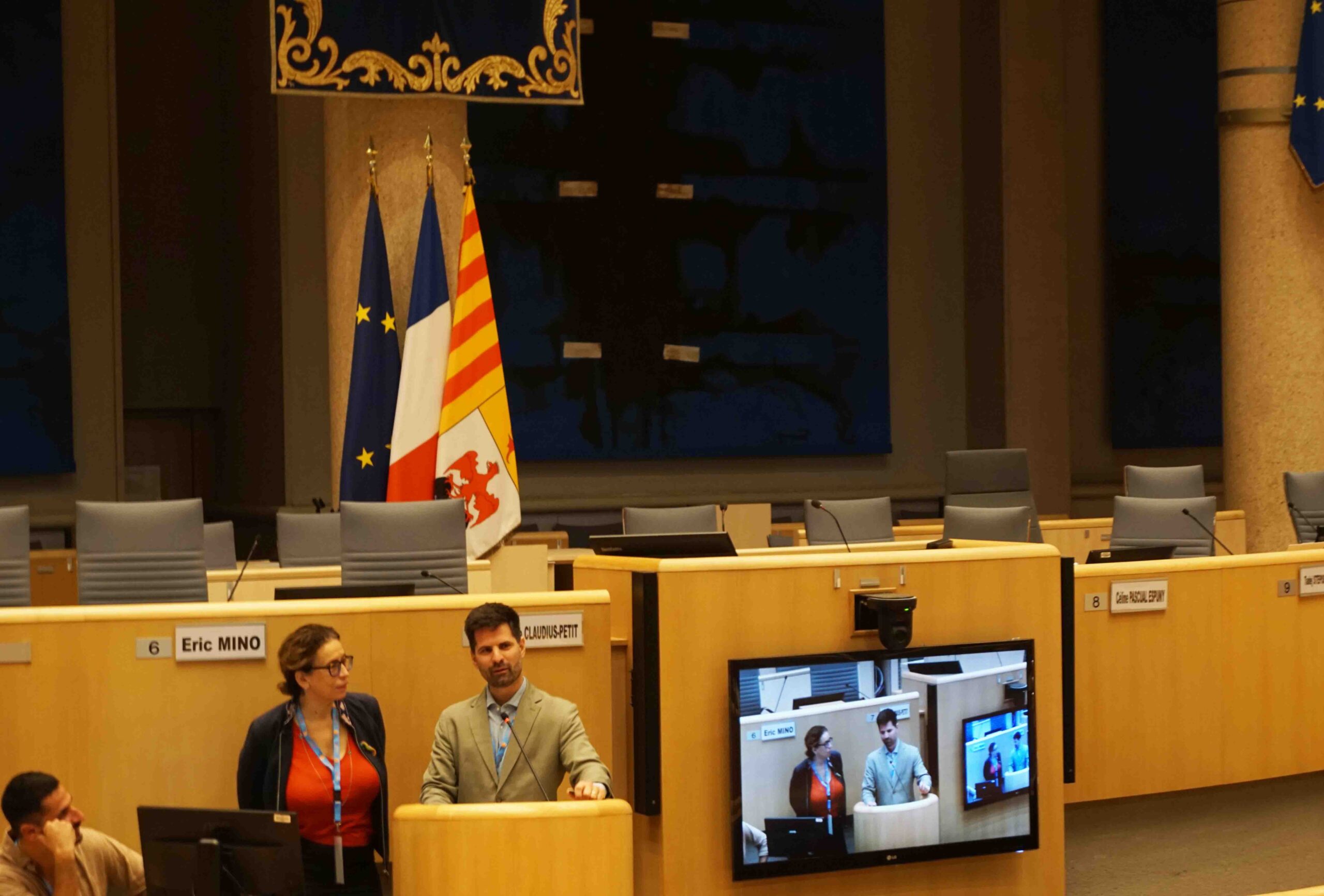
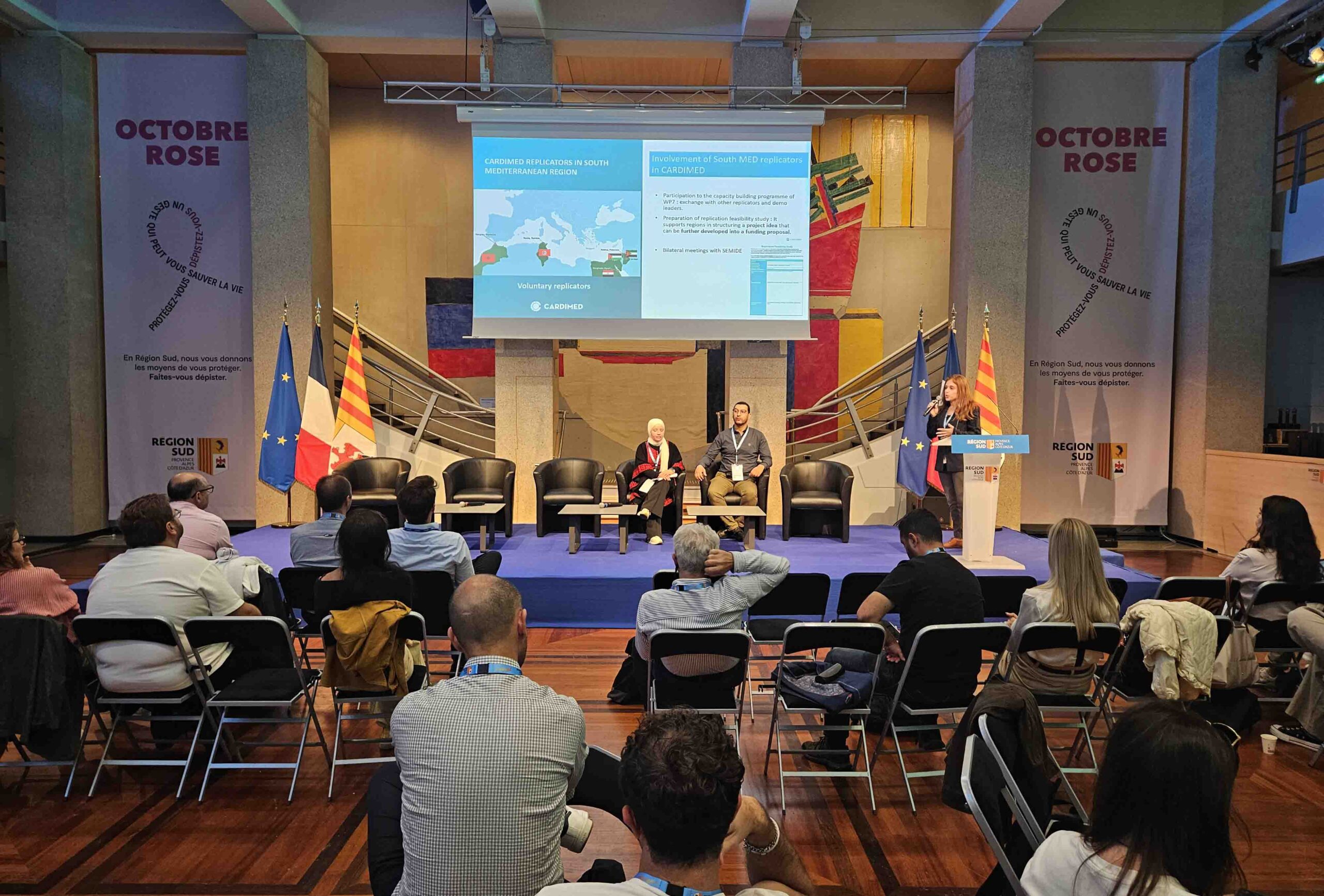
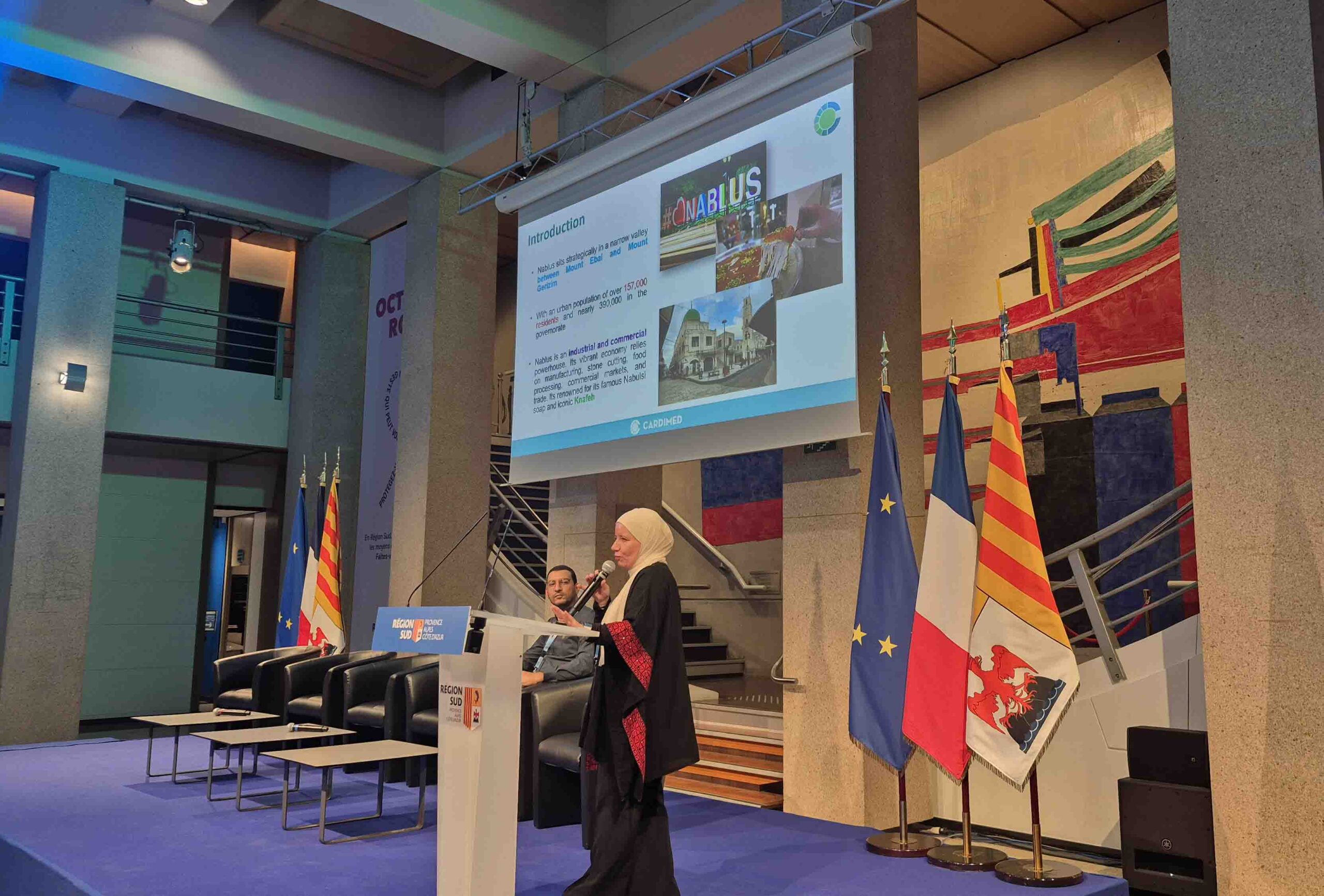
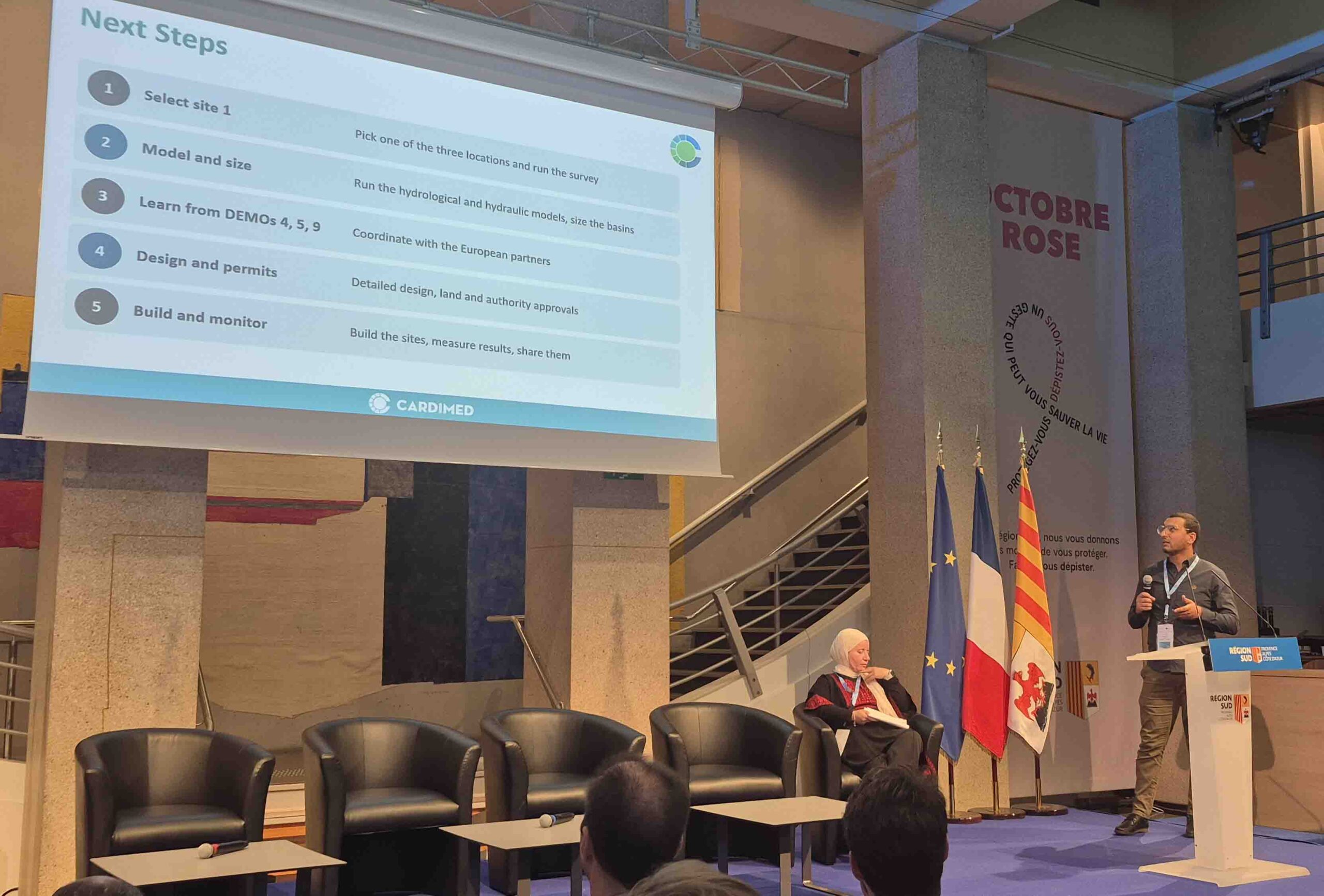
Replication and exploitation were also central to the discussions. The meeting brought together CARDIMED’s replication partners from Murcia and Catalonia (Spain) and Carinthia (Austria), alongside representatives from Nablus (Palestine) and the Tunisian Ministry of Equipment and Habitat, invited by SEMIDE. Through feasibility studies and collaborative workshops, replicators exchanged experiences with demonstration site representatives to support the transfer of CARDIMED solutions to other territories.
In parallel, partners are developing exploitation strategies for innovations emerging from the demonstration sites and digital tools, identifying opportunities to maximise their value beyond the project. CARDIMED has also applied for the European Commission’s Horizon Results Booster services to strengthen these efforts.
Stakeholder engagement remains another priority. Most of CARDIMED’s Open-Air Exhibition events have already taken place, connecting local communities with the project’s interventions, while the remaining events will be completed in the coming months.
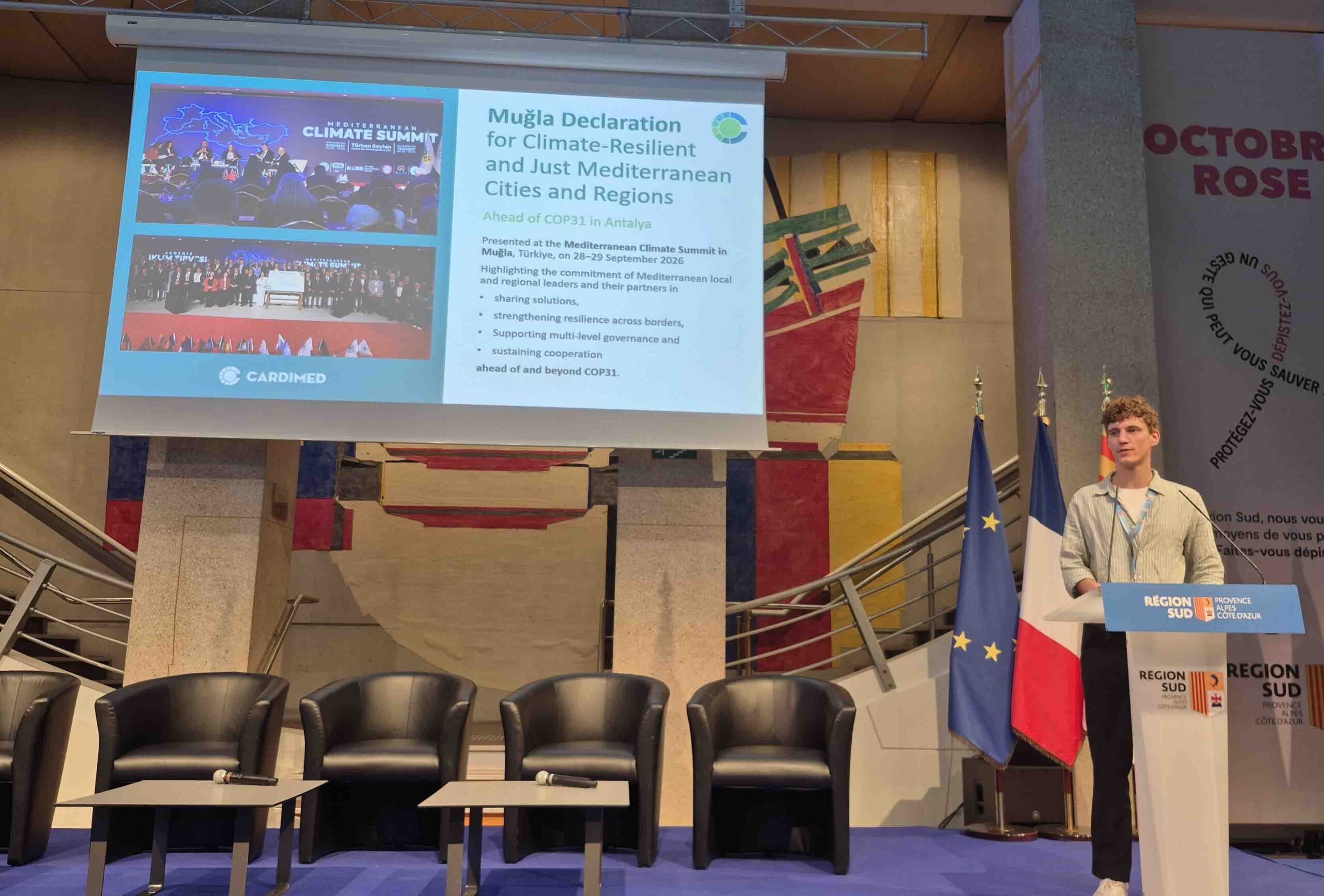
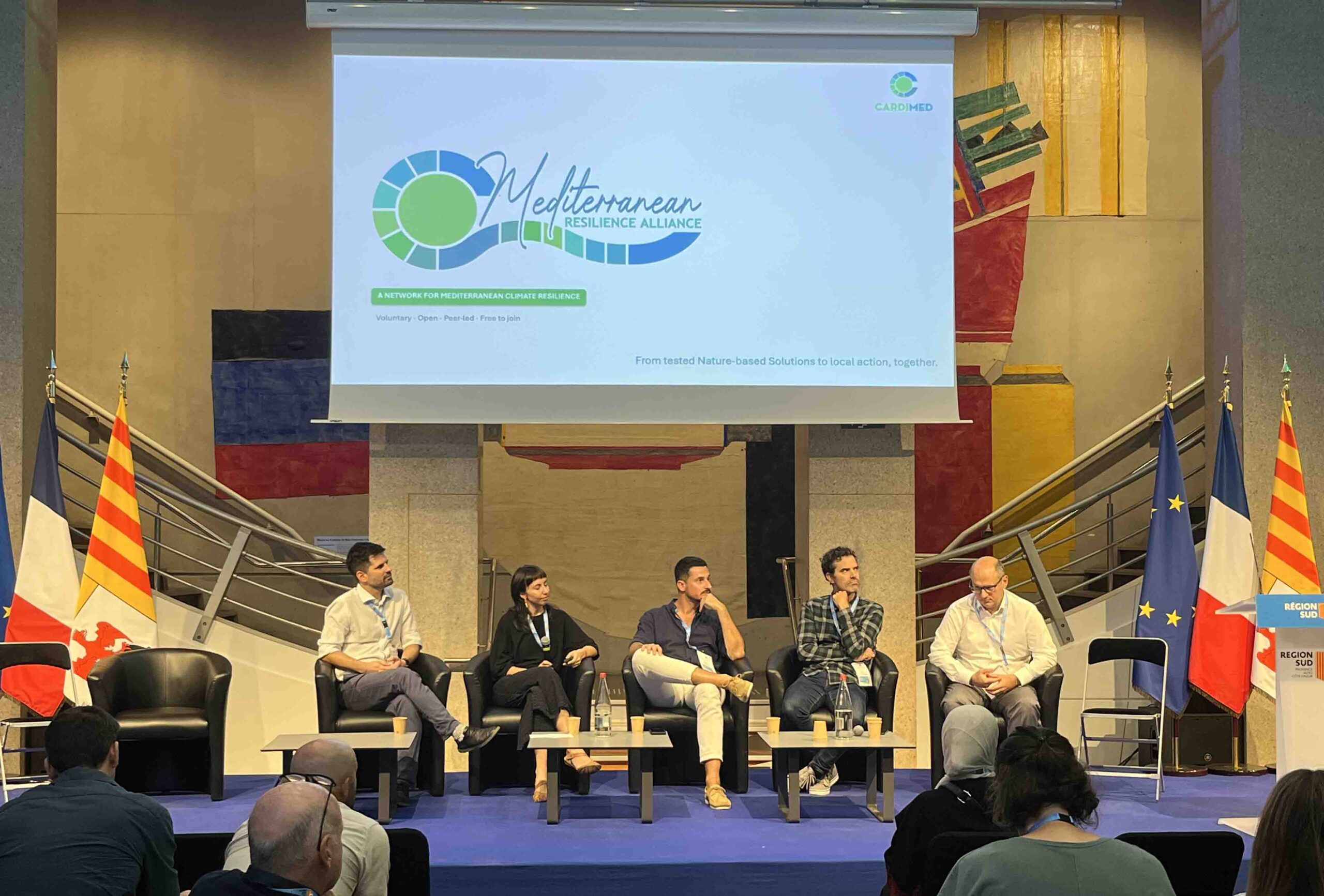
The meeting also highlighted the recent launch of the Mediterranean Resilience Alliance, a collaborative network established through CARDIMED to connect regions, cities, projects and communities, facilitating knowledge exchange and cooperation to strengthen climate resilience through Nature-based Solutions.
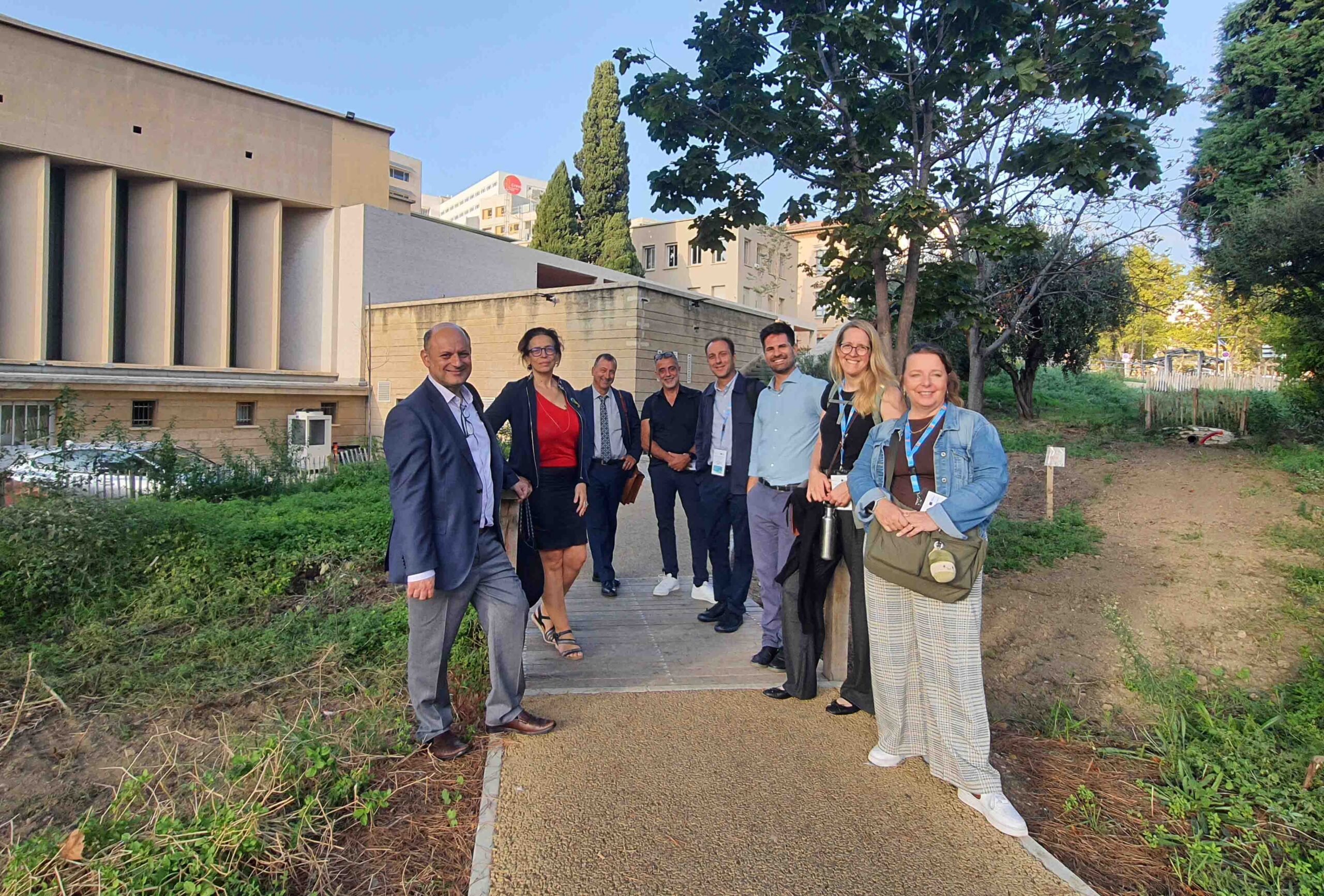
Exploring Nature-based Solutions in Marseille: visits to DEMO 5
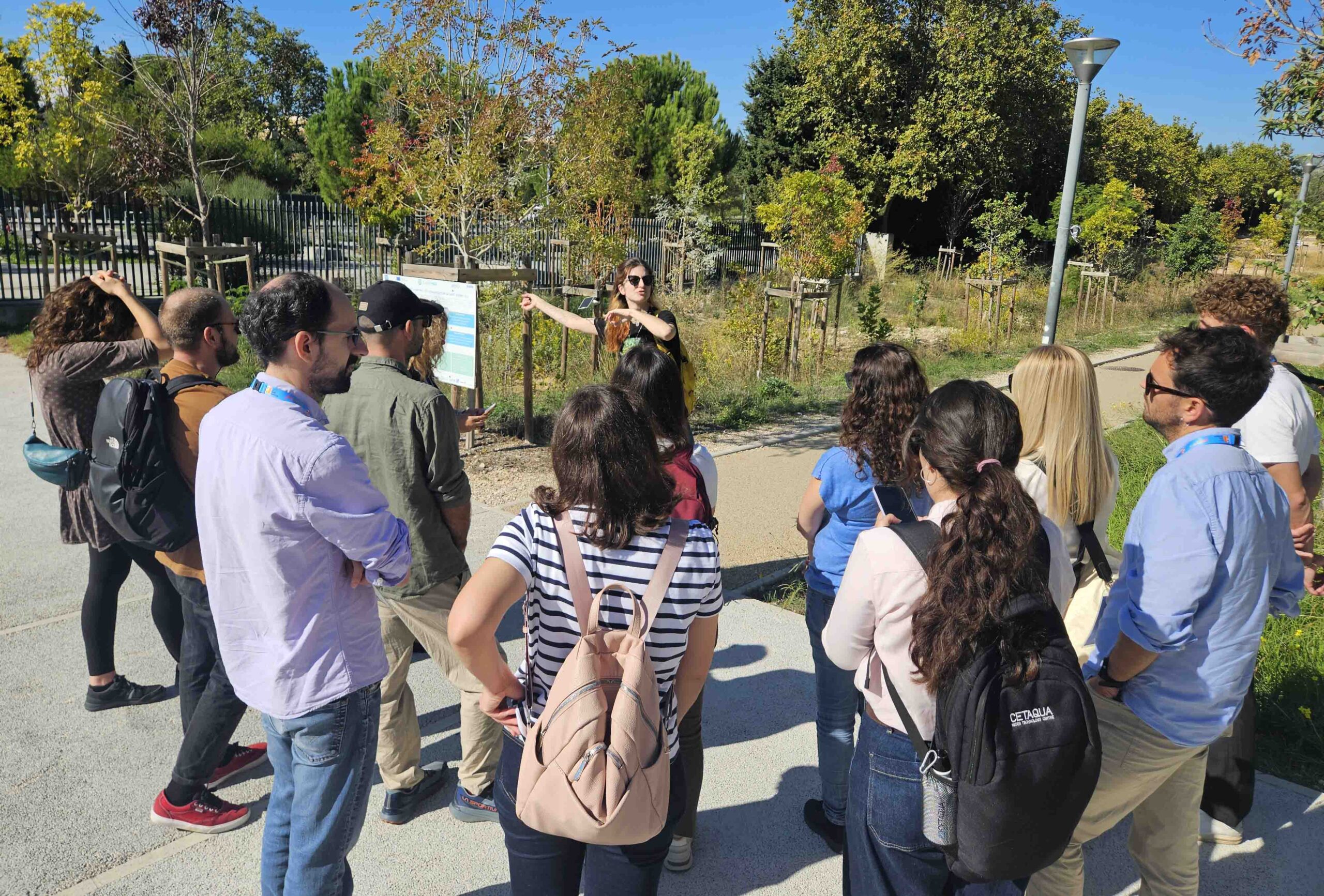
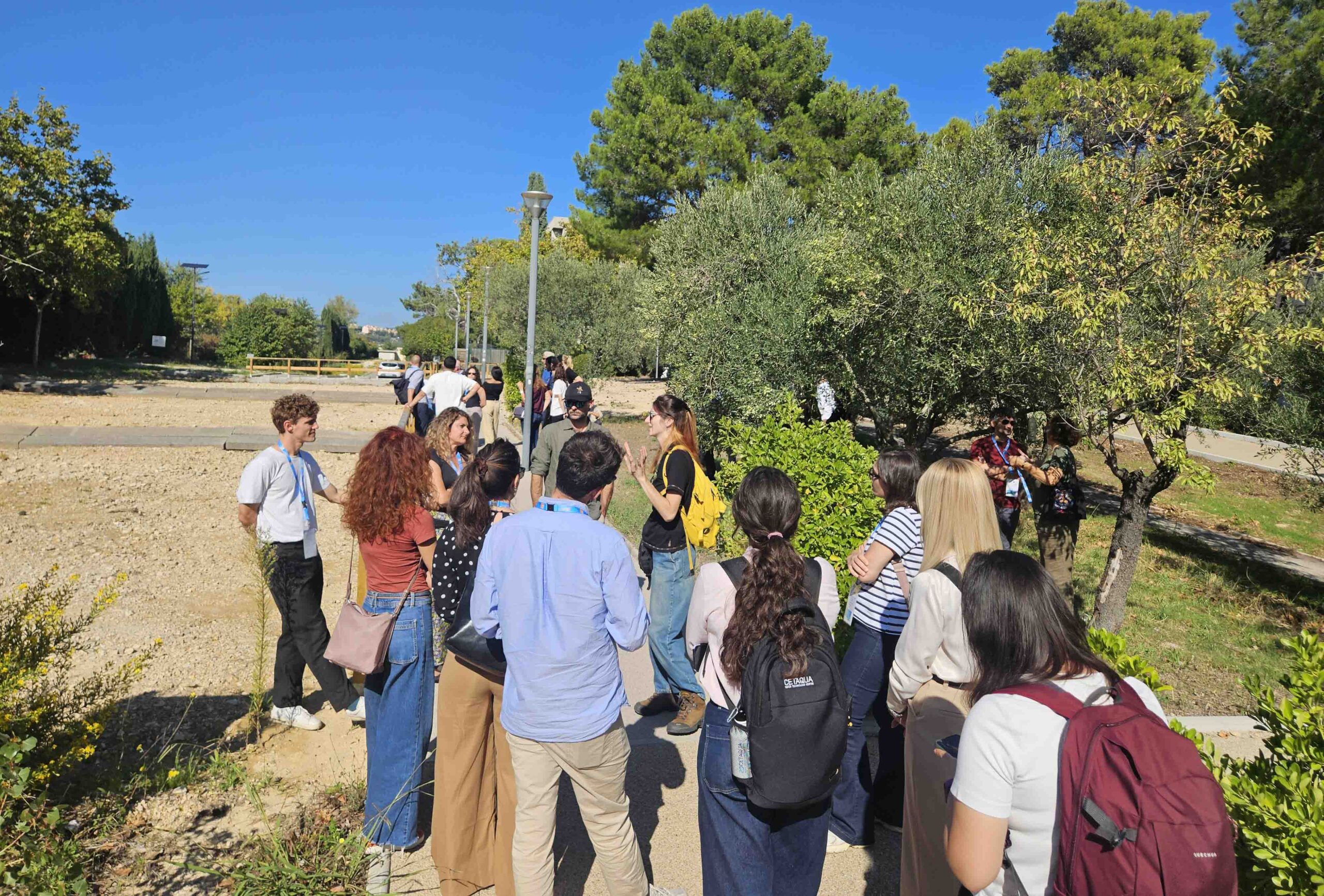
Participants had the opportunity to visit CARDIMED DEMO 5 at Aix-Marseille University’s Saint-Jérôme campus, where Nature-based Solutions are being implemented to address urban heat, stormwater runoff and soil sealing.
The interventions include soil unsealing, porous surfaces, terracing and an urban micro-forest with bioswales to improve rainwater infiltration, reduce runoff and enhance biodiversity. Together with the interventions at Saint-Charles campus, CARDIMED DEMO 5 involves nearly 10,000 m² of soil unsealing, contributing to more climate-resilient urban environments.
The visit provided valuable insights into the practical challenges of NbS implementation. With the Saint-Jérôme site now completed, partners discussed lessons learned from the construction process, including the importance of considering multiple uses of urban spaces during the design phase and ensuring adequate technical expertise among contractors.
Participants also met researchers responsible for monitoring geology, soil fauna, plant biodiversity and hydrology, gaining first-hand insights into how the interventions are being assessed and how these experiences can inform future NbS projects.
Connecting research, public authorities and businesses
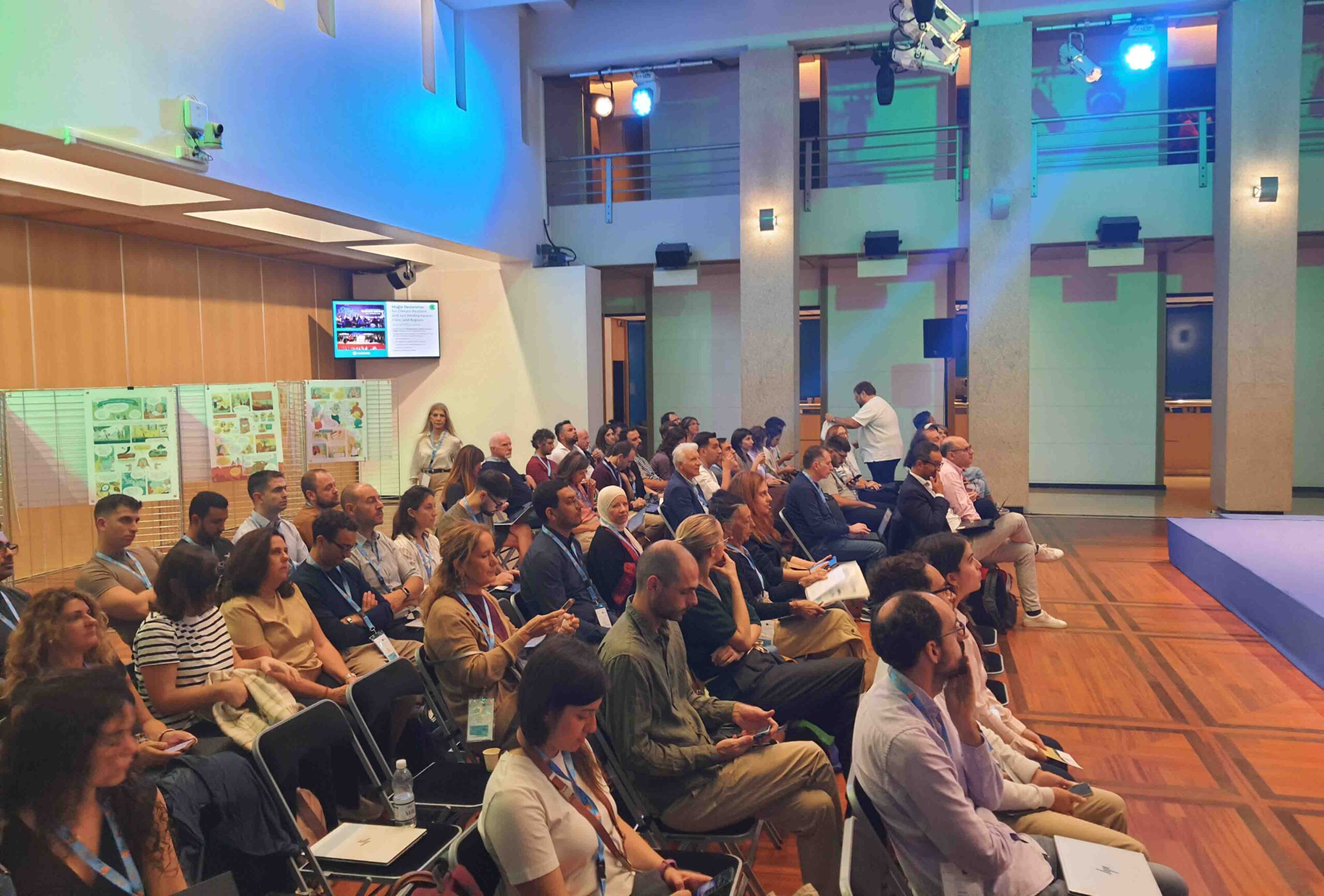
On 16 October, CARDIMED opened its discussions to a wider audience through two parallel sessions exploring the scientific, practical and economic potential of Nature-based Solutions.
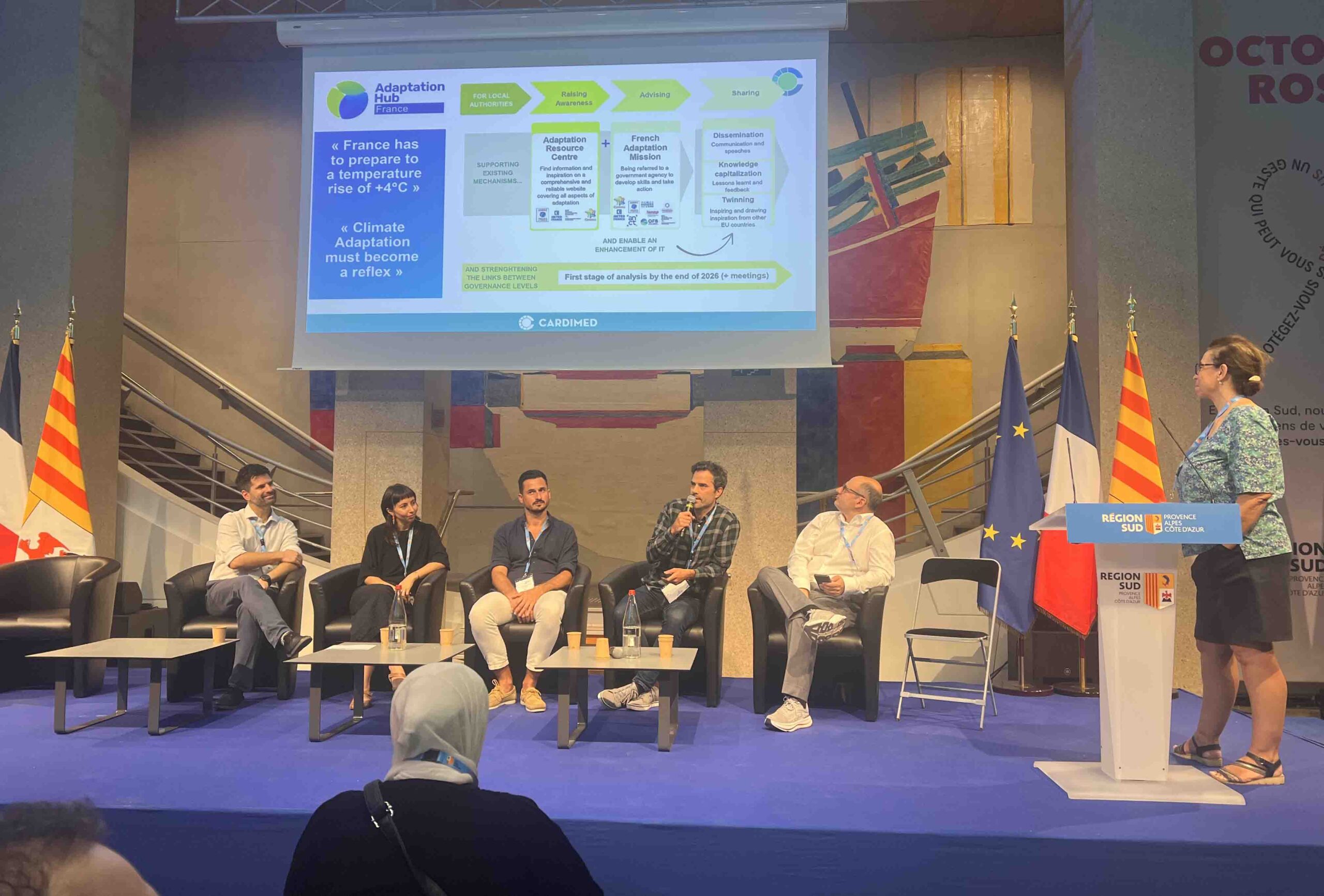
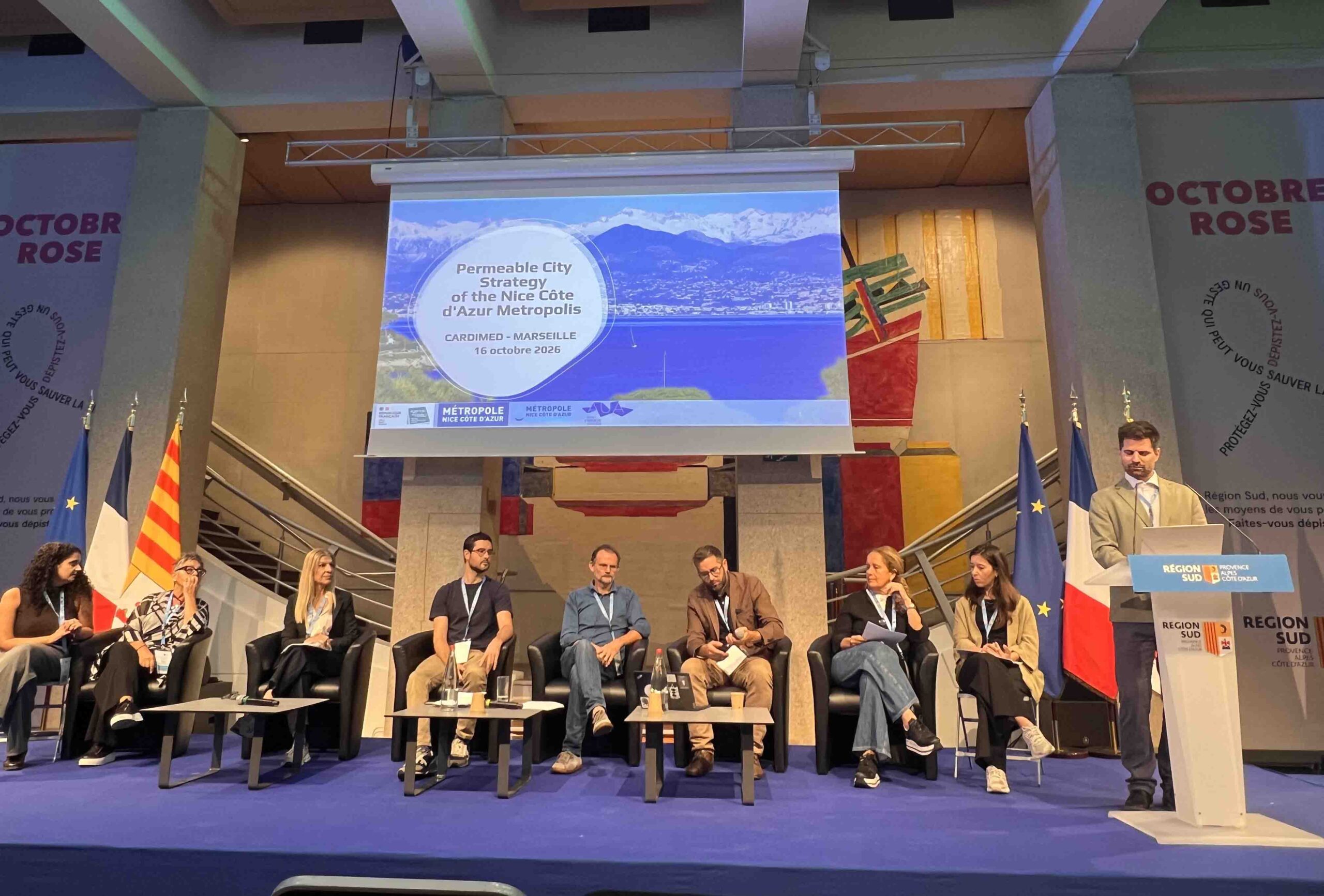
The session “Public Authorities and Businesses Involvement and Feedback on Nature-based Solutions” brought together representatives from public administrations, companies and European initiatives. Public authorities from Nice Côte d’Azur, Aix-Marseille-Provence, Catania, Alghero and the South Aegean Region exchanged experiences on urban adaptation strategies, while private-sector representatives explored opportunities for innovation and collaboration.
The programme featured NbS pitches from 12 companies and organisations, showcasing solutions across ecological engineering, biodiversity restoration, circular economy, sustainable water management and climate adaptation. Participants included La Compagnie des Forestiers, Neo-Eco, Biotope, Carbonia, Urbasense, Hydraspis, SCE, Greencityzen, SEPIA Conseils, City to Ocean, IRIDRA and SEACURE.
These contributions demonstrated the diversity of approaches available to support NbS implementation, from ecological restoration and green infrastructure monitoring to stormwater management, resource recovery and coastal protection.
The session also introduced initiatives supporting cooperation on NbS and climate adaptation, including the French NbS Hub, Greek NbS Hub and French Adaptation Hub, alongside CARDIMED’s Mediterranean Resilience Alliance. Regional networks Ea Eco Entreprise and EnvirobatBDM presented their activities supporting environmental businesses and sustainable construction, while the sister project DesirMED shared its regional initiatives, highlighting opportunities for synergies.
In parallel, the research session “Collaborating on NbS Research within CARDIMED” brought together scientists working on water management, soil restoration, urban climate, biodiversity, environmental psychology and community engagement. Discussions explored how scientific findings can support knowledge transfer and generate exploitable results.
The Marseille meeting highlighted CARDIMED’s transition from implementing Nature-based Solutions towards monitoring their performance, sharing evidence and supporting their wider adoption. Over the coming months, partners will focus on completing the remaining interventions, advancing impact assessments, finalising digital tools and strengthening replication and exploitation activities to contribute to lasting climate resilience across the Mediterranean.