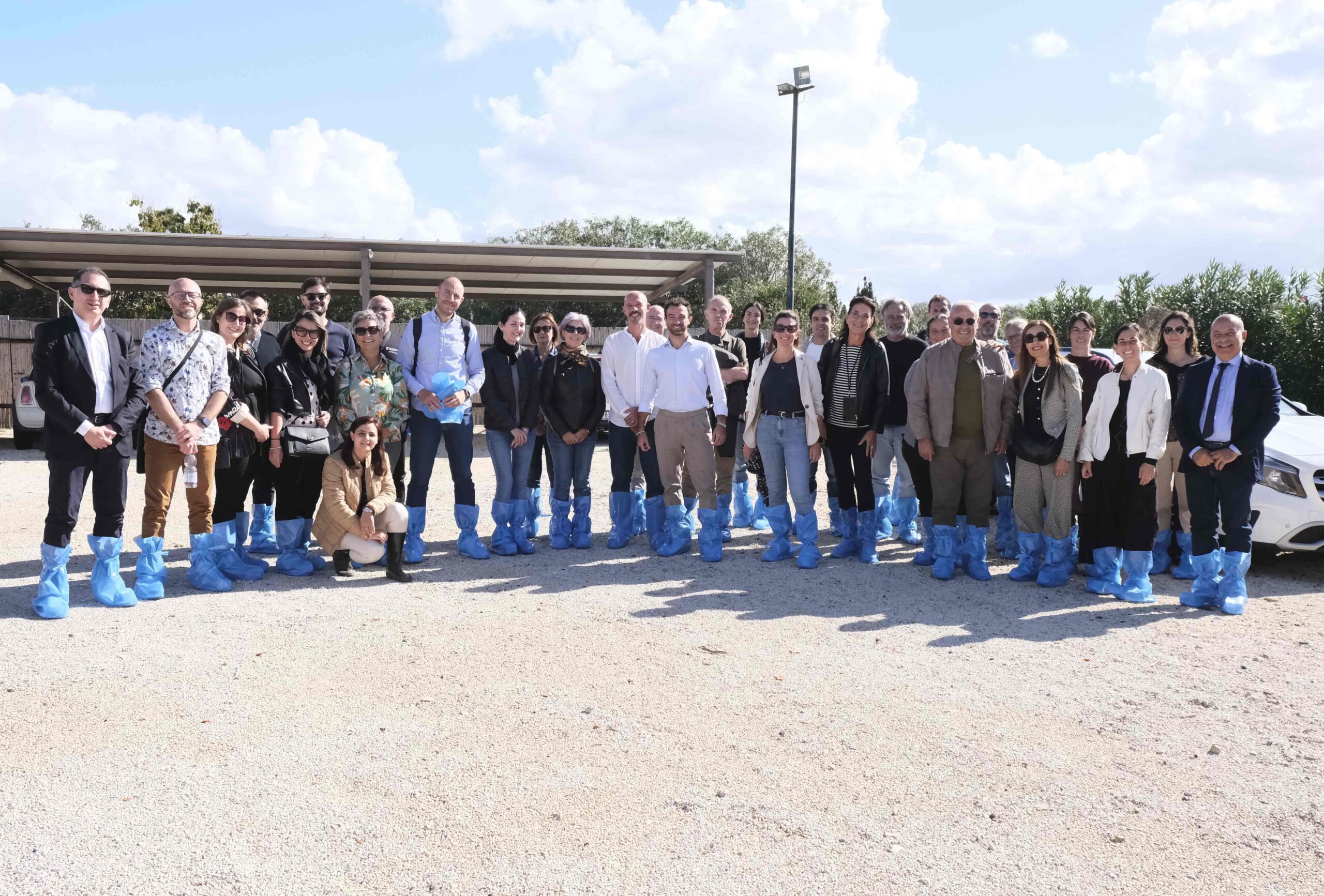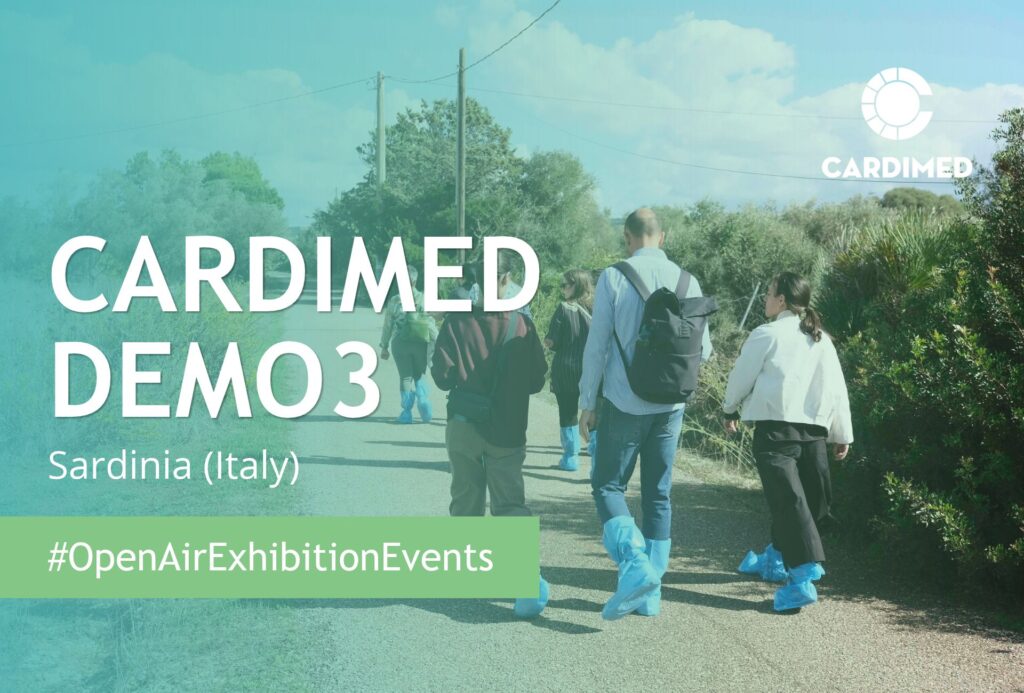
As part of the CARDIMED Open-Air Exhibition Events organised across the project’s demonstration sites, the Università Politecnica delle Marche (UNIVPM), together with the University of Bologna (UNIBO) and the Municipality of Alghero, organised an Open-Air Exhibition on October 21st, 2026, in Alghero, Sardinia (Italy), at CARDIMED DEMO3.
The initiative brought together local stakeholders and community members to showcase the progress of the demonstration site and promote dialogue on innovative water reuse strategies, Nature-based Solutions (NbS), and sustainable agricultural practices. The event highlighted the importance of alternative water resources in addressing water scarcity and strengthening climate resilience in Mediterranean regions.
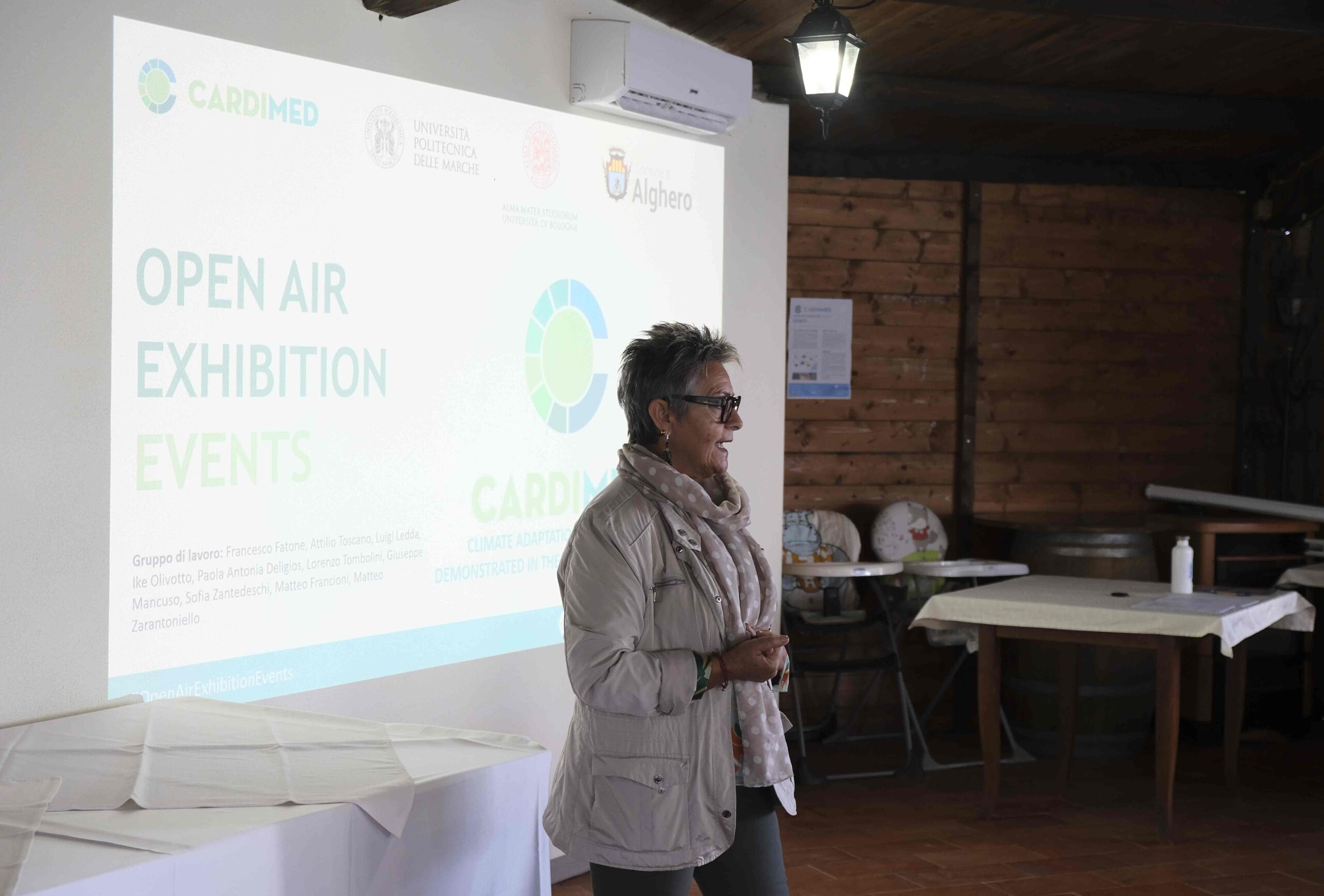
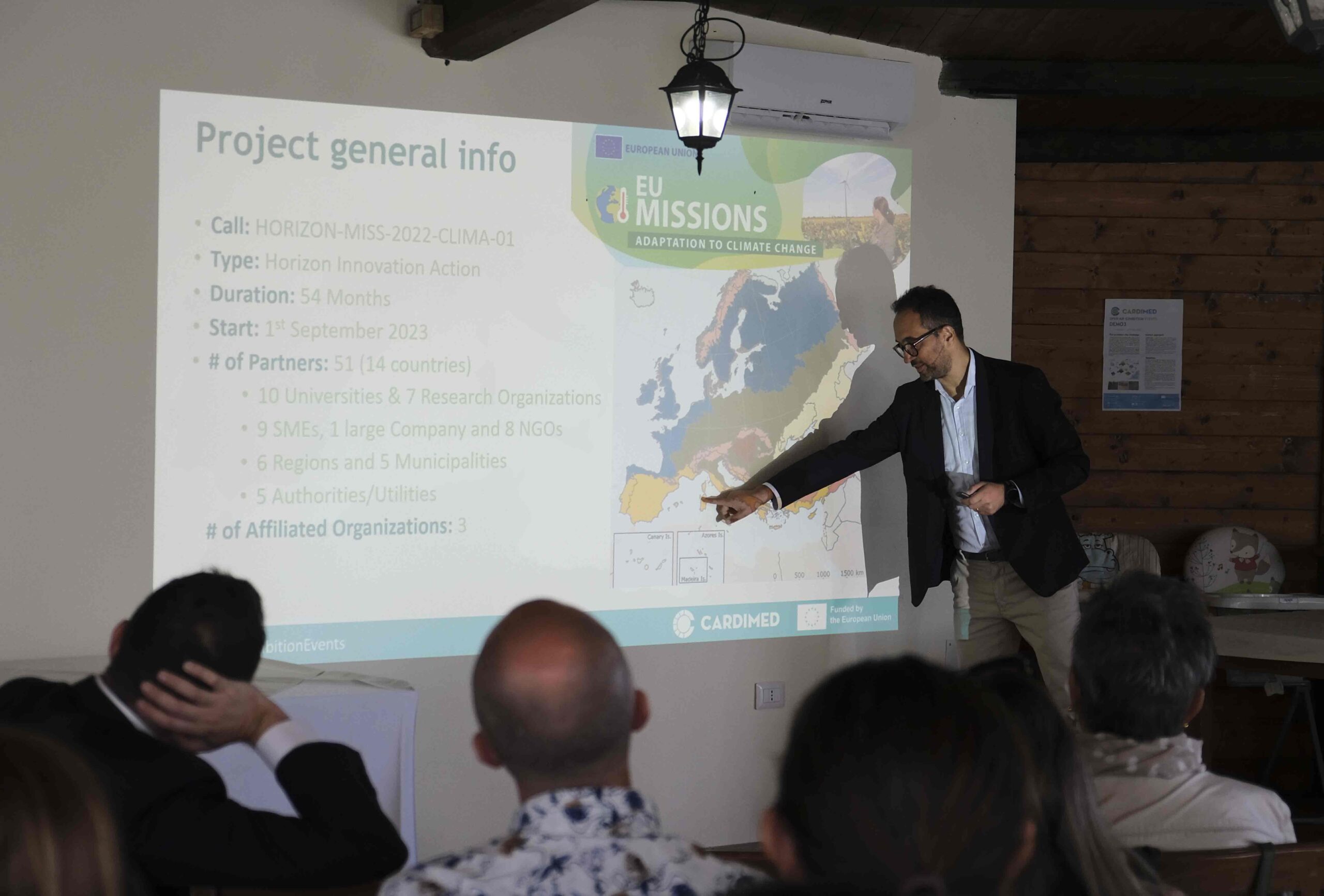
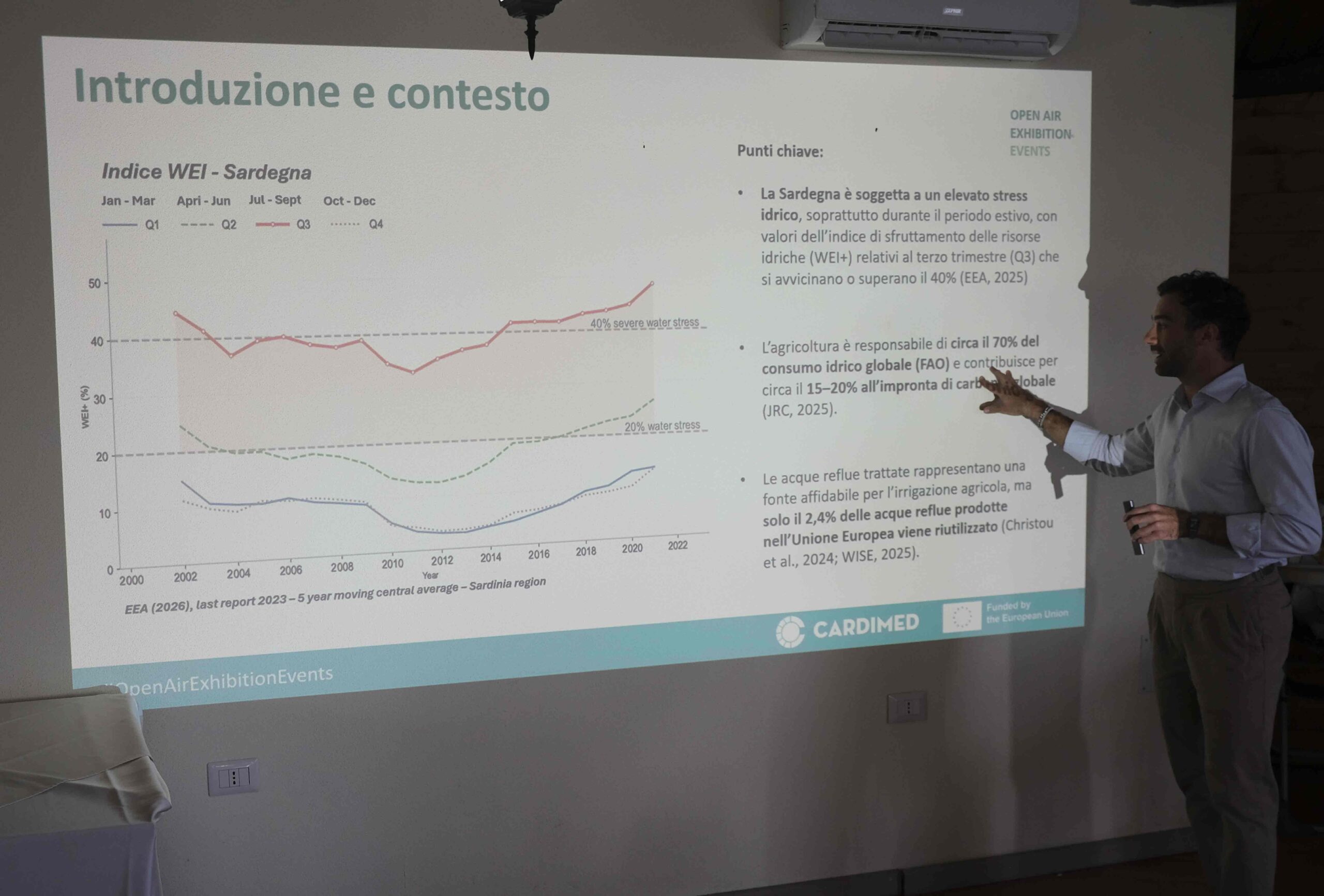
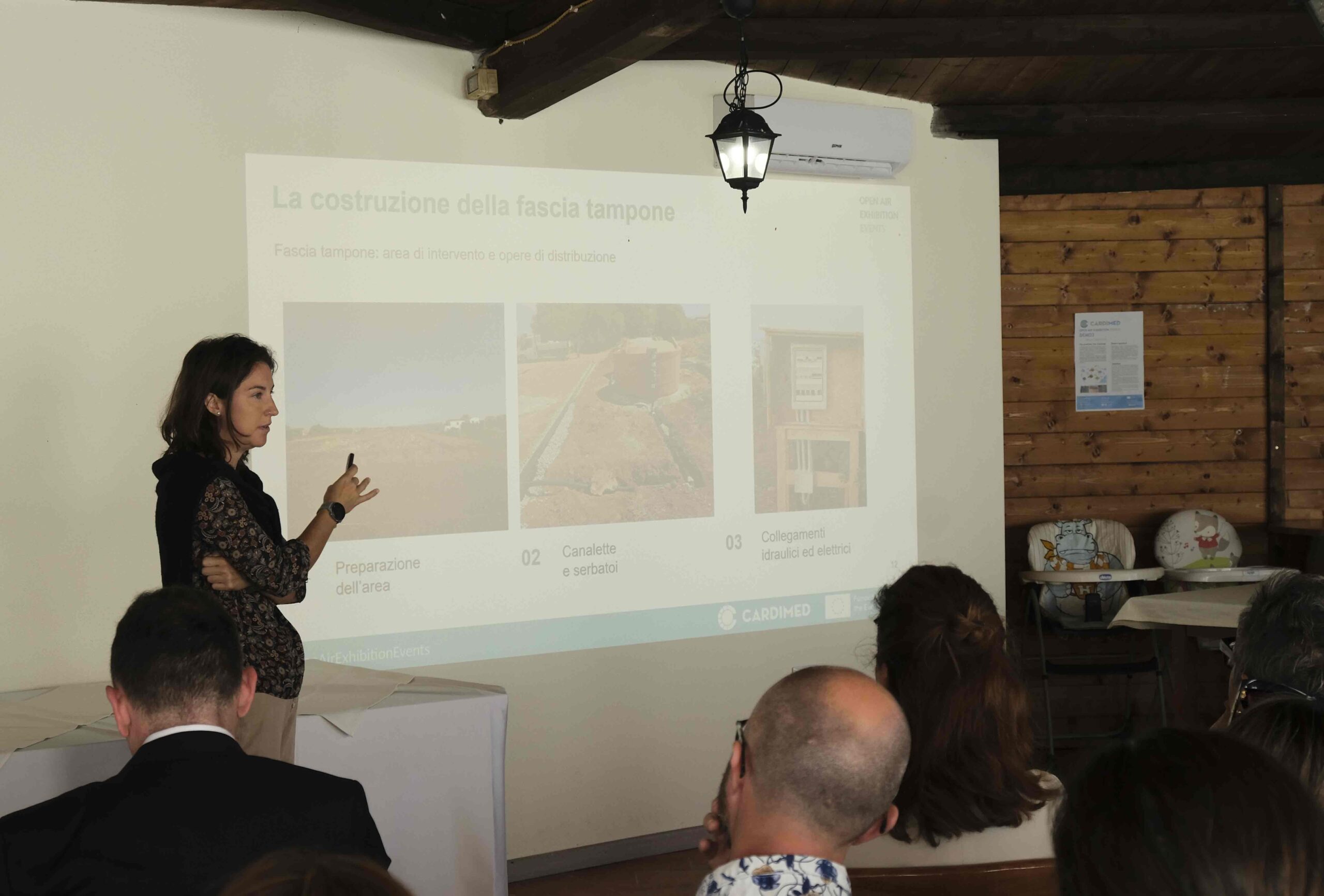
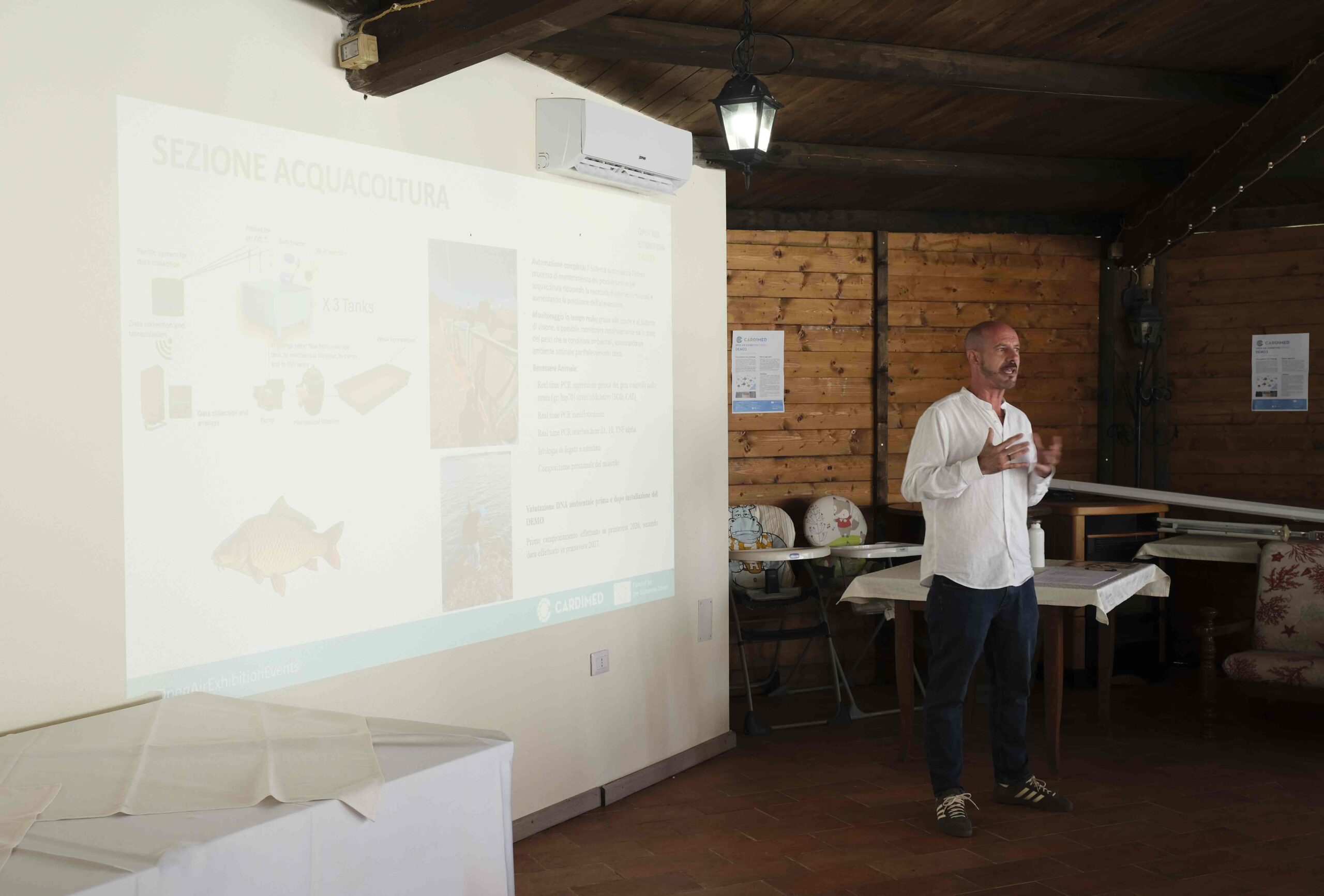
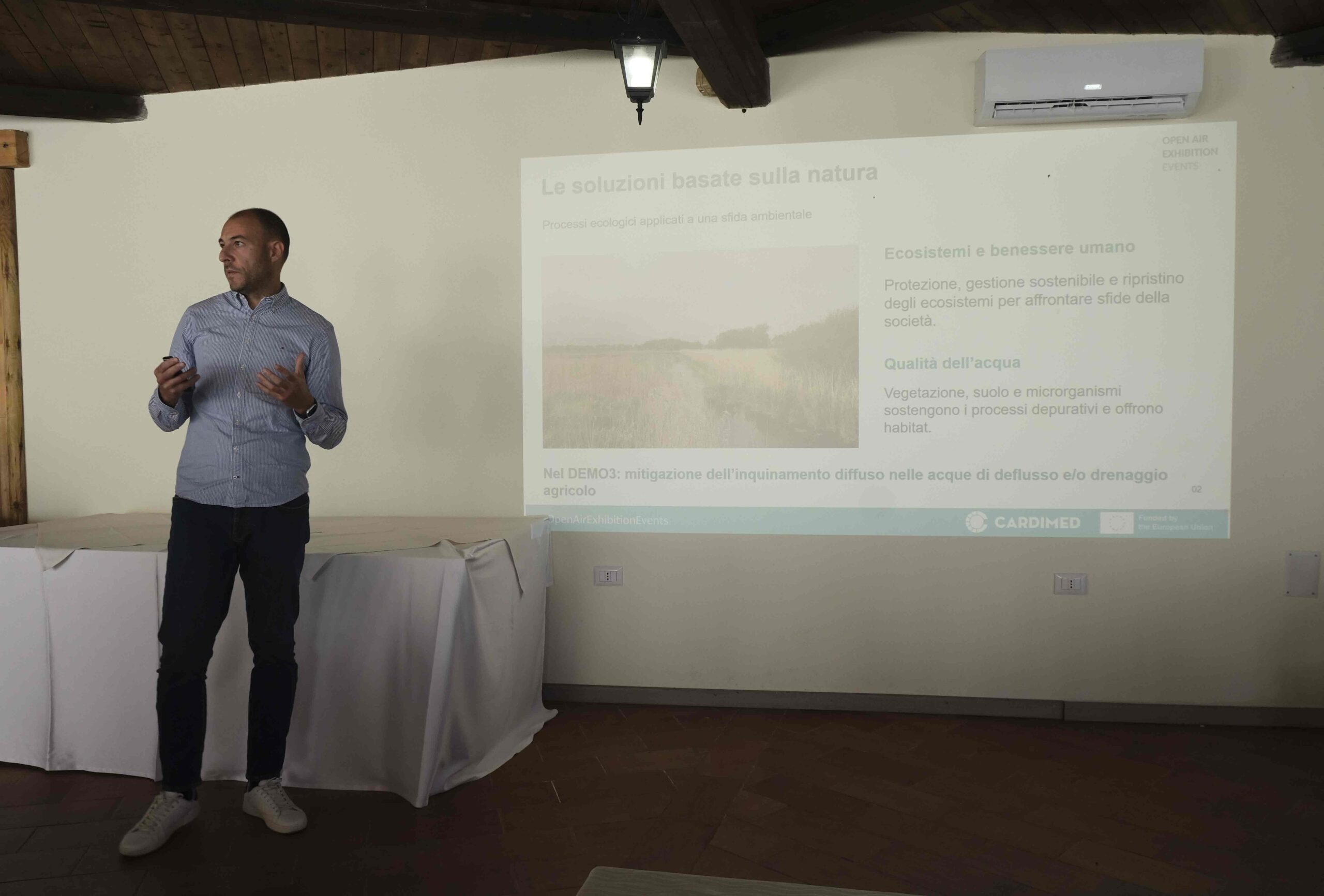
The day began with an introductory session dedicated to the CARDIMED project and its objectives, followed by a presentation of the Sardinian demonstrator. The project team illustrated the innovative solutions being implemented at DEMO3, including advanced water treatment technologies, Nature-based Solutions, renewable energy integration, and sustainable agricultural practices, highlighting their contribution to safe agricultural water reuse.
The presentations encouraged an open exchange of views on the different units of the demonstrator, allowing participants to discuss their potential benefits and practical applications. To further engage the audience, an interactive quiz game was organised at the end of the presentations, challenging participants to answer questions related to the technologies and solutions implemented at DEMO3.
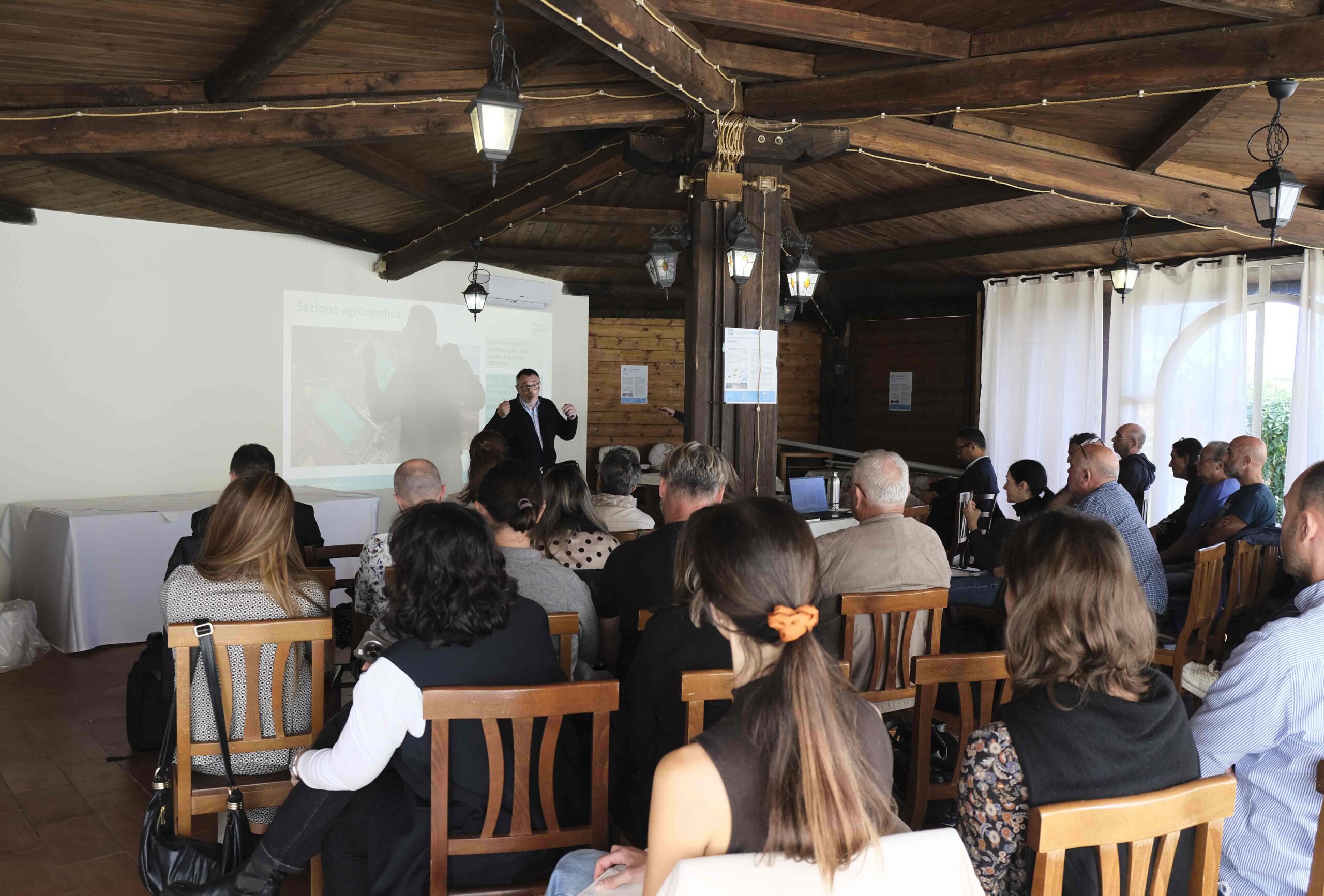
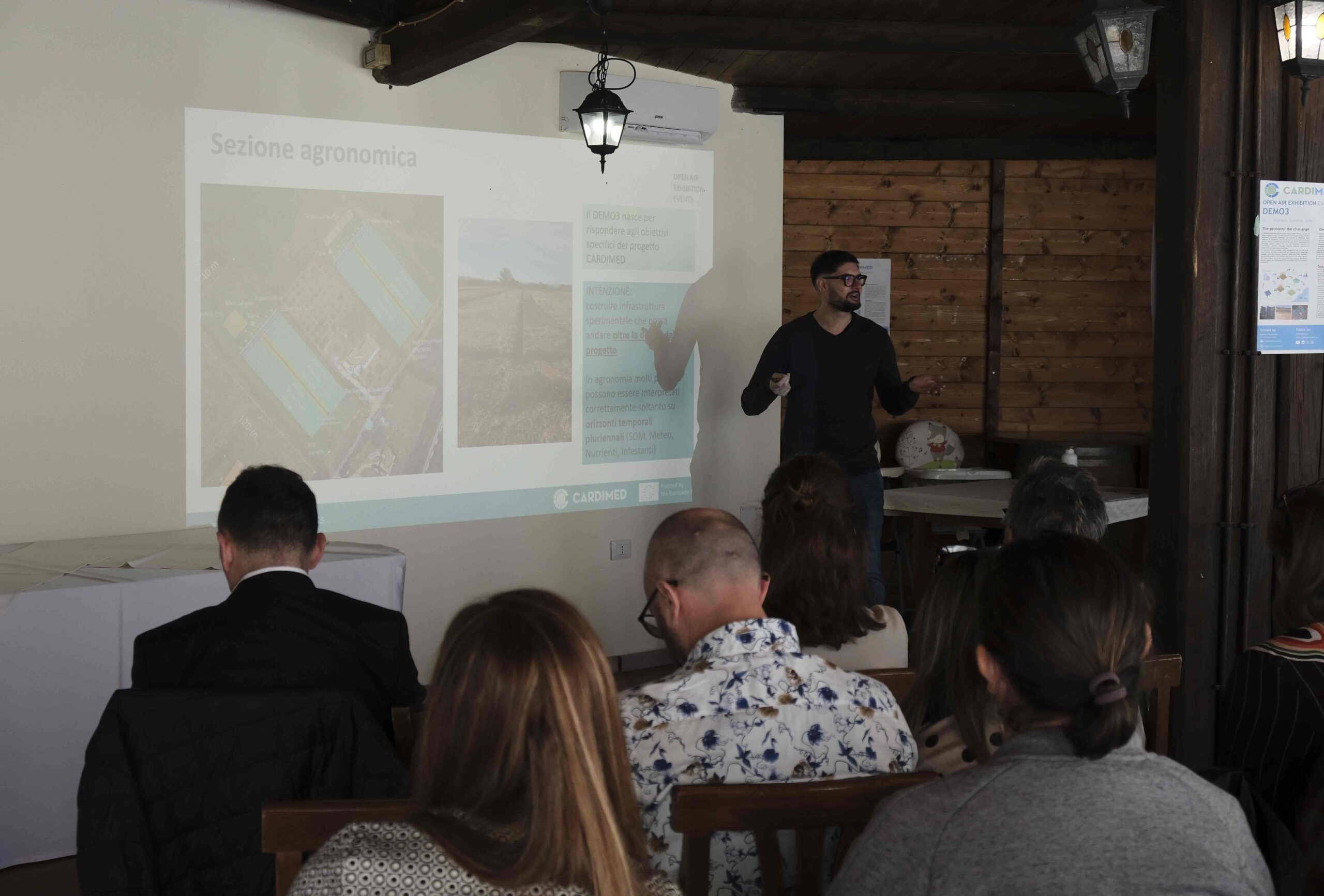
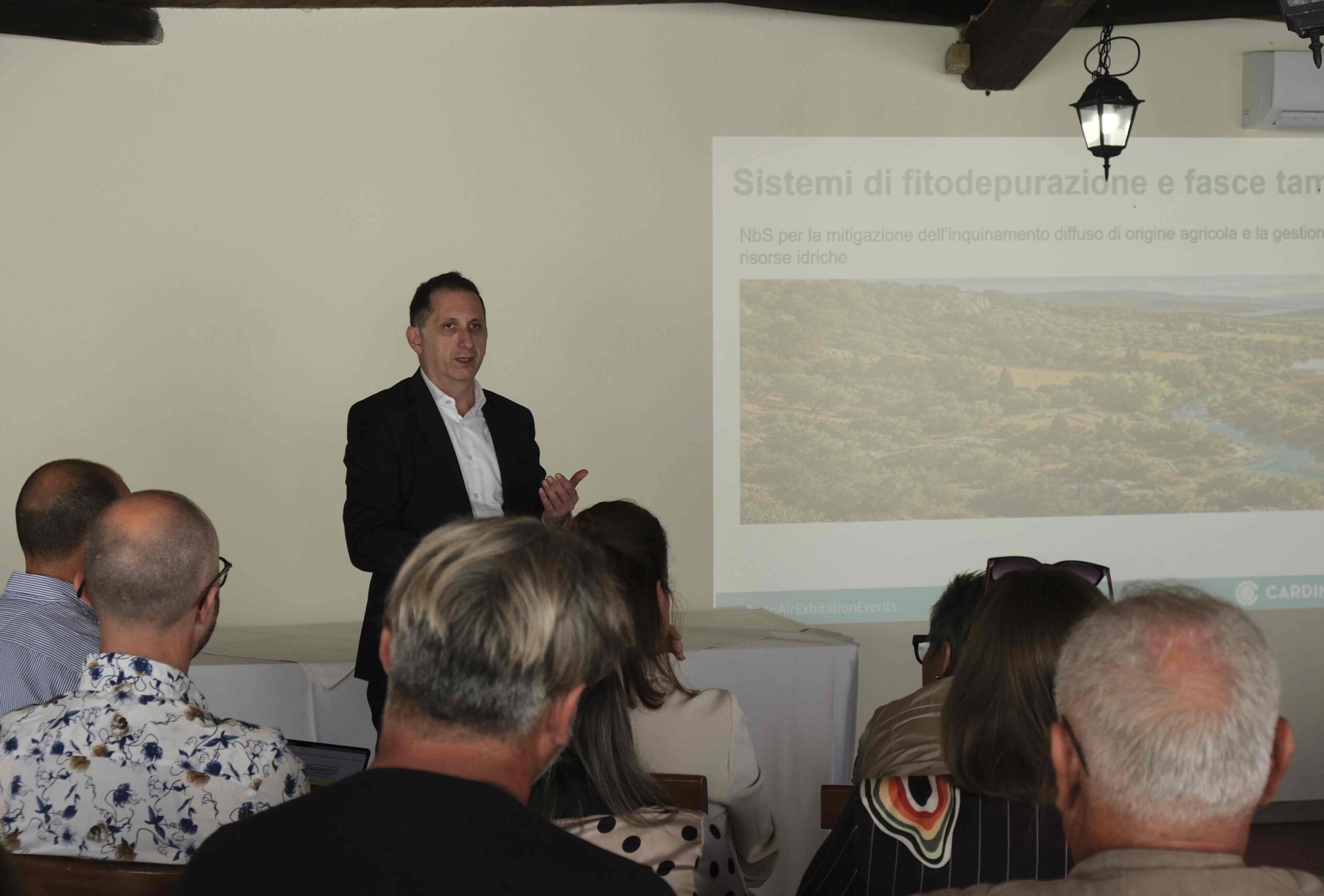
Before the field visit, participants enjoyed a coffee break, providing an informal opportunity for networking and exchanging ideas among researchers, project partners, and local stakeholders.
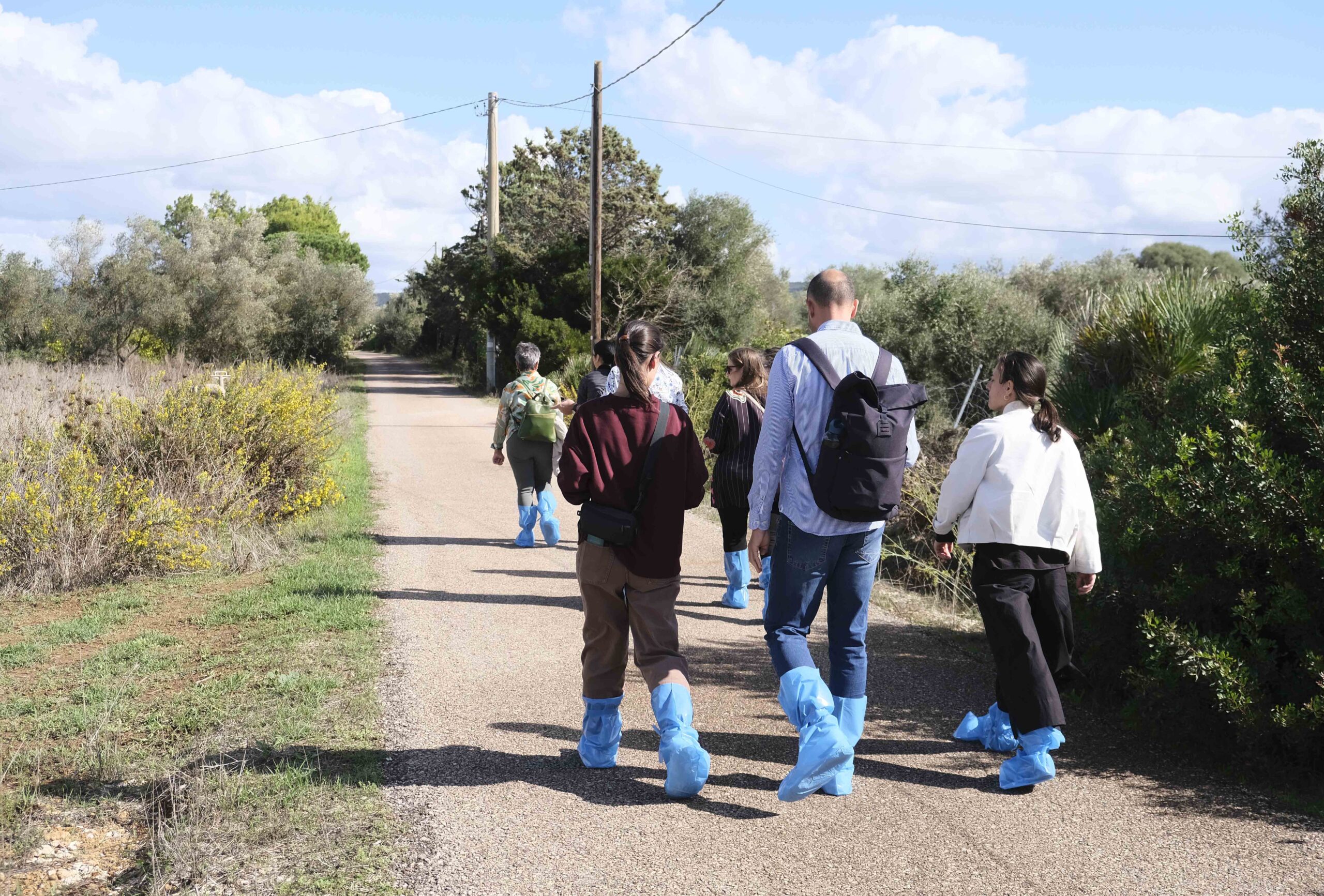
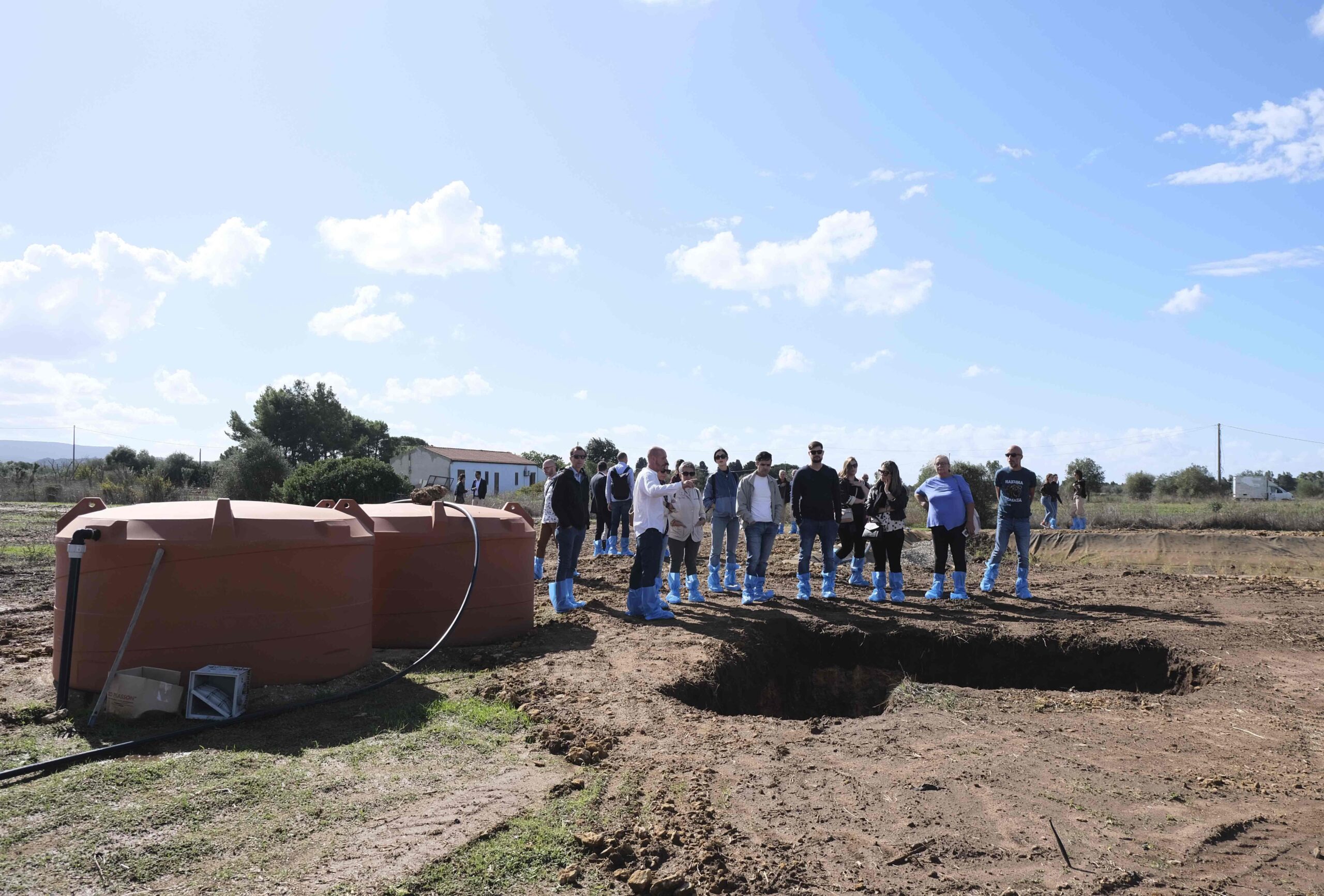
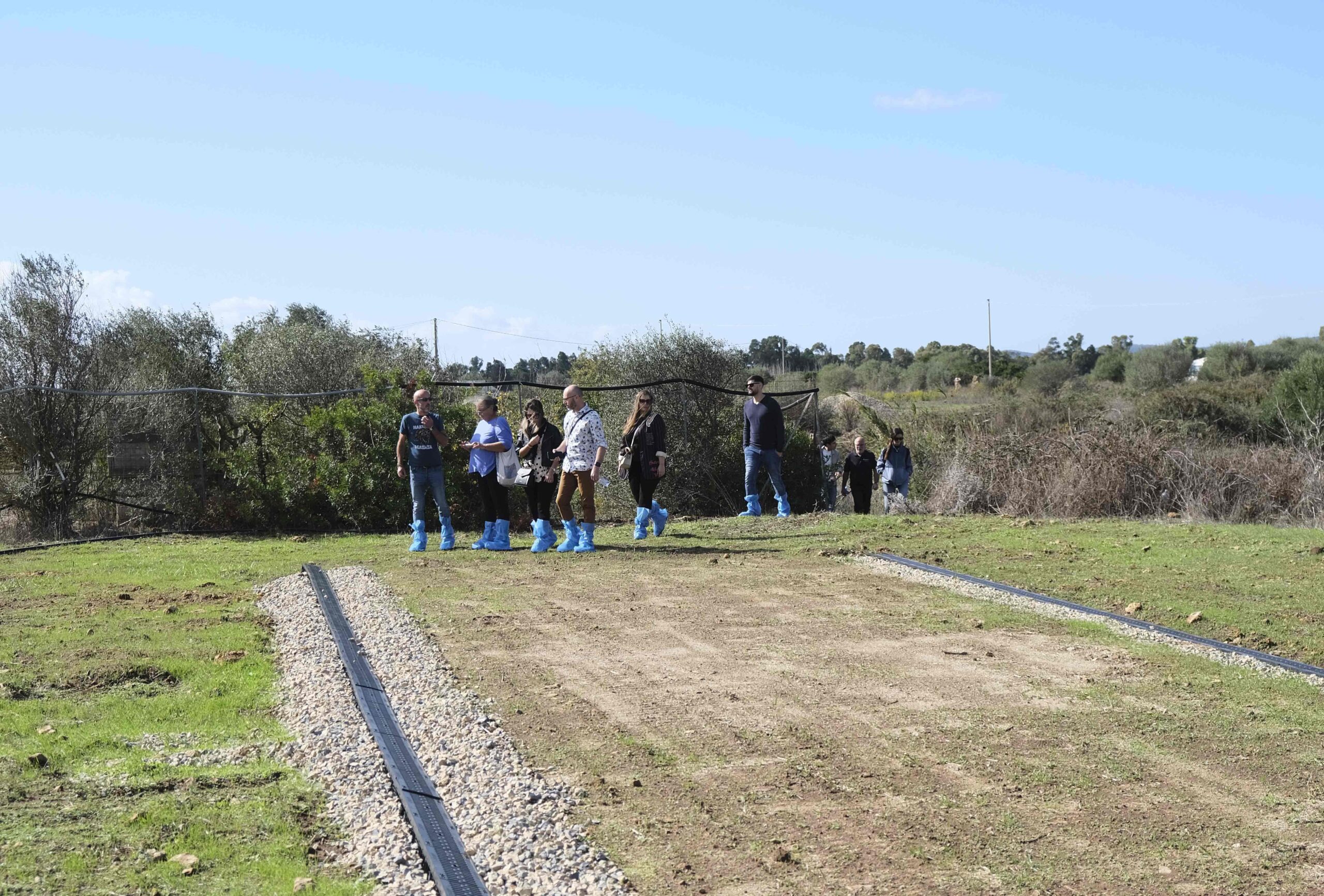
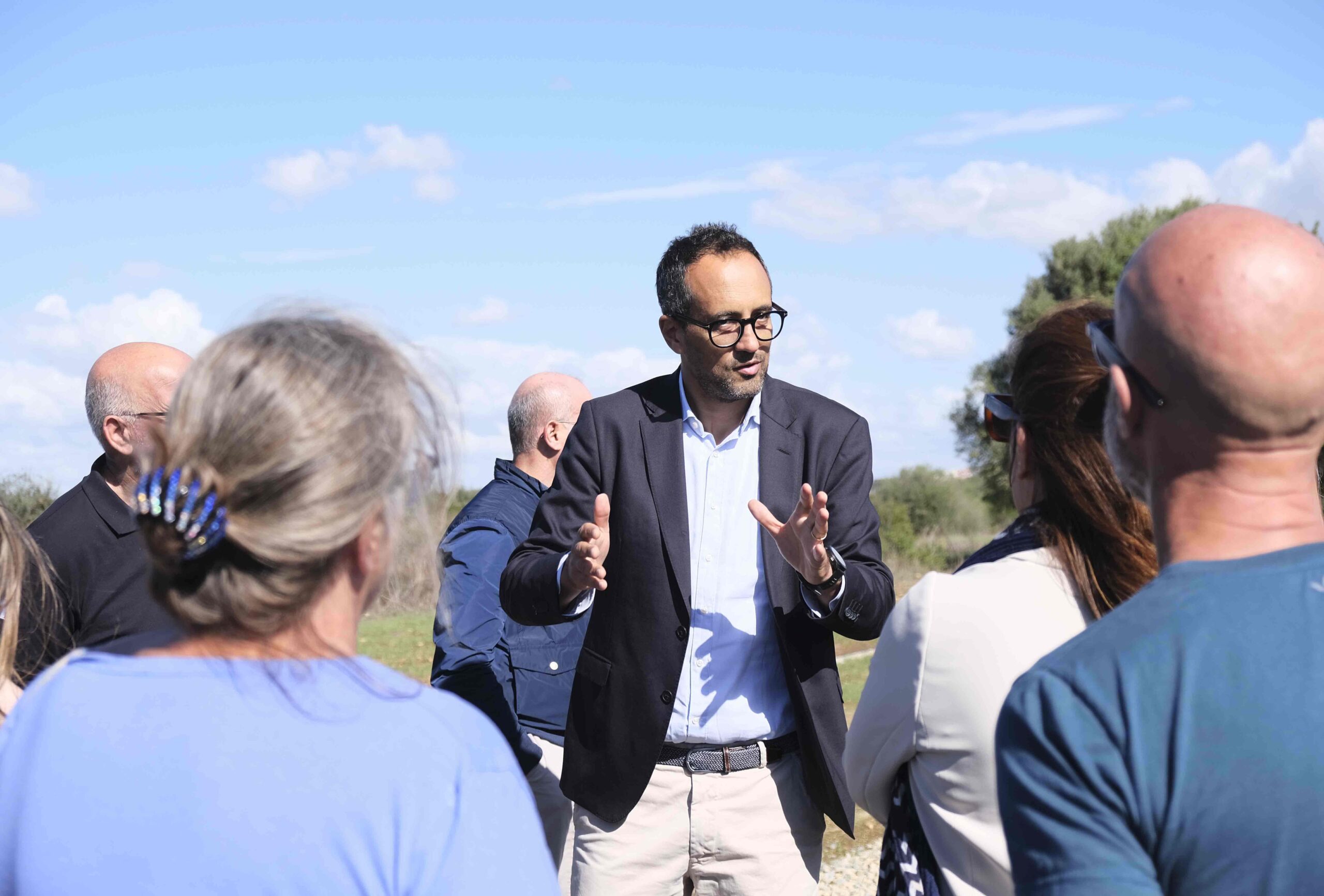
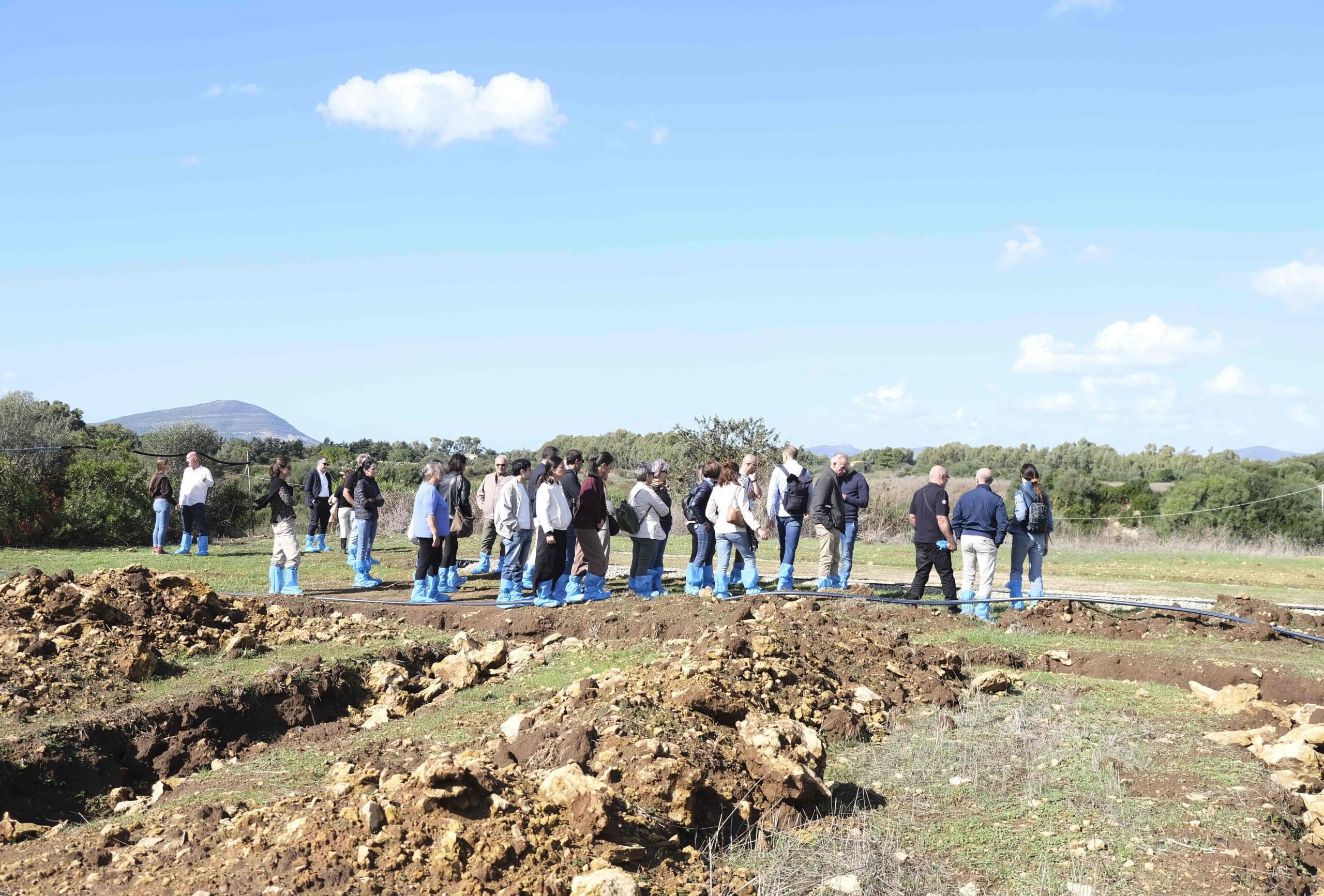
Following the coffee break, participants joined a guided visit to the DEMO3 experimental area, located near the San Marco wastewater treatment plant in Alghero. During the tour, the project team presented the technologies already implemented and those still under development, including advanced water treatment processes, constructed wetlands, riparian buffers, and sustainable agricultural solutions. Researchers also explained the expected environmental benefits and the importance of monitoring the performance of these interventions over time.
One of the most encouraging outcomes was the strong interest expressed by local farmers, who showed enthusiasm for the project’s development and its potential benefits for agricultural activities. Their participation highlighted the relevance of CARDIMED to the local community and the importance of involving stakeholders throughout the demonstration process.
The event concluded with a networking lunch offered by the project partners, providing an additional opportunity to exchange perspectives, discuss the day’s activities, and strengthen connections between the scientific community and local stakeholders.
By combining scientific presentations, interactive activities, networking opportunities, and a guided field visit, the CARDIMED Open-Air Exhibition in Alghero highlighted the importance of community engagement in supporting the implementation and long-term acceptance of innovative water management solutions.
Through initiatives such as these, CARDIMED continues to promote the integration of technological innovation, Nature-based Solutions, and community participation to address water scarcity and support more sustainable and climate-resilient agricultural systems across Mediterranean regions.