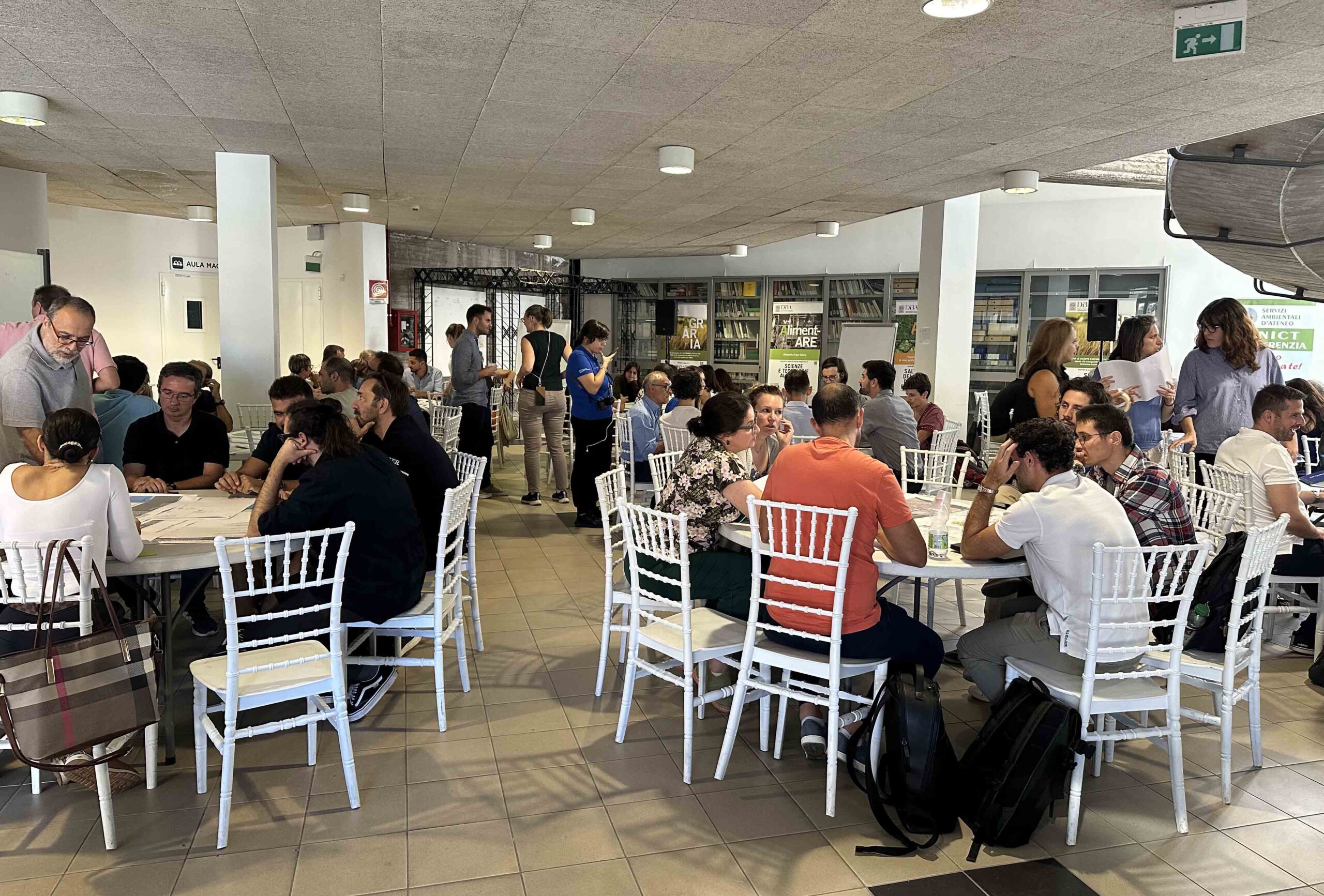
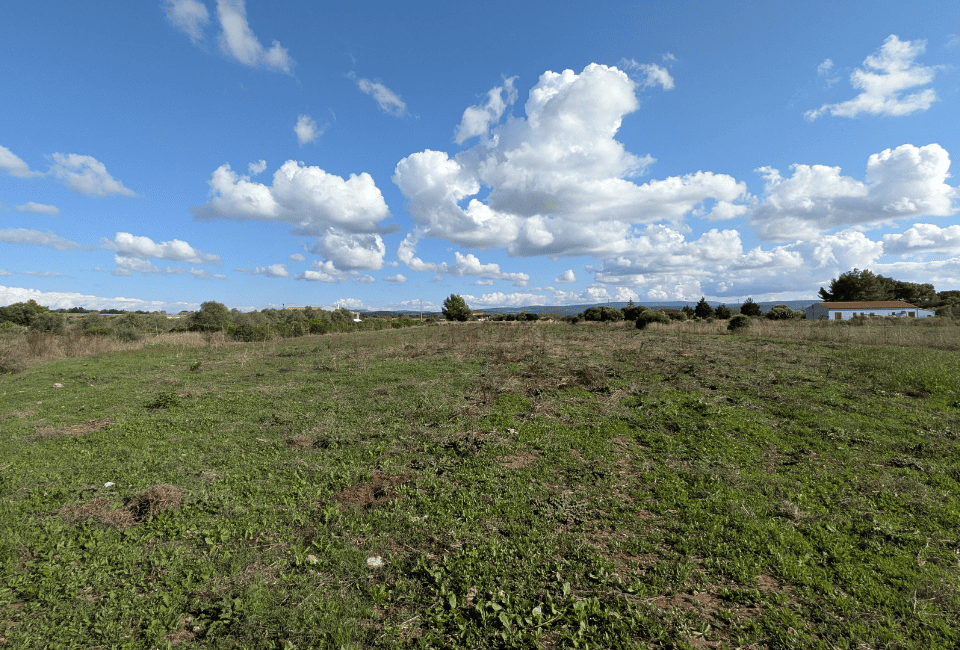
The team at Utrecht University is contributing to CARDIMED by studying the institutions and examining the policies that support urban nature in the Mediterranean. This work includes an investigation of barriers, knowledge systems, innovations and strategies for accelerating the uptake of nature-based solutions in different countries. Understanding the policy landscape and barriers that could slow down the implementation of nature-based solutions is key to ensure that the CARDIMED projects can achieve their full potential.
Our work has identified persistent barriers that can prevent urban experimentation and the adoption of nature-based solutions, such as reduced willingness to invest in nature due to conflicting regulations and lack of communication between relevant institutions. In response to these barriers, it is important to align existing policies and processes to consider the specificities of nature-based solutions, including their scale, timeframe and resource requirements (Hölscher et al., 2023). The demo sites in CARDIMED provide us with a unique opportunity to explore how policy coherence, cross sectoral collaborations and connections to local communities can be leveraged to overcome these barriers.
The implementation of nature-based solutions must be premised on the understanding that all voices and knowledge systems, particularly indigenous and traditional knowledge, must be heard and taken into consideration (Wolff et al., 2022). Accounting for the different voices in the city is not only important from a justice perspective but also as a strategy to improve communication and foster innovation. Fair governance models should embrace different visions of nature in the city and strengthen existing initiatives championing urban nature, particularly responding to the needs of historically marginalized neighbourhoods.
We argue that when people are able to collectively decide on the future of nature in the city, new platforms for debate and opportunities for cross-sectoral collaboration emerge. These collaborations can lead to new partnerships, such as between governments and educational institutions to test new technologies or between residents and local businesses to explore ways to maintain solutions in the long term. Examples of successful initiatives show that these collaborations can play an important role advancing nature-based solutions, making our cities more resilient and sustainable (Adams et al., 2024).