Bridging Heritage and Innovation: How Sifnos Island is Using Ancient Techniques and Modern Sensors for Water Resilience
The islands of the South Aegean are no strangers to water scarcity. With low-yield aquifers, prolonged dry spells, and a massive surge in water demand during the peak summer tourist season, managing our water resources is a constant balancing act. But as we look for ways to adapt to a changing climate, we are finding that the most effective solutions sometimes lie in our past.
A recent initiative on the island of Sifnos perfectly illustrates how the South Aegean Region is tackling modern climate challenges by combining centuries-old practices with cutting-edge digital technology.
Reviving the “Xerolithies” as a Nature-Based Solution
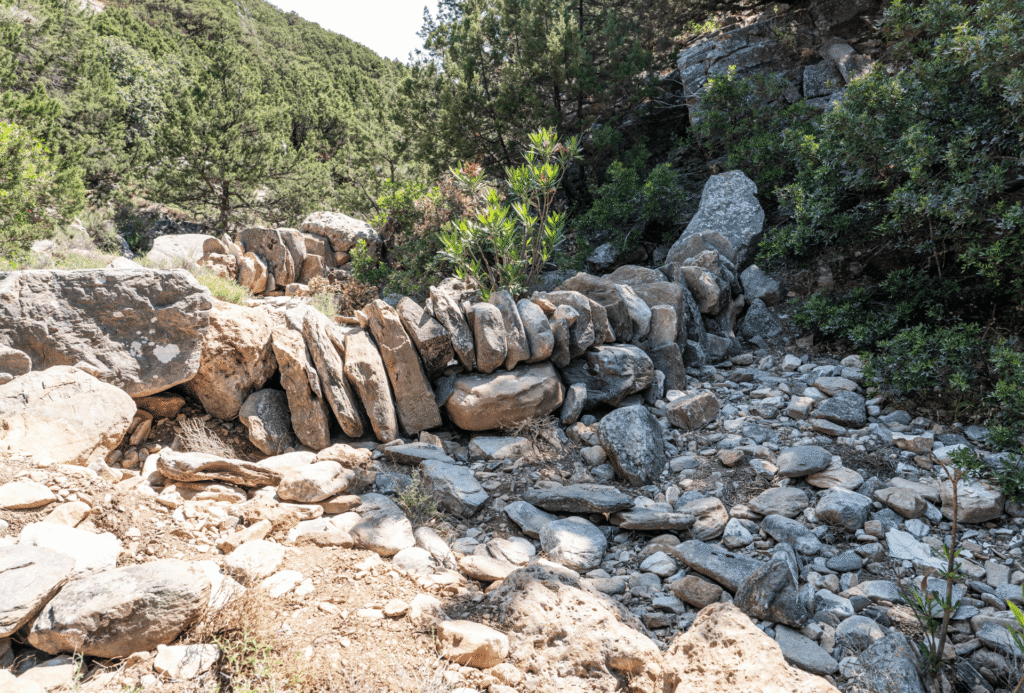
In 2025, MedINA, on behalf of the CARDIMED project, constructed a network of over 120 traditional dry-stone check dams—known locally as xerolithies—was constructed across two seasonal streams on Sifnos. For generations, dry-stone walls were the backbone of Cycladic agriculture, used to terrace steep landscapes and manage soil. Today, they have been repurposed as a targeted Nature-based Solution (NbS) for climate adaptation.
When intense, short rainstorms hit the island, the steep, dry terrain usually leads to rapid runoff. Fresh water is quickly lost to the sea, taking valuable topsoil with it and increasing the risk of flash floods. The newly built network of low-tech, decentralized stone weirs acts as a natural brake. They slow down the rushing water, allowing it to pool and slowly percolate into the earth, naturally recharging the island’s depleted groundwater aquifers.
Where Tradition Meets Digital Innovation
What elevates the Sifnos project from a simple historical revival to a forward-thinking climate strategy is the integration of digital tools.
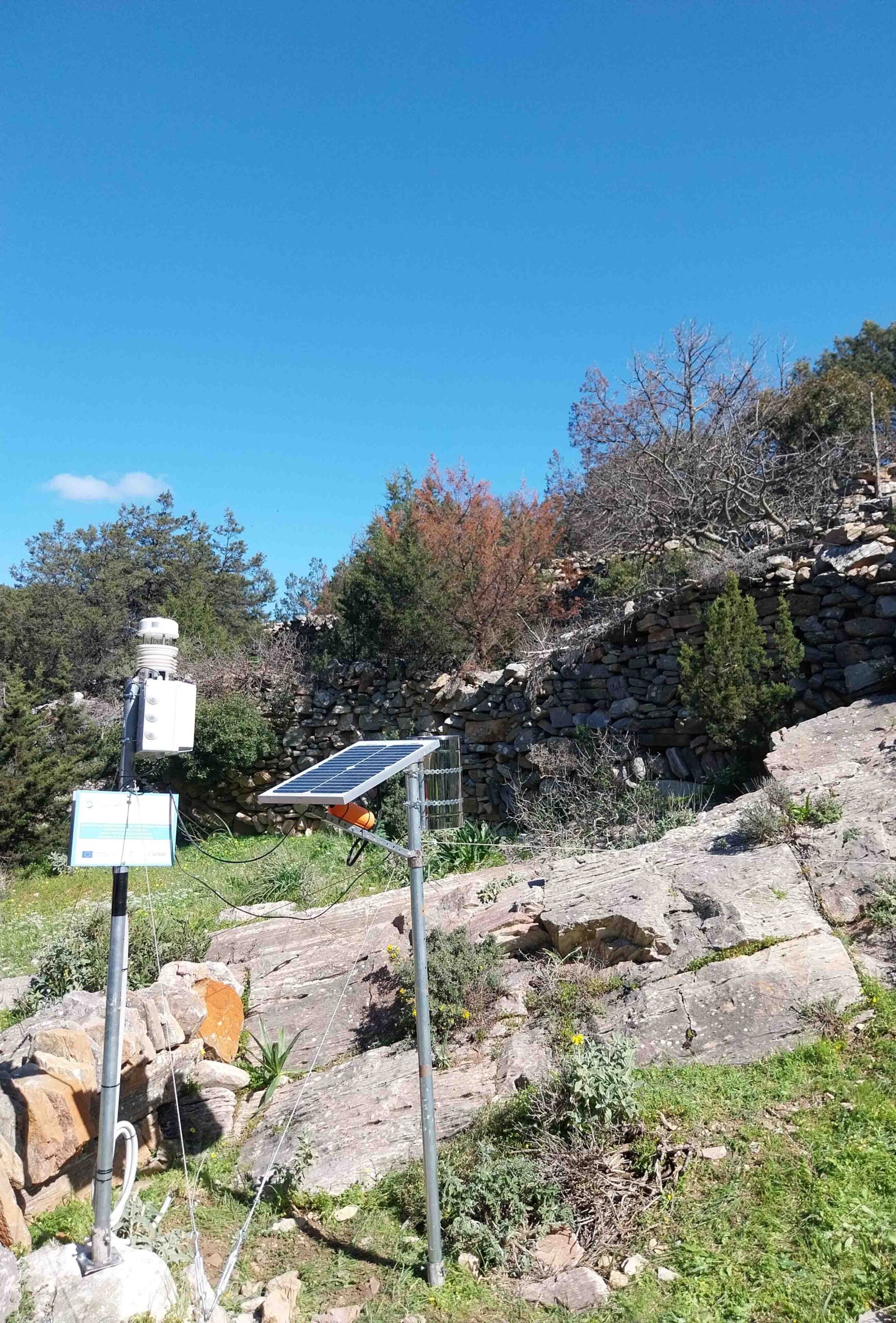
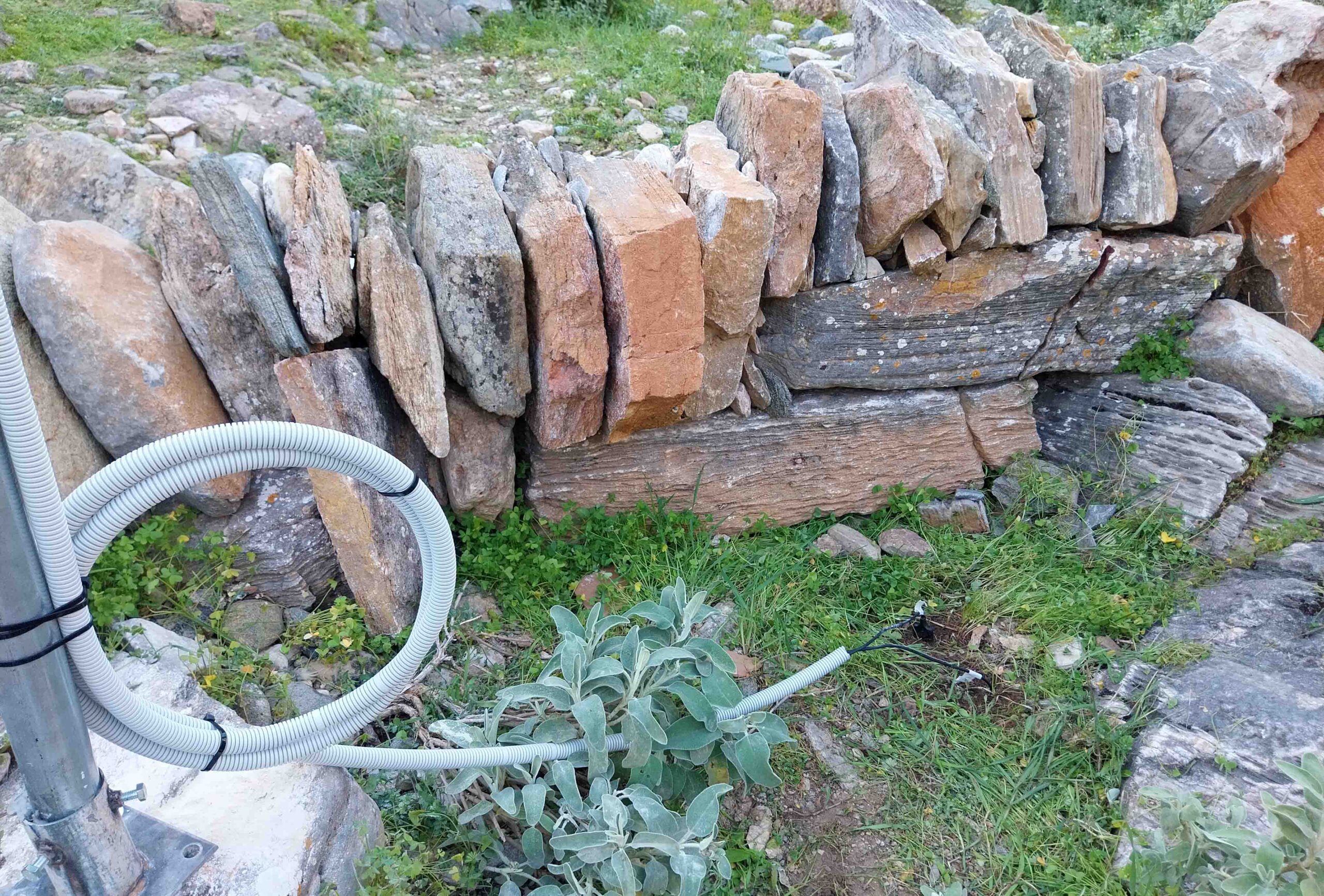
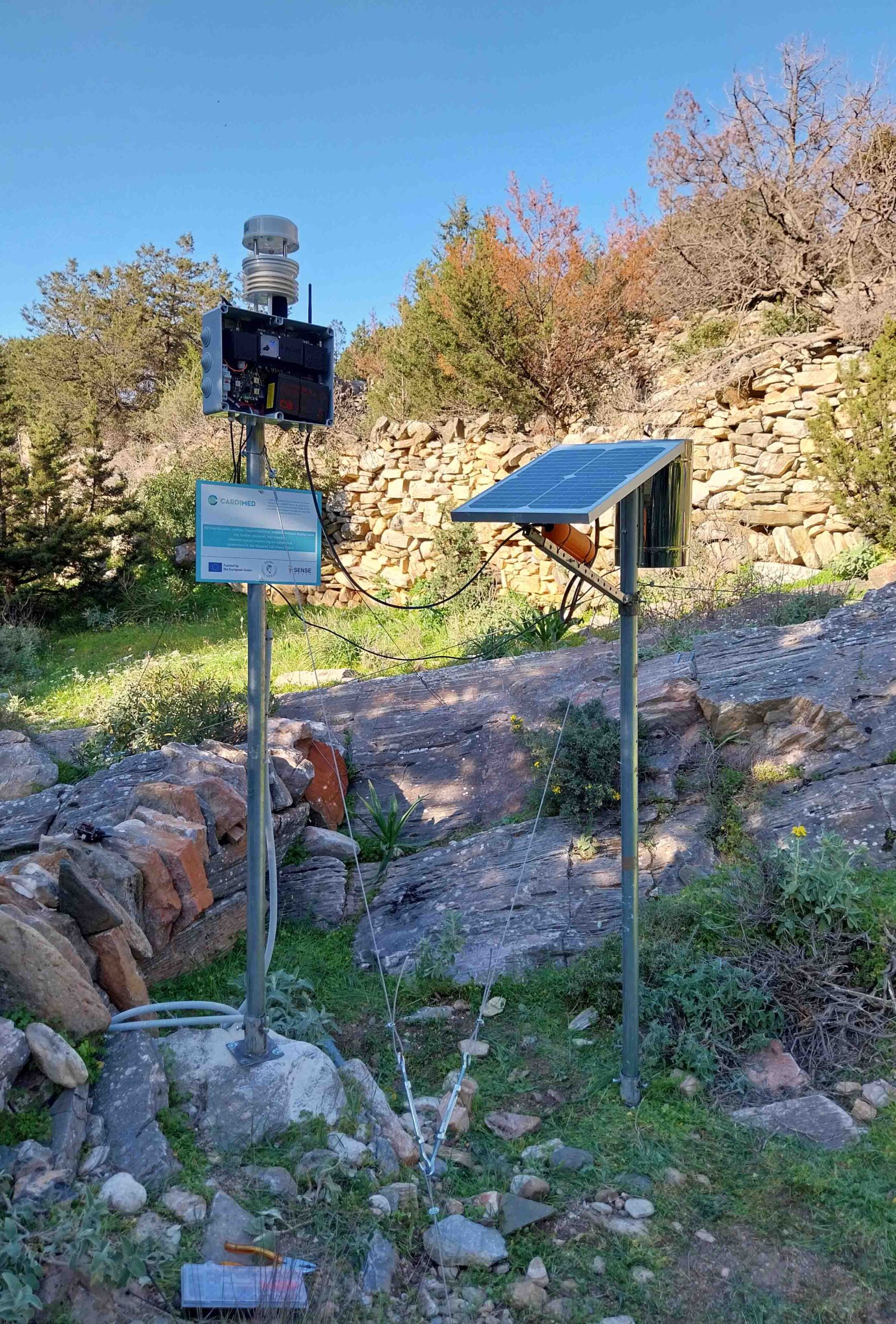
To prove the efficacy of this Nature-based Solution, the check dams have been equipped with modern water level sensors, soil moisture sensors, and a dedicated weather station. These digital tools monitor water-level fluctuations in real-time. By gathering this concrete data, local authorities and researchers can evaluate exactly how much water is being retained and how effectively the aquifers are rebounding.
A Blueprint for the South Aegean
This initiative is a textbook example of harmonizing the Water-Energy-Food-Ecosystem (WEFE) nexus in an island context. By restoring the natural water cycle, the project supports local biodiversity (Ecosystems), secures a more reliable water source for seasonal farming (Food), and reduces the island’s heavy reliance on energy-intensive desalination plants (Energy and Water).
As the South Aegean Region continues to collaborate on international initiatives like the CARDIMED project, the Sifnos check dams serve as a powerful reminder: we don’t always need massive, carbon-heavy civil engineering works to build resilience. By working with nature and empowering our traditional knowledge with modern digital insights, we can create sustainable, resilient islands for generations to come.