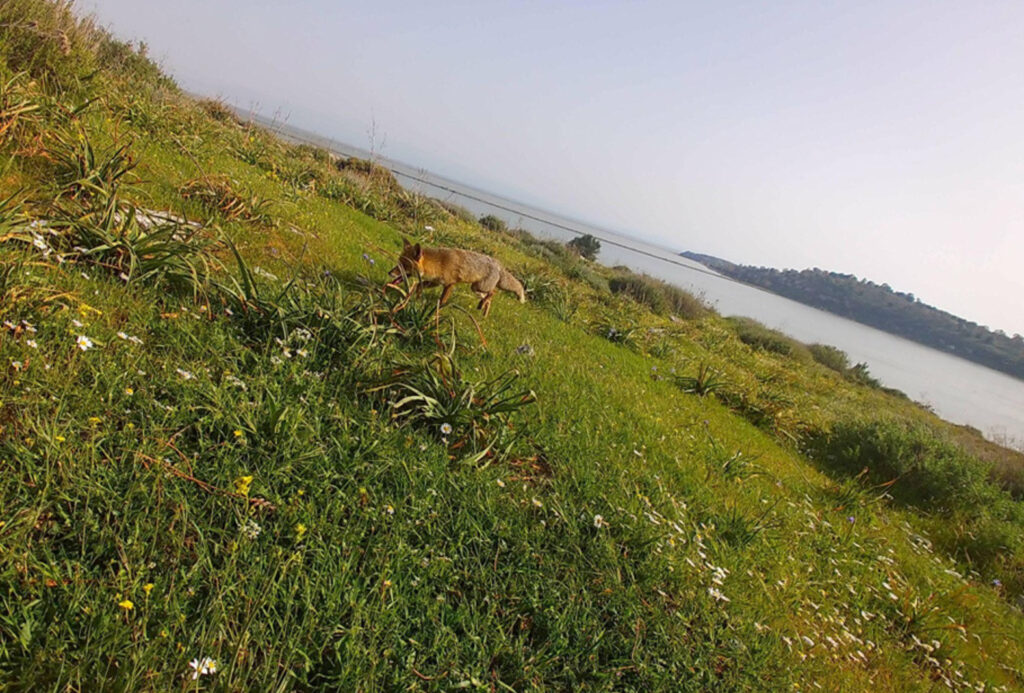
The CARDIMED project is actively advancing a wide range of monitoring, conservation, and research activities at DEMO8, in partnership with İzmir Institute of Technology (IZTECH), Doğa Derneği (DOGA), İzmir Metropolitan Municipality (IZMM), İzdoğa A.Ş. (IZDOGA) and İzmir Water and Sewerage Administration (IZSU). These include counts of colonial breeding birds, mid-winter waterbird surveys, and monitoring of odonates, vegetation, mammals, birds, reptiles, and amphibians, as well as water quality assessments. Baseline studies for birds, reptiles, amphibians, odonates, and mammals have already been completed, providing a solid foundation for ongoing work.
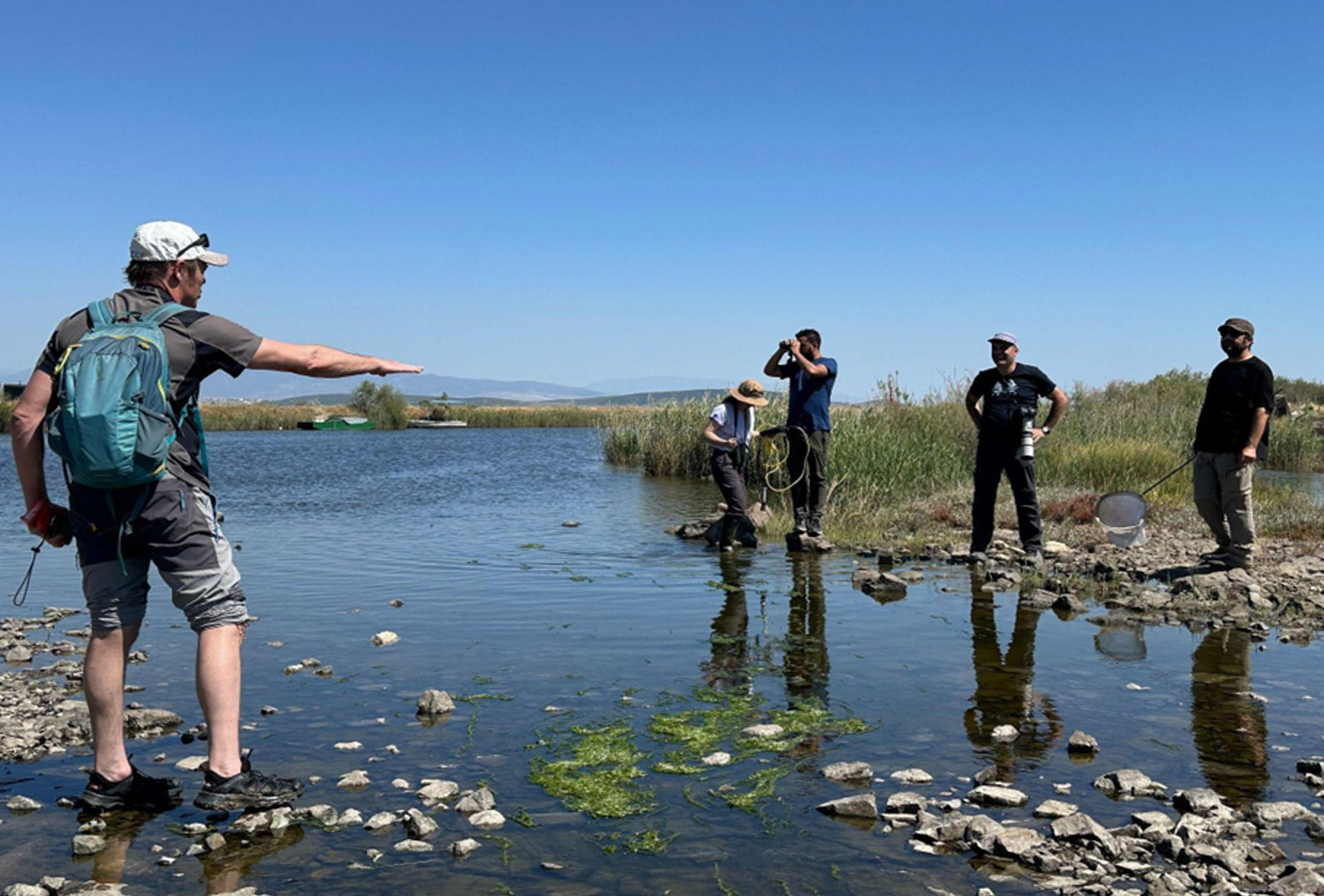
Recently, we organised the Drying Lakes and Freshwater Ecosystems Conference in İzmir (14–15 June 2025), attended by over 168 participants from across Türkiye and the Thrace region. The conference featured expert presentations, participant discussions, and evaluations, sharing research findings, field experiences, and policy debates, along with a field visit in the Gediz Delta, where participants directly assessed the area’s ecological features, threats, biodiversity, and ongoing conservation and restoration efforts.
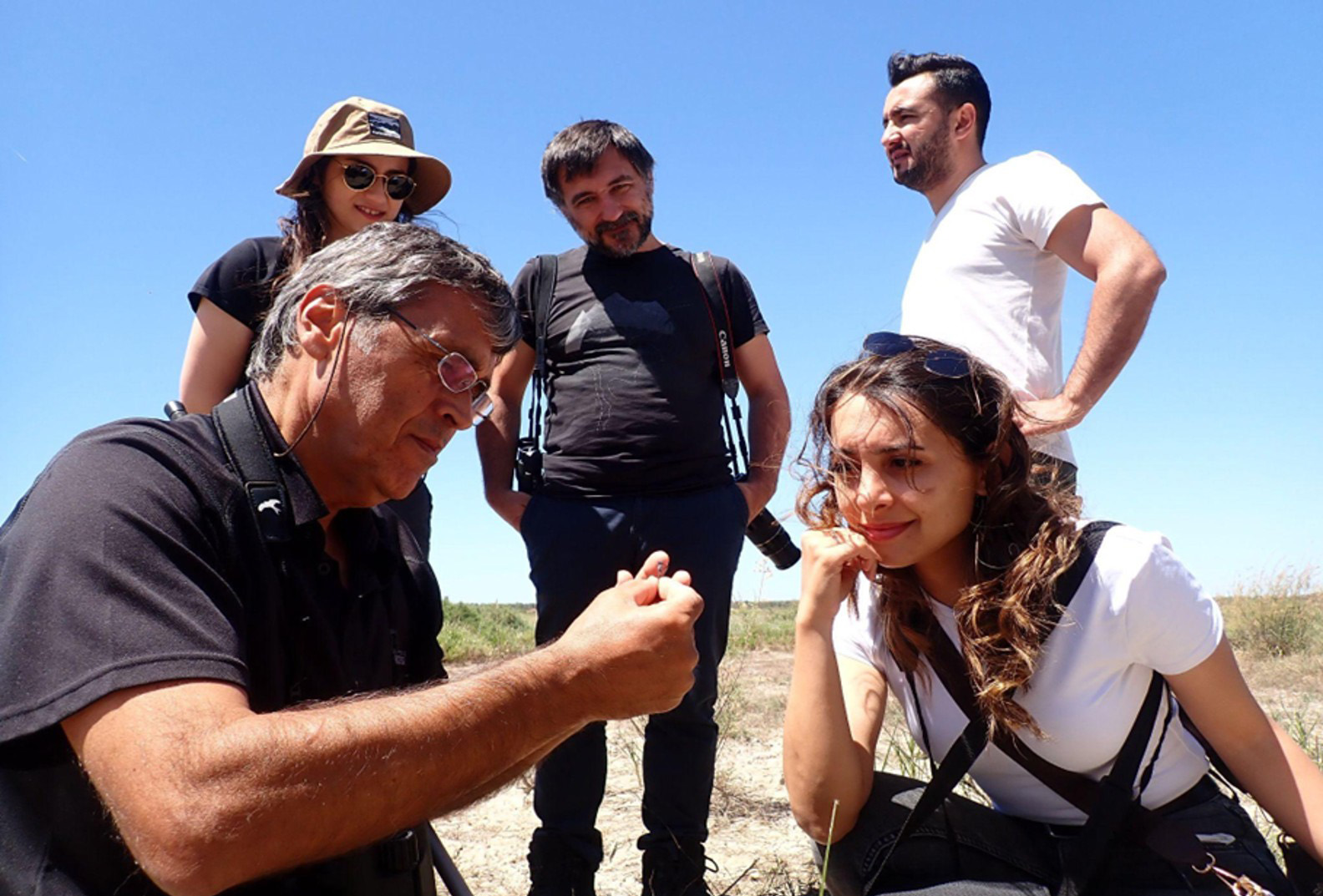
From 23–27 June 2025, we conducted hands-on restoration training for 24 conservation practitioners from 11 CSOs and 4 universities across the Mediterranean region. The training covered approaches, methods, standards, frameworks, policy context, governance, techniques, monitoring, and all practical aspects of wetland restoration, focusing on our Demo site in the Gediz Delta. Additionally, we hosted 27 birdwatching events this year. These efforts not only foster knowledge sharing, awareness raising, and capacity building but also strengthen our collective work to conserve Mediterranean coastal and wetland ecosystems.
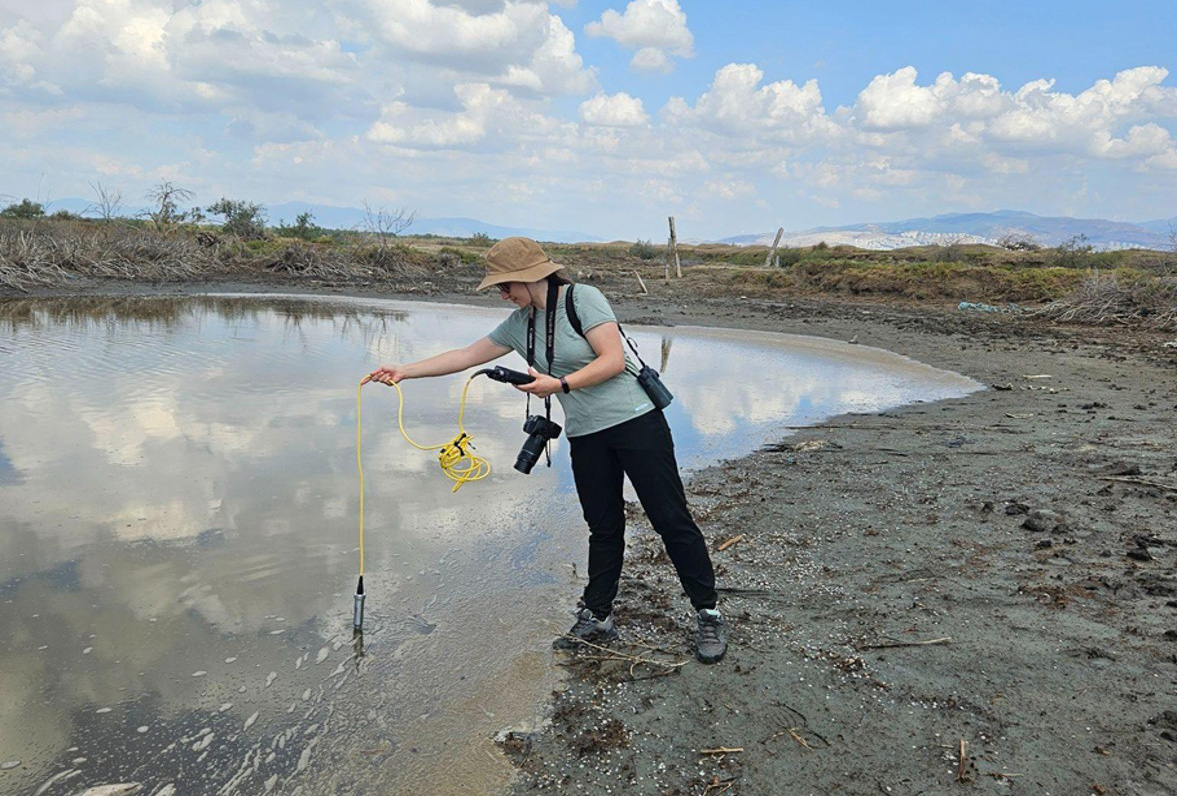
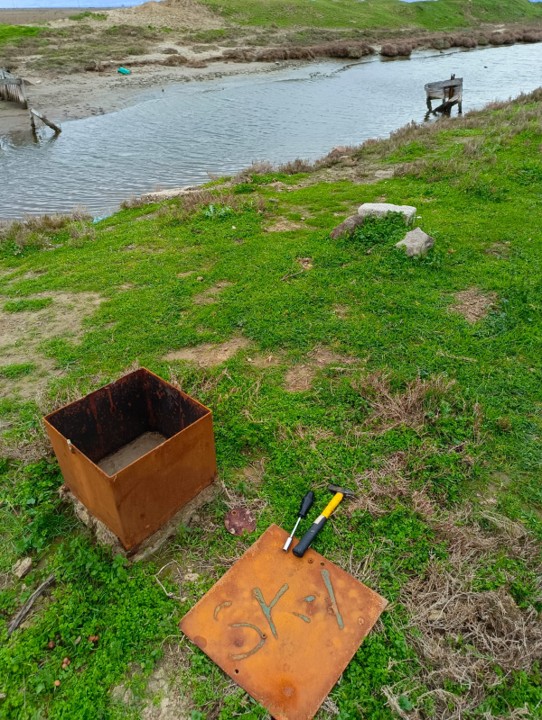
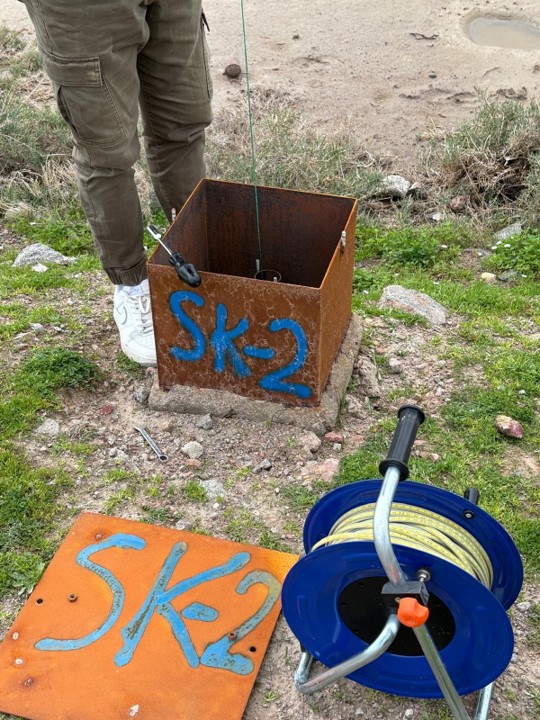
Groundwater monitoring wells established within the scope of the project were used to collect dry-season data in August, and the collection of intermediate period data, representing the shift from the dry to the wet season, is planned for the first week of October. These efforts are carried out to better understand the seasonal dynamics of the water cycle and, in particular, to reveal changes in groundwater levels. The data obtained are of critical importance for monitoring water level dynamics in the Gediz Delta, assessing the impacts of drought and precipitation regimes on both groundwater and surface waters, and informing the development of long-term water management strategies.
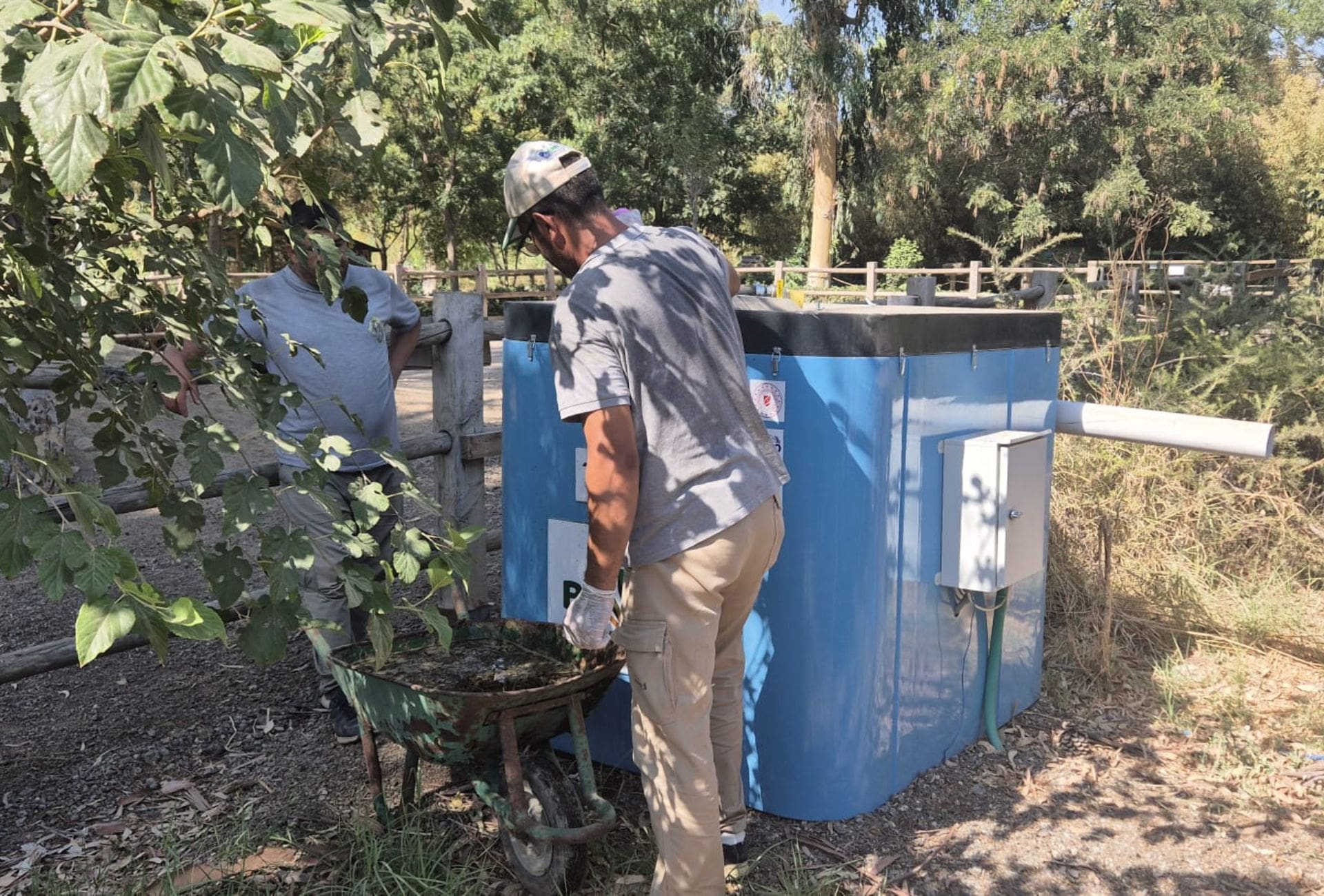
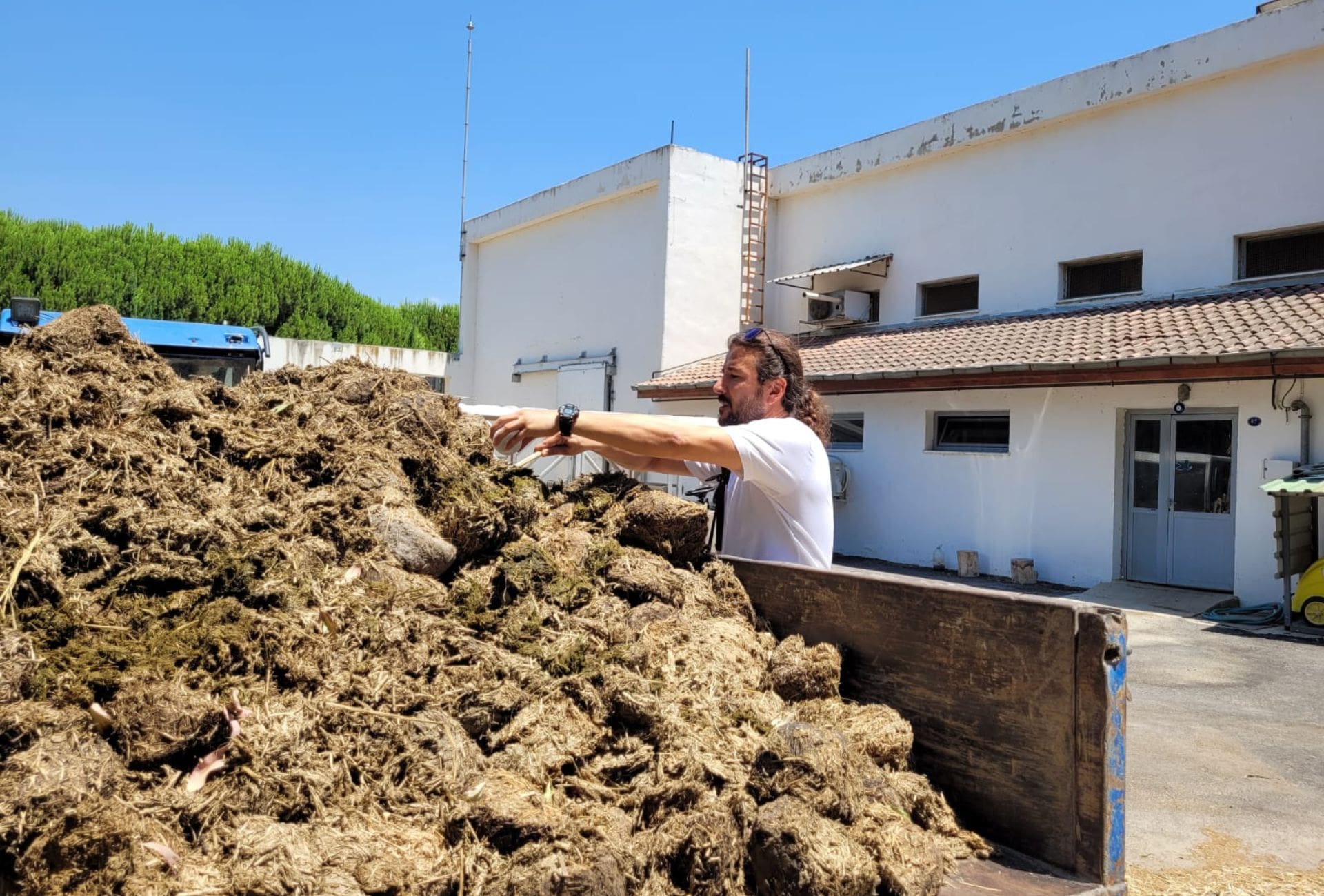
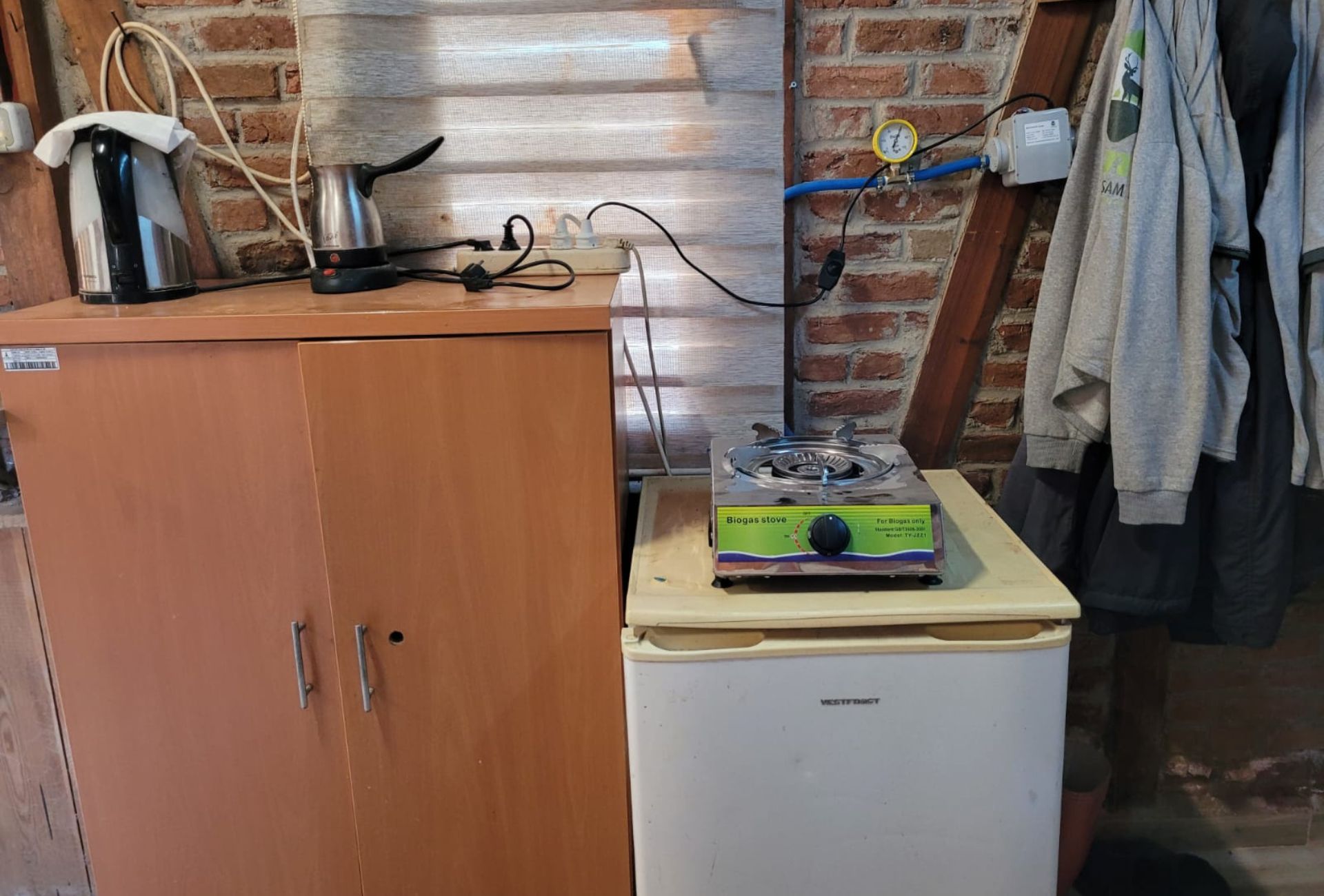
As part of the CARDIMED project, a small-scale biogas plant has been successfully installed to encourage local communities and farmers to convert animal and plant waste into energy. All plant components were assembled, installation services completed, and technical support provided to ensure smooth operation of the system. The installation was completed in July, and the plant has been brought into operation.
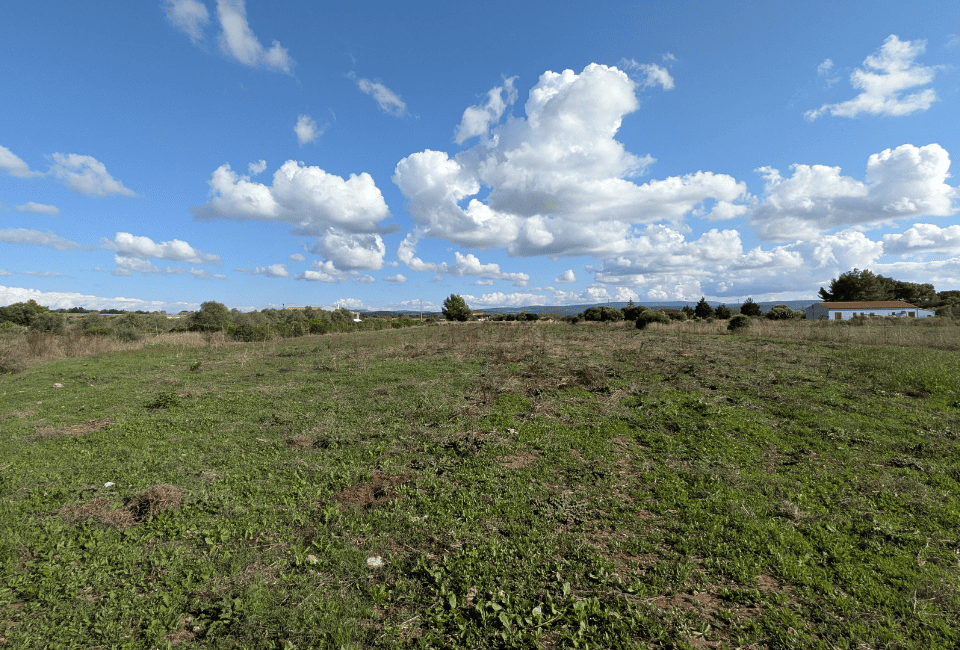
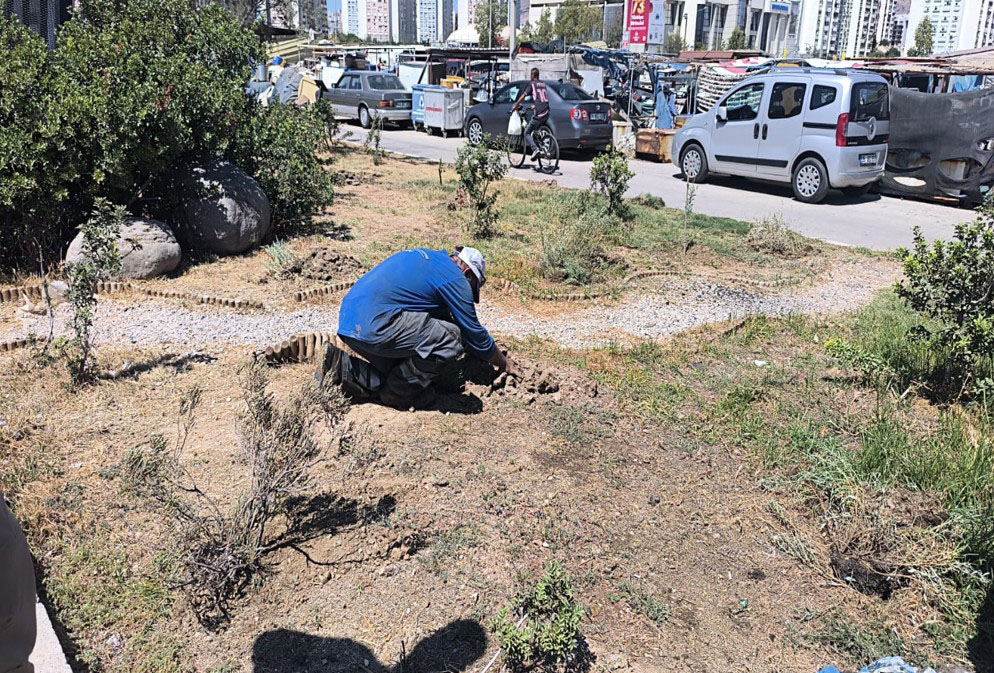
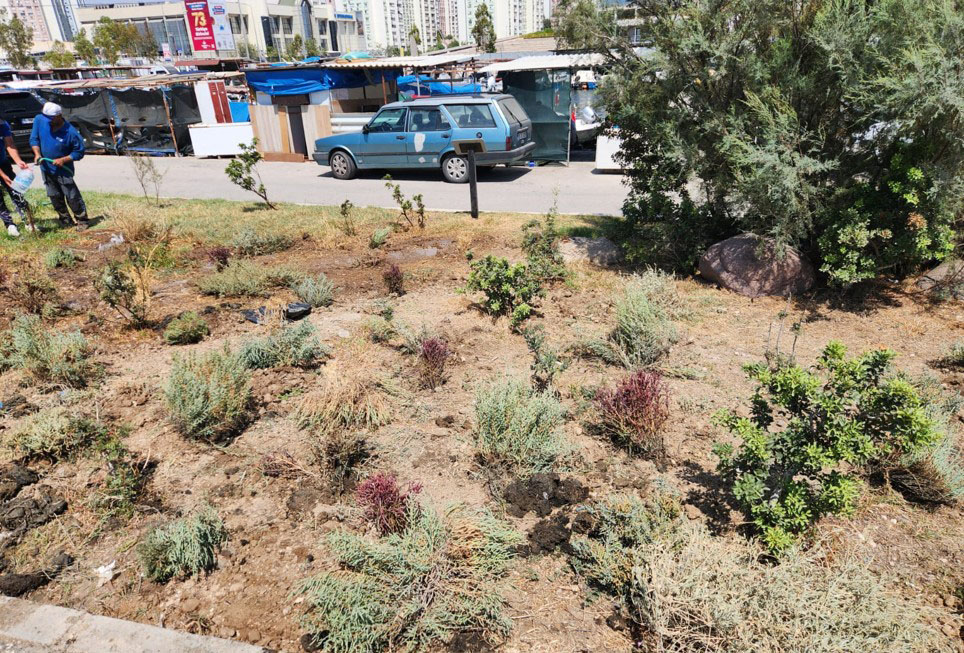
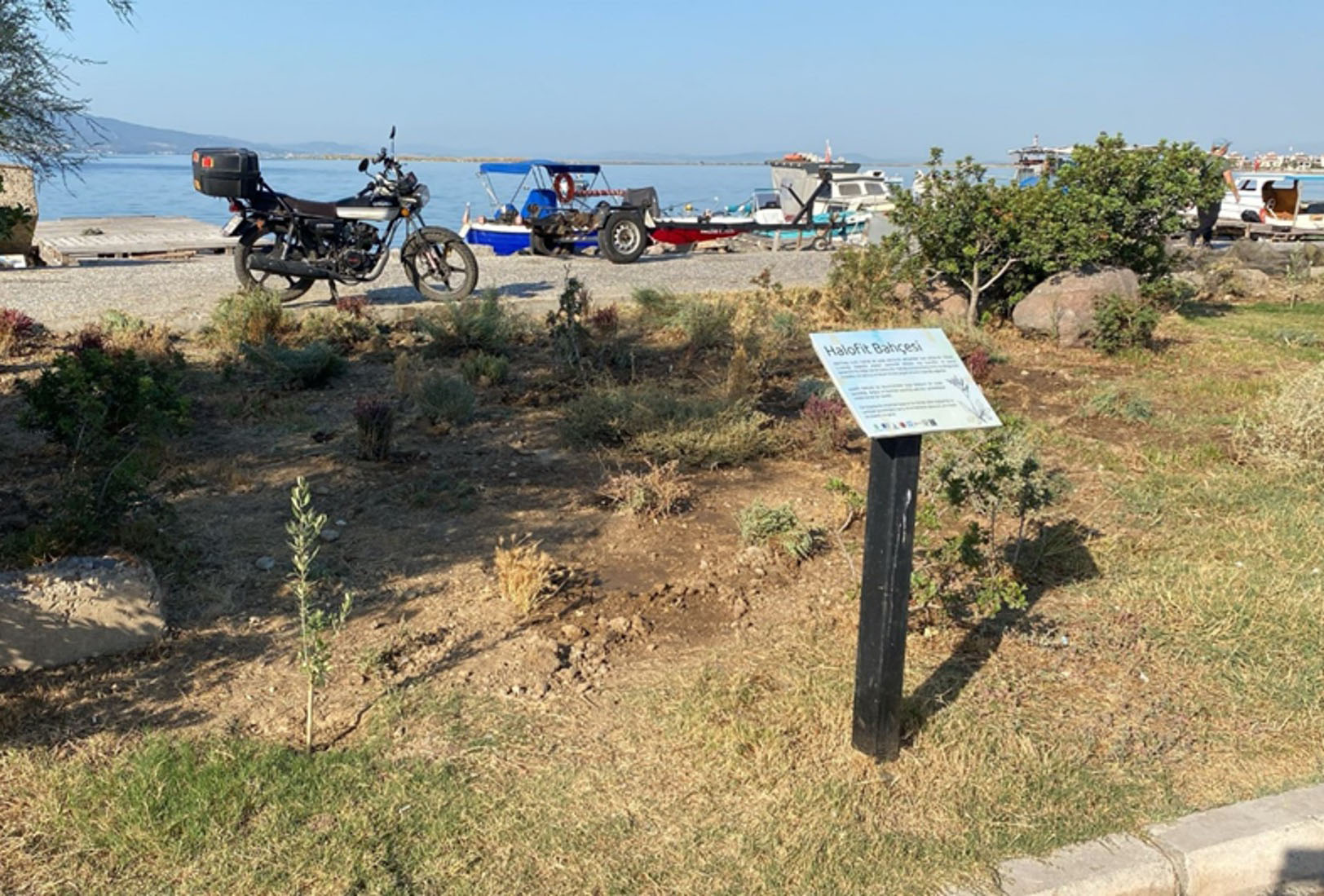
The park area located at Mavişehir Fishing Harbor has been converted into a halophyte (salt-tolerant plant) garden. Halophytes are special plants that can grow in saline areas. Thanks to their high salt tolerance, they are naturally found in deltas, coastal dunes, and saline marshes. They protect the soil from erosion, support the water cycle, and provide a habitat and food source for many bird and insect species. This garden is not just an area where plants are displayed; it is a concrete expression of nature-friendly policies, ecosystem-based solutions, and the concept of a “city that learns from nature.”
Limonium sinuatum, Sarcocornia perennis, Salsola soda, Hordeum marinum, and Tamarix smyrnesis halophyte species were planted in the selected area. Two informative signs describing the halophyte garden and the planted species were manufactured in our municipality workshops and placed in the area.
These activities are carried out in close collaboration with and CREAF, demonstrating a shared commitment to advancing wetland restoration, biodiversity monitoring, and sustainable ecosystem management.
Biodiversity monitoring
Groundwater monitoring

Halophyt Garden
Small-scale biogas