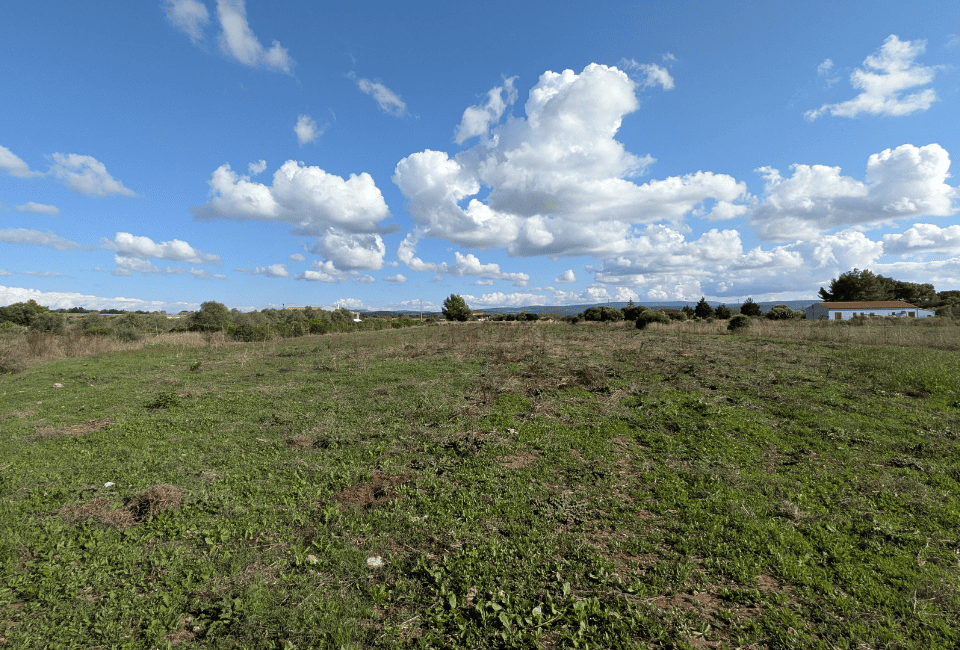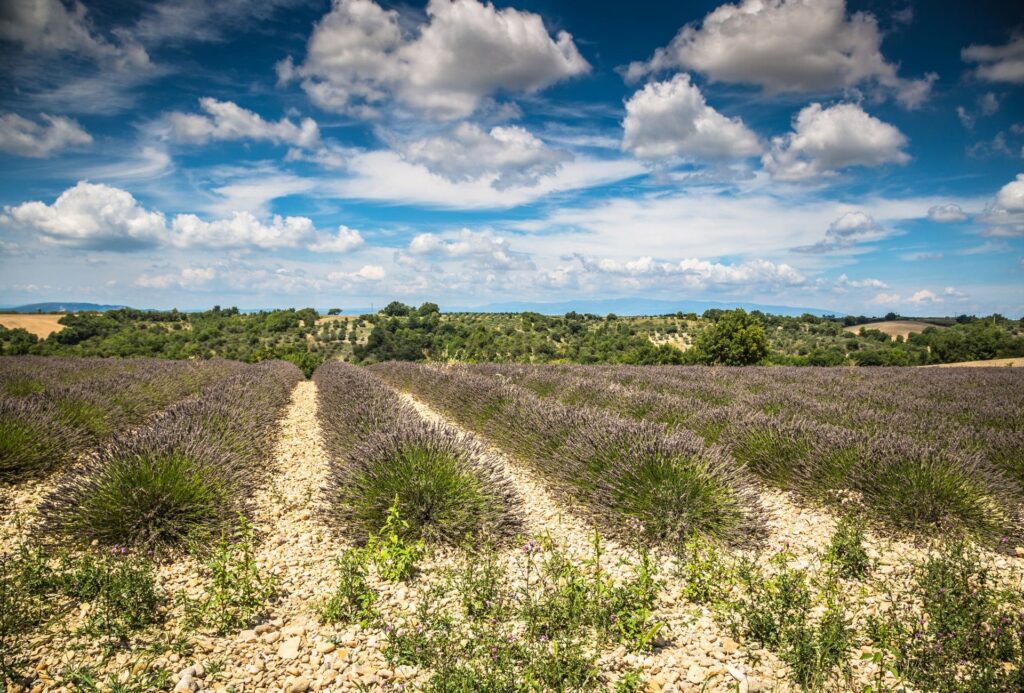
The southern region is a biodiversity hotspot, home to almost 72% of the species in mainland France, making it the most biodiverse region in France.
As a result, there are a large number of protection tools: 4 national parks, 9 regional nature parks and 14 national and regional nature reserves. 32% of the region’s land area is covered by Natura 2000 zones (> 970,000 hectares). But human-caused pressures are also very present, with 75% of the region’s population (4 million inhabitants) living on the coastal strip. The region has lost 50% of its useful agricultural area in 50 years, dropping from 1.6 million hectares to 775,000 hectares. This represents a loss of living soil, green infrastructures, water storage capacity, resilience and food resistance.
The region is also particularly sensitive to climate change, as is the Mediterranean basin as a whole, making it an excellent area for experimentation and practical application in a number of areas, including water resource management and summer comfort, since the threshold of 1.5°C more has already been reached.
The regional authority has been heavily involved for many years, and is responsible for a number of regional schemes and plans, including the regional scheme for sustainable development and territorial equality (SRADDET). The region is also responsible for a third climate plan, which will be adopted this summer, as well as a regional biodiversity strategy, which it co-manages with the State’s ecological planning departments.
This commitment is in line with the regulatory arsenal implemented at European level, such as the Law to restore nature and the Green Deal, as well as the Adaptation Strategy. And at national level with the National Climate Change Adaptation Plan (PNACC3 ), the National Biodiversity strategy, the national urban nature plan and the climate resilience law, to name but a few.
However, this context favoring the use of NbS takes time to implement, as it requires a change in practices and the development of a cross-disciplinary approach at local authority level. This is a complex change to implement for organizations that work in silos.
The SbN are identified in all the strategies and plans supported by the Regions; but to get the territories to use them, to remove the obstacles, to change the bad habits of ‘business as usual’, and to place the projects in a long-term perspective that goes beyond the elective mandate, we need to be able to really demonstrate their efficiency!

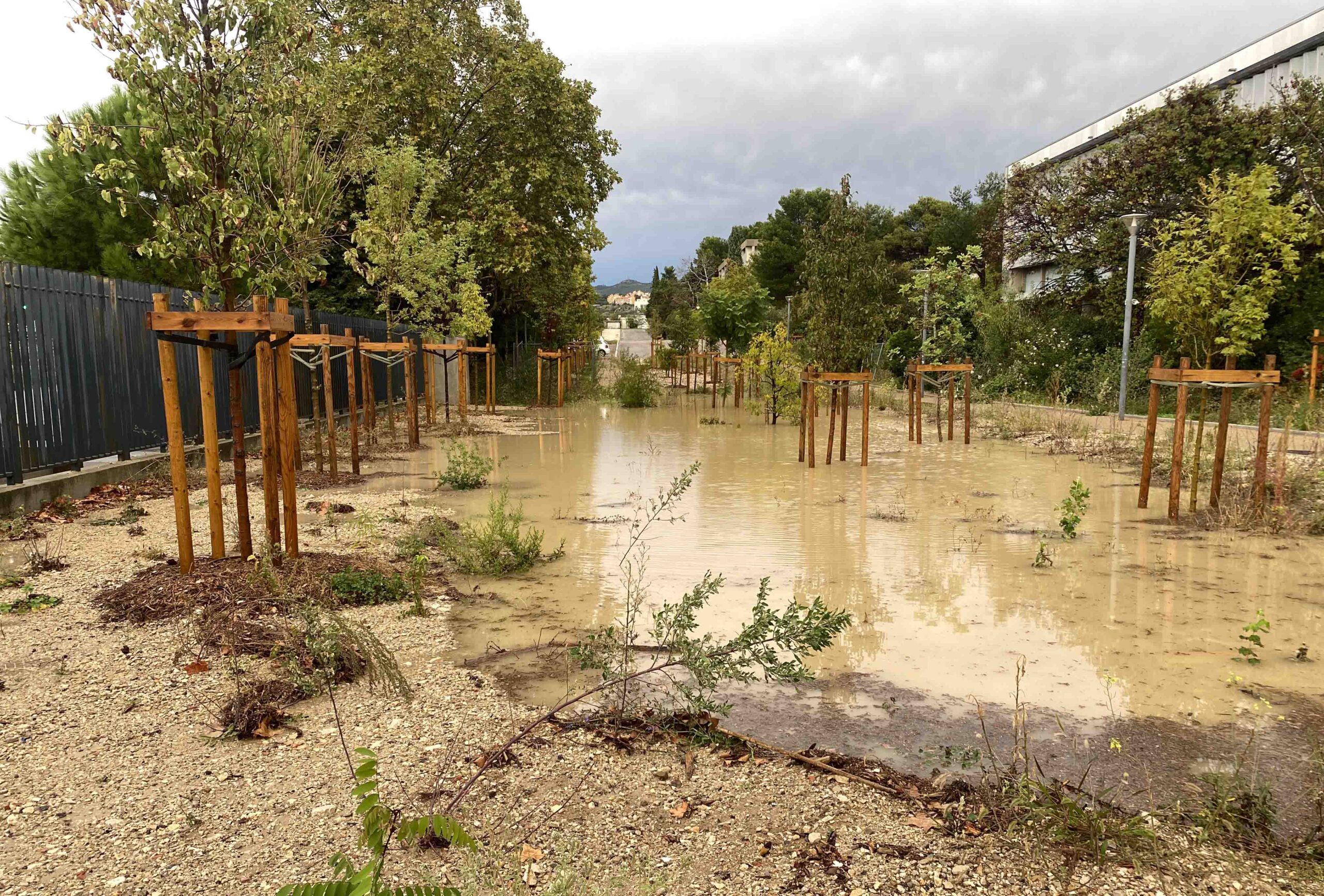
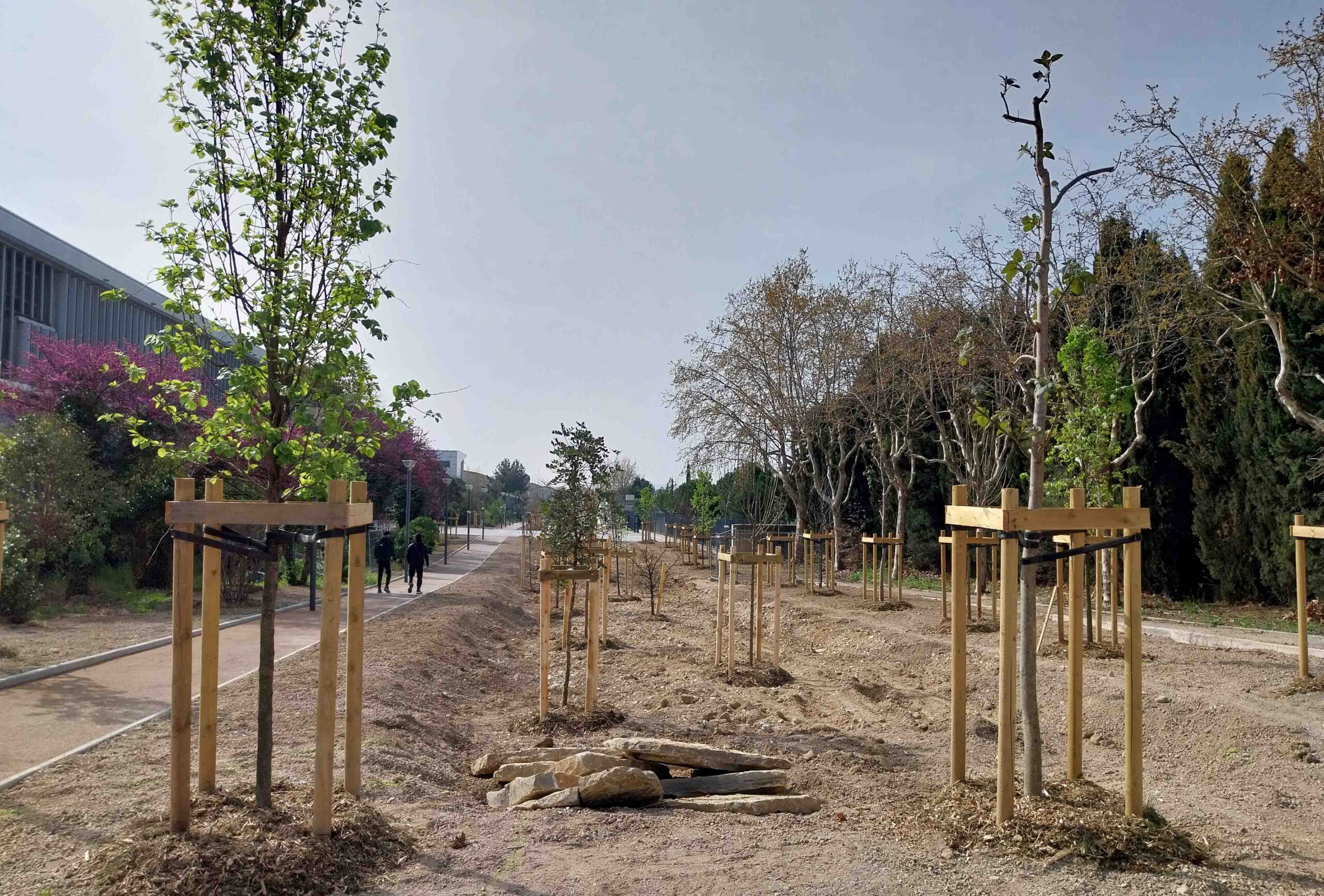
Deploying this holistic approach by taking action is one of the reasons why the Region Sud is involved in the CARDIMED project. The two DEMO sites run by AMU, with the support of Empan consultant and coordinated by SEMIDE, in Marseille on the St Jérôme and St Charles campuses will enable the efficiency of NbS in terms of desilting and renaturation to be instrumented and demonstrated. In particular, over time, to produce knowledge that will feed into technical and political decision-making.
These two sites are fabulous tools because they enable us to demonstrate scientifically what is happening, and they are real training sites for students as well as for local technicians and, more broadly, for all environmental and town-planning players interested in NBS.
For the region, the challenge of water management, particularly from the point of view of risk reduction, is a strategic one, with the ambition of moving from the paradigm of water as a hazard to water as a resource.
Reducing risk by regulating run-off, through desilting and renaturation solutions, is at the heart of the contractualisation policies that the Southern Region has with local authorities, such as those implemented by the metropolises of Aix Marseille Provence and Nice Cote d’Azur.
In the context of adapting to climate change, with a National reference trajectory of +4°, the search for solutions to combat urban overheating and guarantee the habitability of cities is urgent.
Choosing nature means choosing NBS. It means rethinking our relationship with living things and remembering that we are only a small part of them and that we are interdependent.
In summary, NbS do it better: It’s natural, basic and sexy!