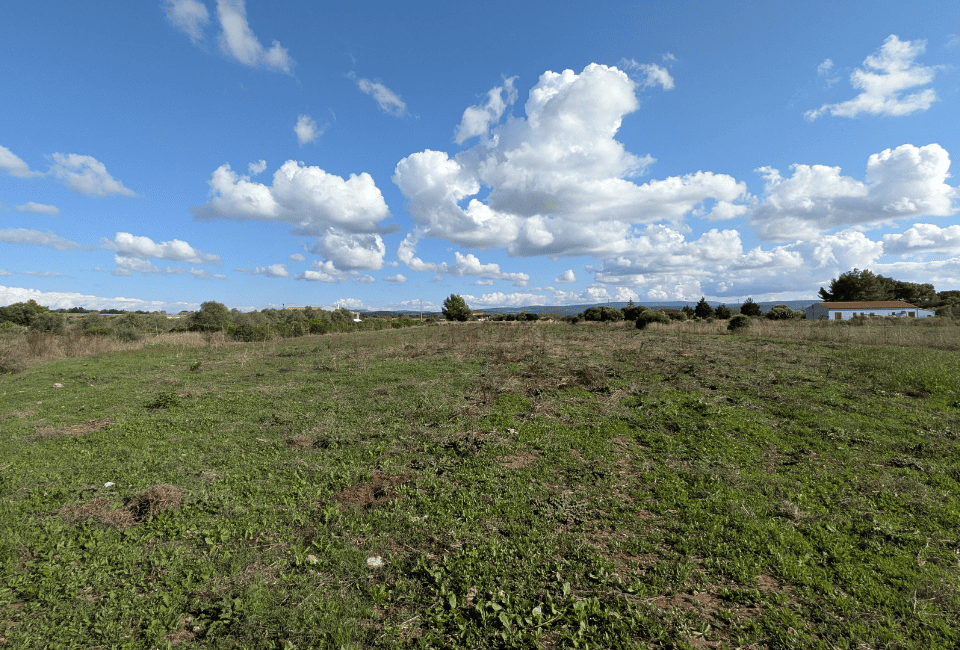
At CARDIMED DEMO8, located in the Gediz Delta (Türkiye), partners are advancing biodiversity monitoring and wetland restoration activities to better understand how Nature-Based Solutions can strengthen ecosystem resilience. Led by Doğa Derneği (BirdLife Türkiye), the work combines ecological monitoring, hydrological assessments and community engagement to evaluate the long-term impacts of restoration actions.
Tracking biodiversity across the Gediz Delta
Baseline studies have been completed for birds, reptiles, amphibians, odonates, water quality, vegetation and mammals. Monitoring is now focused on detecting changes in biodiversity, habitat condition and the outcomes of restoration activities.
Annual surveys of colonial breeding waterbirds continue to monitor species including slender-billed gull, common tern, little tern, sandwich tern, Mediterranean gull, yellow-legged gull, Dalmatian pelican and great white pelican. This breeding season also marked the first successful nesting of mute swans since 2021, with nine chicks recorded. Above-average rainfall reduced salinity levels and allowed reed beds to recover, highlighting the close relationship between hydrological conditions and breeding success.
Dragonfly and damselfly monitoring is also underway in collaboration with Tour du Valat, using standardised monitoring protocols to assess how water regimes, vegetation and habitat structure influence odonate communities. Field surveys have already recorded several species, including Lestes macrostigma, a rare species associated with temporary brackish wetlands, with evidence of breeding at multiple locations.
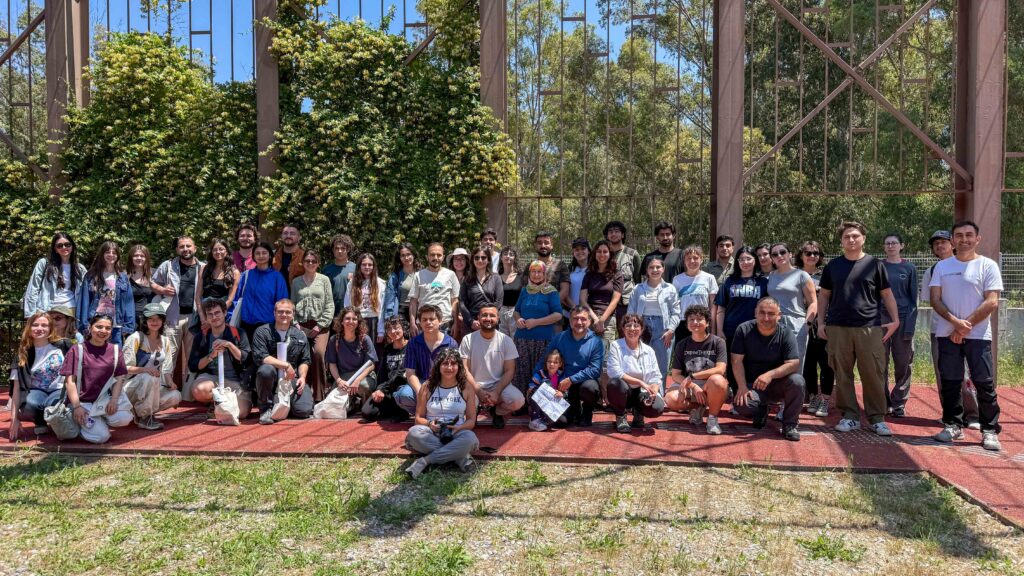
Beyond the delta itself, monitoring activities extend across the Gediz River basin. As the river flows 401 kilometres from Kütahya to the Aegean Sea, changes throughout the basin directly affect the delta. Reduced river discharge, agricultural water use, land use change and pollution remain the main pressures on the ecosystem. Current work includes identifying barriers to river connectivity, collecting fish samples to assess ecological conditions and monitoring cumulative pressures on aquatic biodiversity. A three-day field programme from source to sea also brought together local stakeholders and project partners to observe these challenges and discuss possible responses.
Engaging future generations through Bird Schools
Education and stakeholder engagement are also key components of the activities at Demo Site 8.
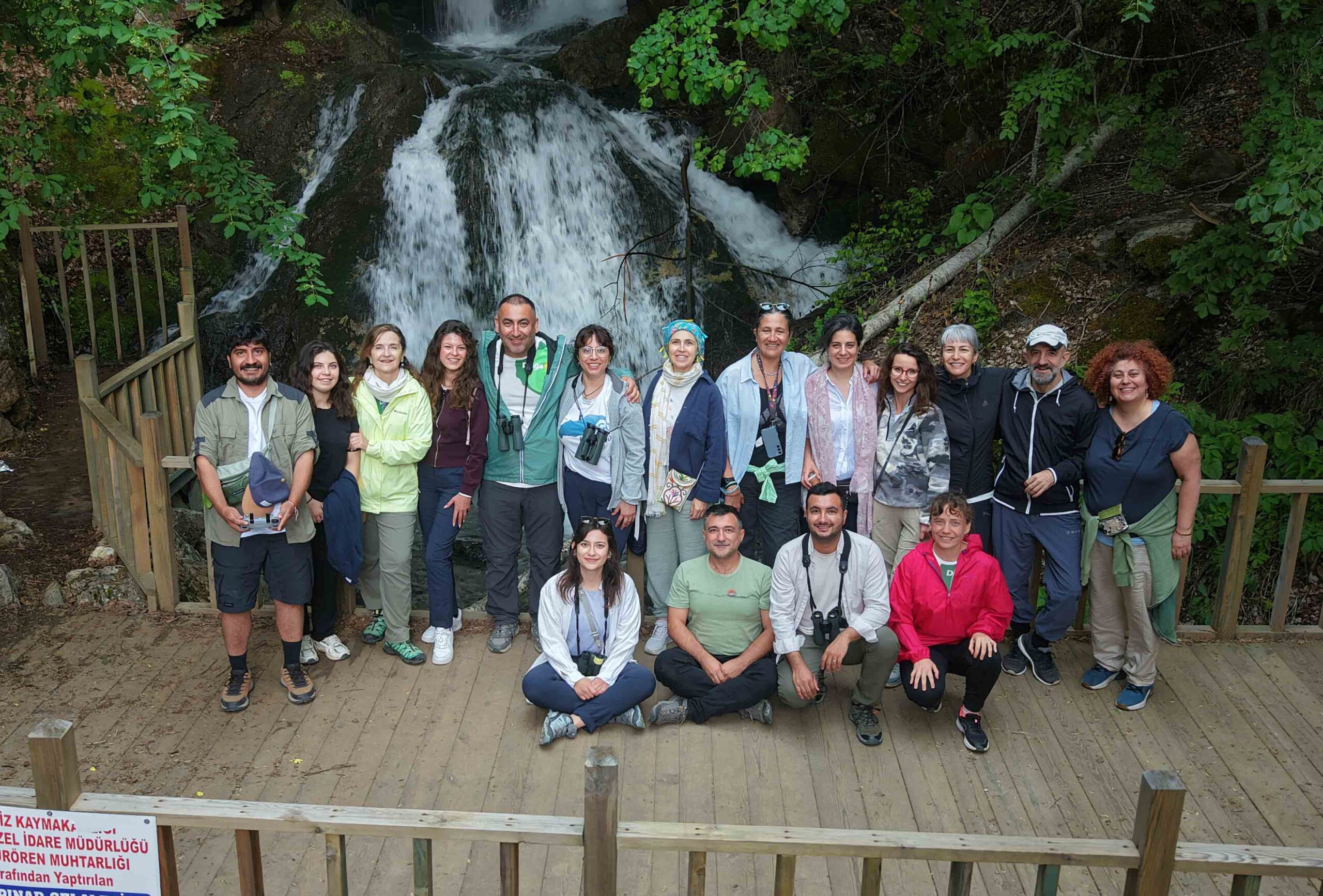
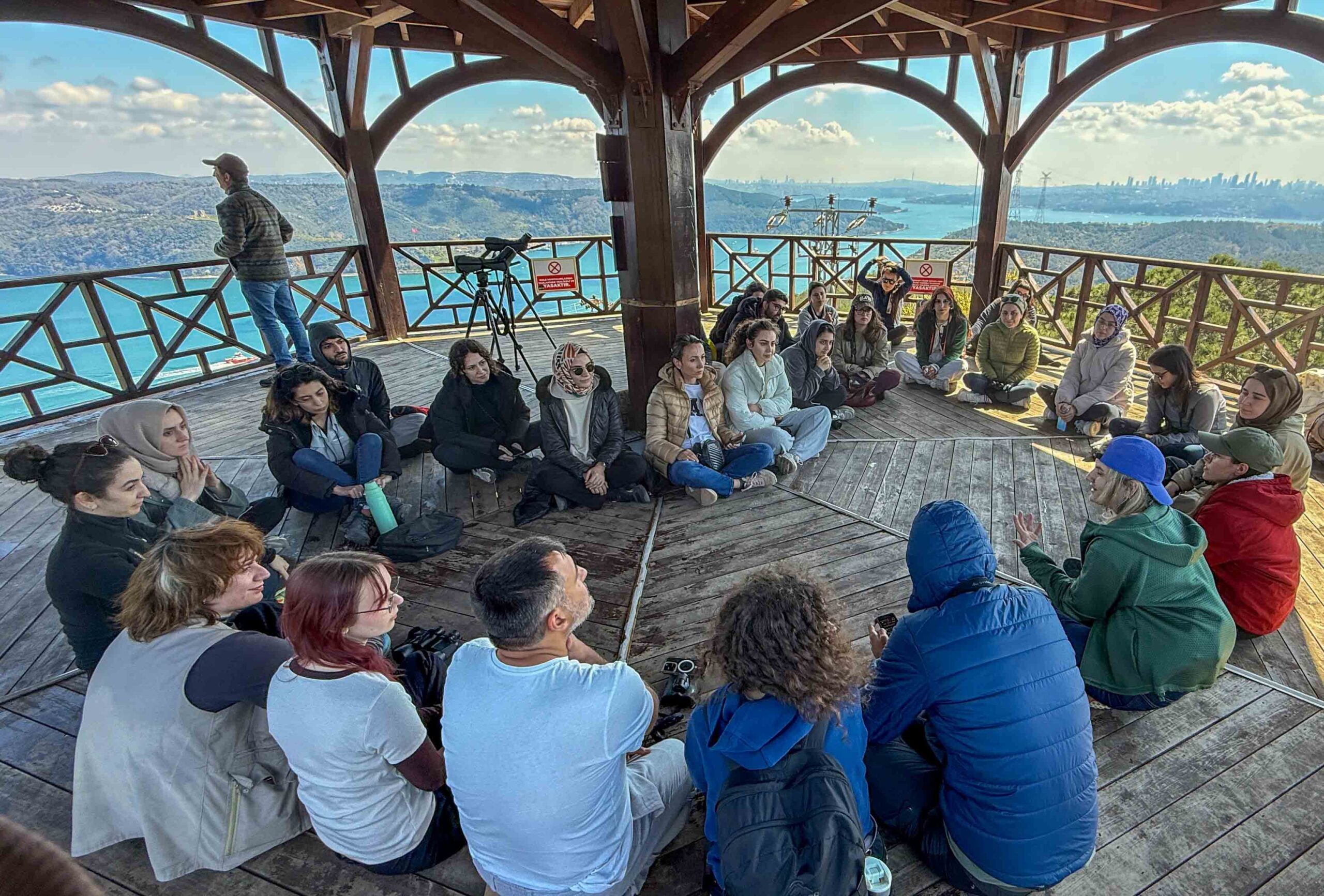
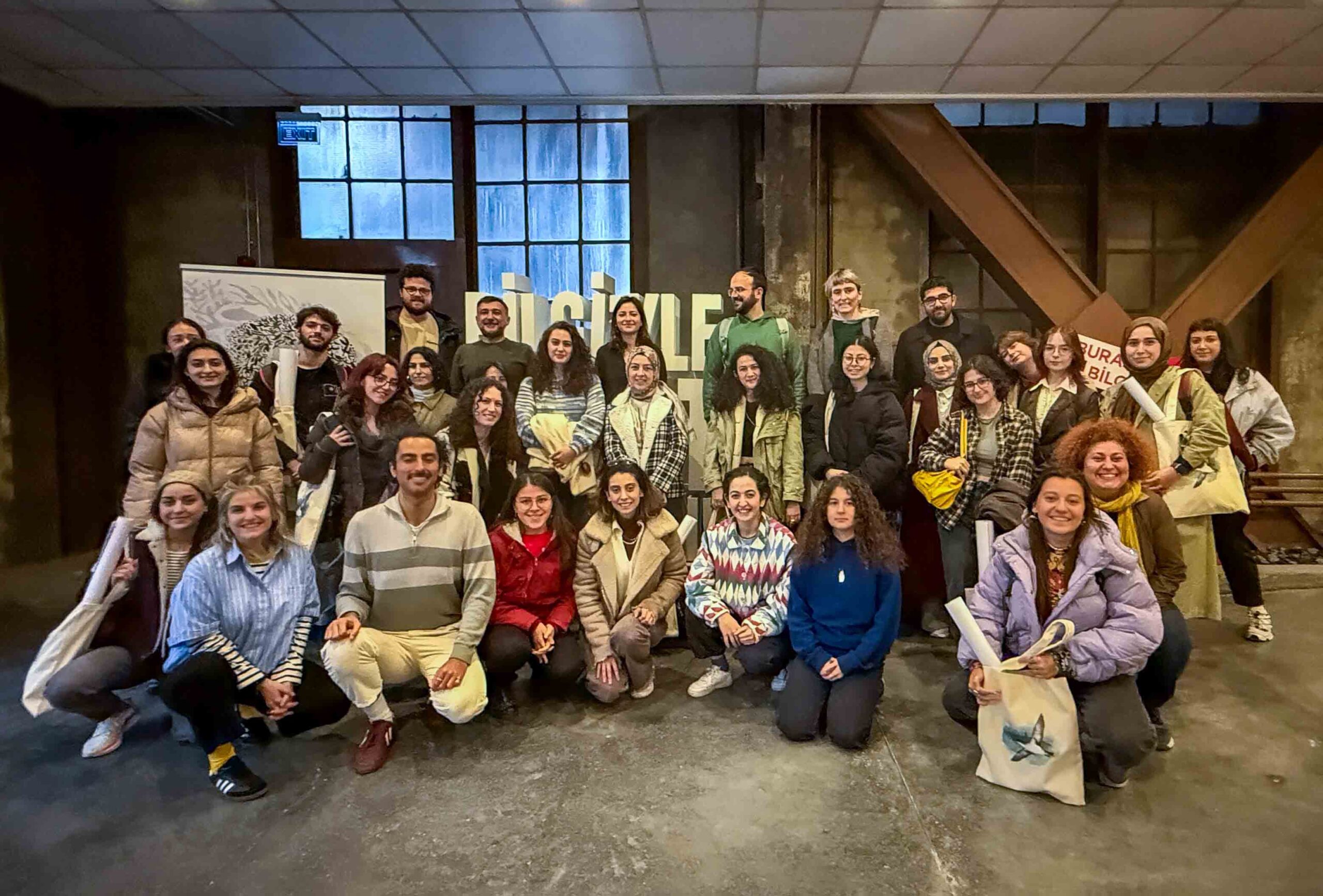
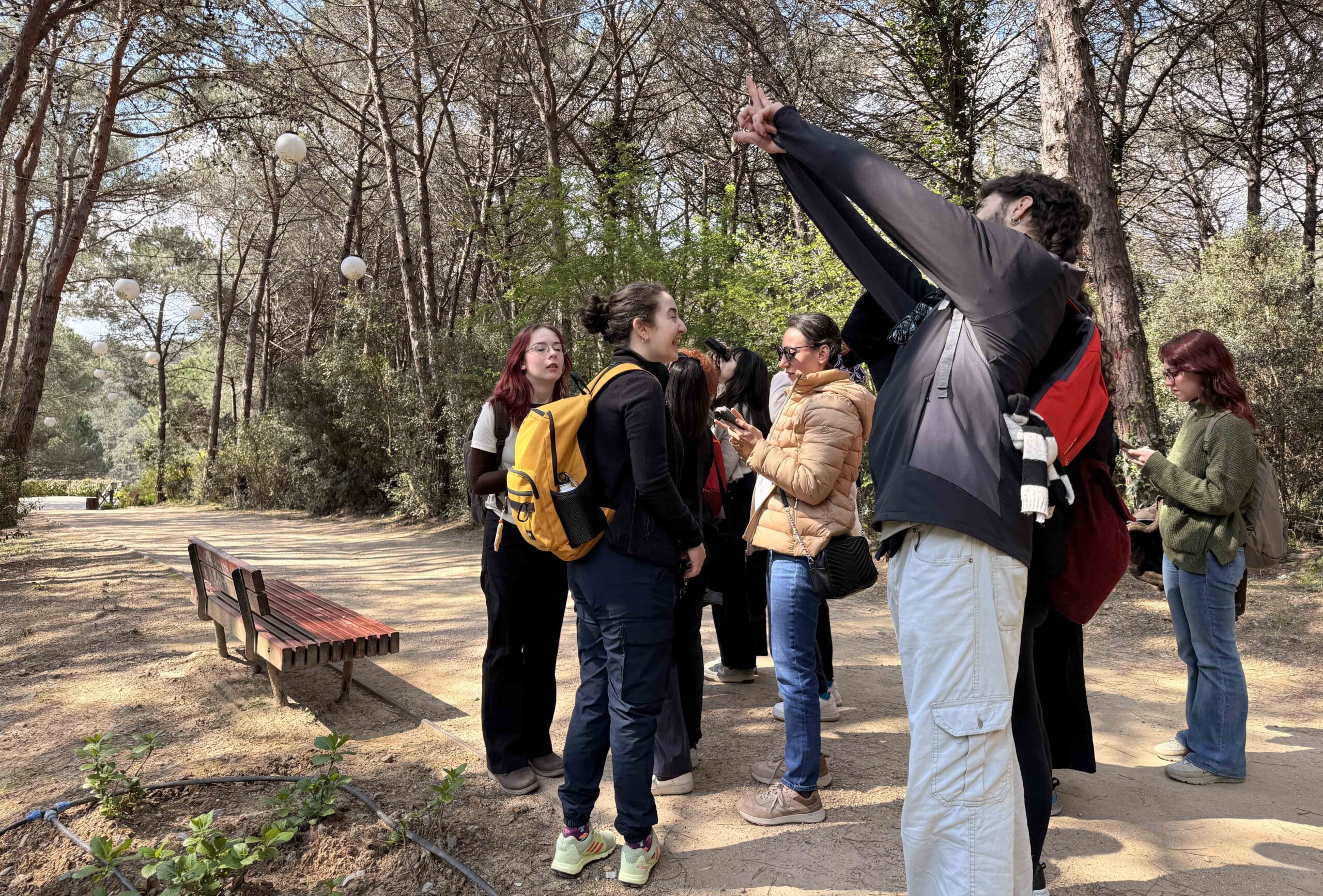
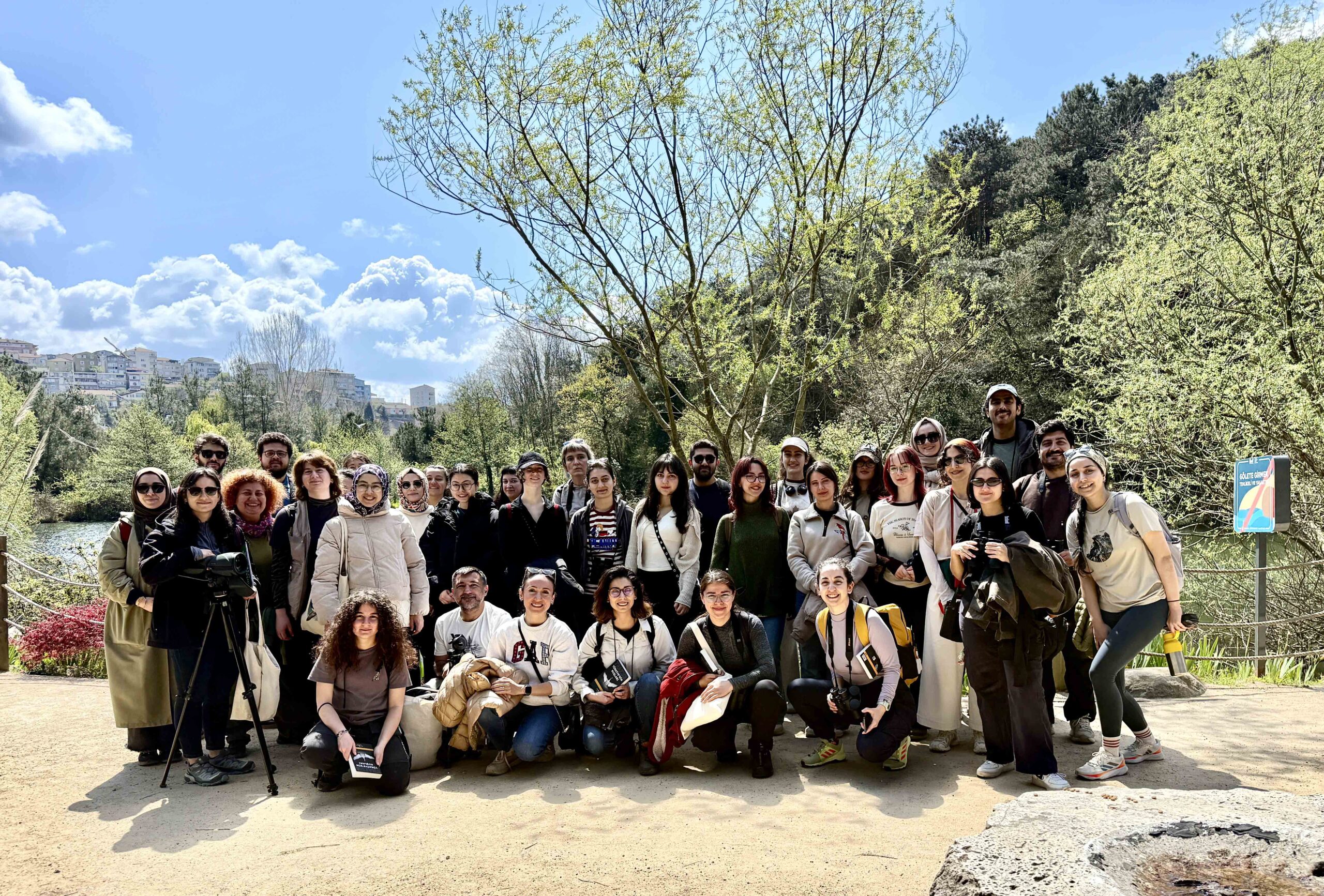
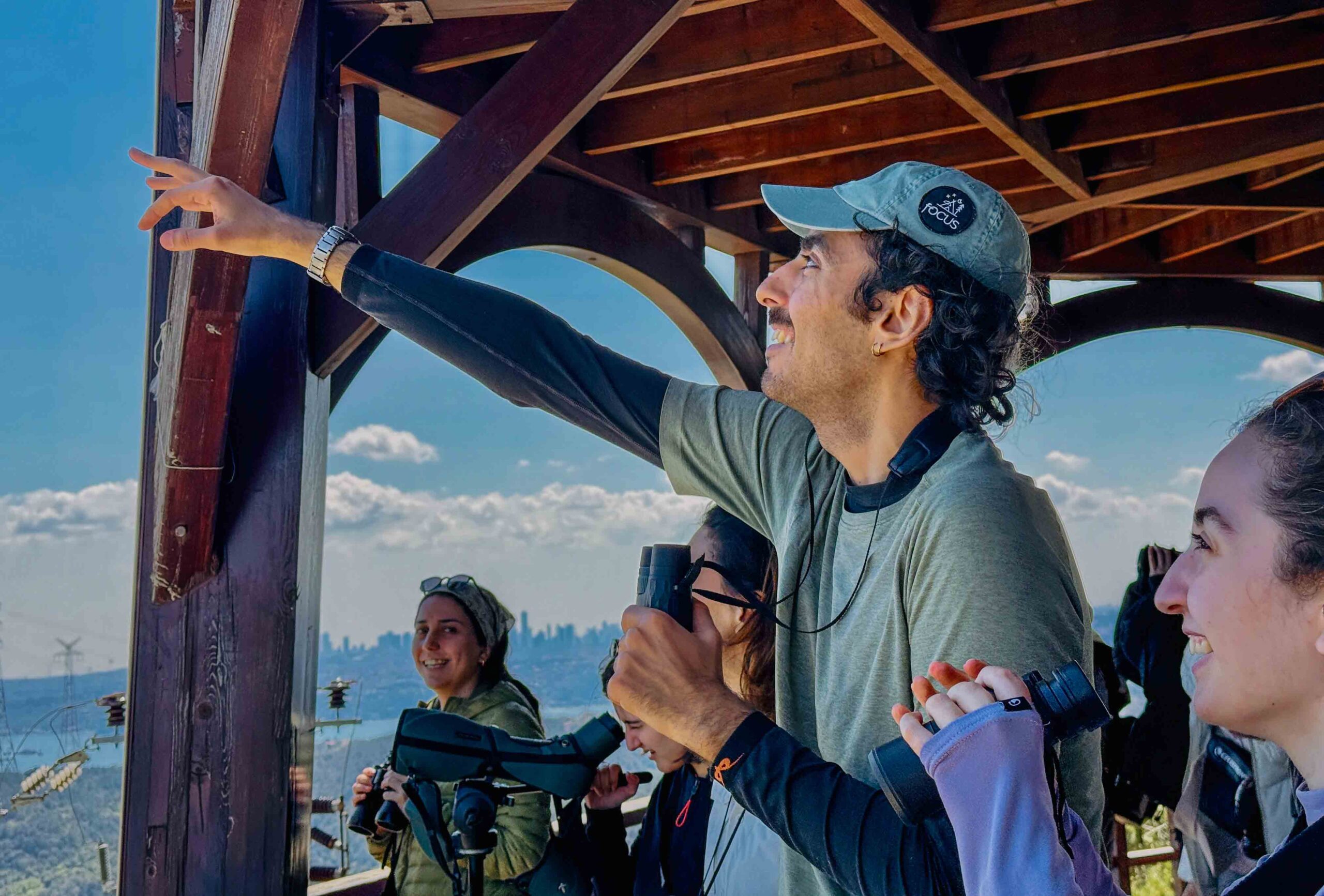
Two Bird School events introduced young people to wetland ecosystems and biodiversity conservation. The Istanbul Bird School, organised together with Roots & Shoots Türkiye, focused on Türkiye’s biodiversity, bird migration and wetlands, concluding with a field visit to observe spring migration.
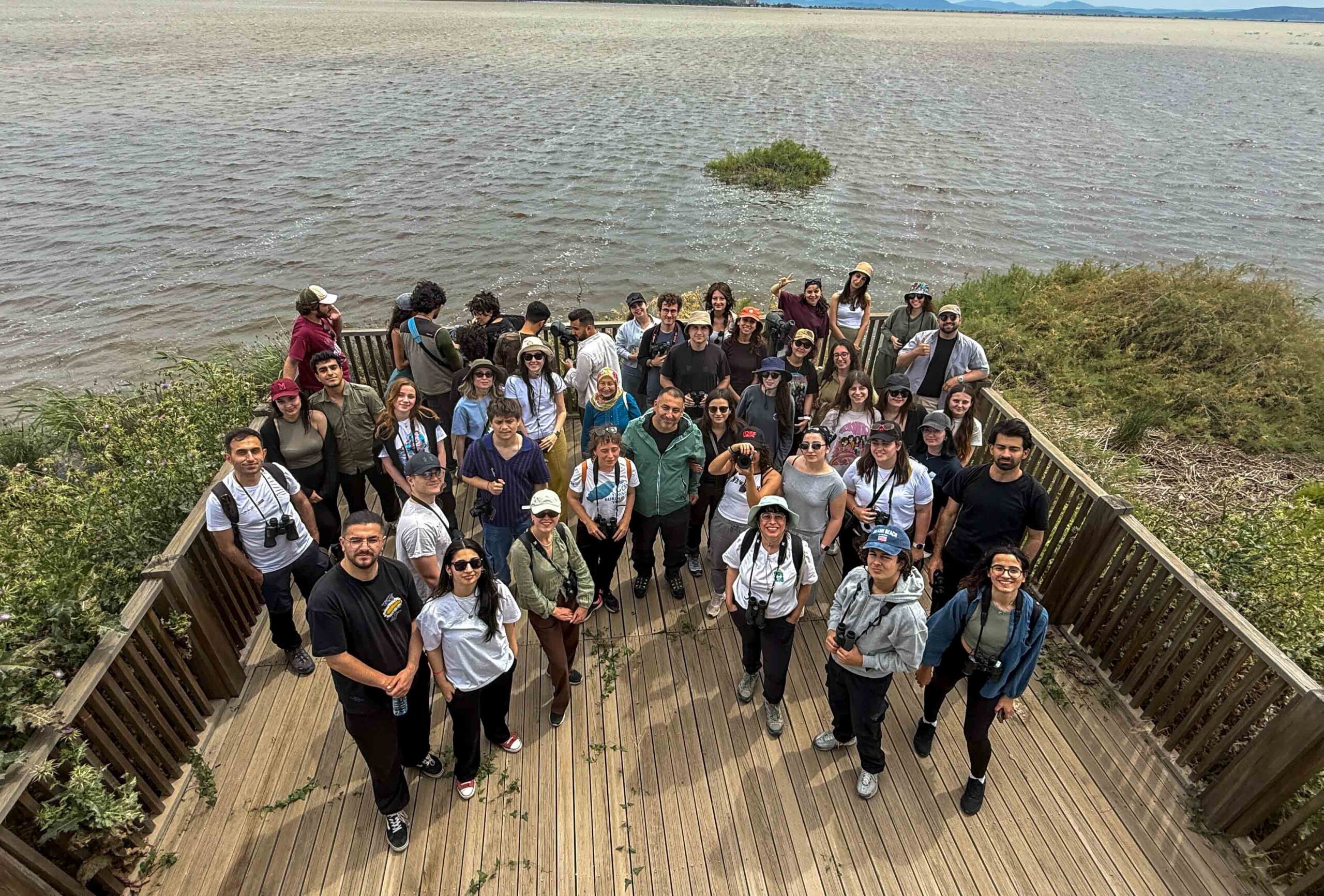
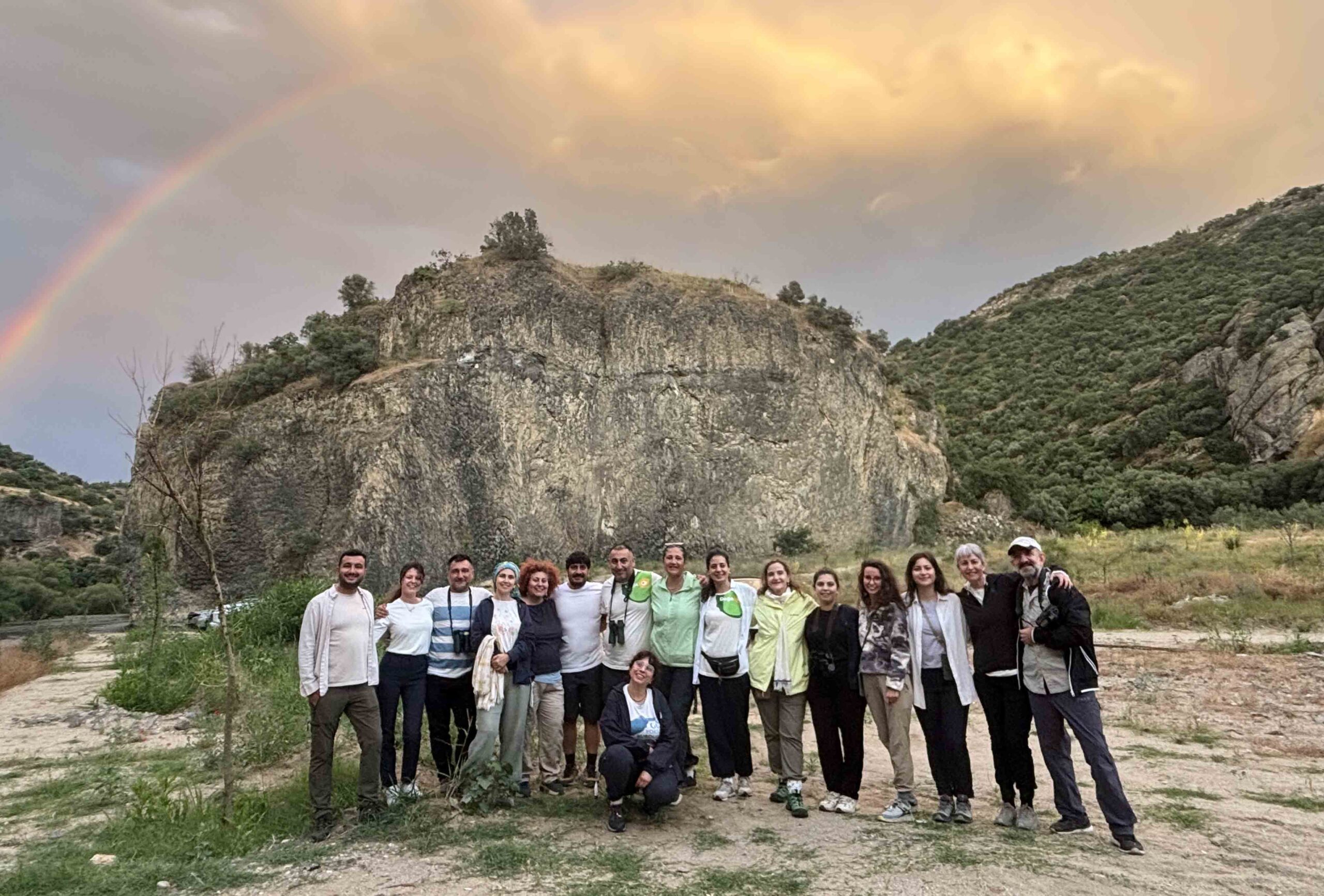
The Gediz Bird School brought together 54 university students for sessions on wetland ecology and waterbird identification, followed by a field survey during which participants recorded 36 bird species. Participants from both events have been invited to join a shared network that will help them stay connected and potentially contribute to future volunteer monitoring activities.
Establishing a hydrological baseline before restoration
As part of the restoration activities at DEMO8, the project has established a hydrological baseline for a pond before the planned introduction of clean treated water from the Çiğli Wastewater Treatment Plant.
Continuous hourly monitoring recorded consistently high electrical conductivity throughout the study period, confirming saline to highly brackish conditions before restoration. Water pressure measurements also revealed natural short-term fluctuations in water level and atmospheric conditions, providing a stable reference against which future changes can be evaluated.
Once clean treated water is introduced, monitoring will continue using the same methods, allowing direct comparison of conditions before and after the intervention. Changes in both water level and salinity are expected, with reduced salinity likely to improve habitat suitability for aquatic vegetation, amphibians, odonates and waterbirds. By combining hydrological measurements with ongoing biodiversity monitoring, the project will be able to assess not only how the pond’s physical conditions respond to restoration, but also whether these changes translate into measurable ecological benefits for wetland species in the Gediz Delta.
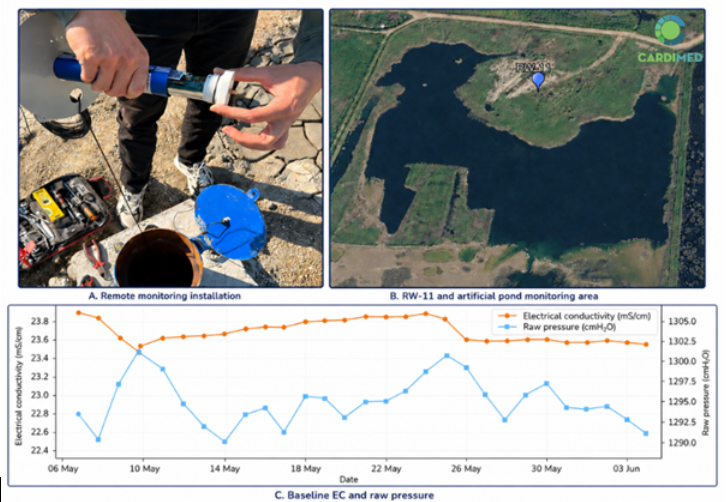
Figure 1. Establishing the hydrological baseline at the pond in CARDIMED Demo Site 8. The monitoring system (A) and monitoring location (B), together with continuous measurements of electrical conductivity and water pressure (C), provide the reference conditions against which the effects of the planned clean treated water input will be evaluated.
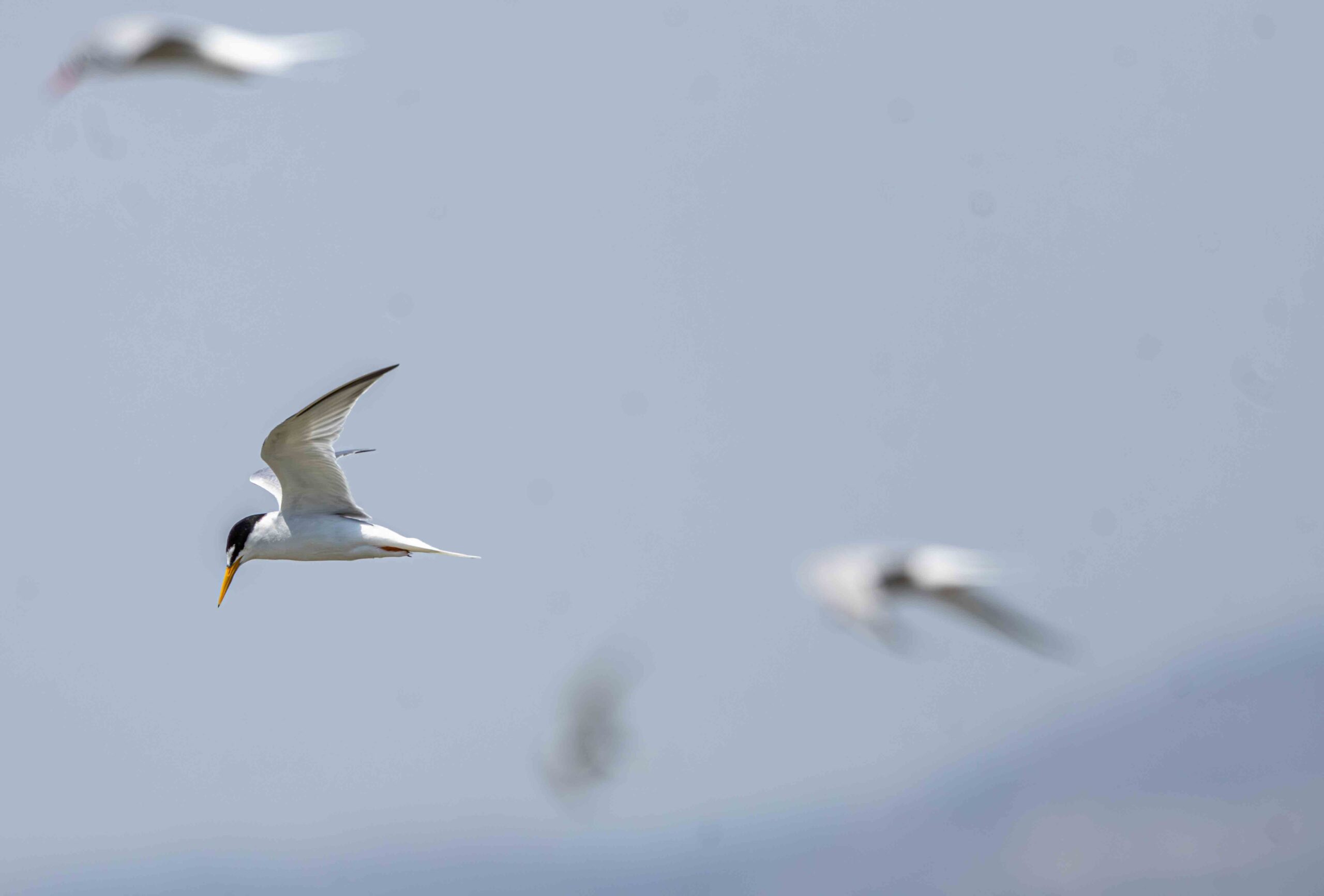
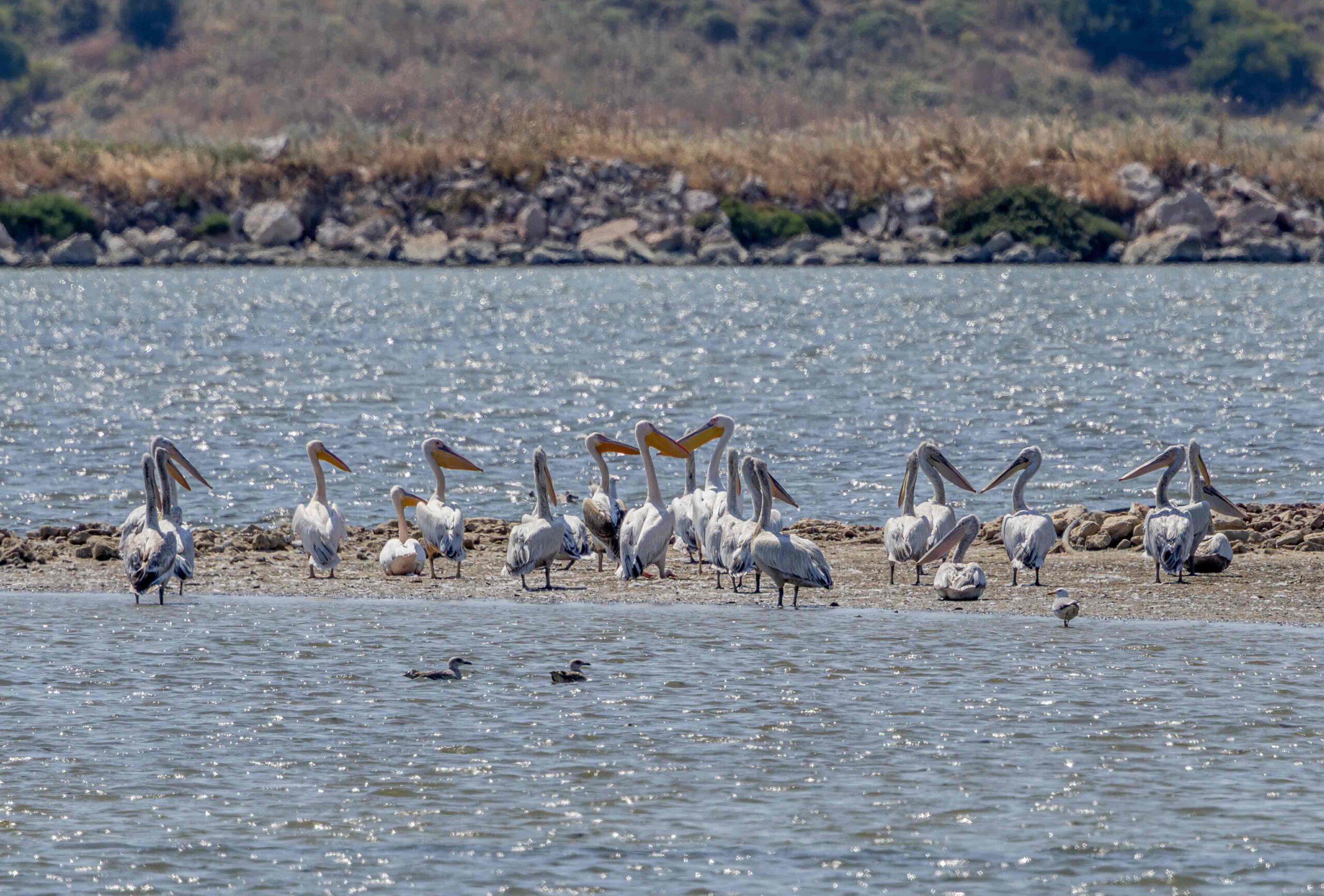
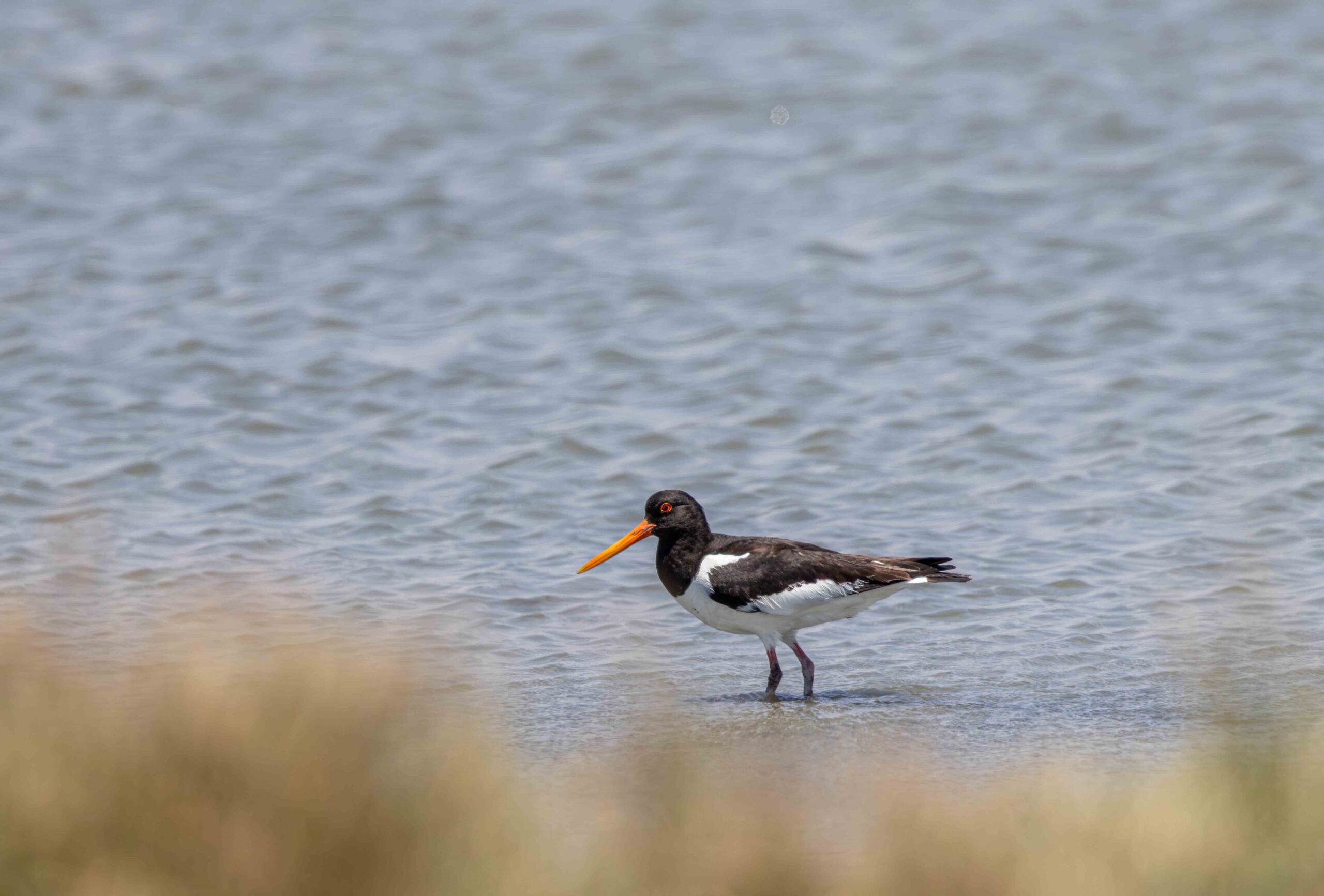
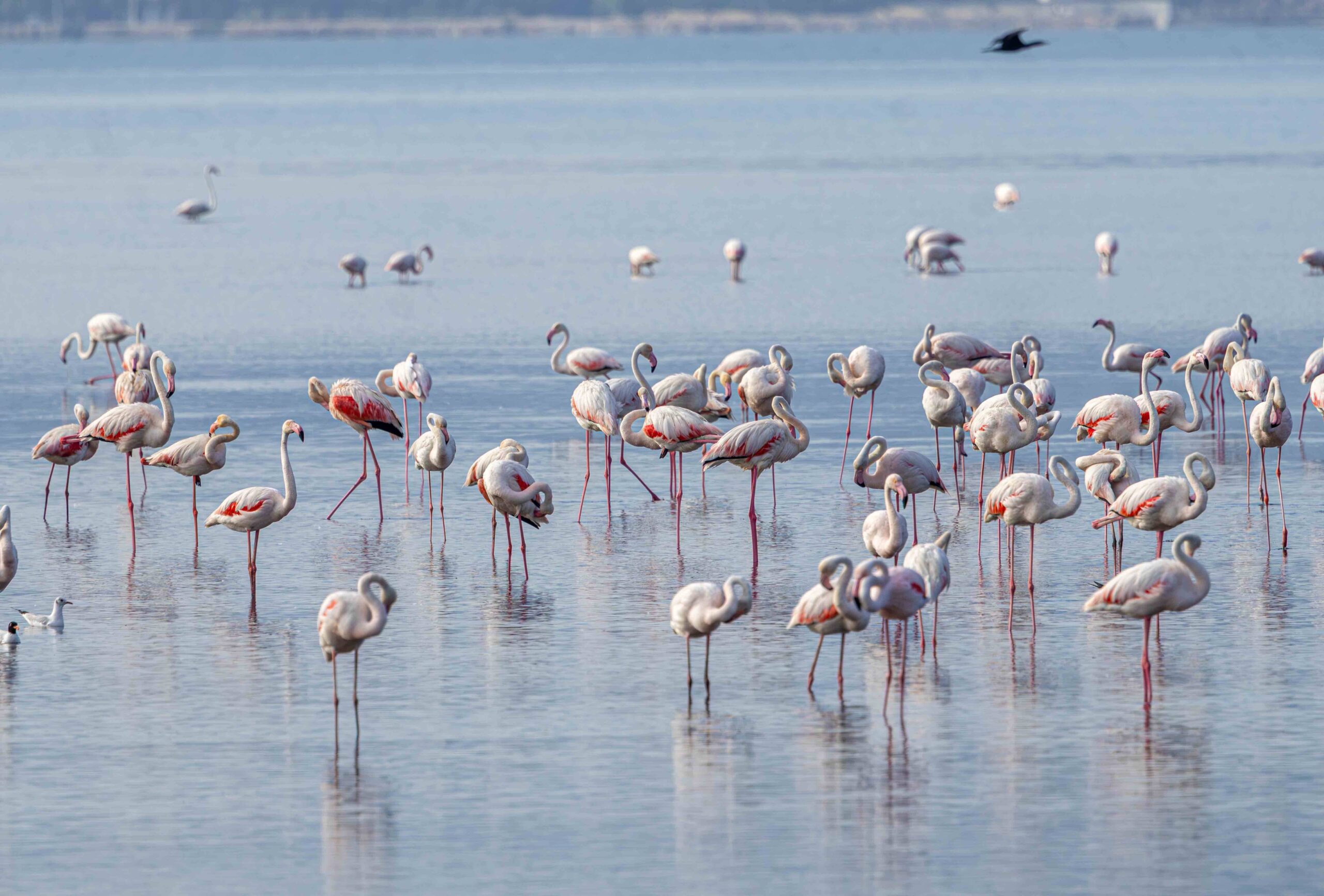
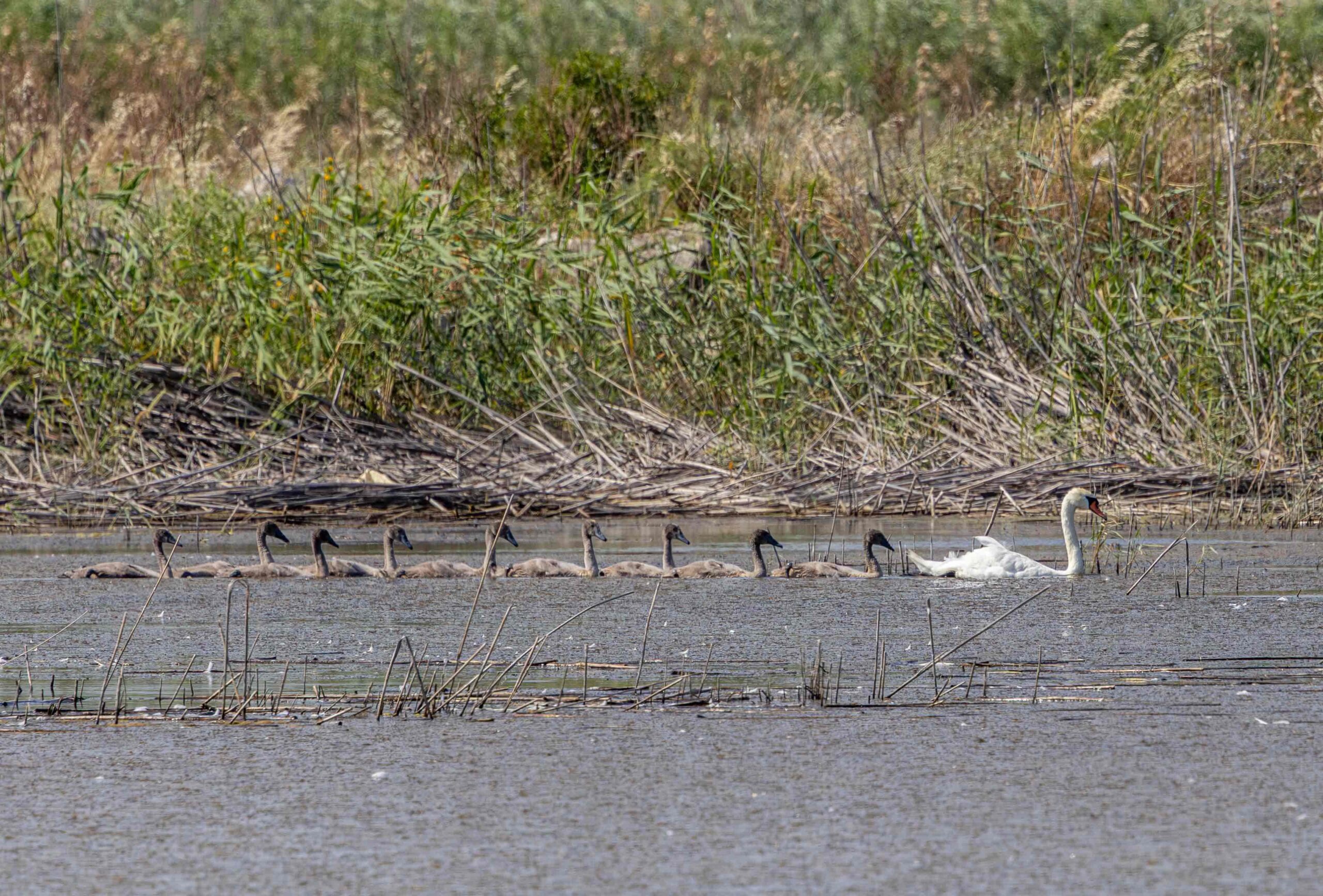
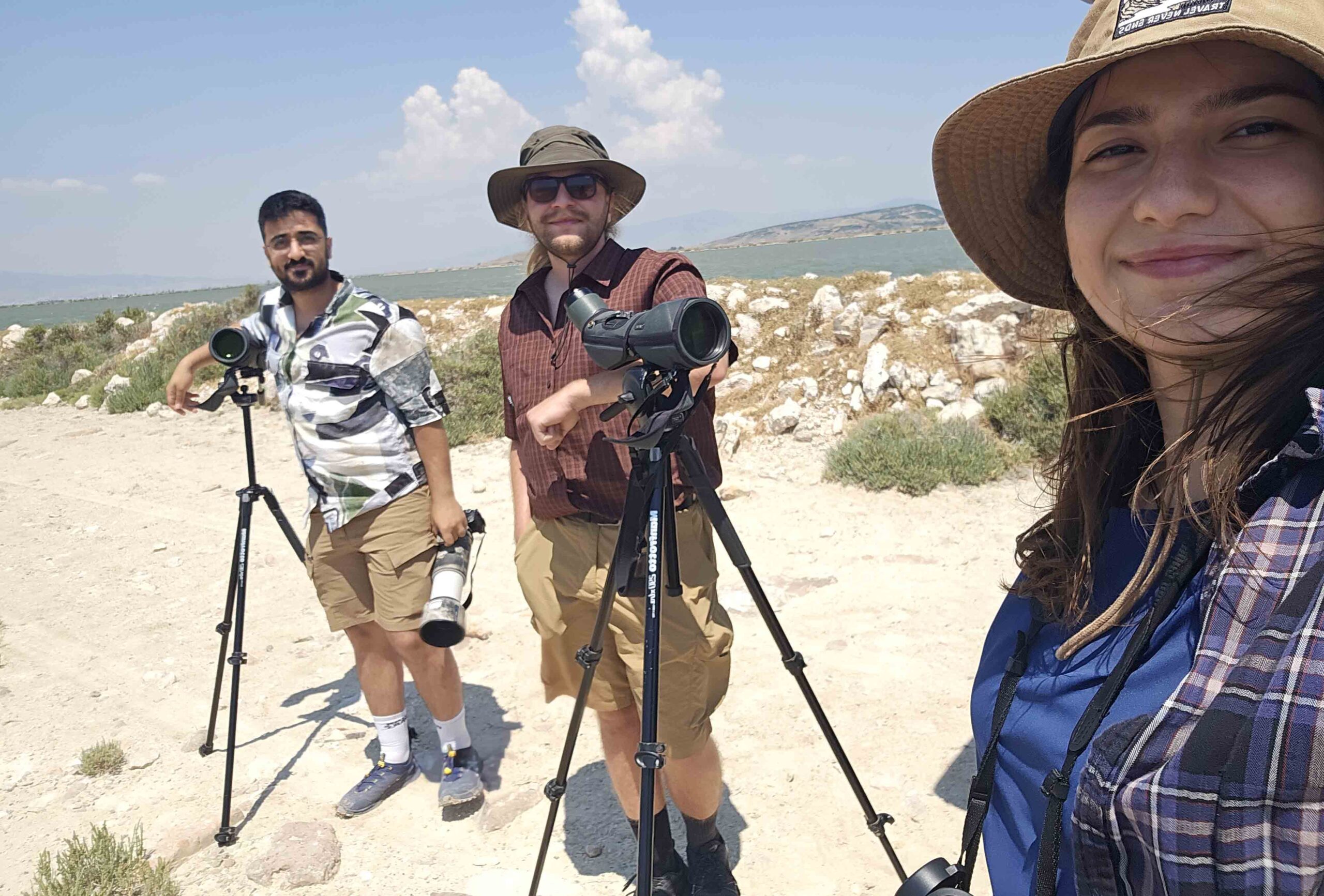
Photo credit (bird photographs): Kutay Durukan.