The Intermunicipal Community of Alentejo Central (CIMAC) is a collective person of public law of associative nature and territorial scope, comprising the area and the 14 municipalities of the Alentejo Central sub-region (NUTS III) in Portugal, and aims the achievement of common interests of the municipalities that integrate it. CIMAC headquarters are located in Évora, a city whose historic centre is a UNESCO World Heritage Site and which will be the European Capital of Culture in 2027.
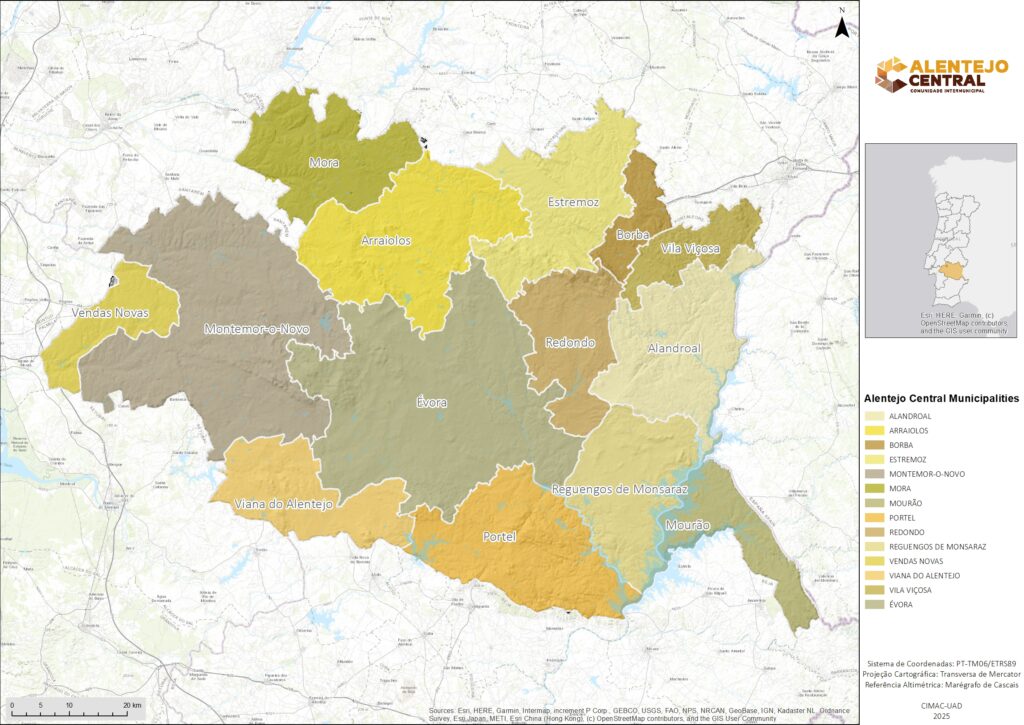
Image 1 – Alentejo Central area and municipalities.
CIMAC, in its “Integrated Strategy for Territorial Development 2021-2027”, a result of a highly participatory process, has set several priority axes of intervention, which have guided the municipalities and other regional entities in one shared vision for Alentejo Central: “to set an ecological sustainable region, socially balanced, founded in a significant geostrategic position, in its connection with Lisbon area of influence, as well as with the south of Spain, in a growing economy based in knowledge, culture and environment”.
Over the years, CIMAC has developed many projects specifically linked to environmental sustainability, climate change adaptation and circular economy.
In terms of planning and adaptation to climate change, it played a key role in developing the Intermunicipal Climate Change Adaptation Plan in 2018, a project carried out with all the municipalities of Alentejo Central with strong collaborative, capacity-building and public participation components. Following this, in 2023, under the Adapta.Local.CIMAC project (EEA Grants) adaptation plans were drawn up at municipal level for all 14 municipalities in Alentejo Central. Thus, the regional and local adaptation strategy was defined, providing a more in-depth understanding of the phenomenon of climate change in this sub-region of Alentejo, while also identifying the options and measures necessary for the adaptation of populations, sectoral methods and practices, infrastructure and equipment, and the actual functioning of public and private entities in future scenarios of climate change and extreme weather events.
These Plans also promote the integration of climate change adaptation into inter-municipal and municipal planning practices and instruments, creating a culture of cross-cutting cooperation between the different sectors and socio-economic players in Alentejo Central.
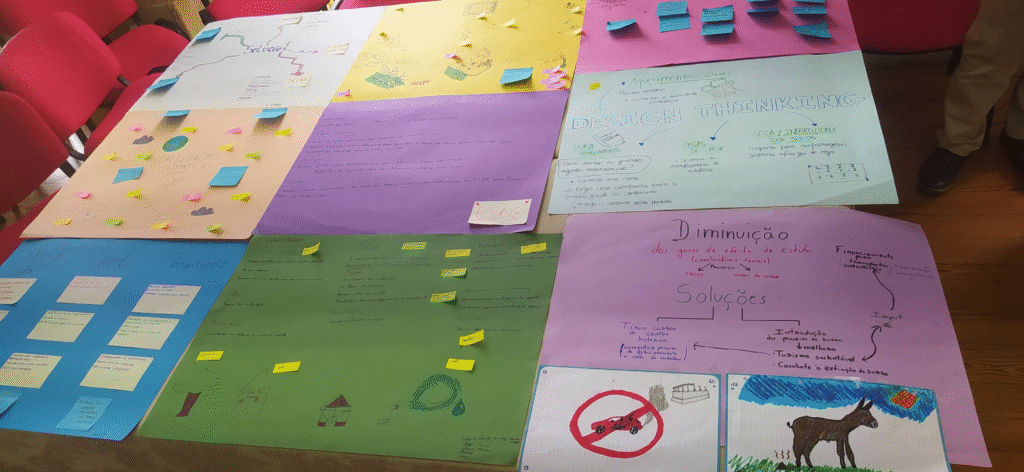
Image 2 – Implementation of local junior councils for adaptation to climate change. Design thinking. (Adapta.Local.CIMAC).
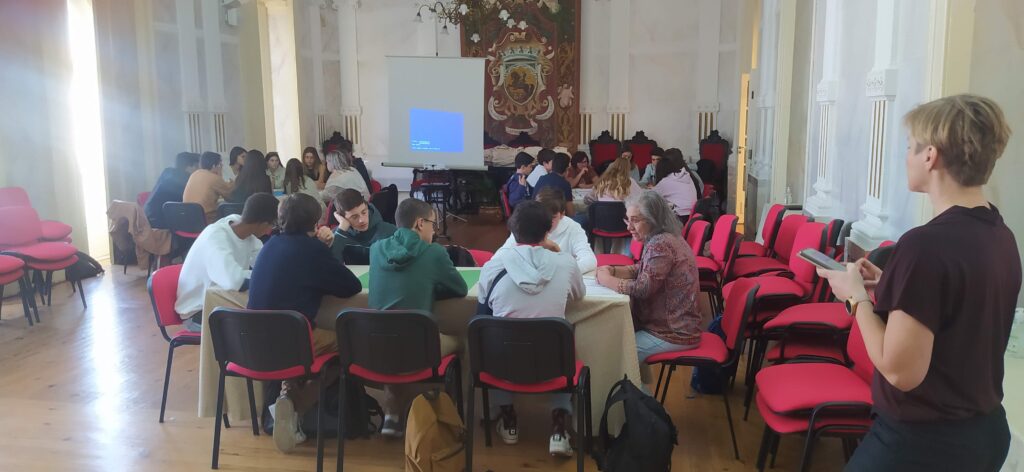
Image 3 – Implementation of local junior councils for adaptation to climate change (Adapta.Local.CIMAC).
Some projects resulting from the defined planning have been implemented in recent years by CIMAC, municipalities and in partnership with various regional, national and international organizations, such as the LIFE – myBUILDINGisGREEN project, which implemented Nature-based Solutions in school facilities as prototypes for climate adaptation and to improve the well-being of children and staff.
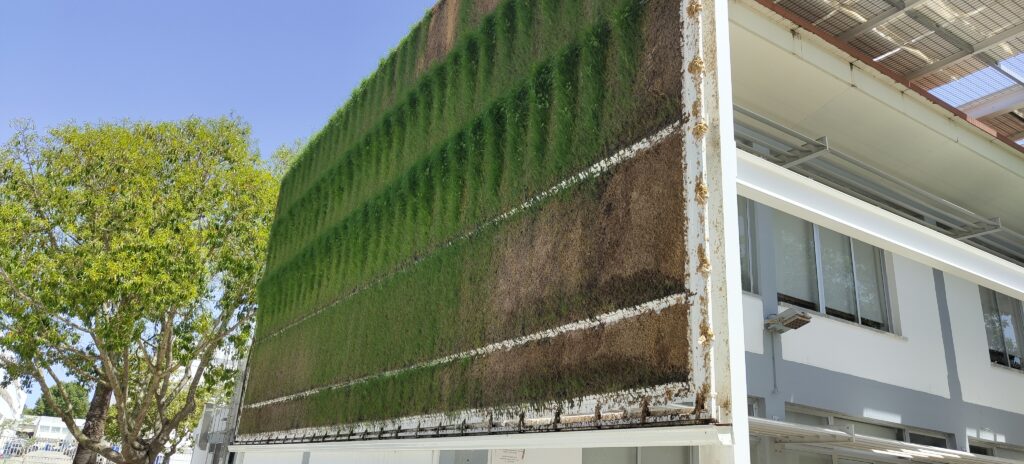
Image 4 – Green Wall | mBIGToldo Prototype, Horta das Figueiras Primary School (Évora, Portugal).

Image 5 – Green roof. mBIGWTray prototype, Horta das Figueiras Primary School (Évora, Portugal).
In September 2024, CIMAC inaugurated the Reguengos Greenway. Along its 37 km, this infrastructure offers a unique opportunity for walking, cycling, and other forms of soft mobility. The Greenway promotes the natural and cultural heritage of the Alentejo, highlighting the Montado, one of the region’s most representative ecosystems. It is part of the ‘Grande Rota do Montado’ project, which aims to convert all the decommissioned railway lines in central Alentejo into greenways, creating a regional network connecting towns, cities and municipalities.
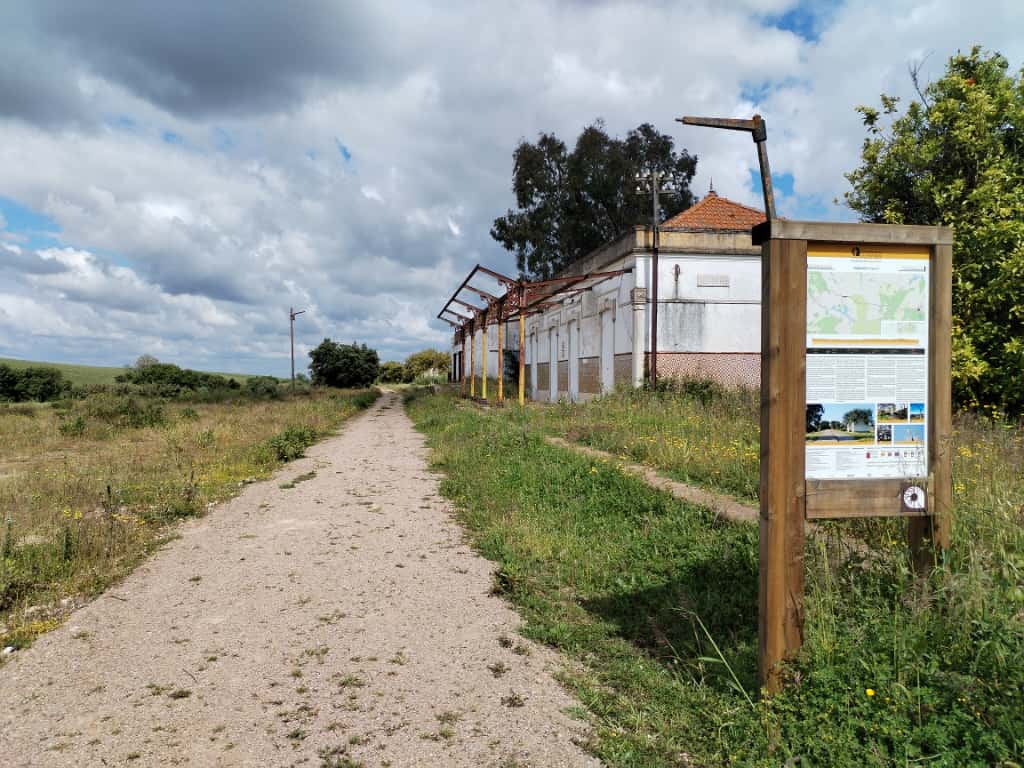
Image 6 – Reguengos Greenway (Montoito old railway station and information boards).
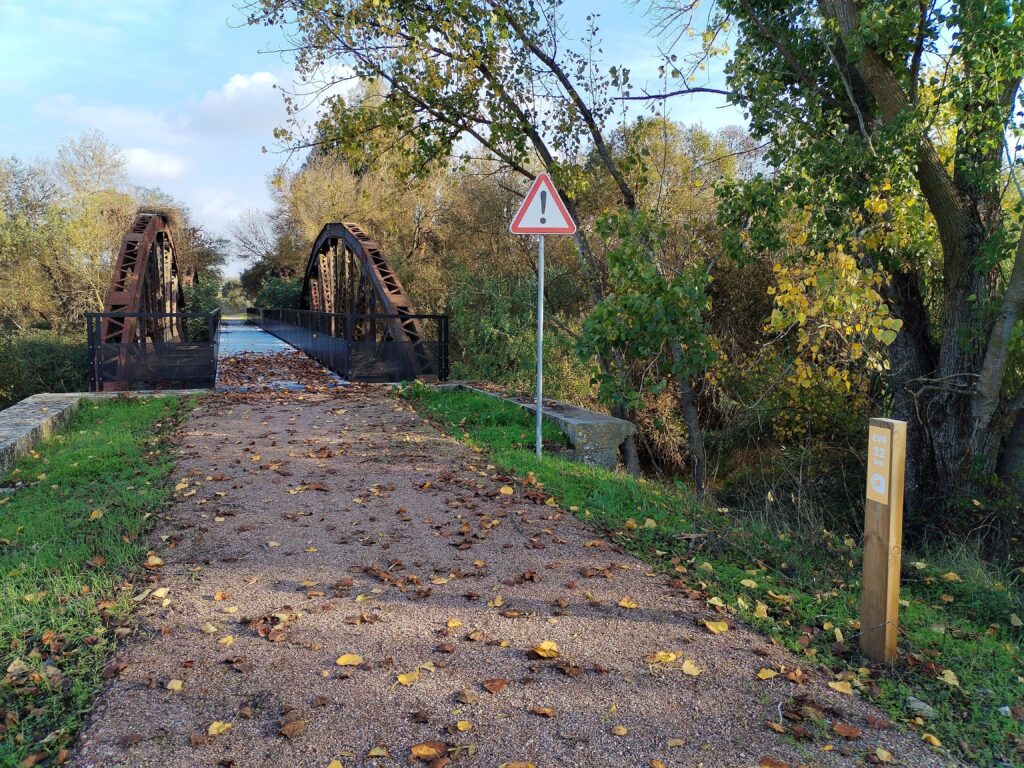
Image 7 – Reguengos Greenway (old railway bridge).
In the area of the circular economy, CIMAC has participated in several projects, such as the TANGO CIRCULAR project (Erasmus Program), which aimed to explore innovative training methods and implement cutting-edge solutions with a view to recovering natural waste and seeking new opportunities for economic growth in agriculture, and, for example, the PLAcarvões project, which aimed to implement a solution that integrates the principles of the circular economy into the plastics value chain, with the recovery of plastic waste (agricultural plastic, disposable plastics and CDR) through the production of activated carbon.
CIMAC is currently developing the CARDIMED project and is responsible for implementing DEMO7, in partnership with the University of Évora, DEMO7 works towards ecological restoration of the cultural landscape named Montado, which is a multifunctional, agrosylvopastoral system (a type of agroforestry), and riparian galleries at a regional level, as well as control invasive species, with a focus on the creation of partnerships with public and private entities to carry out conservation, recovery, restoration and enhancement projects in sensitive areas that are rich in endogenous heritage.