Digitalisation has become a key tool for addressing the social, environmental, and territorial challenges of the Mediterranean. Far from being just a technological advancement, it enables more informed decision-making, resource optimisation, and reinforcement of local community resilience. Within the framework of the CARDIMED project, digital transformation becomes a cross-cutting axis that complements nature-based solutions and drives the transition towards a more sustainable, inclusive, and future-ready territorial model.
A sea of environmental challenges
Droughts, biodiversity loss, soil degradation, extreme weather events… These are just a few of the challenges Mediterranean regions face as a result of climate change. These phenomena threaten the quality of life and the sustainability of socio-economic and natural systems. The region needs new tools to improve territorial planning and response.
Digitalisation offers that bridge between knowledge and action. With techniques such as real-time sensing, artificial intelligence, and digital twins, it is possible to model scenarios, anticipate risks, and define precise strategies for water, energy, and agricultural management. These solutions enable the design of more adaptive, efficient, and tailored responses.
CARDIMED’s Digital Infrastructure
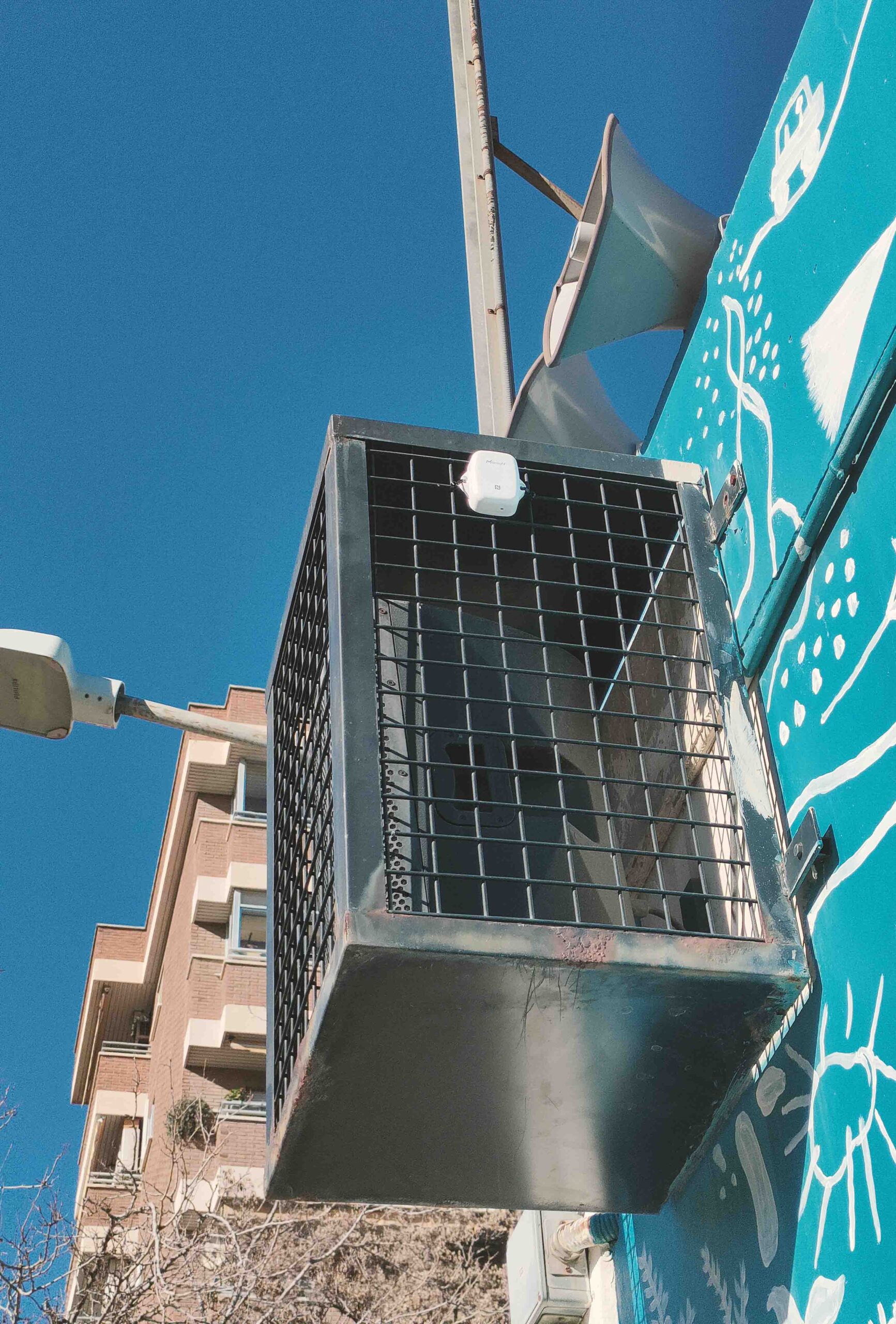
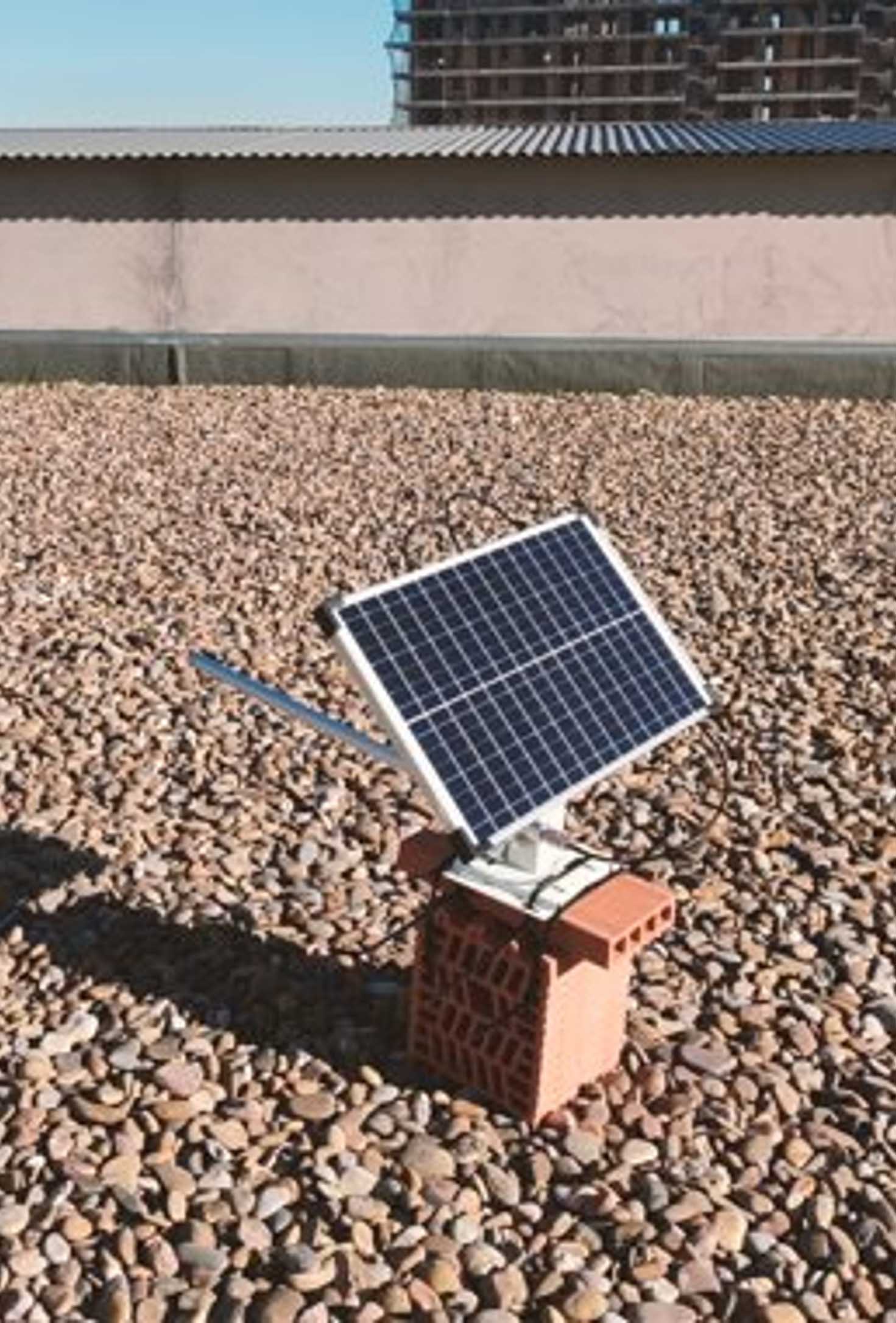
The project is deploying a robust digital infrastructure that integrates data collection, dynamic modelling, and visualisation platforms. At its nine demonstration sites, this infrastructure offers:
- Data capture via sensors and satellite sources
- Digital modelling (including the WEFE nexus) to assess interactions among water, energy, food, and ecosystems
- Accessible dashboards for local stakeholders, combining indicator maps, early warnings, and citizen inputs
This approach not only helps understand the environment but also empowers local actors, promotes replicable projects, and supports the transition to a more resilient Mediterranean.
At CARDIMED, digitalisation is seen as a lever for integration with nature-based solutions and collaborative processes. Thanks to the technological infrastructure:
- Knowledge transfer is facilitated through the Resilience Alliance, a space for exchange among 28 regions and 70 communities planned until 2030
- Monitoring and statistical analysis of interventions are supported (e.g., vegetative systems, soil decompaction, or smart irrigation), allowing for evaluation of performance, replicability, and efficiency
- A channel is opened for local community participation, such as through drought-condition surveys or responses to extreme weather events, reinforcing the project’s social dimension
CIRCE plays a key role in developing the project’s digital infrastructure, contributing its technical expertise in areas such as advanced sensing, artificial intelligence, and simulation of the water-energy-food-ecosystems (WEFE) nexus. Its work focuses on creating digital tools tailored to the realities of each territory, providing platforms that support local decision-making, and designing solutions that can be transferred to other contexts. As a technological leader, CIRCE connects the potential of innovation with the Mediterranean’s sustainability goals, embracing a systemic vision that links technology and territory.
Meanwhile, the Government of Aragón (DGA) strengthens this initiative by acting as an institutional partner that not only supports the project’s approach but also actively contributes to aligning it with regional policy. Its involvement promotes cross-sector collaboration, ensures the direct engagement of communities, and fosters environments that are conducive to experimentation, digitalisation, and the scaling of solutions. In doing so, DGA helps turn technological advances into tangible improvements for society.
In short, CARDIMED is becoming a project that connects nature, technology, and territory, and digital tools are essential to orchestrate that synergy.