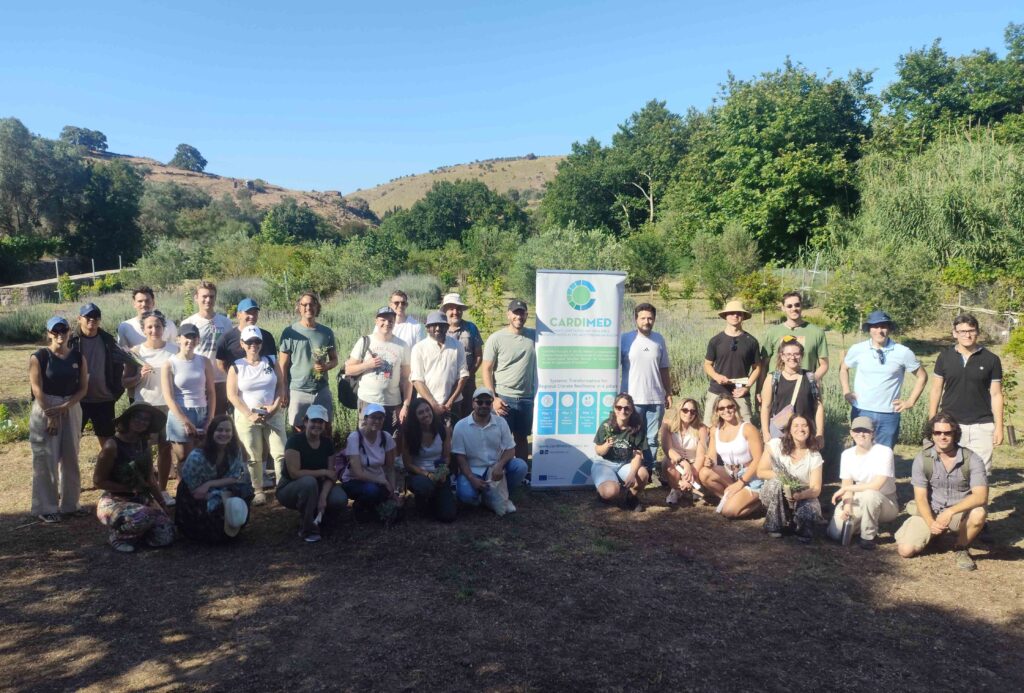
Throughout 2026, the CARDIMED sub-DEMO1.1 in Antissa, Lesvos, coordinated by the National Technical University of Athens (NTUA), welcomed students from secondary schools and universities for a series of educational visits designed to connect academic learning with real-world climate adaptation solutions.
The activities introduced participants to the demonstration site’s ongoing research on Nature-based Solutions (NbS), sustainable agriculture and water reuse, while offering opportunities to engage directly with field monitoring and restoration activities.
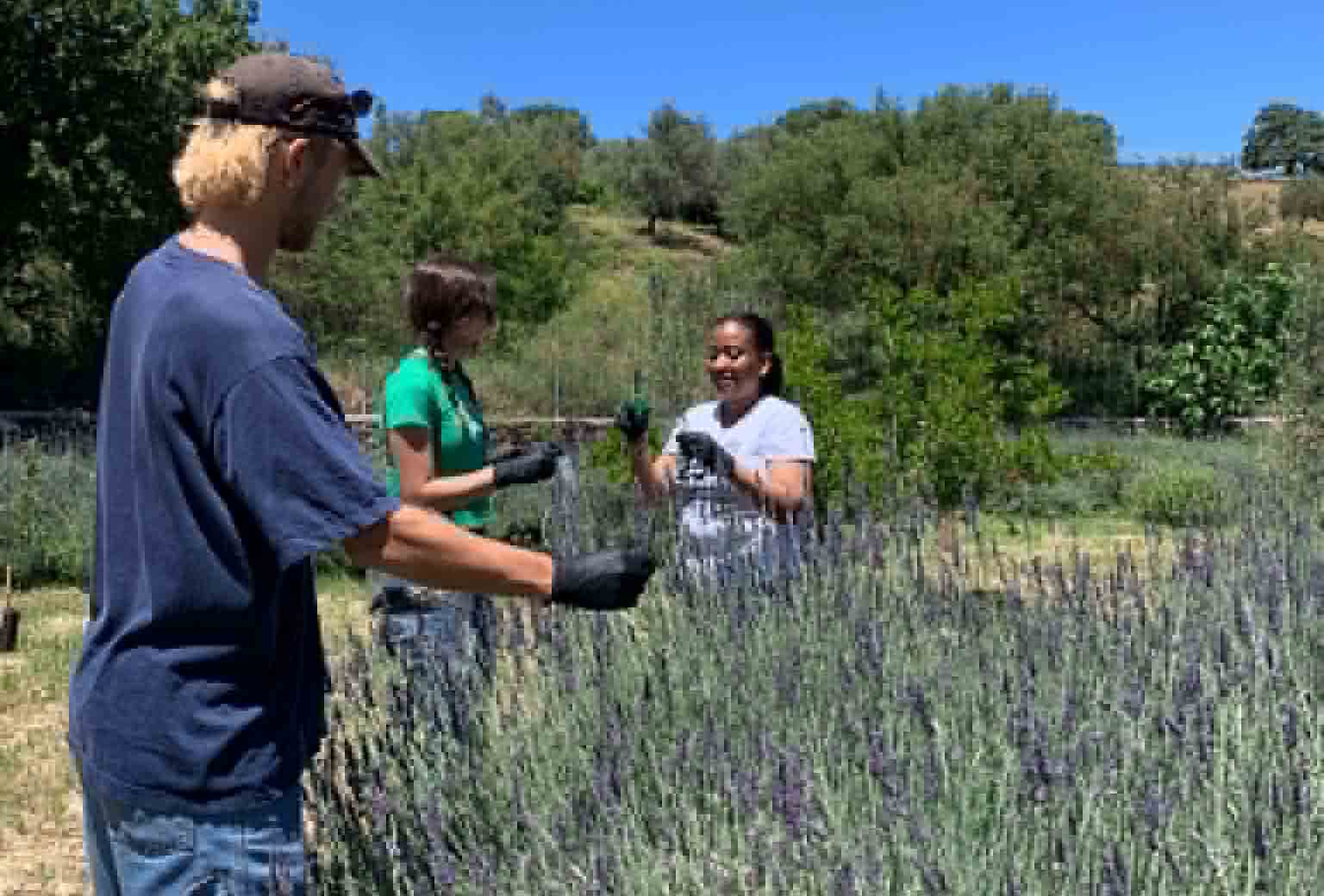
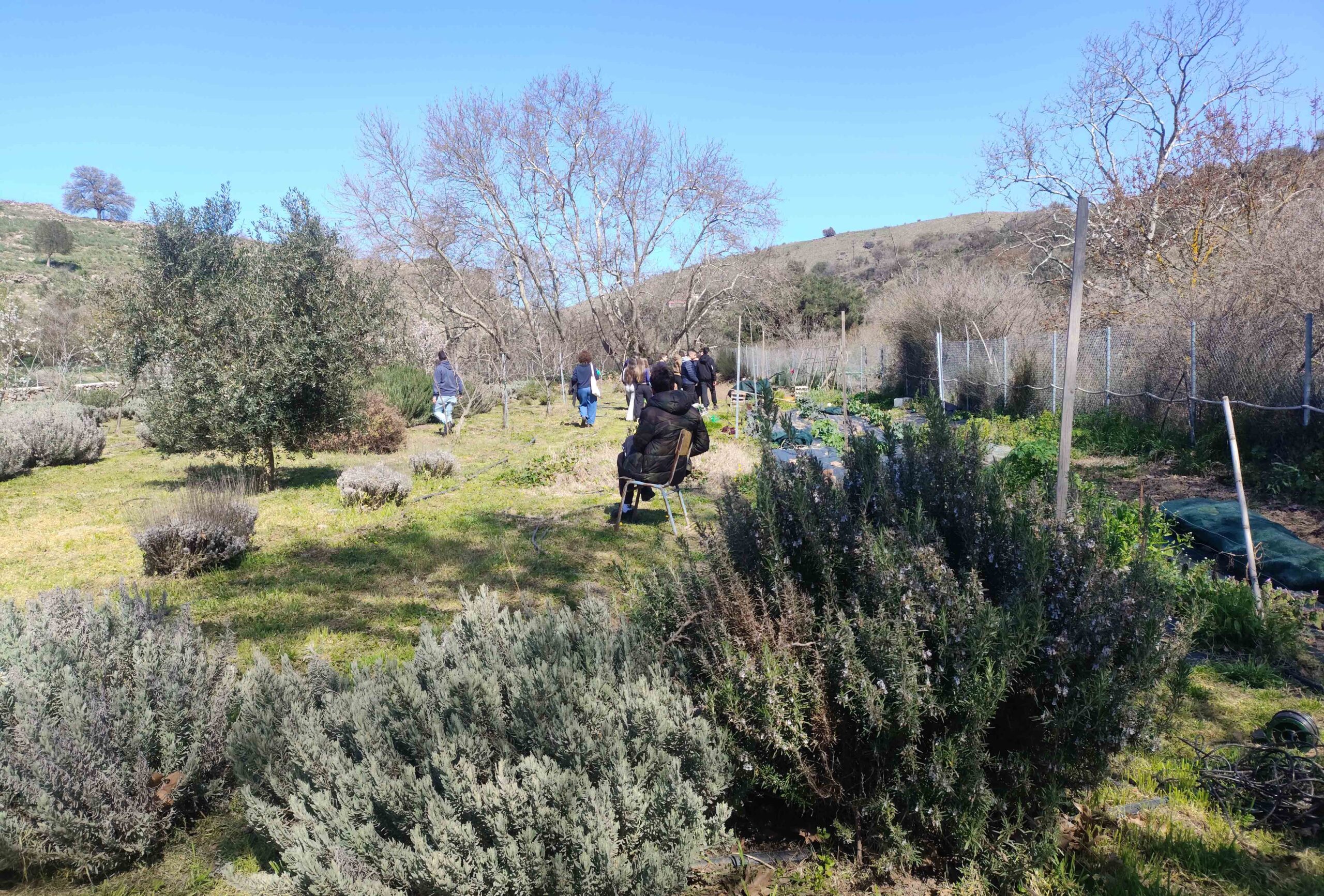
One of the visits brought together students from the MESPOM international Master’s programme at the University of the Aegean. During a soil monitoring campaign in the agroforestry system, participants joined NTUA and CREAF researchers in soil sampling activities, gaining first-hand experience of the scientific methods used to monitor ecosystem health and assess the impacts of Nature-based Solutions.
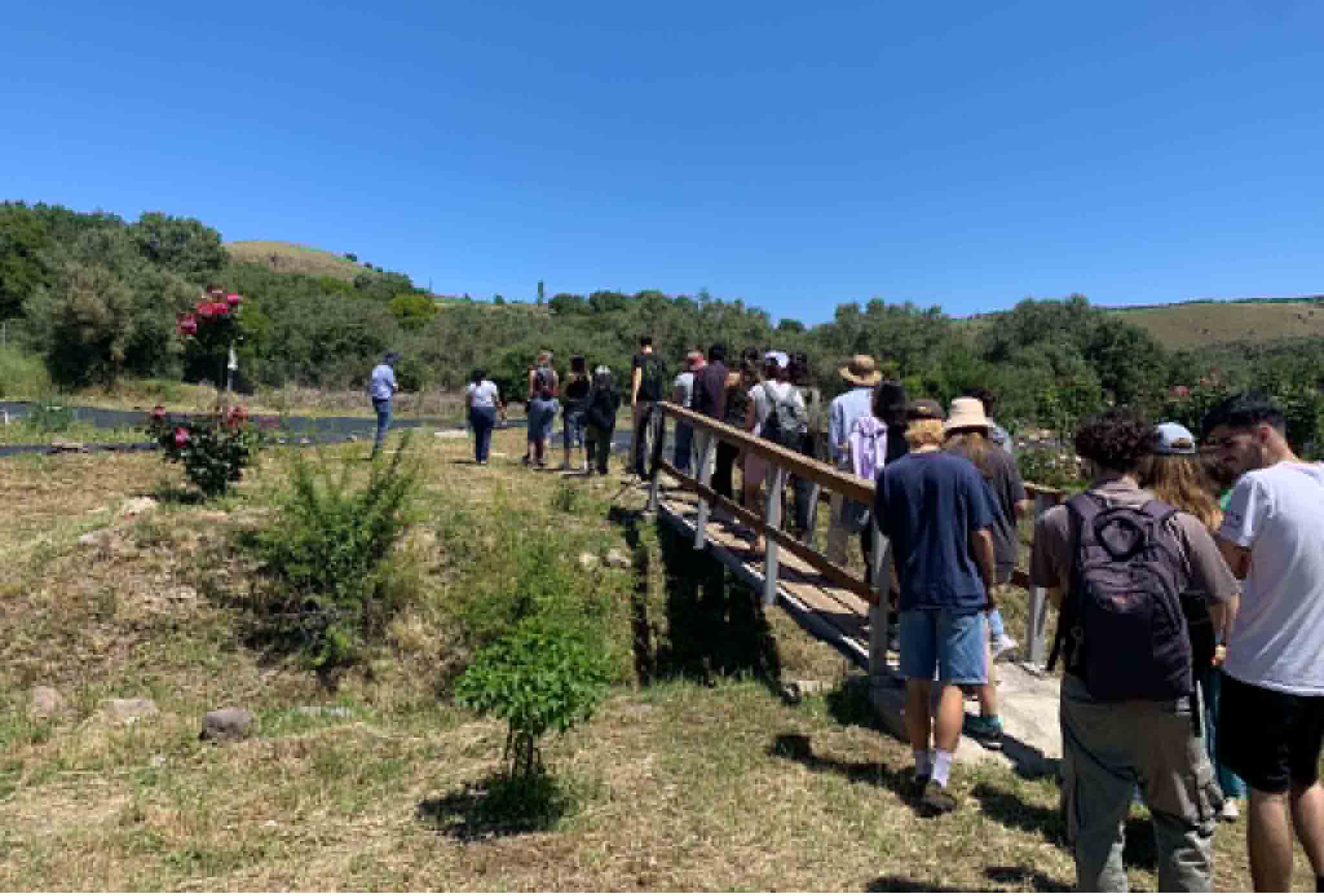
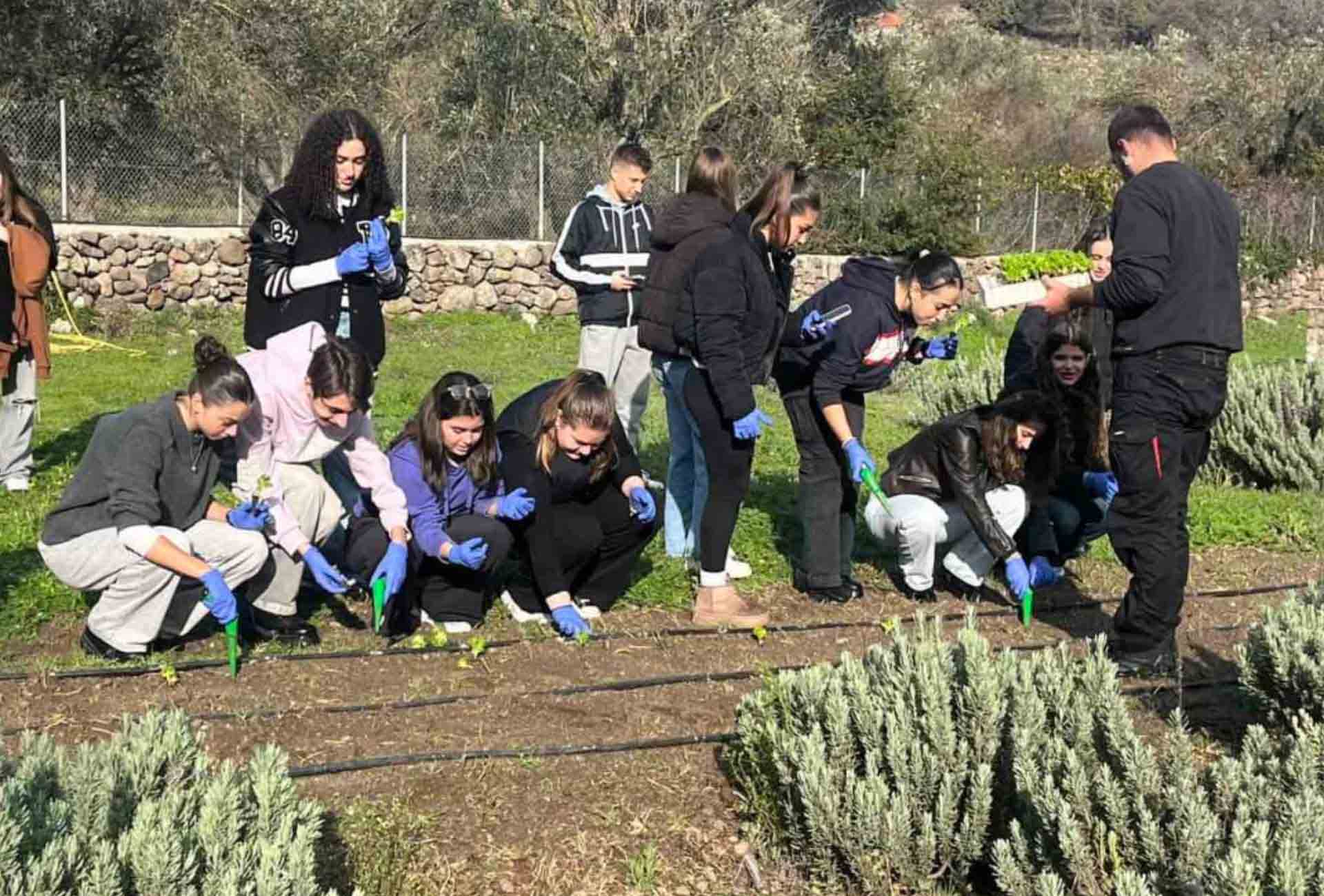
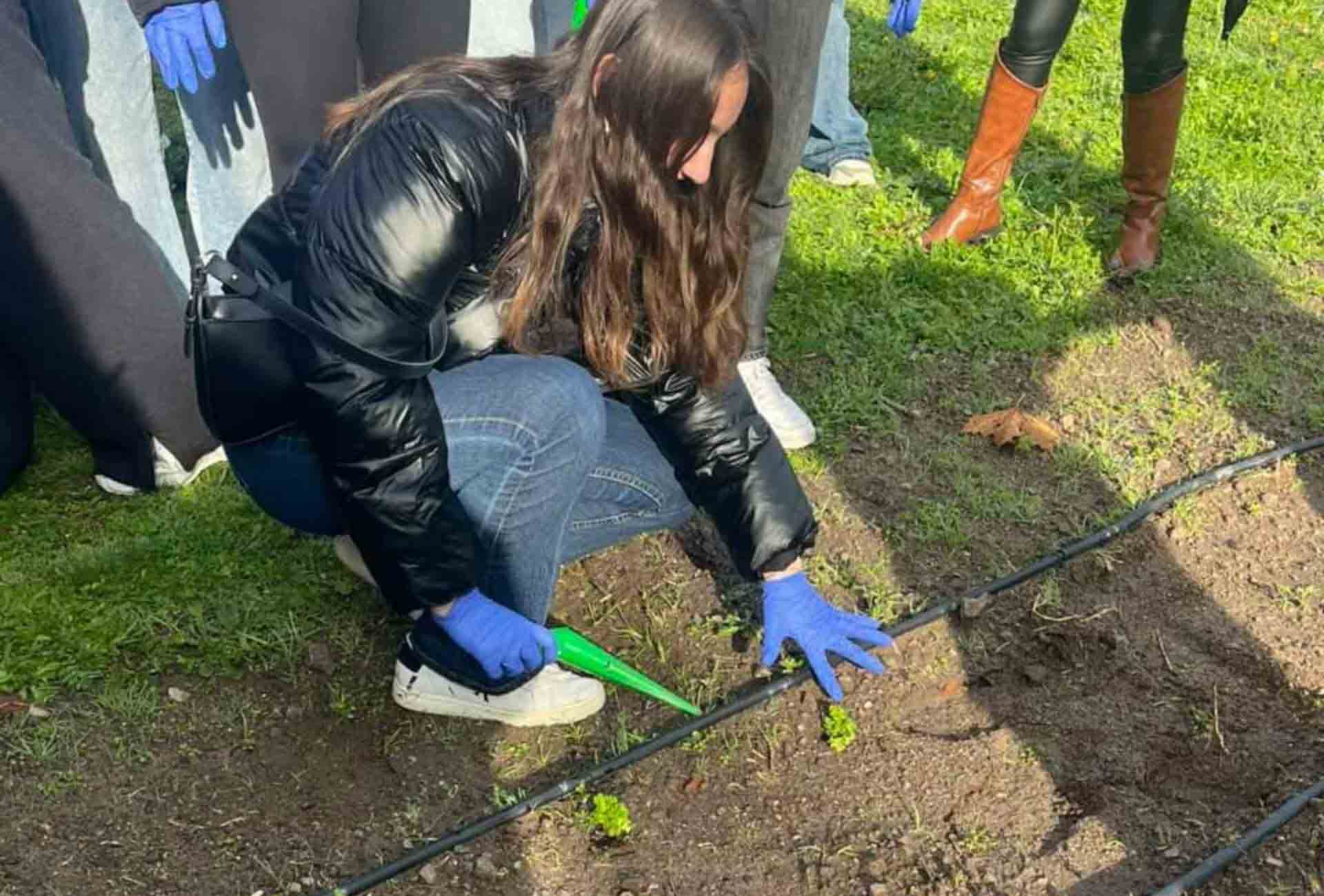
Secondary school students also had the opportunity to discover the project through practical activities tailored to their educational level. Students from Kalloni High School participated in the planting of lettuces as part of the winter crop season within the agroforestry system. Guided by NTUA experts, they explored how sustainable agricultural practices contribute to climate resilience while experiencing the implementation of Nature-based Solutions in the field.
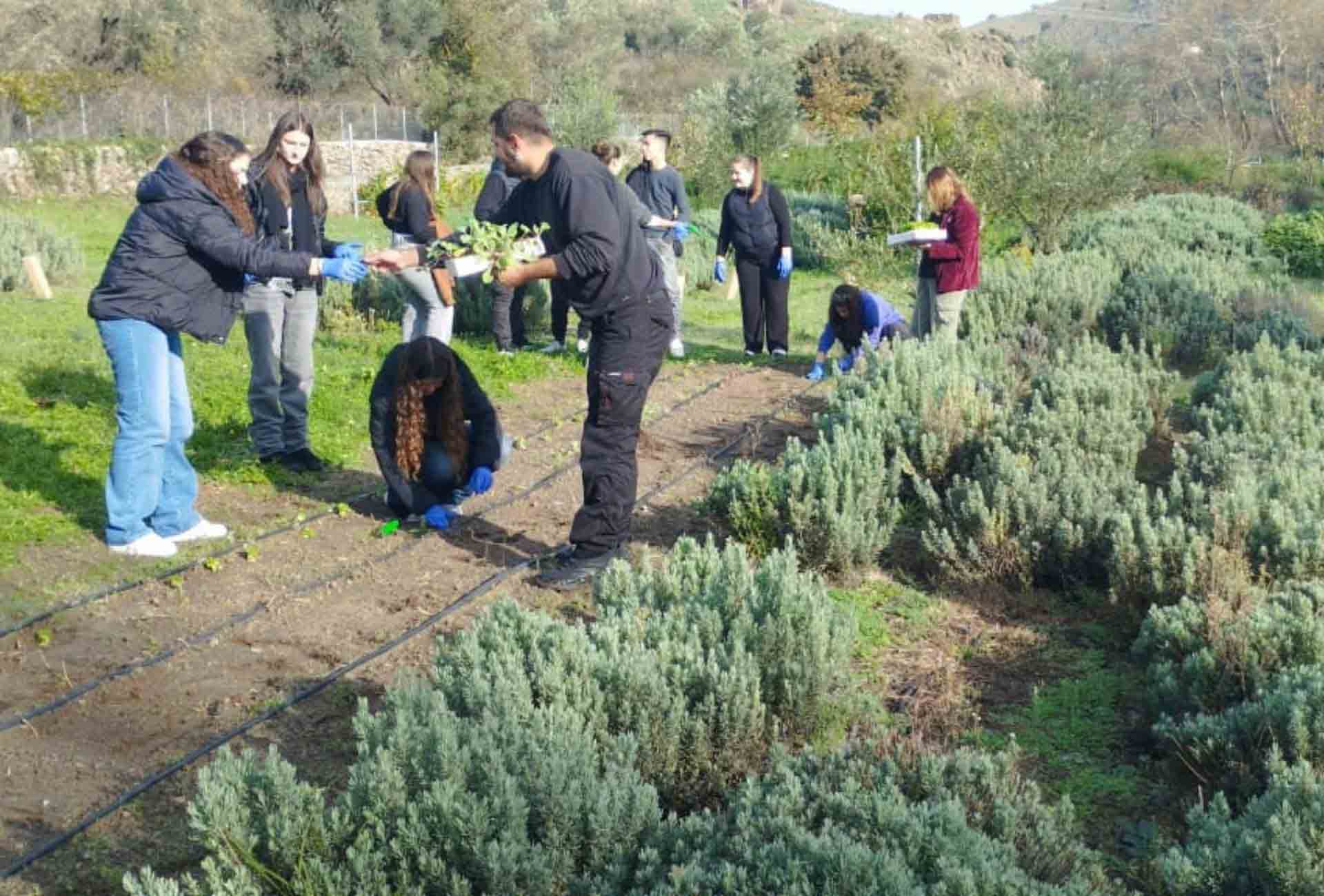
Meanwhile, students from Antissa High School visited the demonstration site to learn about the CARDIMED interventions being implemented in their local area. To encourage the continuation of these actions beyond the visit, the students received plants to green their schoolyard, applying concepts similar to those demonstrated at the project site and promoting environmental stewardship within their own community.
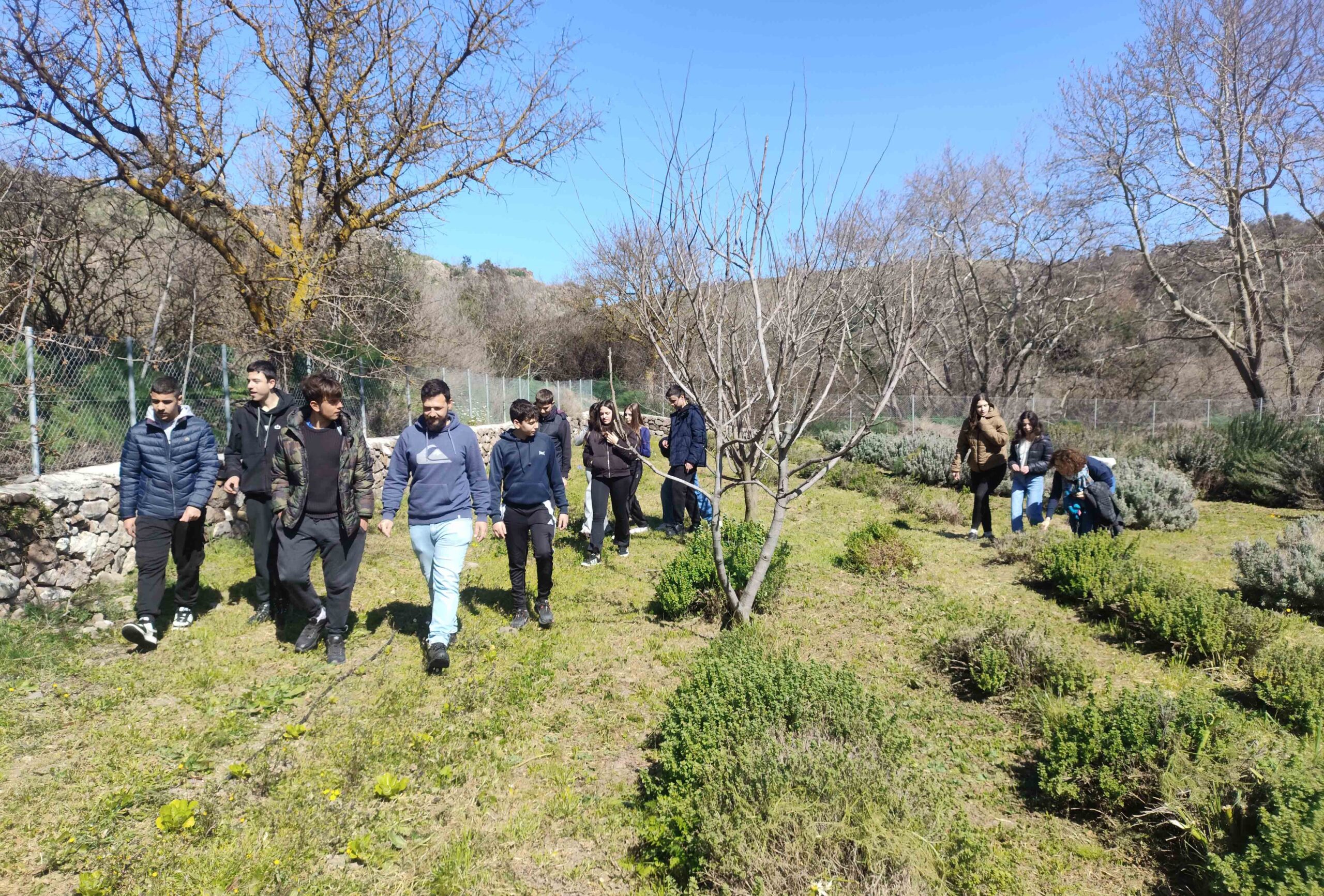
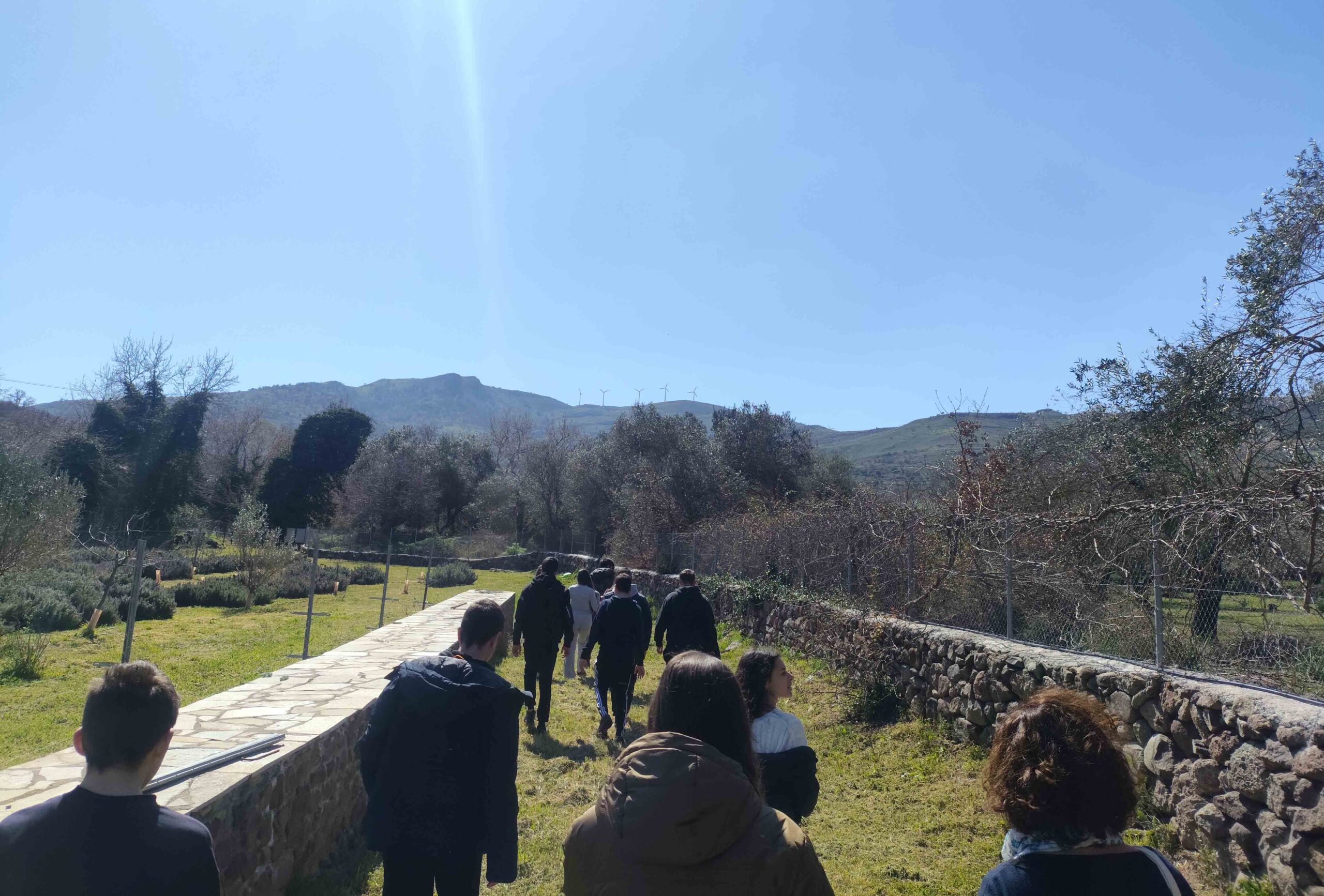
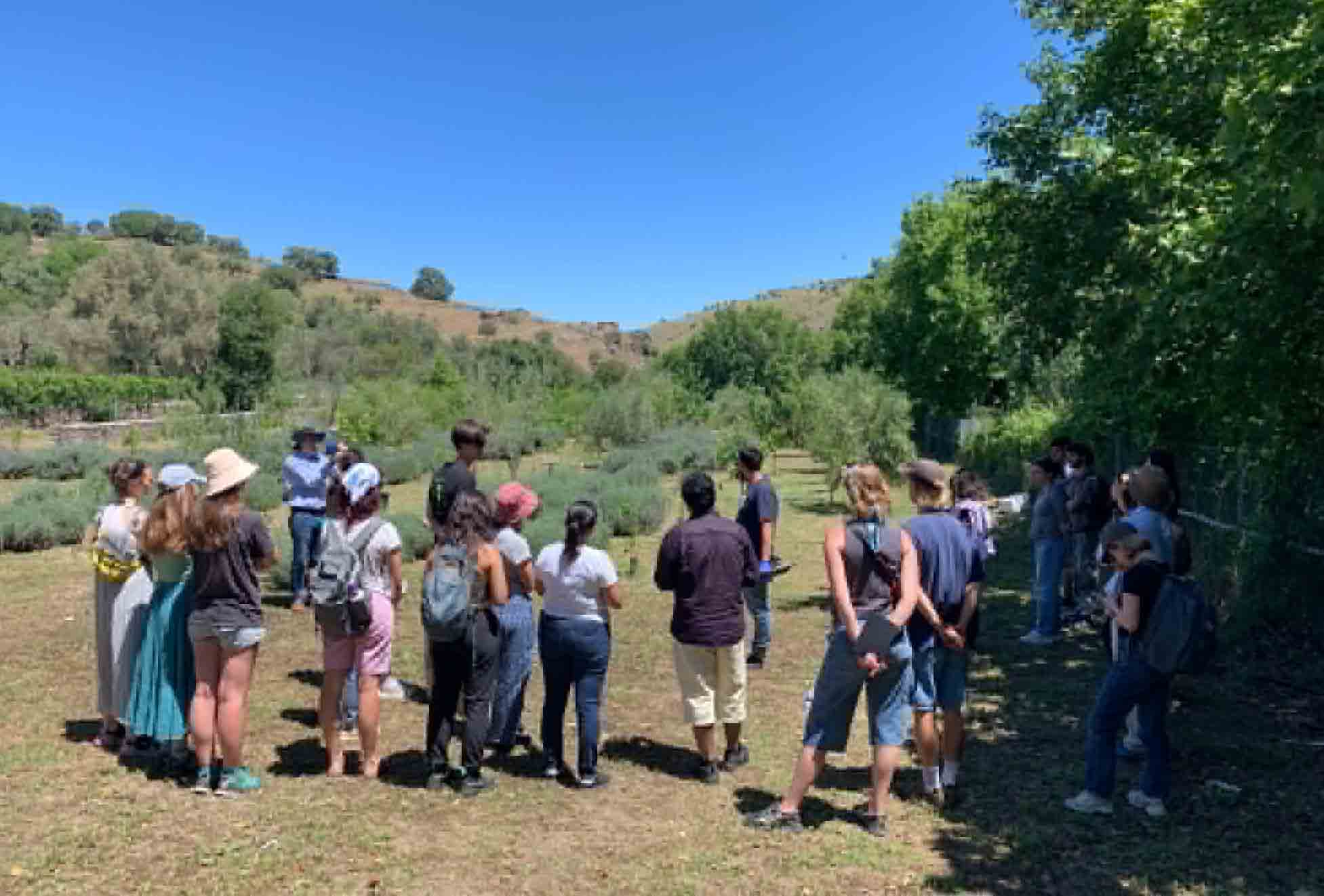
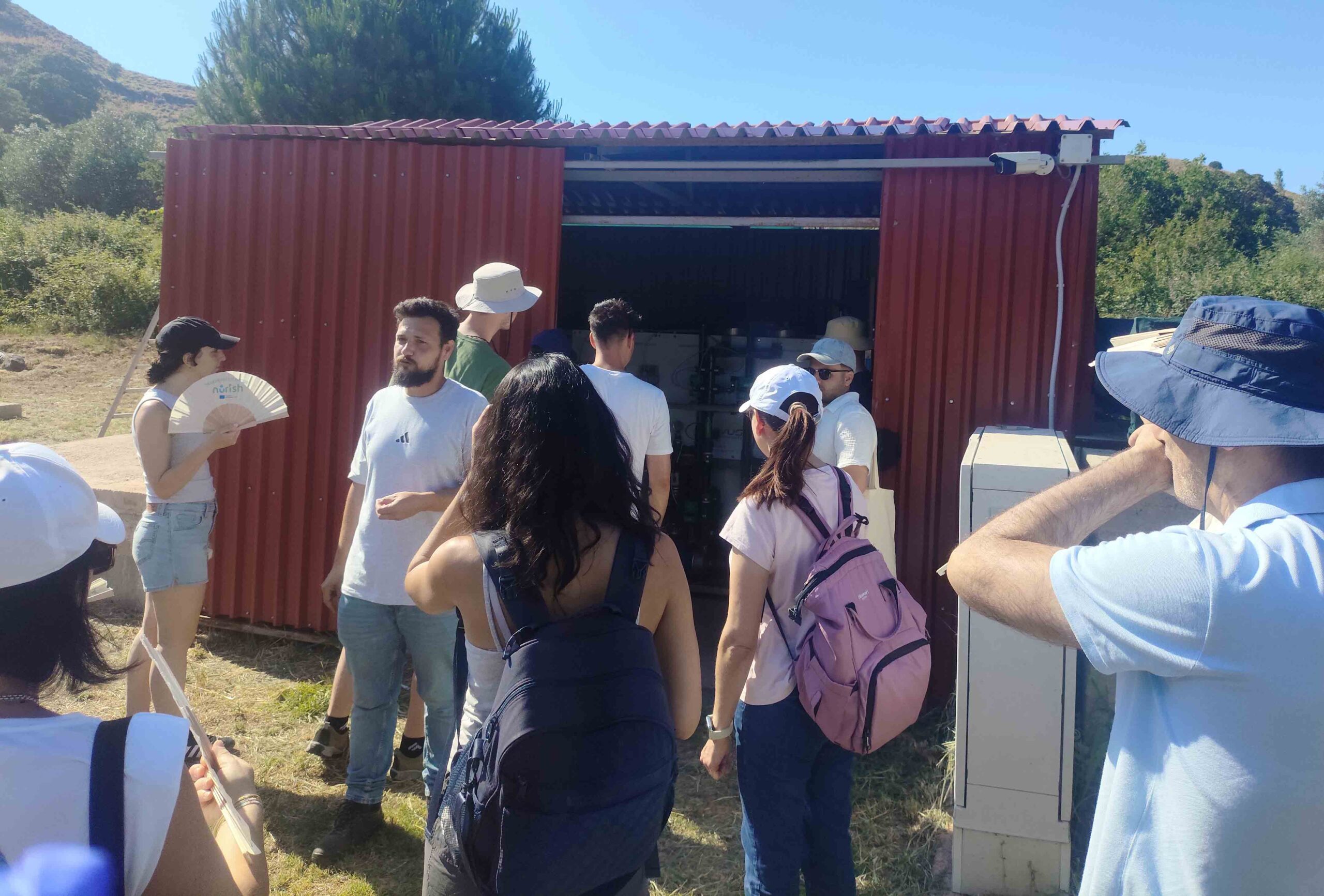
The demonstration site also welcomed participants from the University of the Aegean Summer School, organised within the framework of the European project ZeroPM. During the visit, NTUA researchers presented the wastewater treatment technologies and water reuse systems implemented at sub-DEMO1.1, while discussions explored the behaviour of PFAS in these treatment systems and the challenges associated with ensuring safe water reuse.
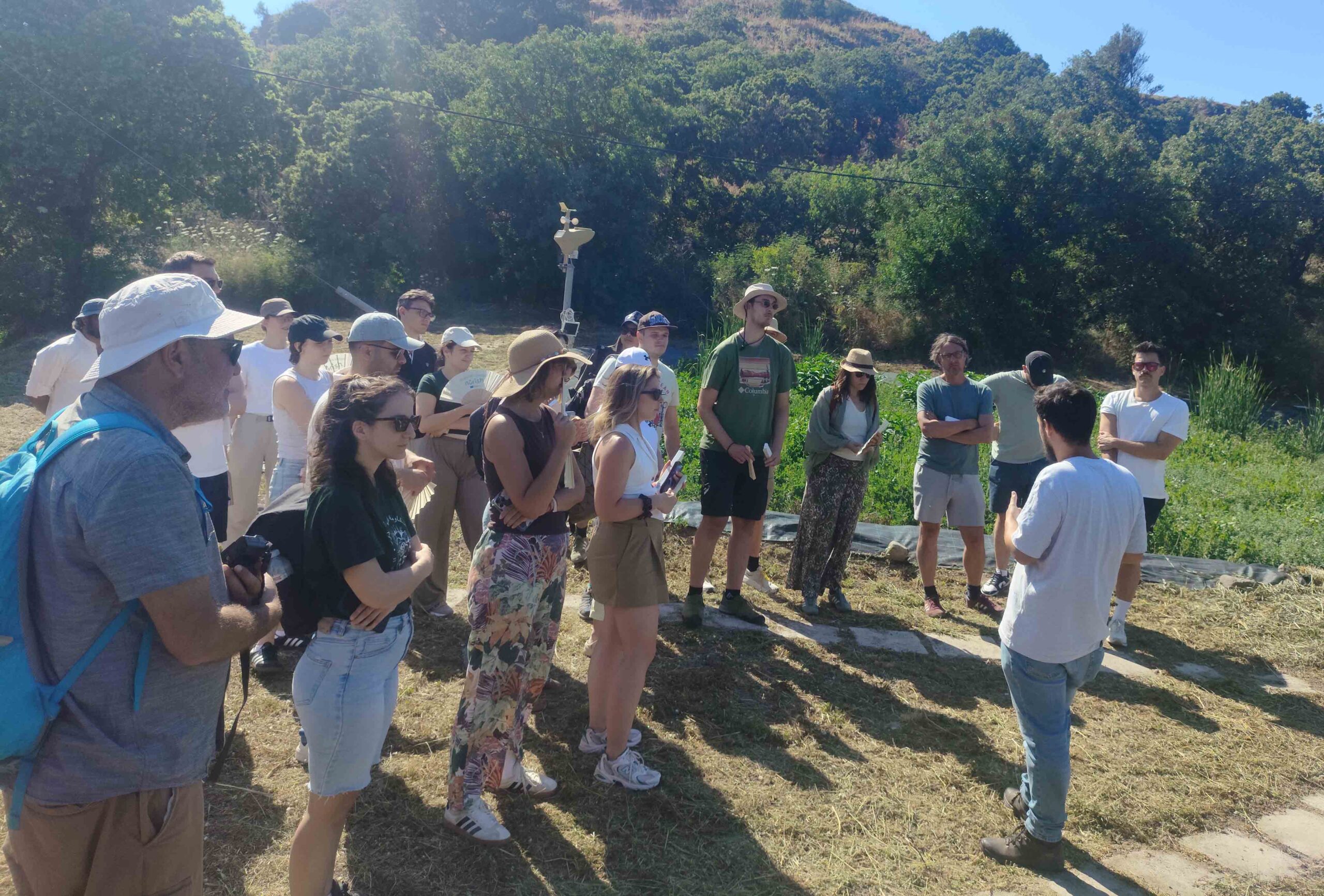
By opening its demonstration site to students from different educational backgrounds, CARDIMED is helping bridge the gap between research, innovation and education. These visits not only increase understanding of Nature-based Solutions and sustainable water management but also inspire future professionals and local communities to play an active role in building climate resilience across the Mediterranean.