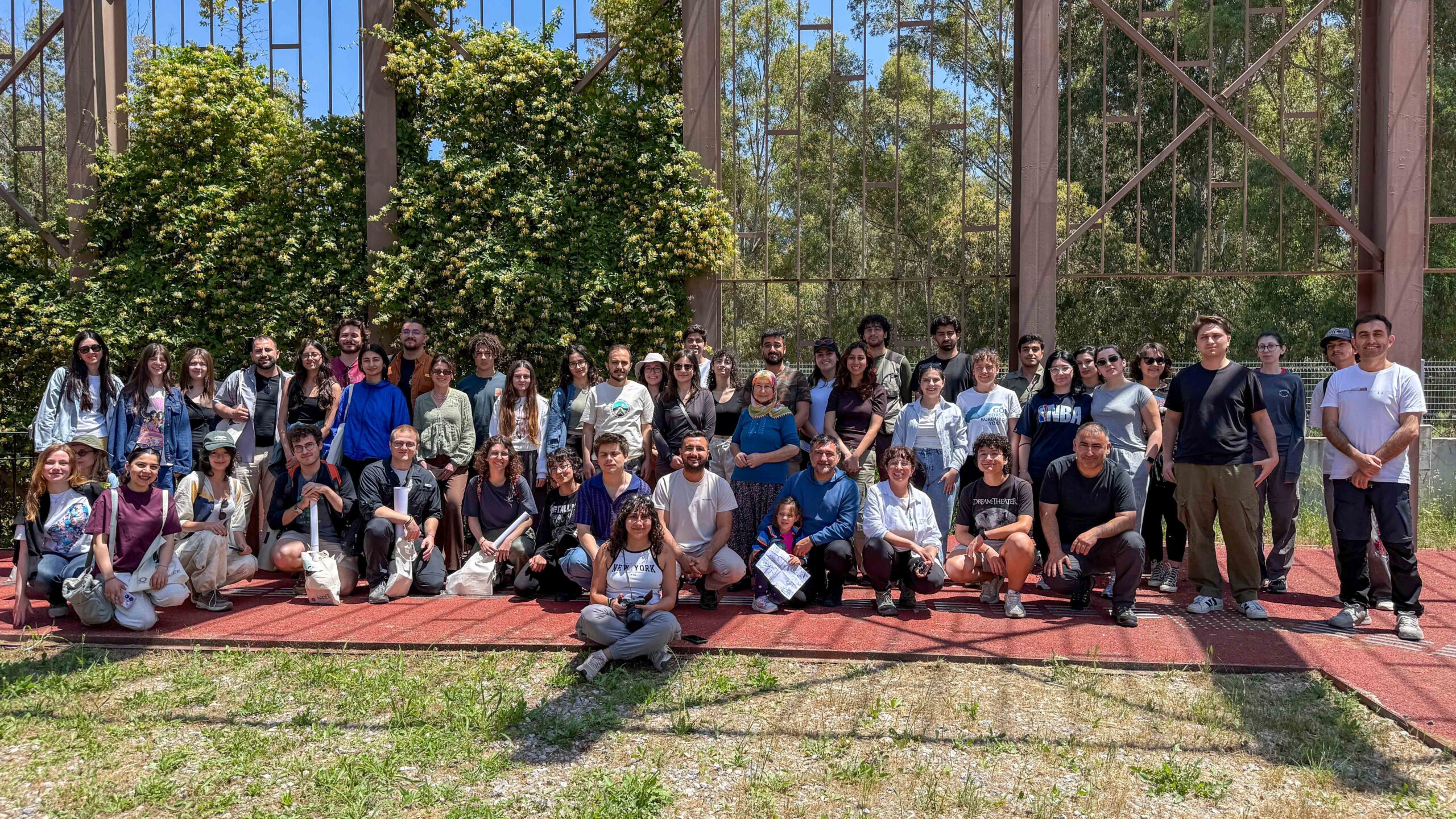
On November 12th, 2024, our project partner, EMUASA represented CARDIMED at the Green Innovation Camp in Murcia, Spain. The event gathered European specialists to discuss best practices in sustainable water management. It was organized under the framework of the GreenMe5 project, funded by the LIFE Programme, and aligned with the goals of the Green City Accord.
Murcia stood out as a model for water reuse, currently recycling 98% of its wastewater. The city is also making significant progress in implementing sustainable urban drainage systems (SUDS) to harness rainwater and prevent flooding. These efforts demonstrate the city’s commitment to innovative and sustainable water management solutions.
Representing the CARDIMED project, Elena de Vicente from EMUASA delivered a compelling presentation providing an overview of CARDIMED, outlining the project’s main pillars and the collaborative efforts of its 51 partners across 14 countries. She emphasized the initiative’s activities across nine demonstration sites in the Mediterranean, with a special focus on a replicability study of SUDS in Murcia. This localized solution addressed climate change challenges, including flood risk mitigation and the reduction of urban heat, showcasing CARDIMED’s commitment to climate resilience.
The Green Innovation Camp provided a valuable platform for sharing insights from CARDIMED, exchanging expertise, and engaging with stakeholders committed to sustainability. The event also highlighted Murcia’s ongoing efforts to promote water reuse and sustainable urban drainage as scalable solutions for other European cities facing similar challenges.
About GreenMe5 and the Green City Accord
The LIFE GreenMe5 initiative aims to facilitate the implementation of the Green City Accord in five European municipalities. By fostering territorial cooperation, participating cities work to share experiences, improve capacities, and devise solutions to common urban challenges. Pilot actions in areas such as biodiversity, air quality, waste management, water, and noise reduction are being tested, offering transferable best practices for adoption across Europe.