The CARDIMED project marked its first year with the successful 3rd Consortium Meeting held in Catania, Sicily, on September 25, 26, and 27, 2024. Bringing together all 53 partners, the event provided an invaluable opportunity to reflect on the progress made during the first year, set out the next steps, and strengthen the collaboration between stakeholders working towards a common goal: tackling climate change through Nature-Based Solutions (NbS).
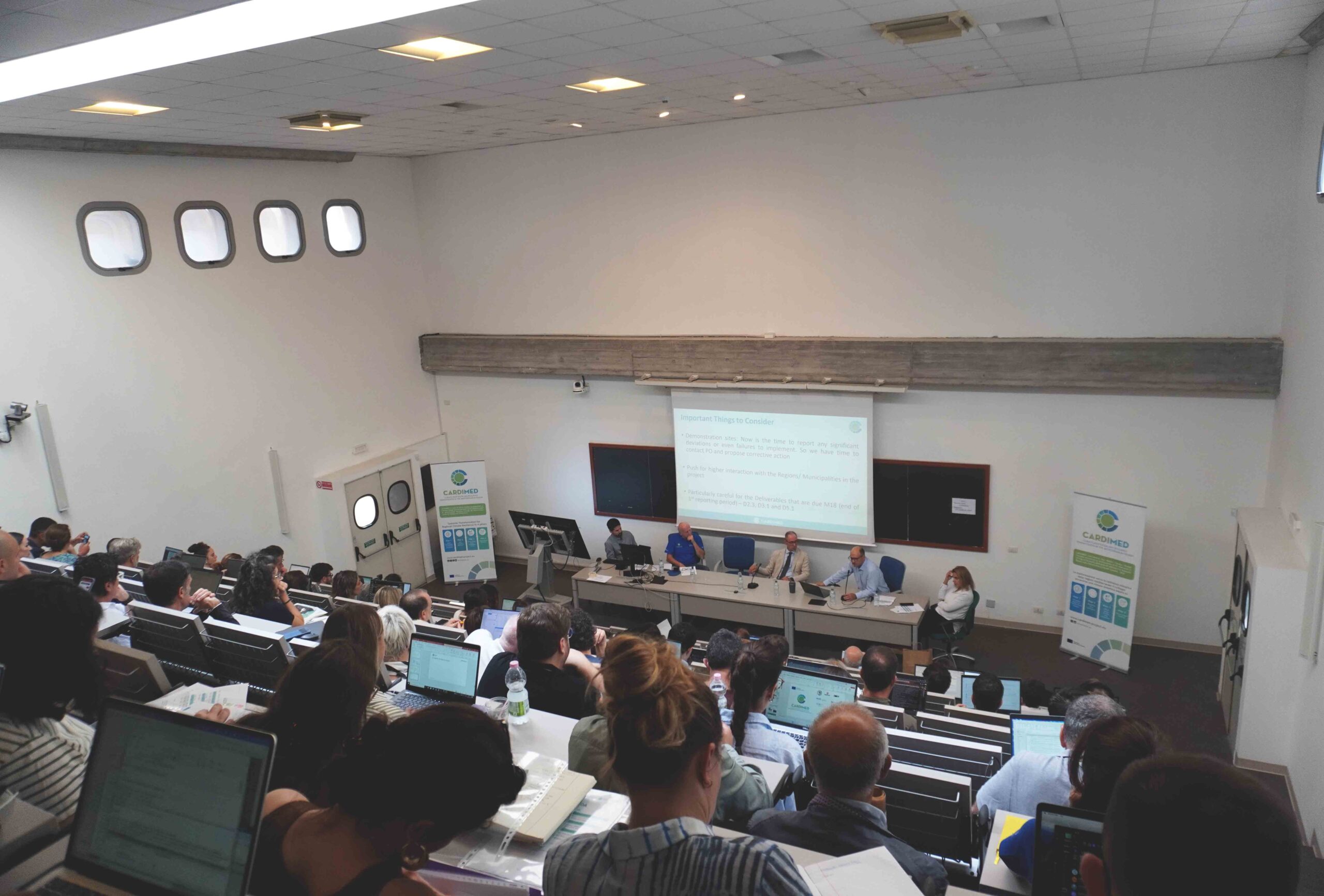
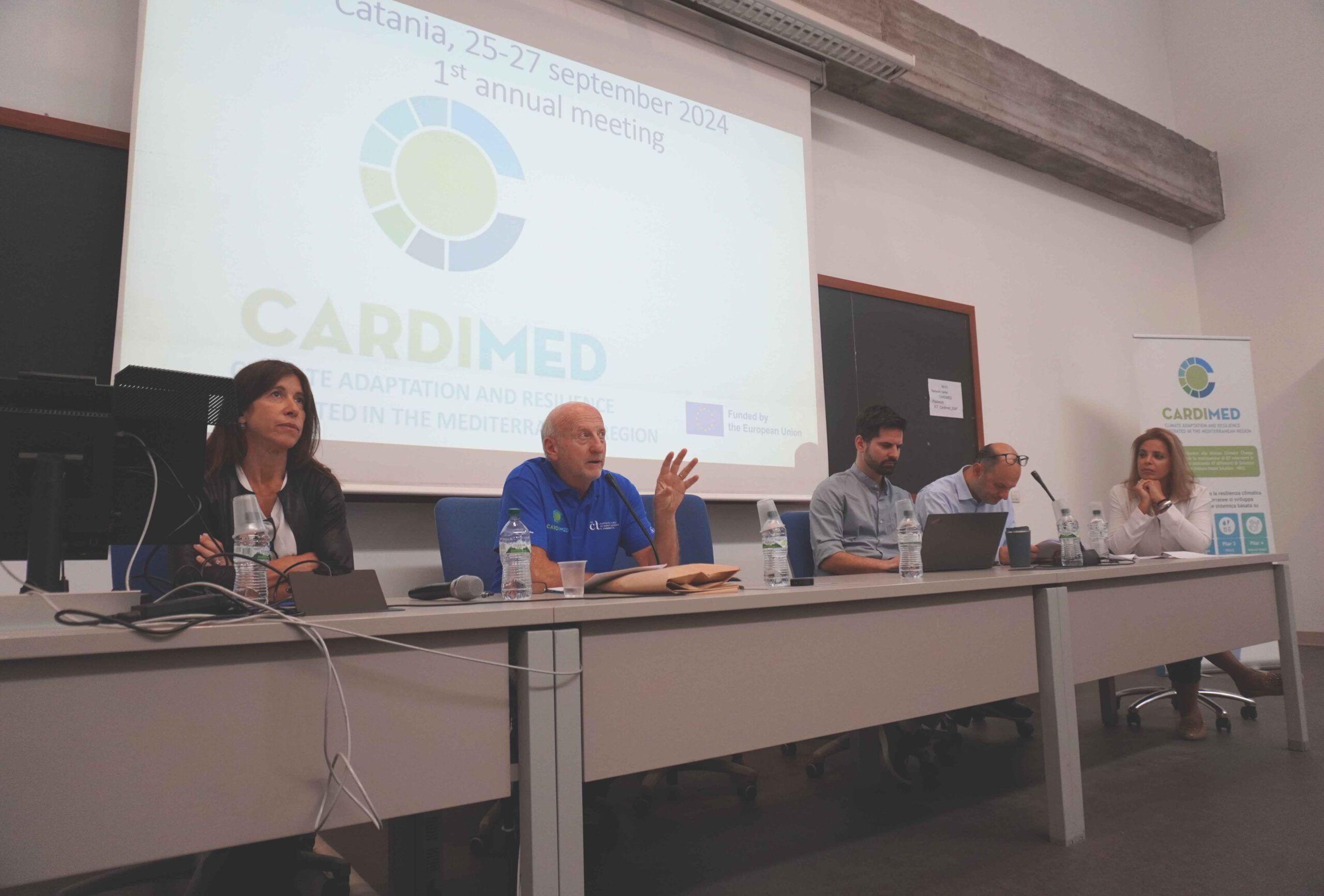
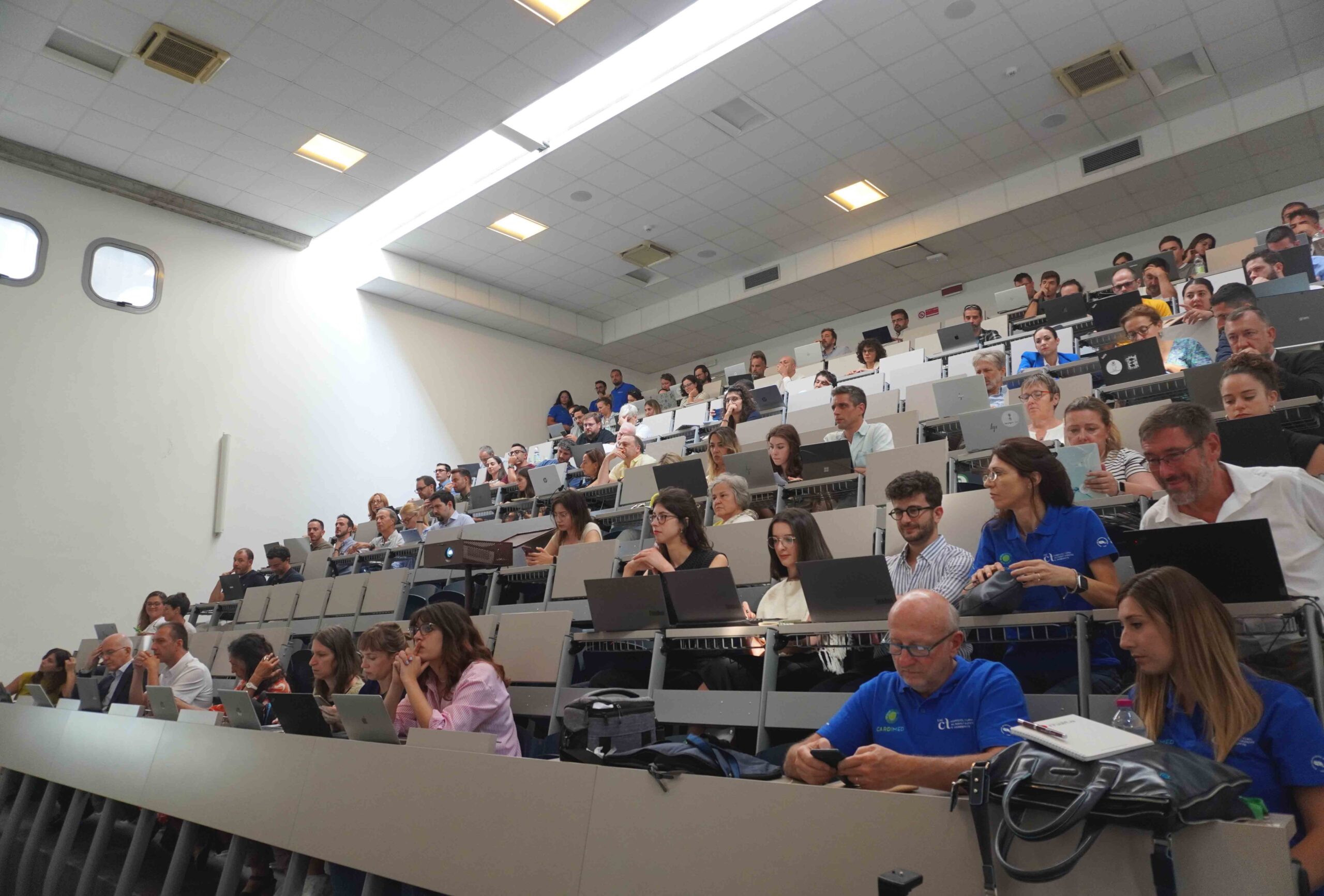
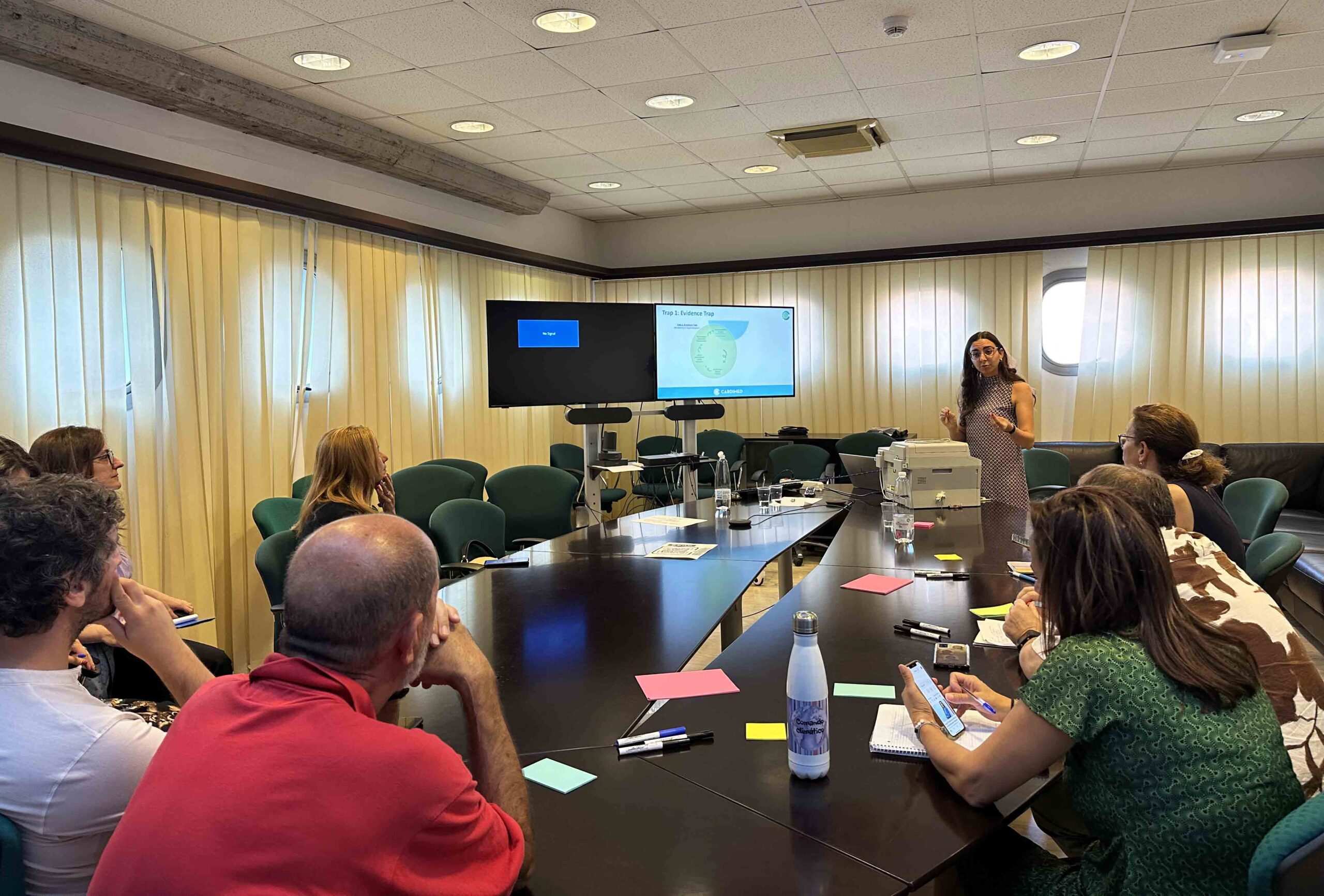
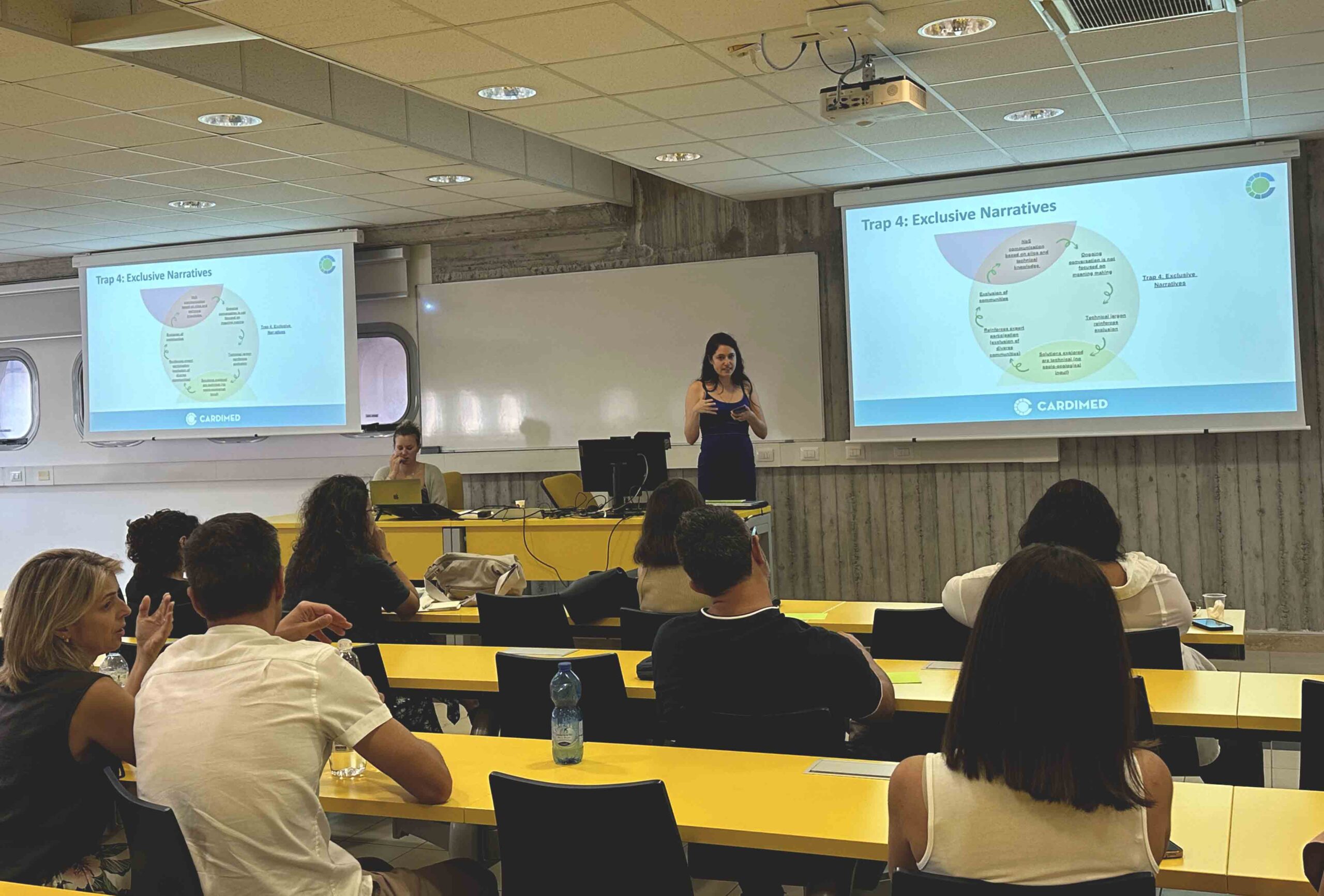
The first two days of the meeting were hosted by the University of Catania, where partners presented updates from various work packages, highlighting key achievements, challenges, and upcoming solutions. The work packages focus on several critical areas, including:
- Nature-based Solutions (NbS)
- Smart digital tools for citizen participation and capacity building
- Multi-stakeholder engagement strategies for knowledge translation
- Integration of the Water-Energy-Food-Ecosystems (WEFE) Nexus
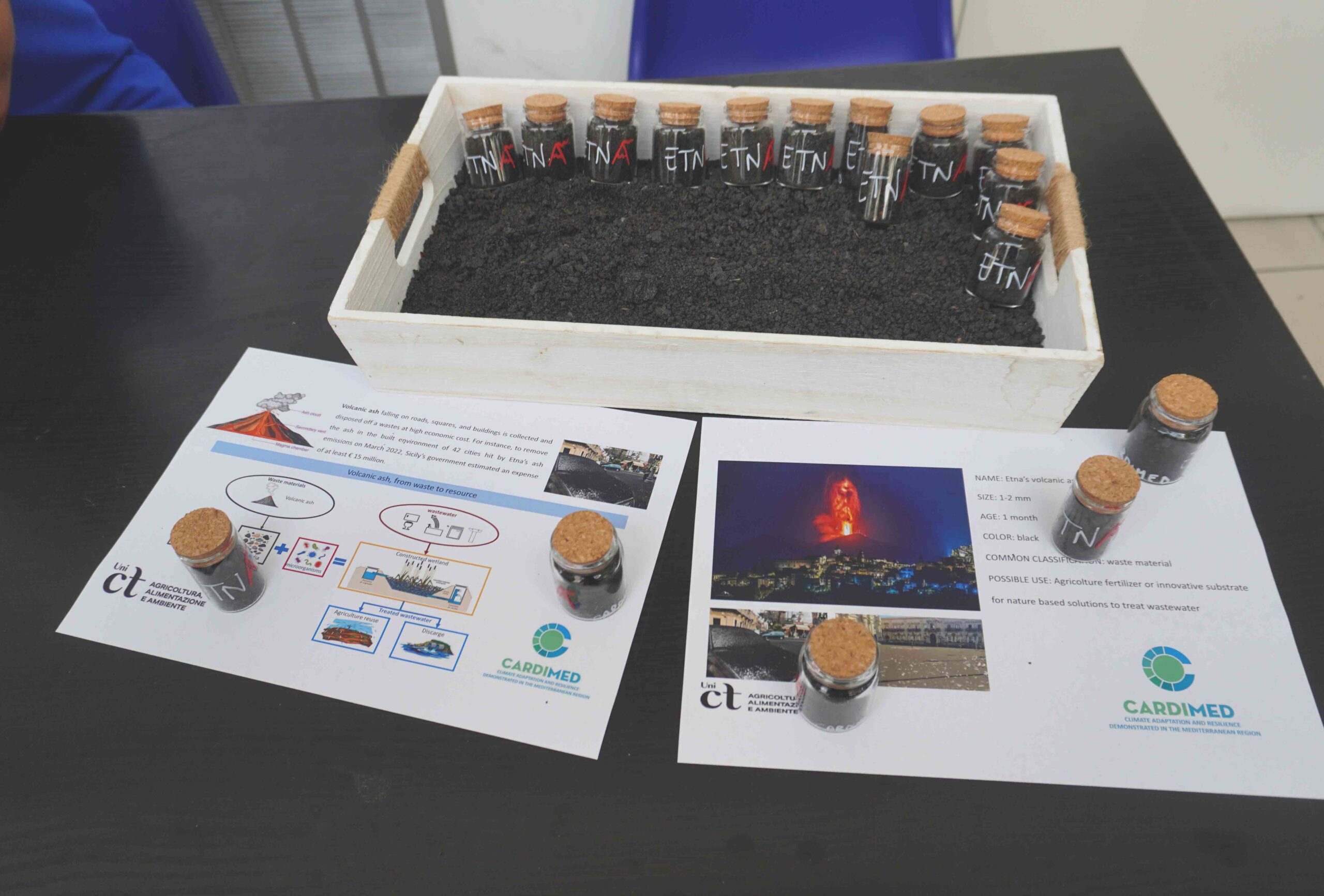
A key highlight was the cross-DEMO knowledge exchange session, where partners involved in the project’s demonstration sites (DEMOs) discussed their experiences, shared insights, and aligned strategies. These DEMOs are spread across various regions, testing different Nature-Based Solutions in real-world settings. This collaborative session allowed partners to examine both the challenges and successes they’ve encountered, helping to refine approaches across the project’s regions.
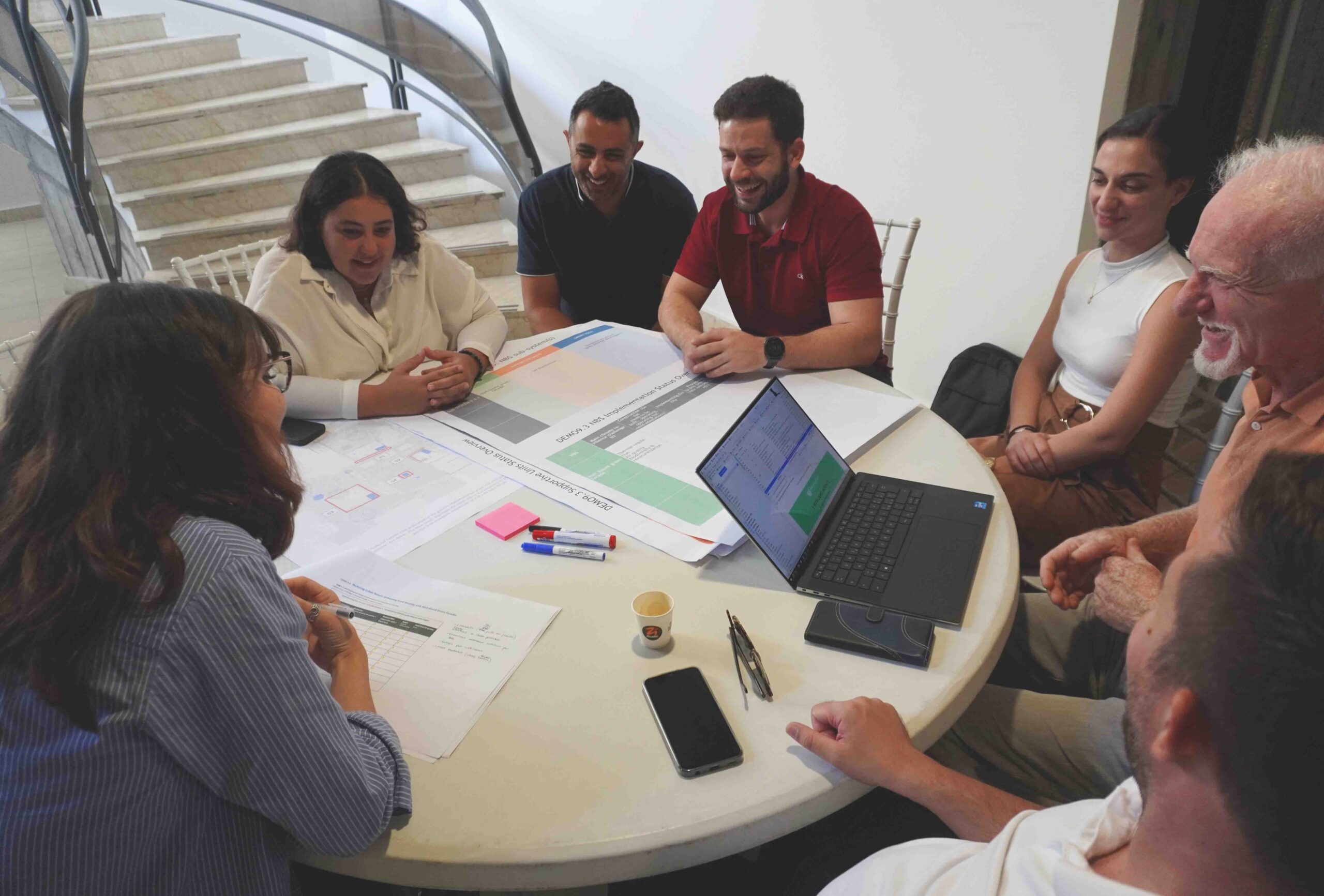
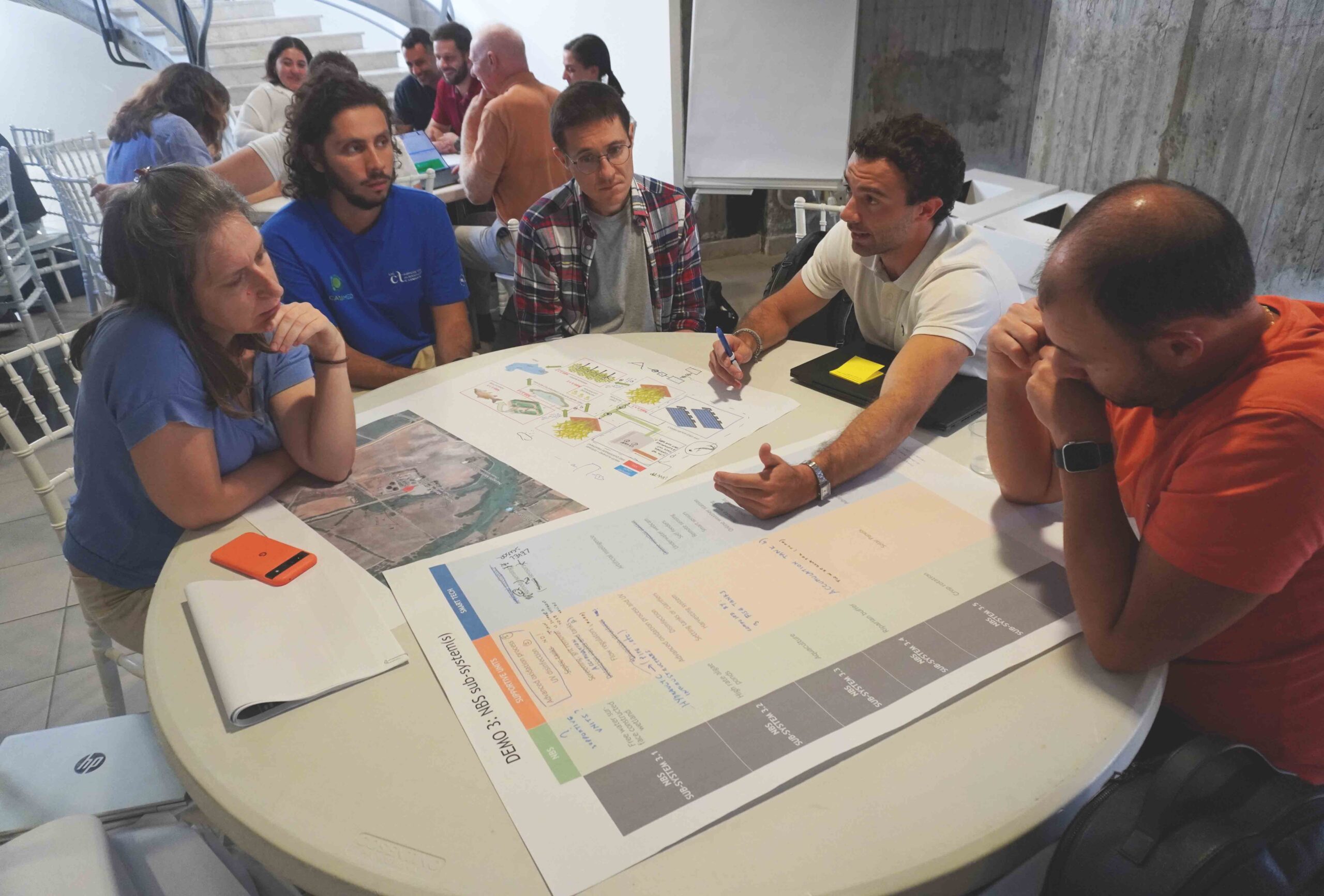
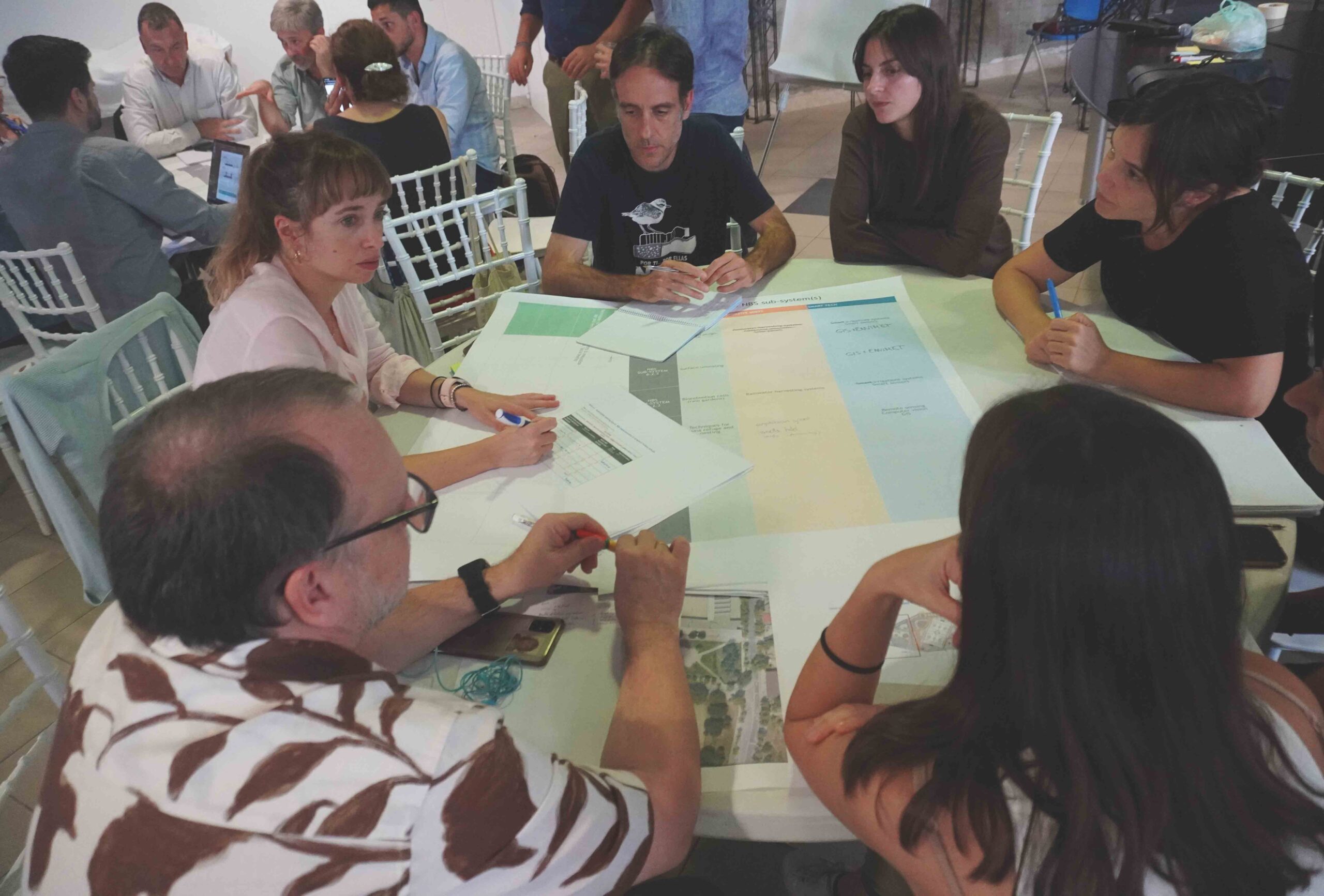
Additionally, a dedicated workshop was held to identify barriers and opportunities for building resilience in replication regions—areas that will replicate successful NbS interventions from the DEMOs. This session provided a platform for representatives from these regions to share their insights, helping the consortium better understand their local needs and tailor solutions accordingly.
Following this session, we had the pleasure of hearing about the International Advisory Board, who accepted our invitation to join the meeting and shared their valuable insights. Our sincere thanks go to Carme Farré Solson, Guido Schmidt, Jaime Nivala, and Tania Kyriakou for their expert guidance, which will undoubtedly contribute to shaping the future success of CARDIMED.
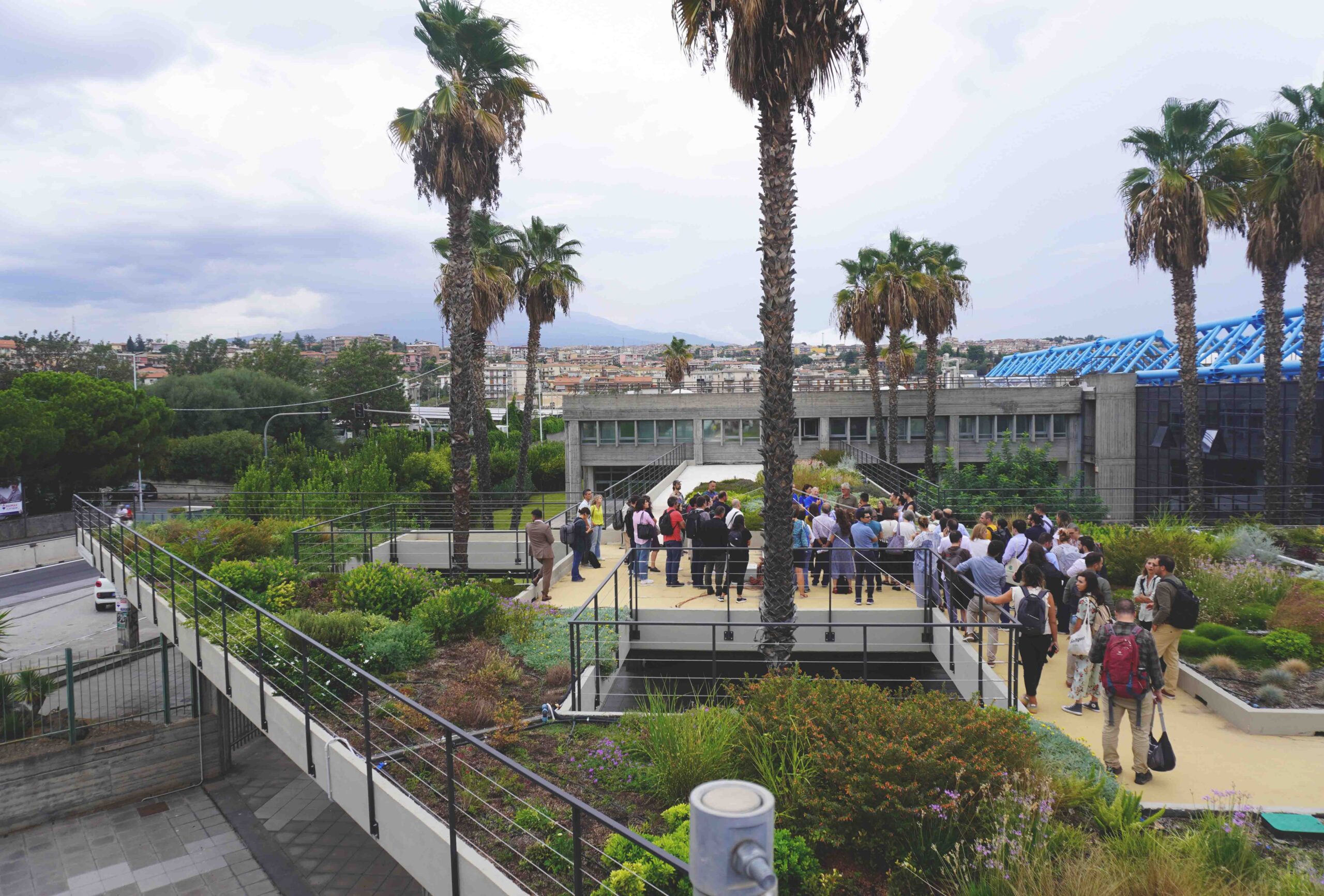
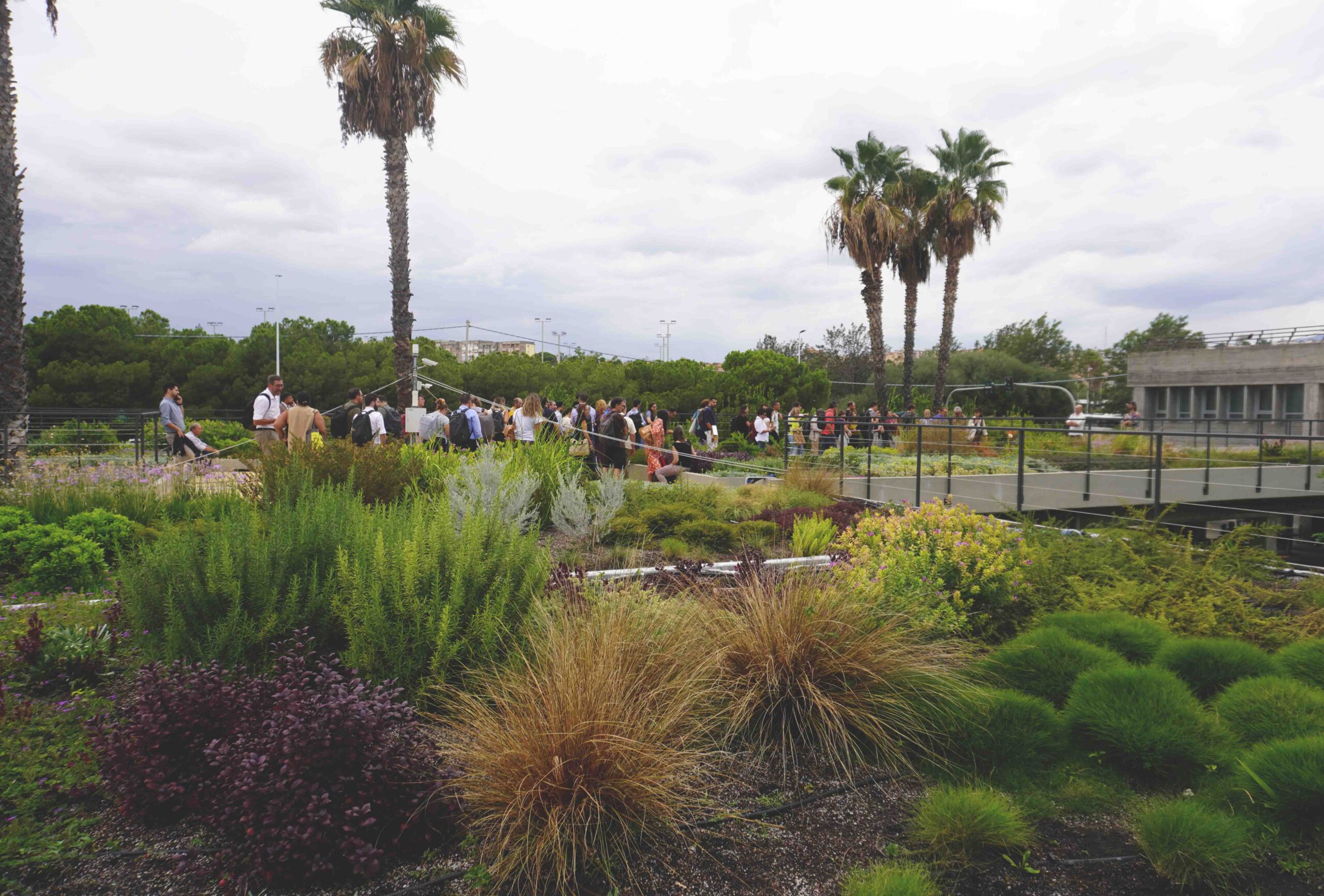
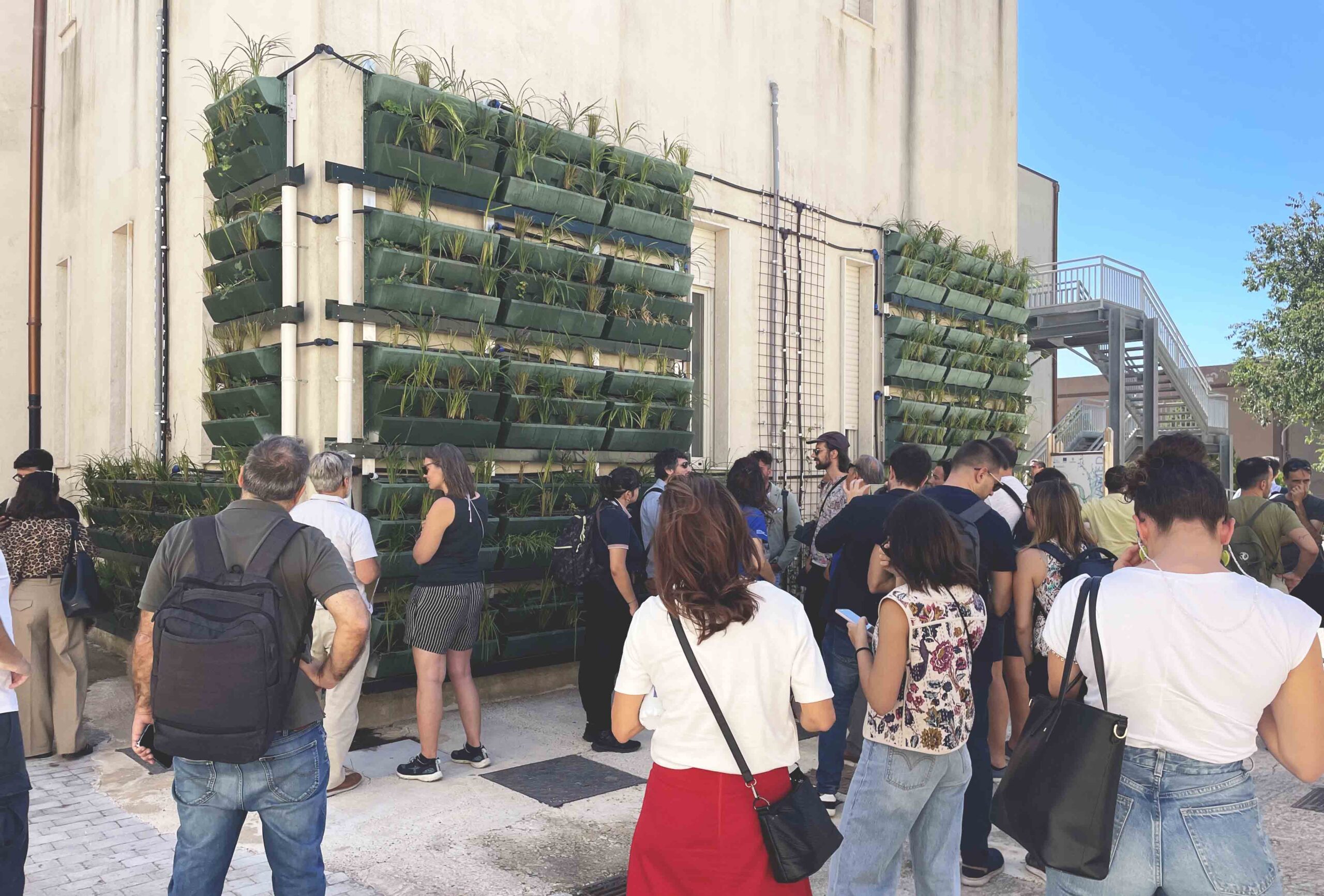
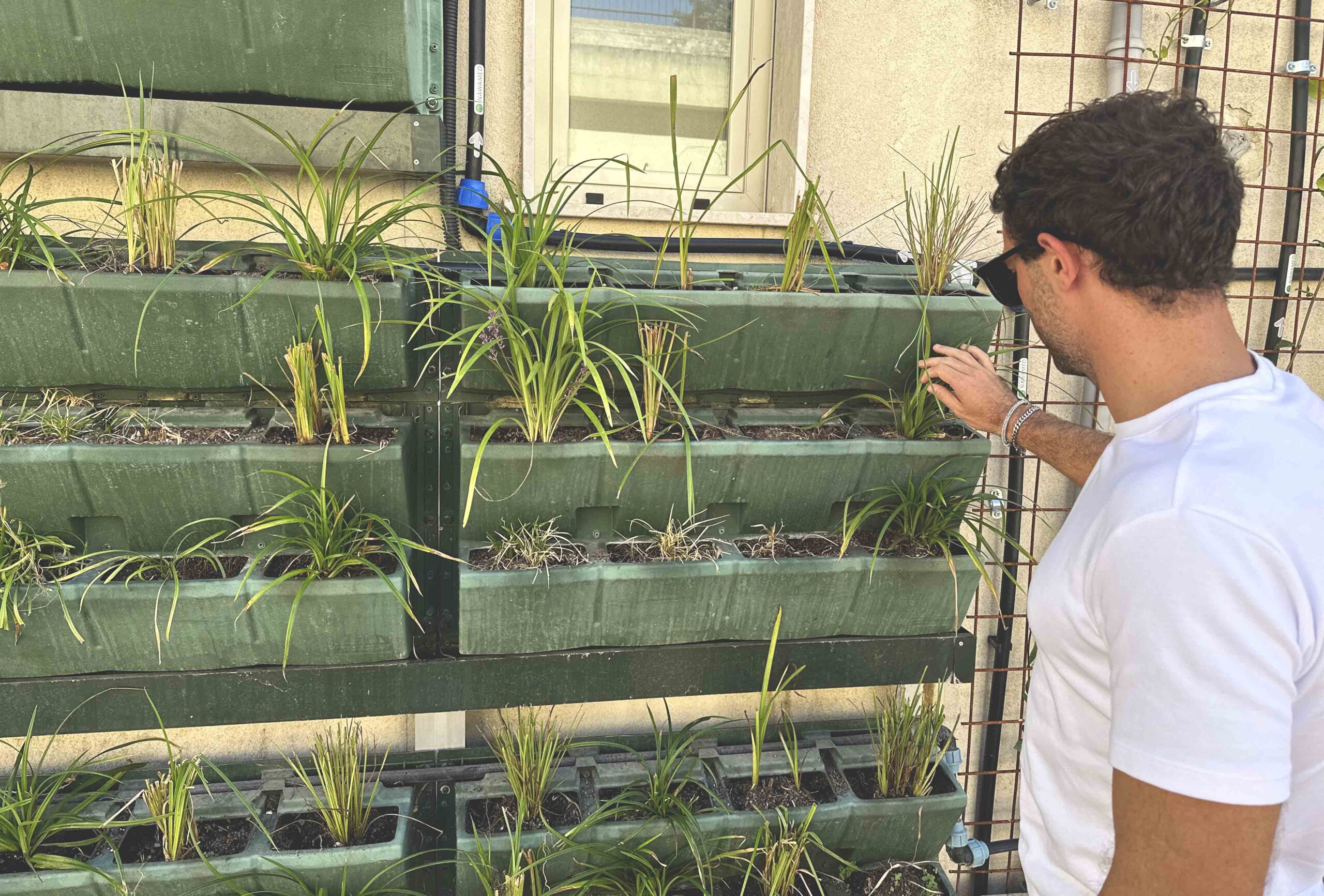
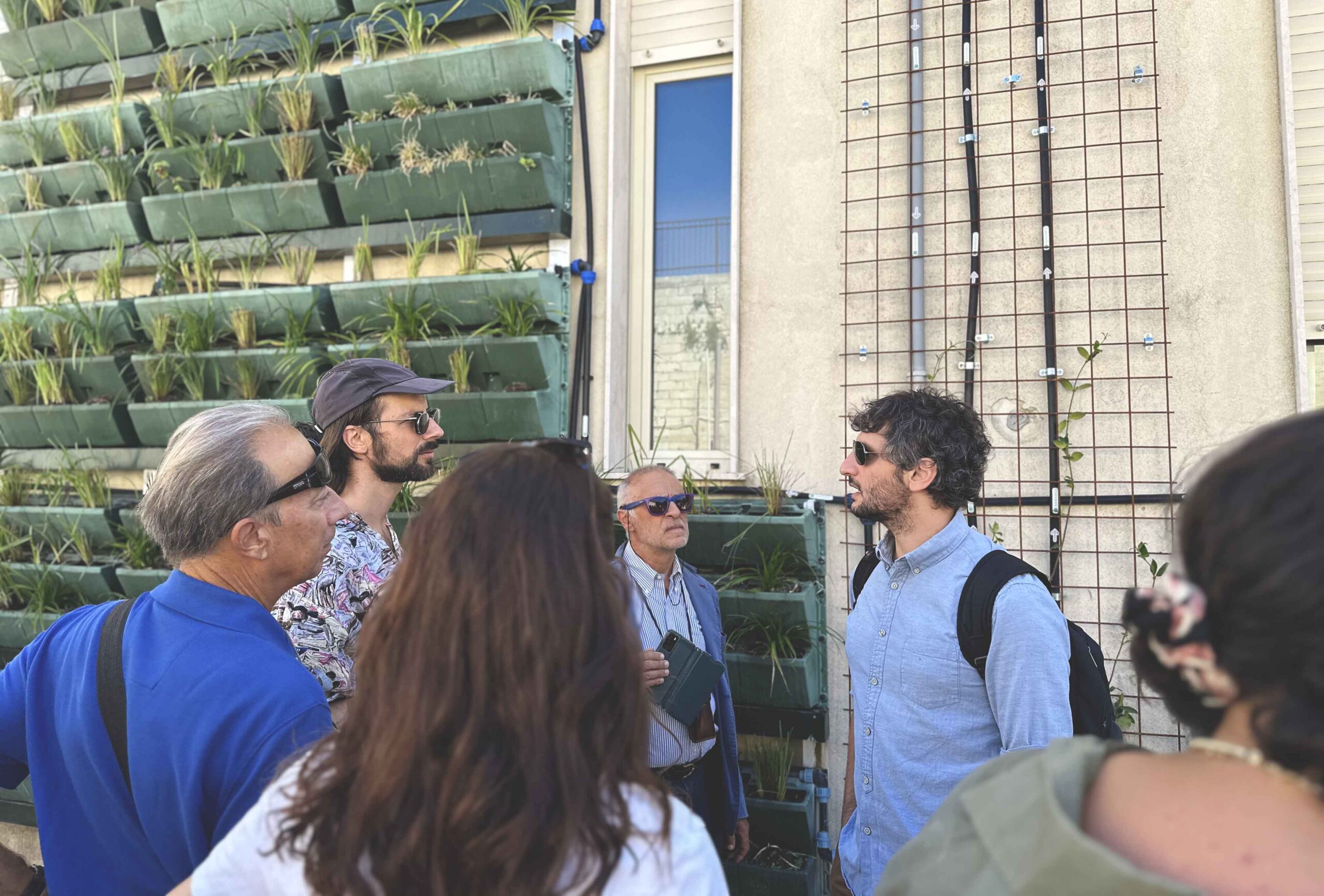
On the final day, partners of CARDIMED participated in a technical visit to Ferla (Sicily), where they explored the URWAN project—Urban Regenerative Water Avant-garde(N)—during the “Urban Green Horizons” event. Organized by SVI.MED. (EuroMediterranean Center for Sustainable Development – ETS), this event gathered over 100 participants and provided an in-depth look at synergies between CARDIMED and URWAN, both of which focus on NbS for climate adaptation and resilience. Participants had the chance to see the Wall2Water green wall, an innovative NbS vertical garden that reuses greywater, showcasing how sustainable water management can be integrated into urban regeneration.
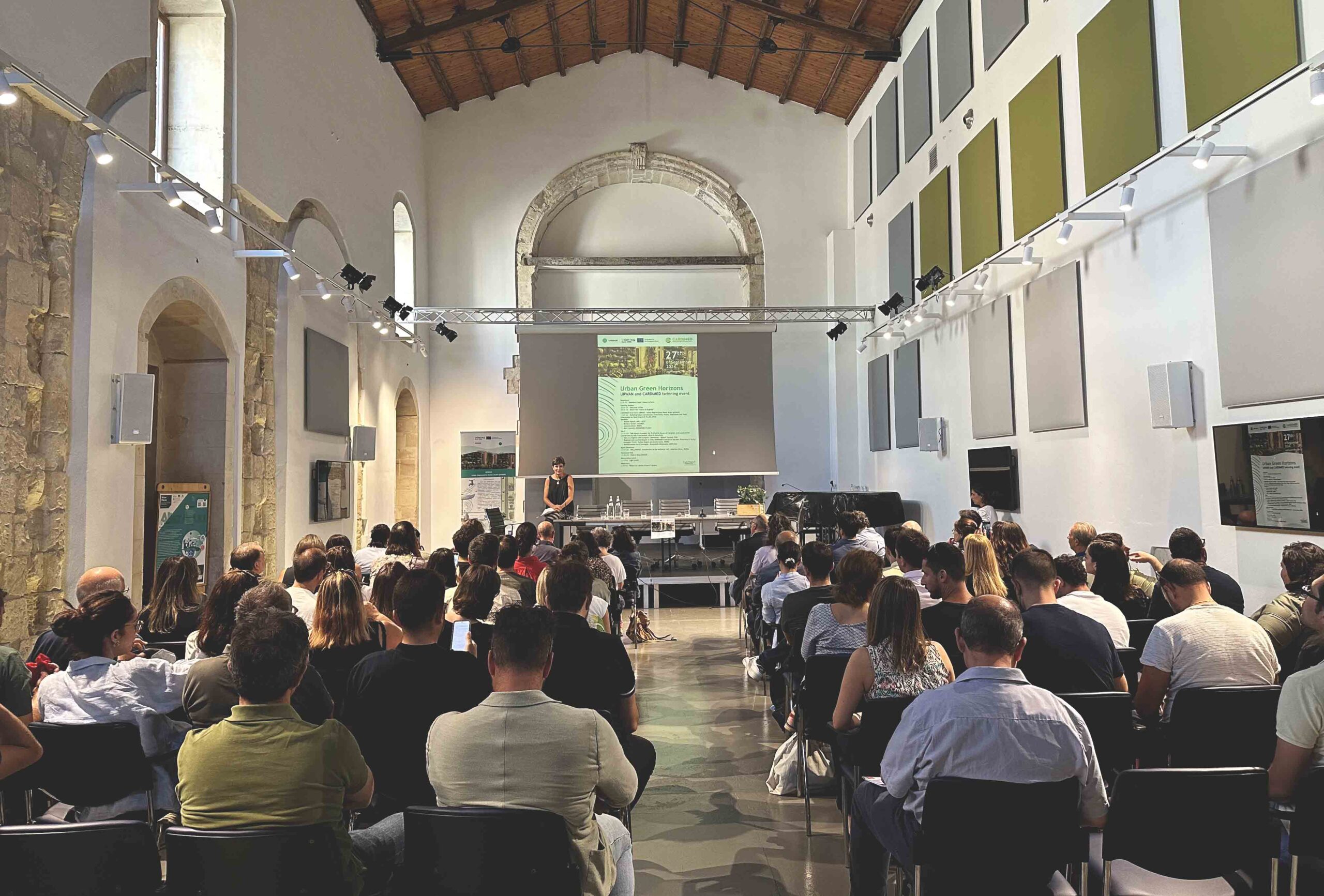
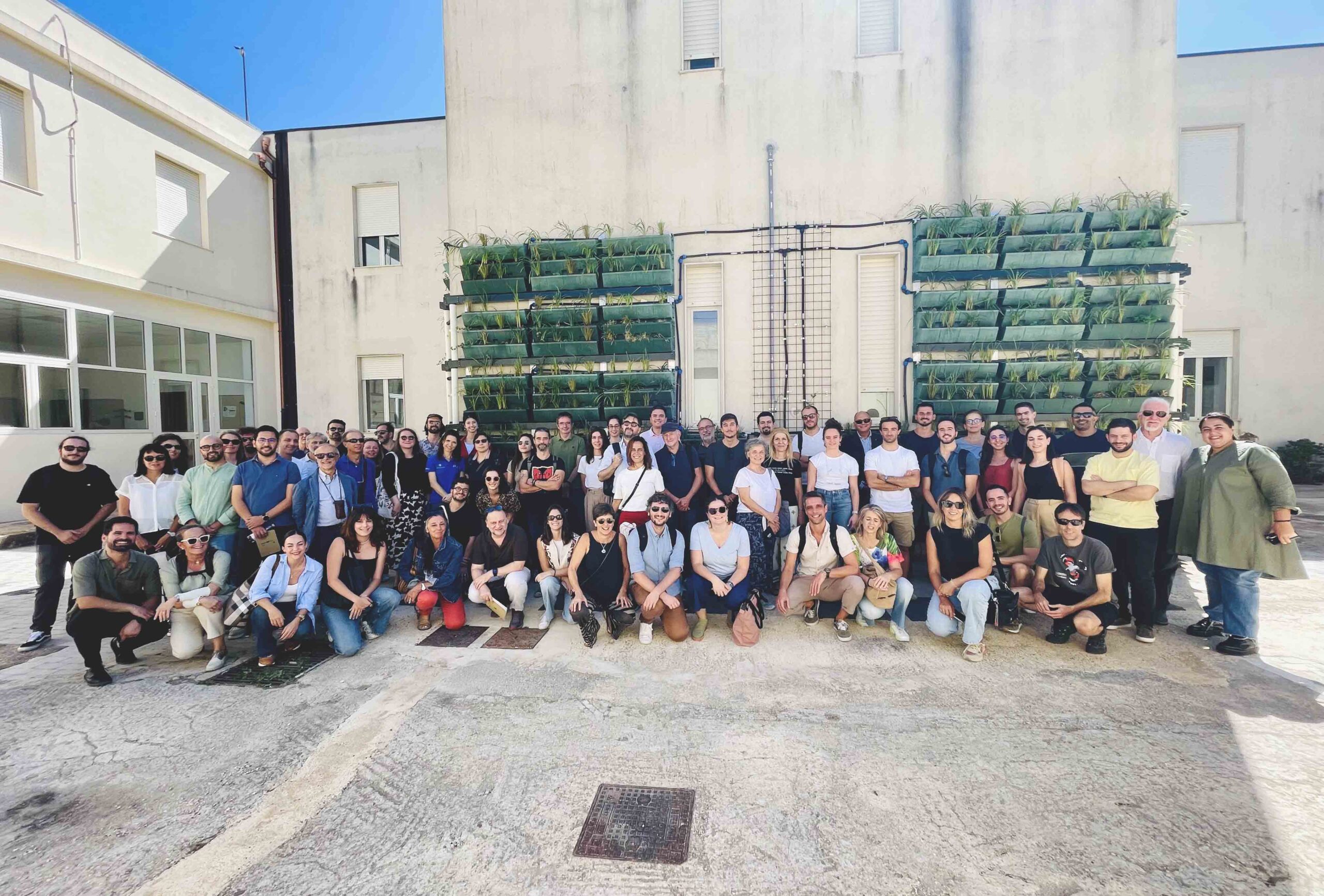
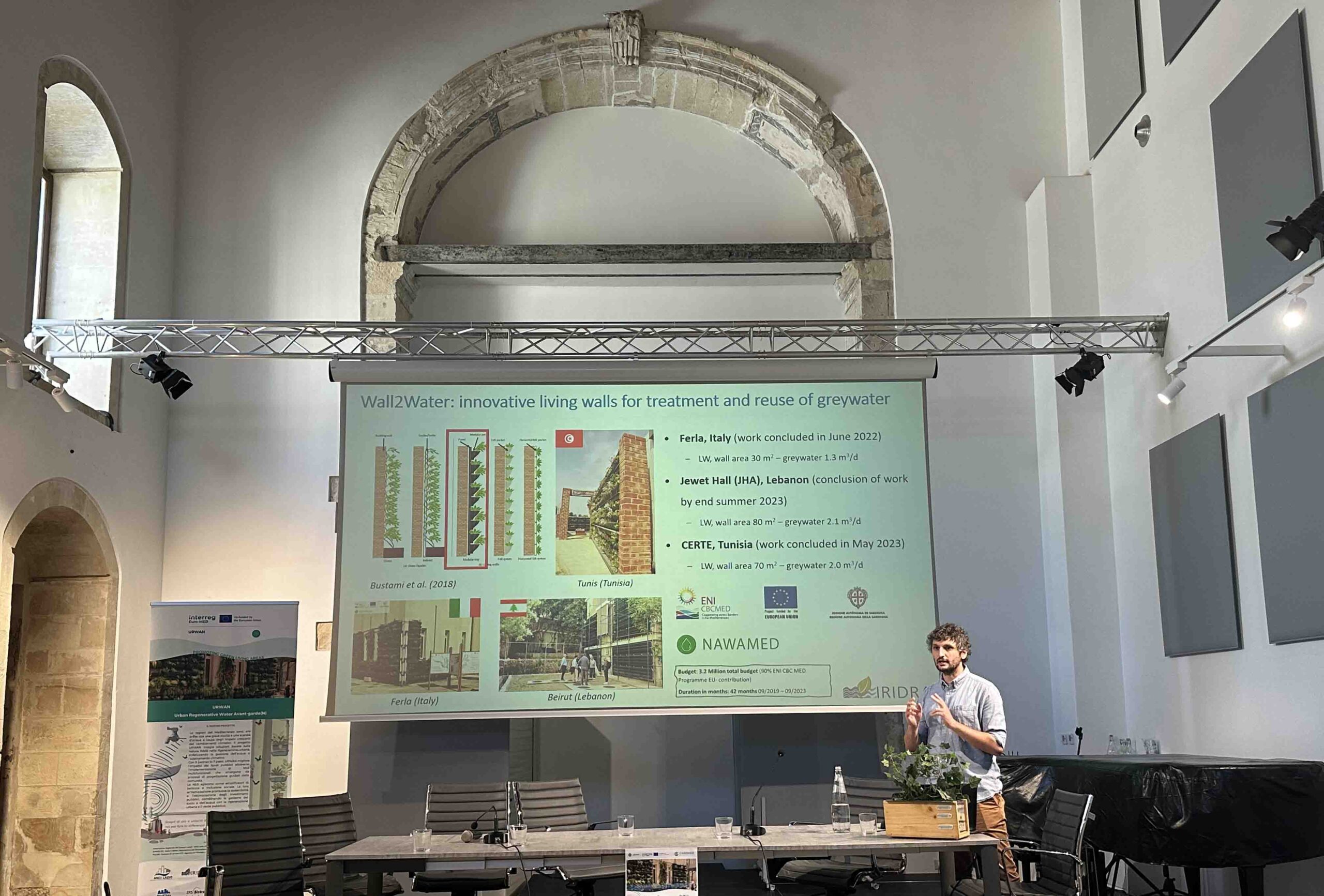
The visit also introduced key URWAN tools, such as the StartPark methodology for co-designing public spaces with citizen participation and the Kassandra Integrated Decision Support System (IDSS) for selecting NbS based on city needs. This interaction between the two projects not only deepened partners’ understanding but also laid the foundation for future collaborations aimed at creating more resilient cities across the Mediterranean.
Ambitious Goals and First-Year Achievements
After a year of preparatory work, the first on-site implementations are now underway, with efforts already attracting additional funding for participating communities.
Despite the successes, the past year has been a sobering reminder of the urgency of the climate crisis. September 2023, the month when CARDIMED was launched, was the hottest September on record—a trend that persisted for 11 of the 12 months in the project’s first year. Only July 2024 was not the hottest on record, but it was the second hottest, just behind July 2023. This reinforces the need for all partners to intensify their efforts in combating climate change.
Collaborating for Greater Impact
CARDIMED is not working in isolation. It has joined forces with seven other sister projects sharing the same vision for climate adaptation. Together, they have formed the NBS4EU cluster, a network focused on establishing synergies, promoting knowledge exchange, and maximizing the impact of Nature-Based Solutions across Europe. This cluster spans 66 regions, creating a critical mass of NbS demonstrations that will provide strong evidence on how to design, implement, and maintain green and hybrid infrastructure. Additionally, the cluster seeks to establish key enabling factors such as governance, finance, and digitalization.
Encouraging Developments from the European Commission
Recent developments from the European Commission offer promising support for projects like CARDIMED. The Nature Restoration Law, enacted in August 2024, acknowledges the essential role of nature in creating a sustainable and resilient future. Furthermore, the newly appointed European Commissioner for Environment, Water Resilience, and a Competitive Circular Economy—the first time water has been recognized as a sector for any commissioner—highlights the growing importance of water management in addressing climate change.
As CARDIMED moves forward, it continues to play a crucial role in demonstrating the transformative power of Nature-Based Solutions. With a strong foundation established in its first year, the project is well on its way to creating lasting, impactful changes across Europe and beyond.