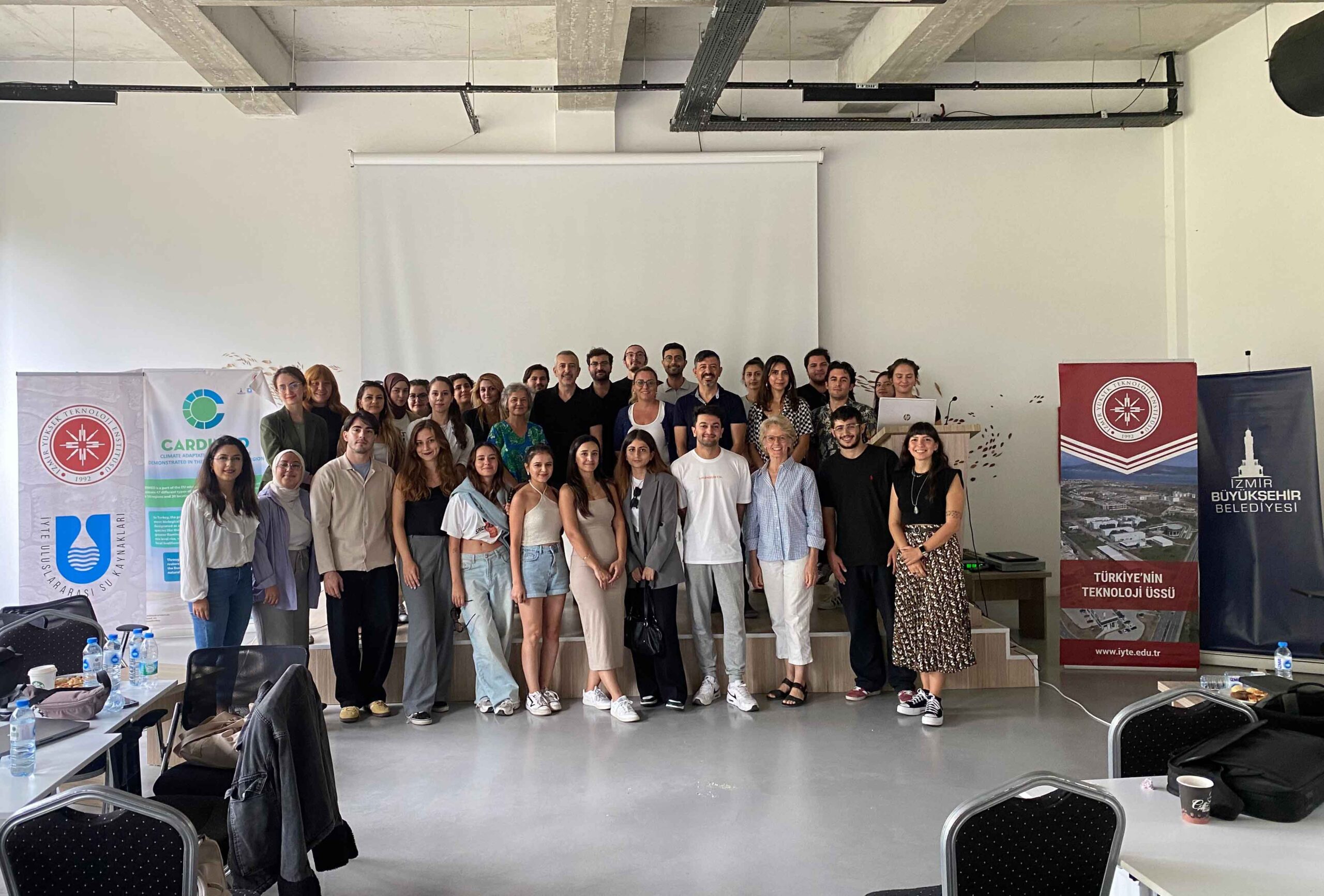
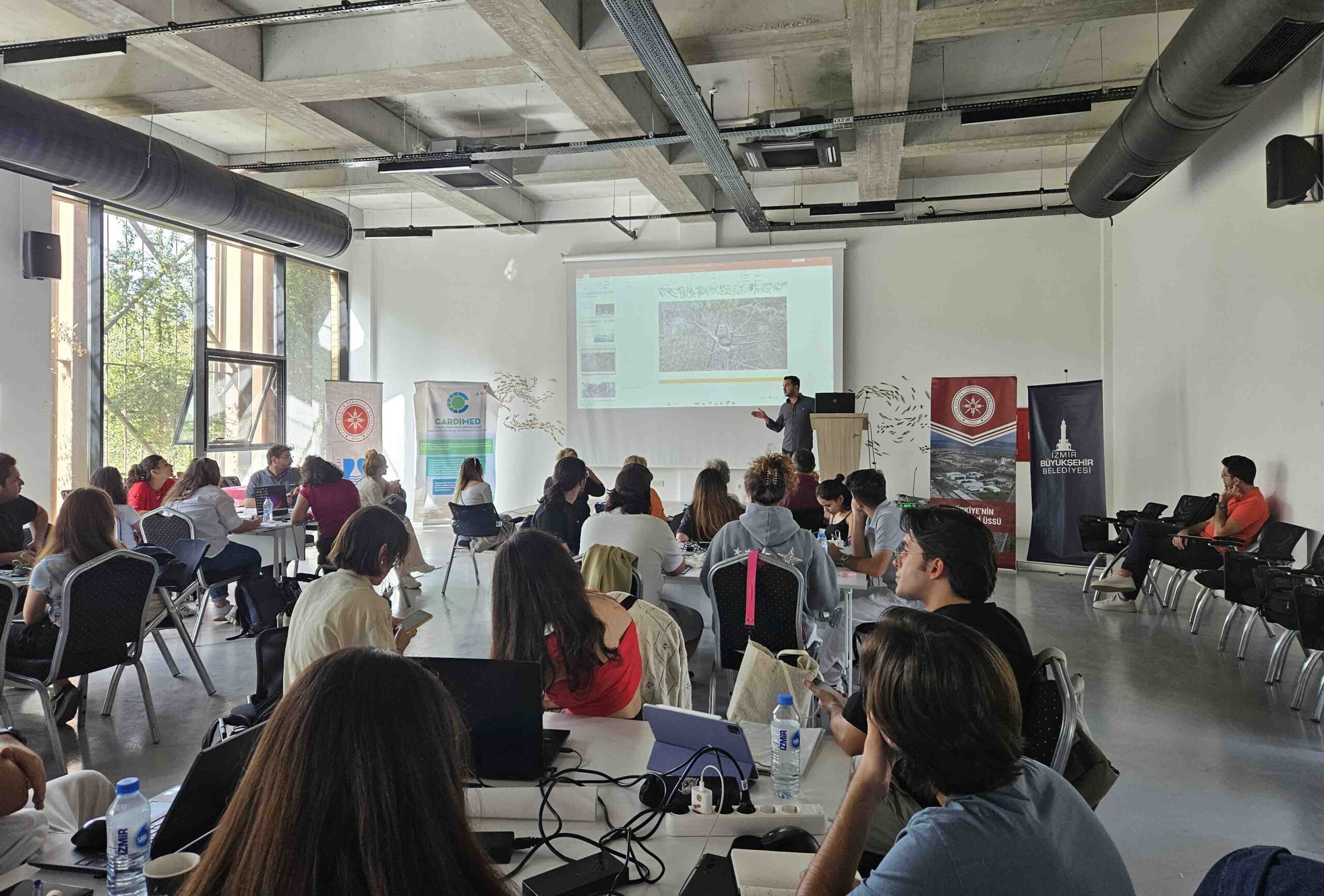
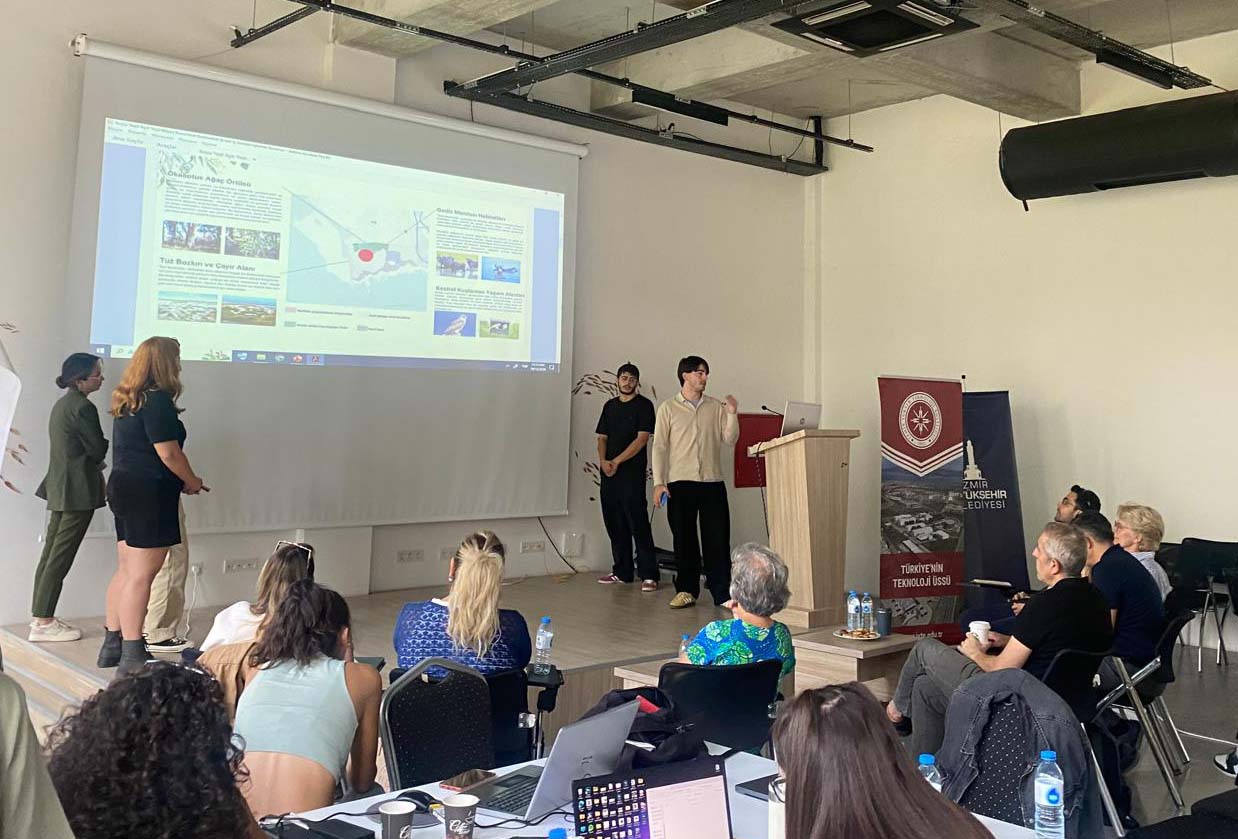
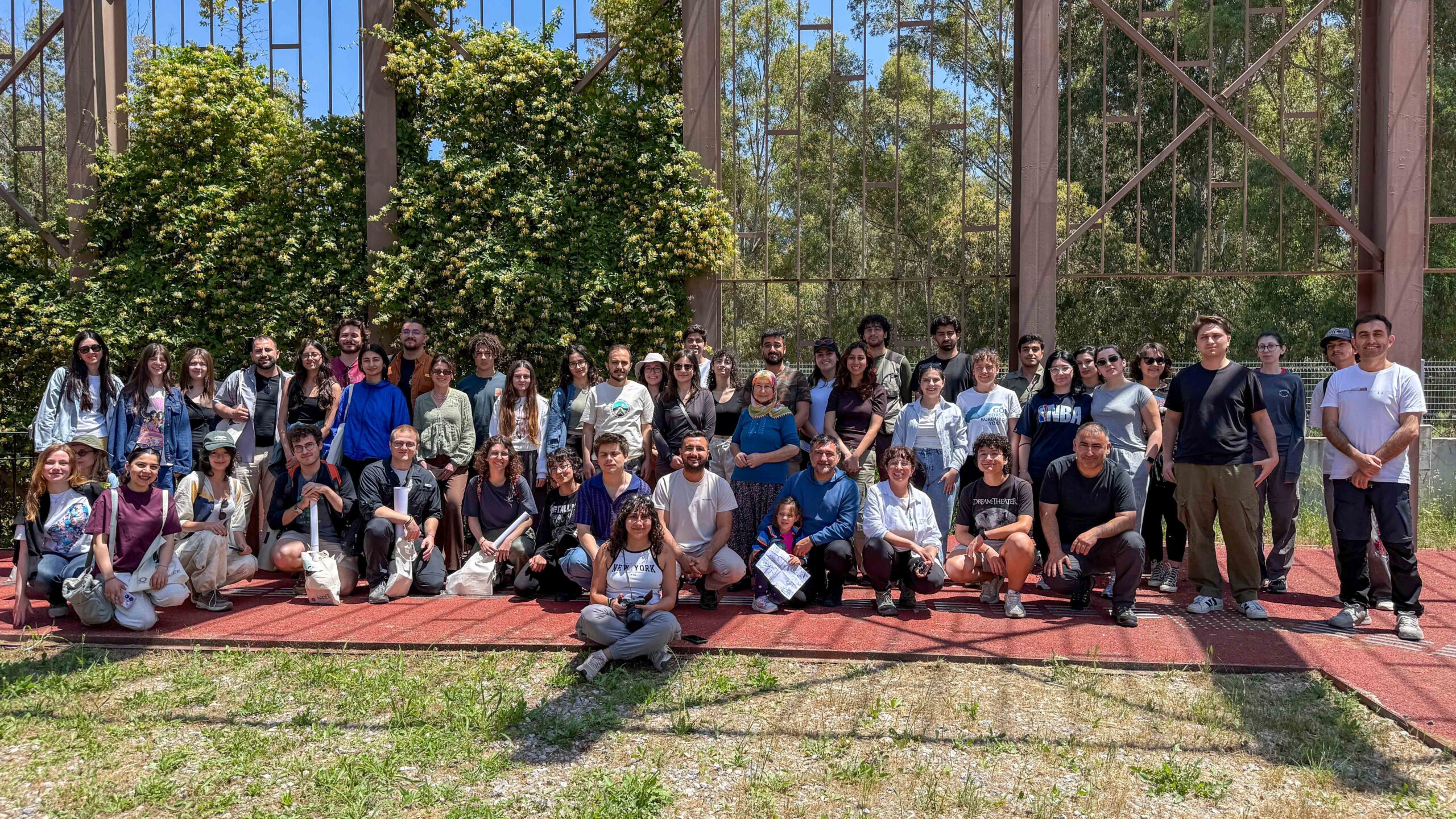
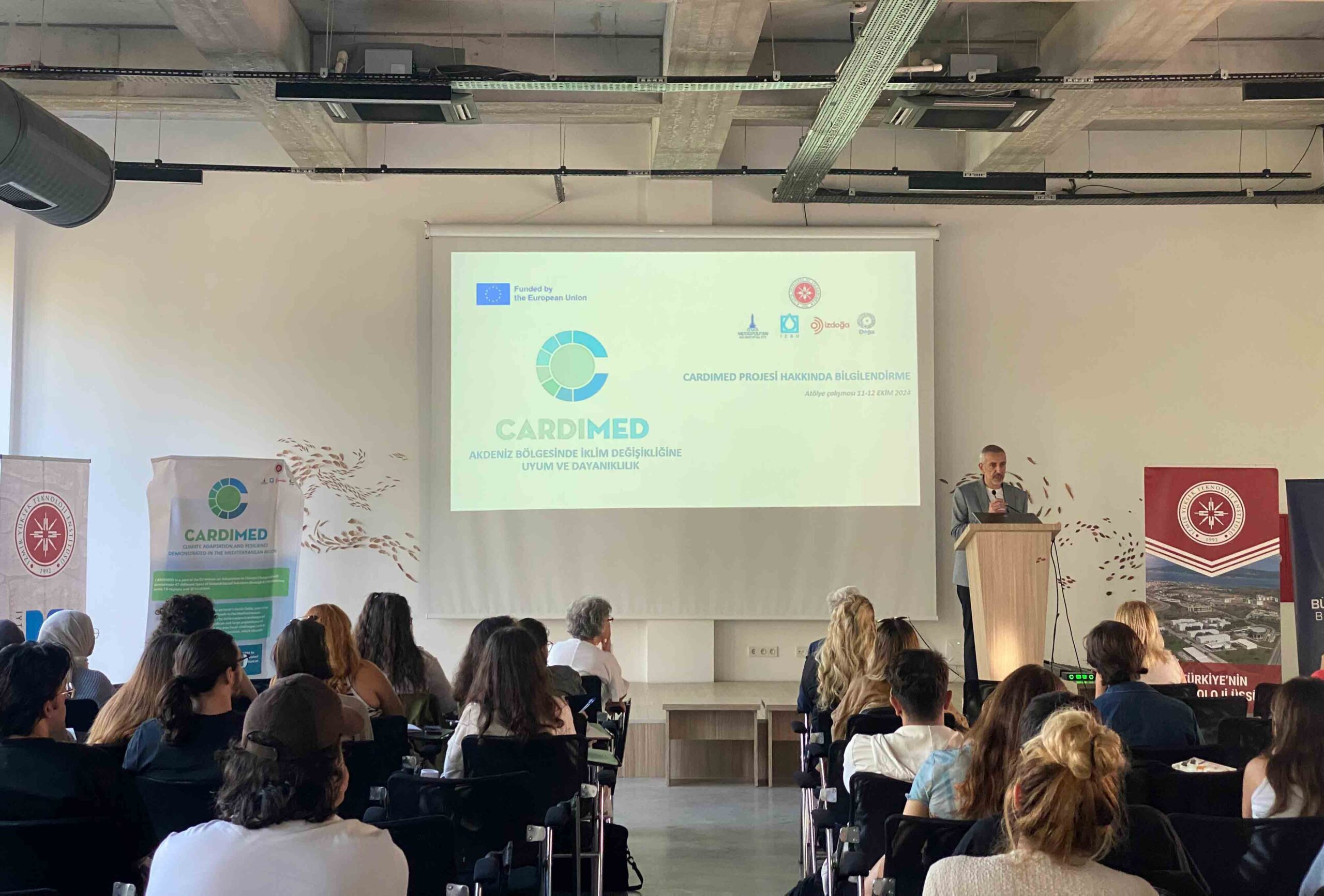
On 11-12 October 2024, the CARDIMED Project Workshop was successfully held at the İzmir Agriculture Development Centre (İZTAM), with a focus on innovative ecological restoration designs for the Gediz Delta through Nature-Based Solutions (NBS). The two-day event brought together university students from different disciplines, including architecture, interior architecture, landscape architecture, urban and regional planning, and industrial design, along with field experts, in a collaborative setting.
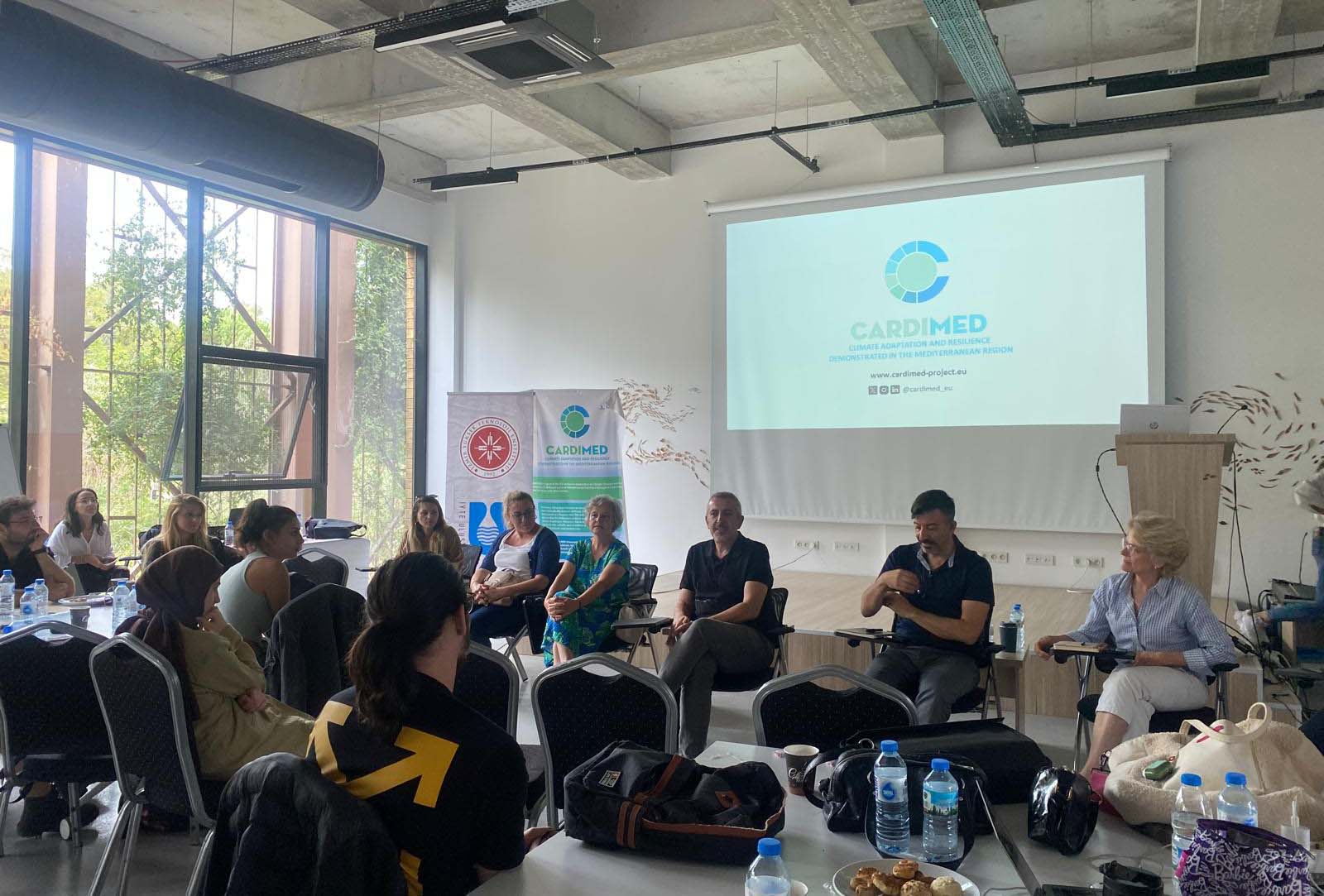
The workshop began with in-depth presentations about the Gediz Delta, introducing participants to the project’s objectives and the area’s ecological challenges.
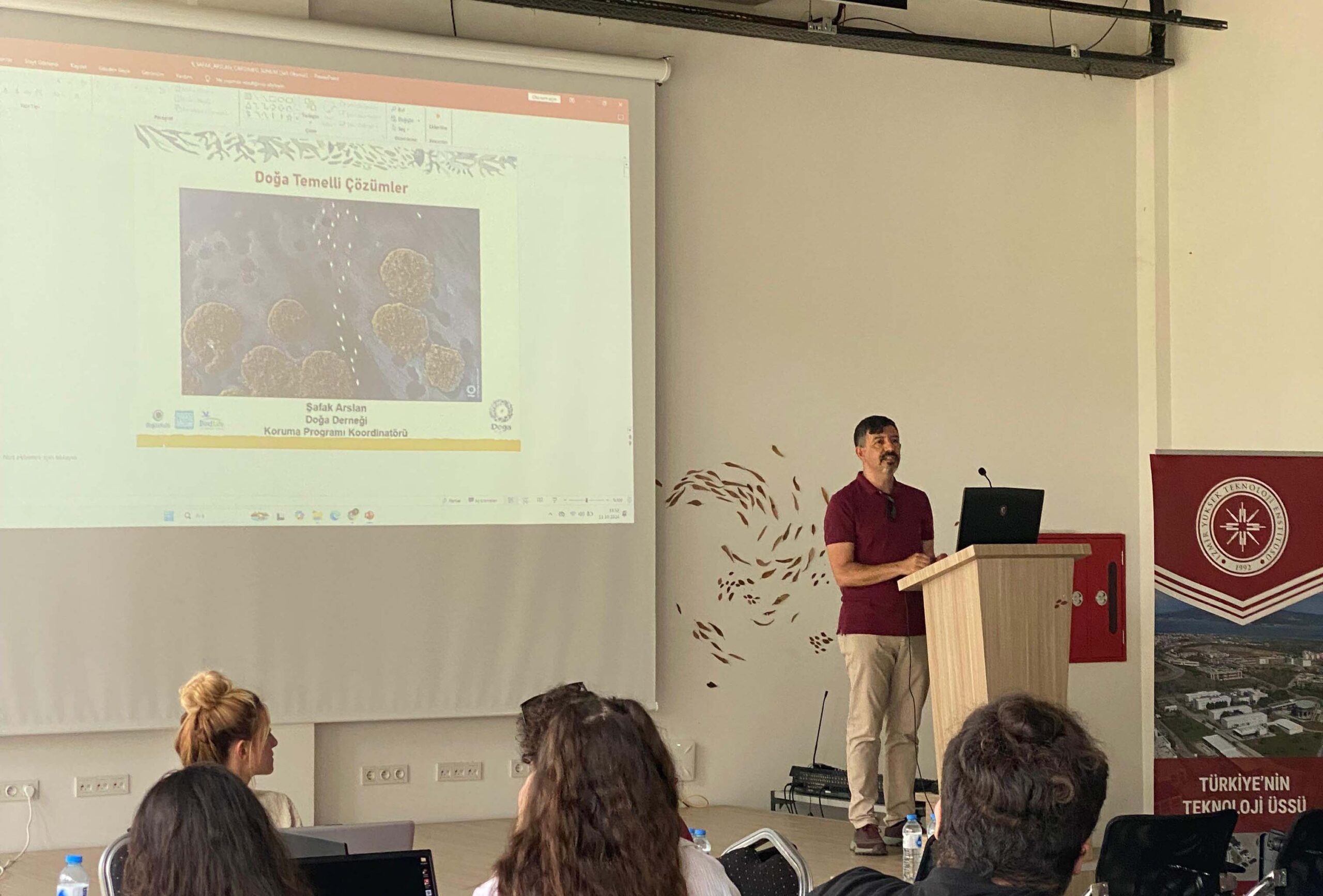
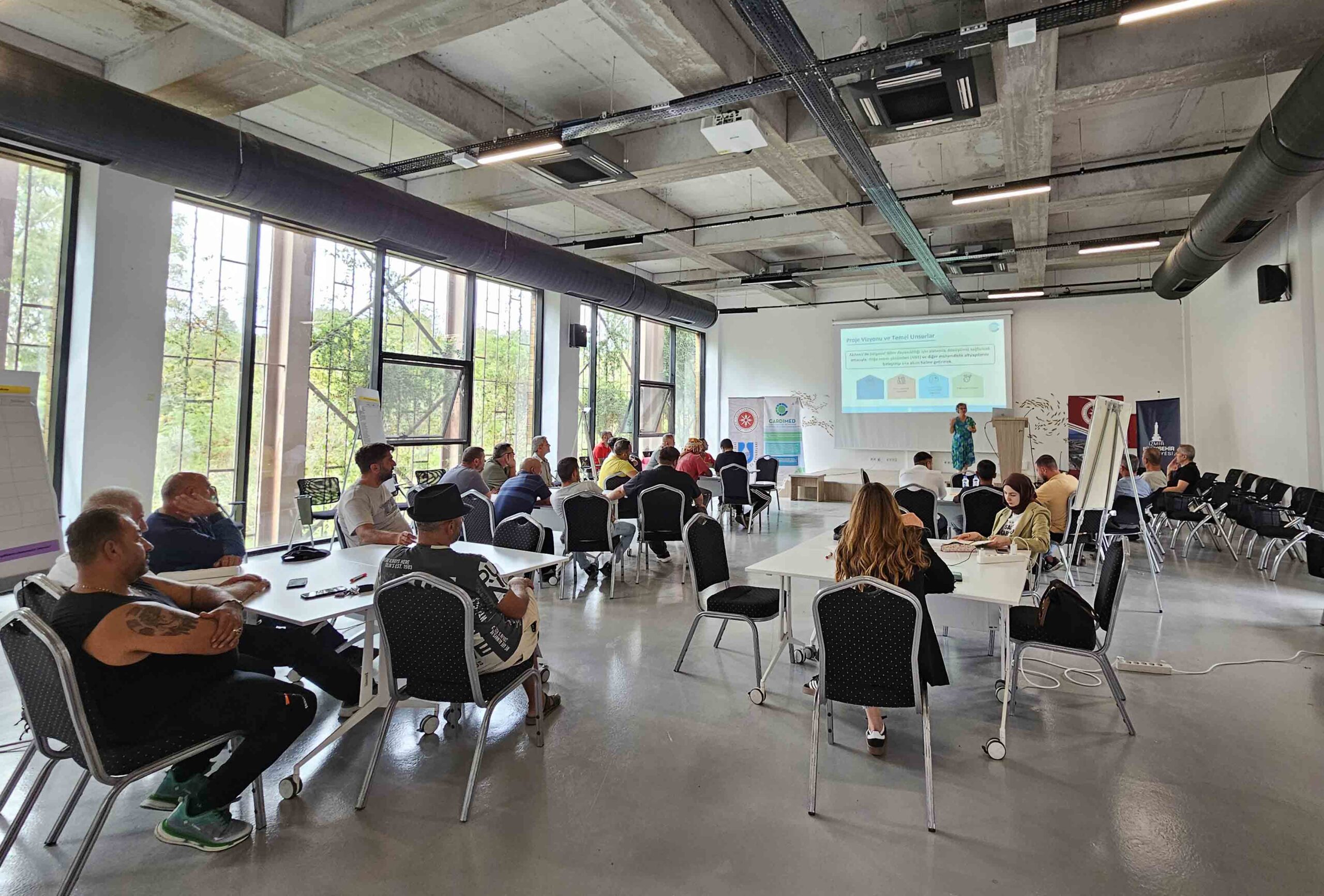
The opening speech was delivered by the workshop coordinator, Prof. Dr. Erdem Erten (Izmir Institute of Technology). Subsequently, Prof. Dr. Alper Baba, Prof. Dr. Koray Velibeyoğlu, Asst. Prof. Dr. Nicel Saygın, Assoc. Prof. Ayşe Kalaycı Önaç, and Instructor Virginia Couch provided insights on nature-based solutions in urban design. Instructor Canberk Yurt presented on biodiversity-focused design strategies, while Şafak Arslan (Doğa Derneği Conservation Program Coordinator) discussed the ecological contributions of artificial bird nests and evaluated recycling practices following the removal of eucalyptus plantations, an alien species to Turkey.
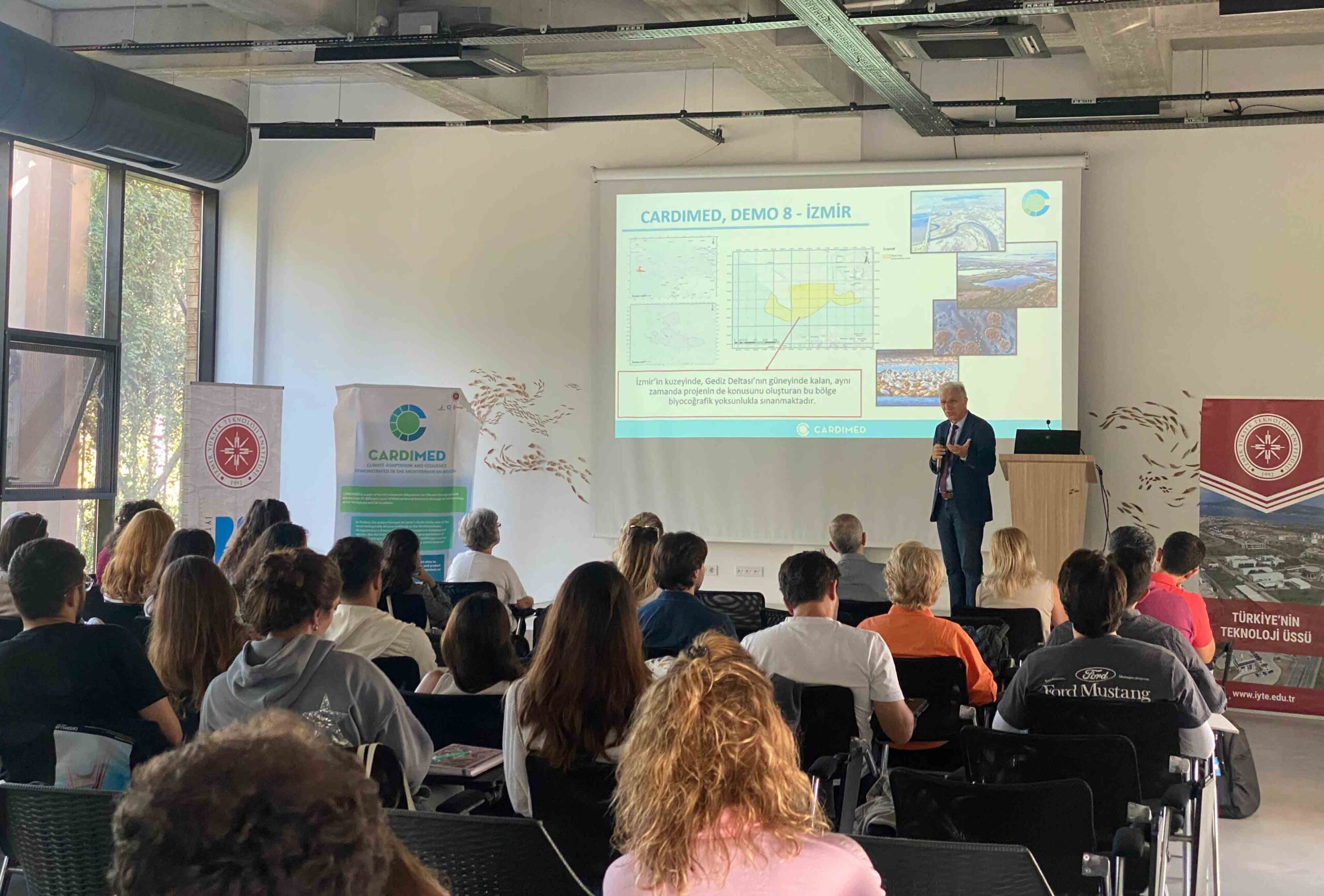
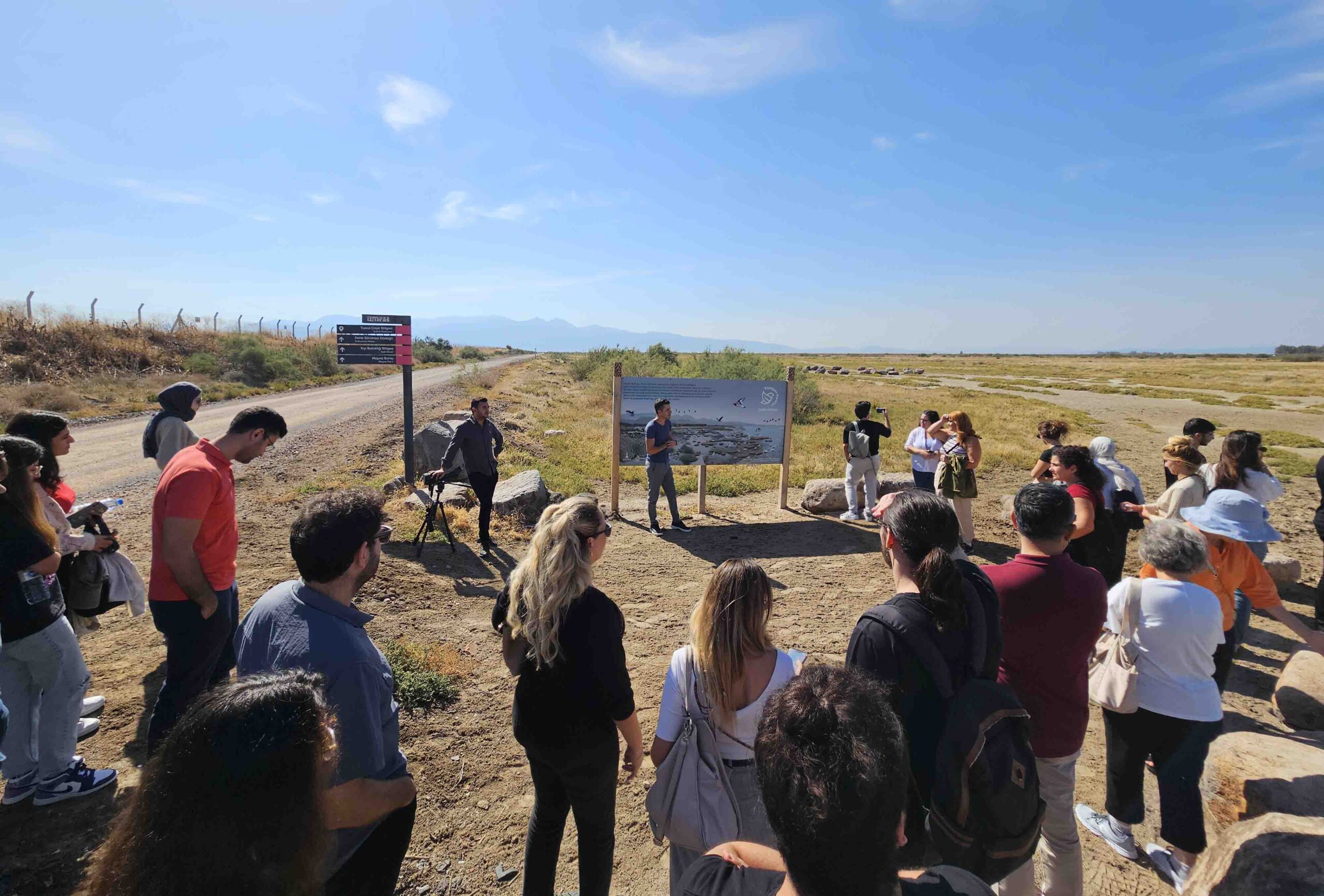
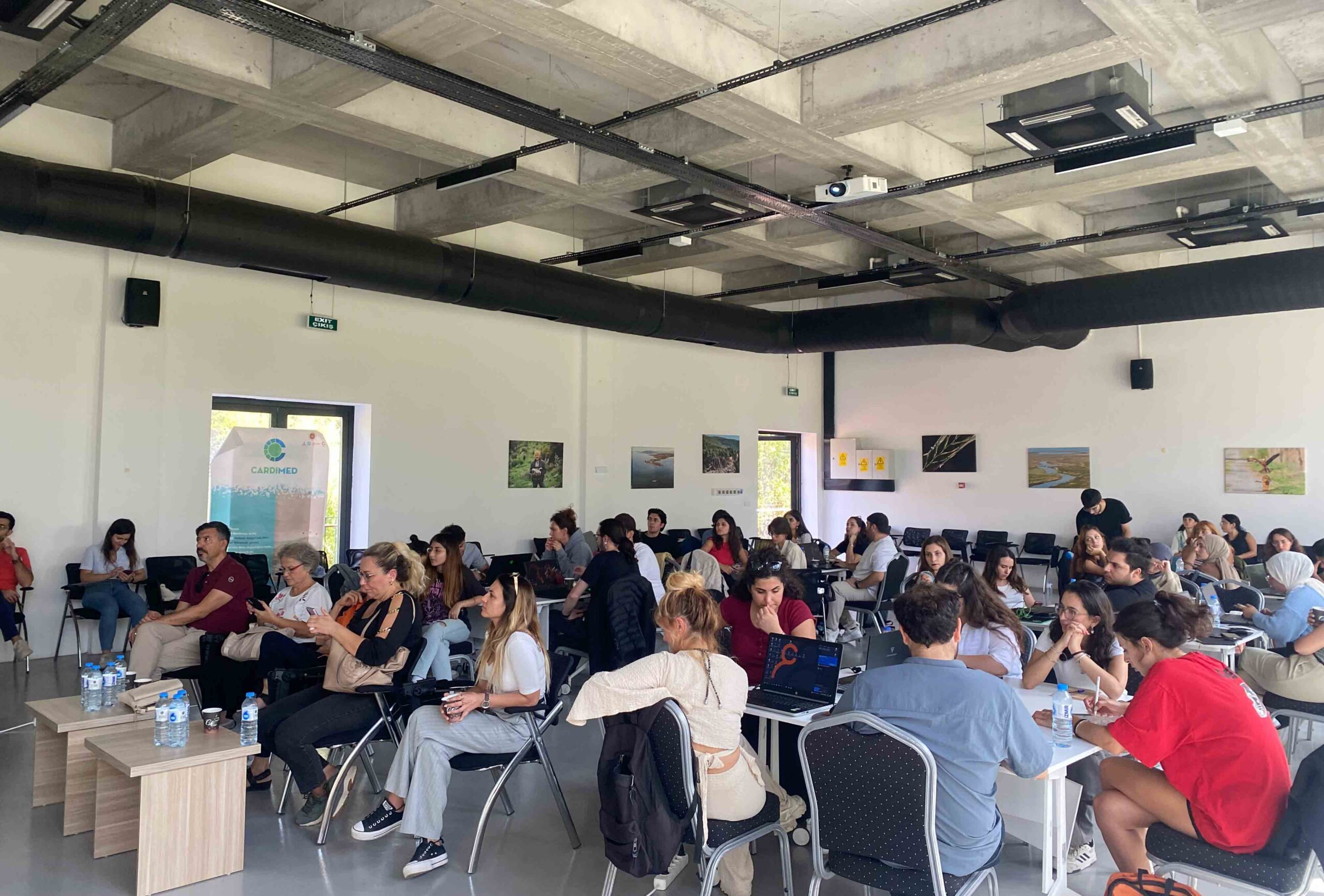
These sessions were complemented by expert contributions and followed by site visits, allowing participants to gain a first-hand understanding of the delta’s unique ecosystem. Following the site visits, interdisciplinary teams of 5-6 members were formed to develop solutions for the ecological challenges identified in the delta.
On the second day, the projects were presented to the jury, consisting of academics and field experts, and the workshop concluded with feedback and closing remarks. The proposals focused on restoring critical habitats, strengthening ecosystem connectivity, and creating nature-friendly community spaces.
The outcomes of the workshop included innovative designs such as green corridors for wildlife, barns and huts for fishers and shepherds using sustainable energy systems, halophyte gardens, cycling and pedestrian routes, artistic structures, informative signage, bird observation platforms and towers, and gathering spaces for nature education. Participants also proposed strategies for recycling invasive tree species and developing bird nesting areas. Additionally, teams addressed sustainable grazing and agriculture, integrating nature-compatible solutions with traditional local practices.
This workshop marked a significant step towards restoring the ecological balance of the Gediz Delta while supporting broader sustainable development goals. The CARDIMED Project highlighted the importance of Nature-Based Solutions (NBS), demonstrating the power of collaborative efforts in fostering a sustainable future.
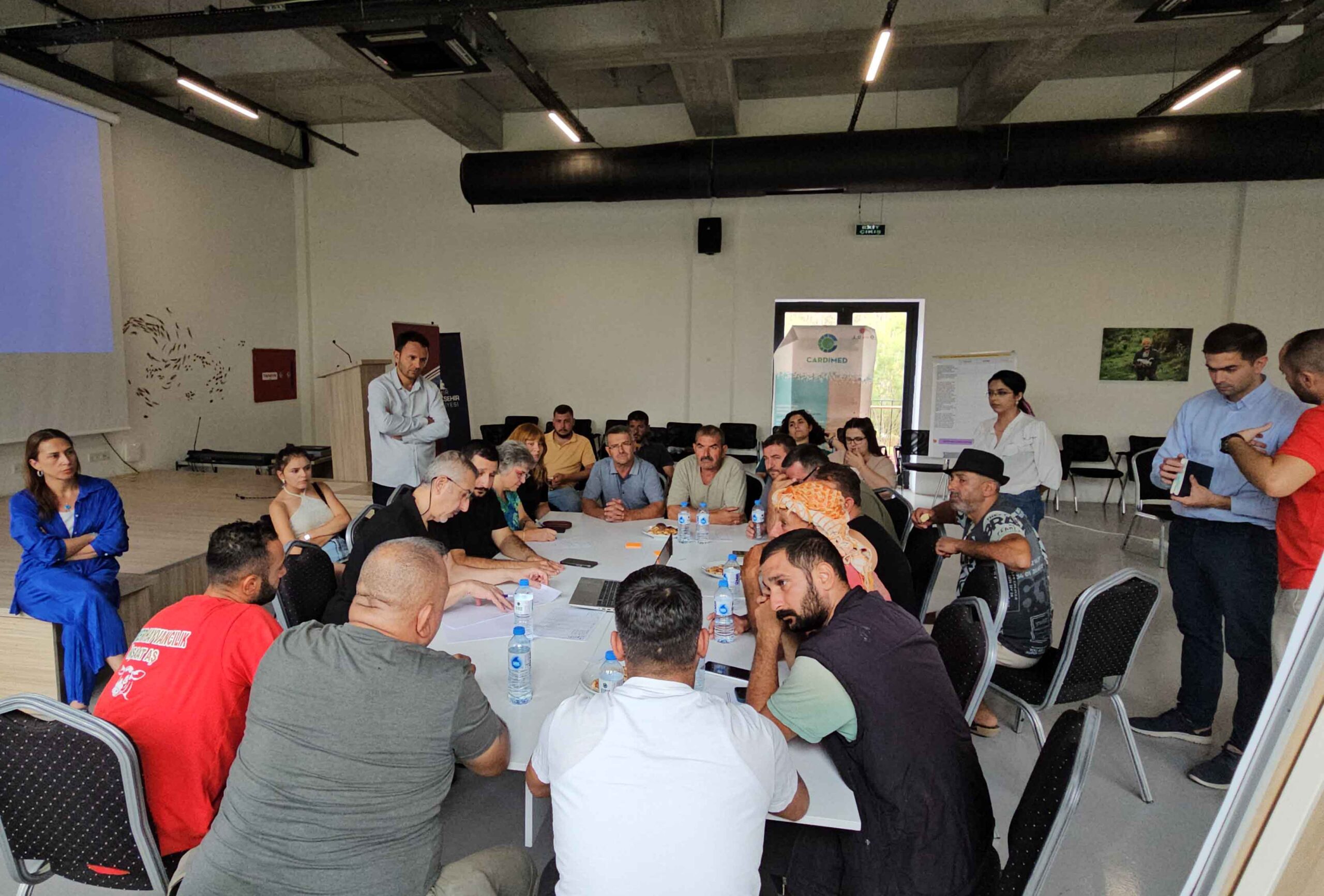
Focus Group Workshop
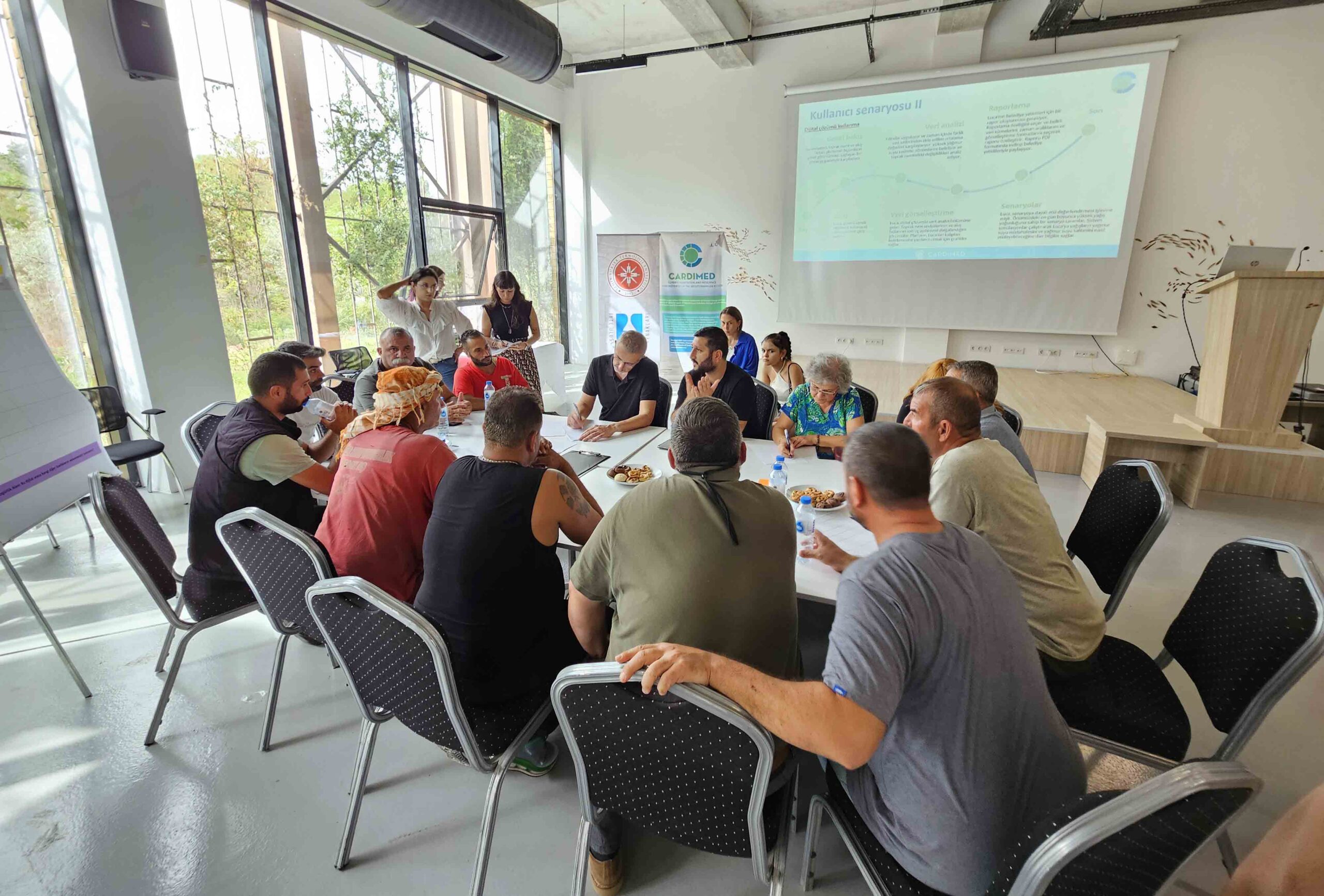
The workshop on the Gediz Delta gathered 50 participants, including residents (shepherds, fishers, and farmers), visitors, and technical professionals (municipal staff, researchers, and NGO representatives). The primary focus was on Nature-Based Solutions (NBS) and the impacts of climate change, with an emphasis on scenario-based impact assessments, spatial data analysis, and digital tools for evaluating key environmental indicators such as water levels, soil moisture, flow rates, water quality, and species biodiversity.
The tools utilized included a scenario-based impact assessment interface, a data storytelling tool (CR dashboard), an augmented reality mobile application, and a module for assessing NBS usage and transferability. These tools enabled visualization of environmental data and analysis of potential impacts under different scenarios.
Feedback emphasized the need for user-friendly applications tailored to the Gediz Delta’s specific conditions. Participants suggested specialized tools for flood management and biodiversity monitoring. Through surveys, prioritization exercises, and interactive discussions, participants stressed the importance of accessible, comprehensive, and intuitive digital tools that integrate diverse data sets—considered essential for the effective implementation of Nature-Based Solutions in the Gediz Delta.