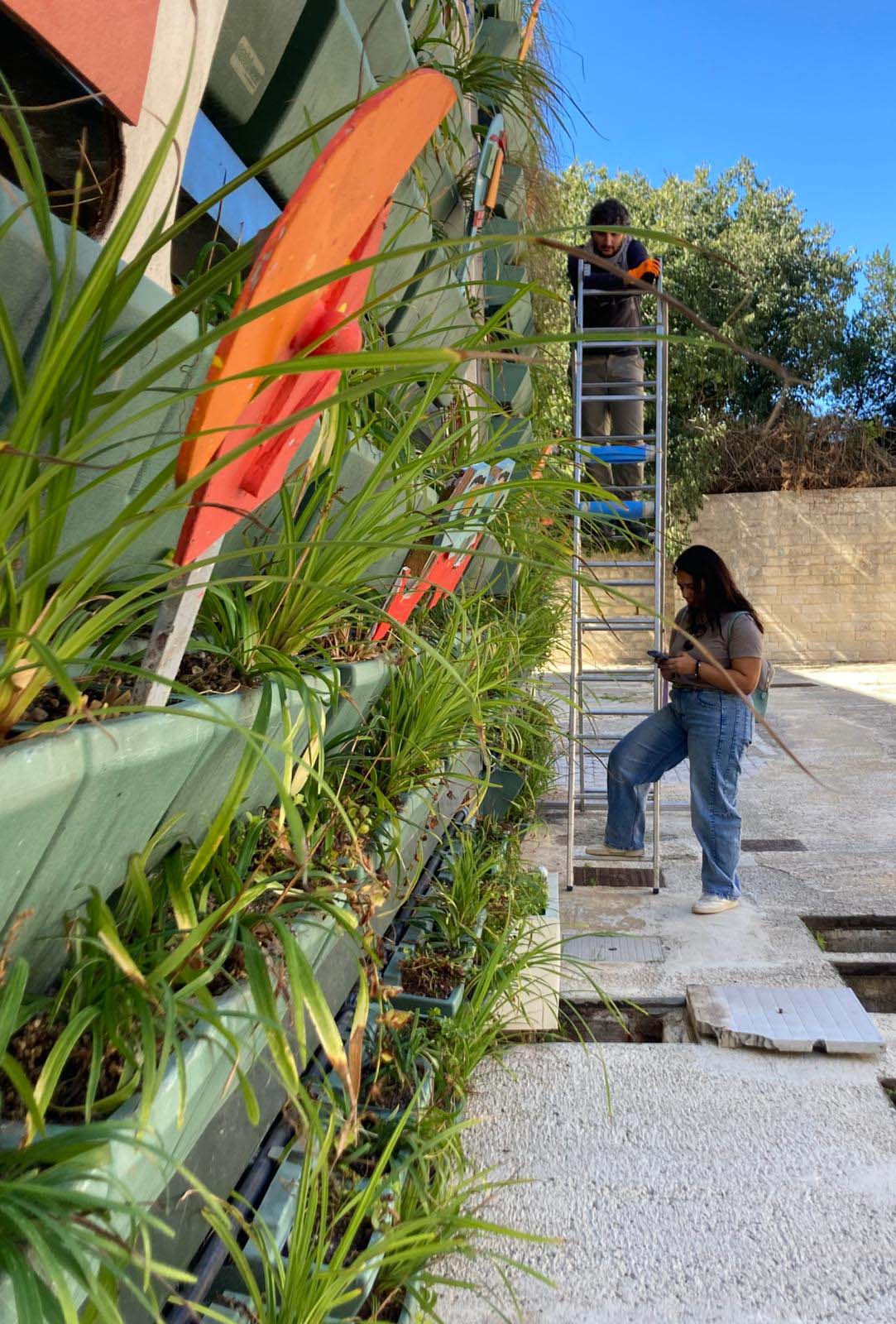
The new monitoring campaign for the treated water flowing through Ferla’s green living wall at the Valle dell’Anapo Comprehensive School (CARDIMED sub-DEMO4.2) has officially begun. The activities are led by the University of Catania, with researcher Vincenzo Scerra responsible for on-site monitoring, and IRIDRA, and carried out in collaboration with SVI.MED., and the Municipality of Ferla.
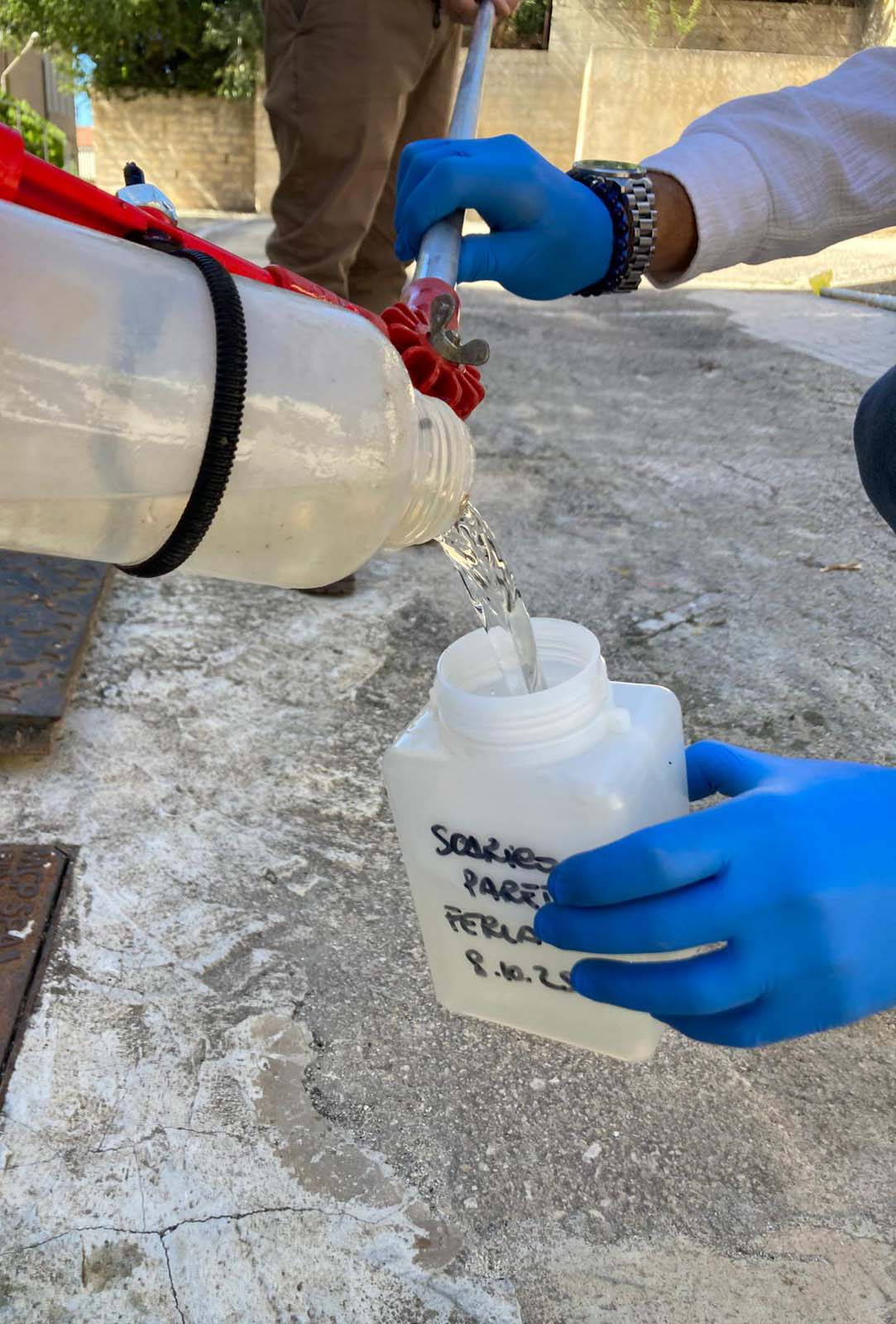
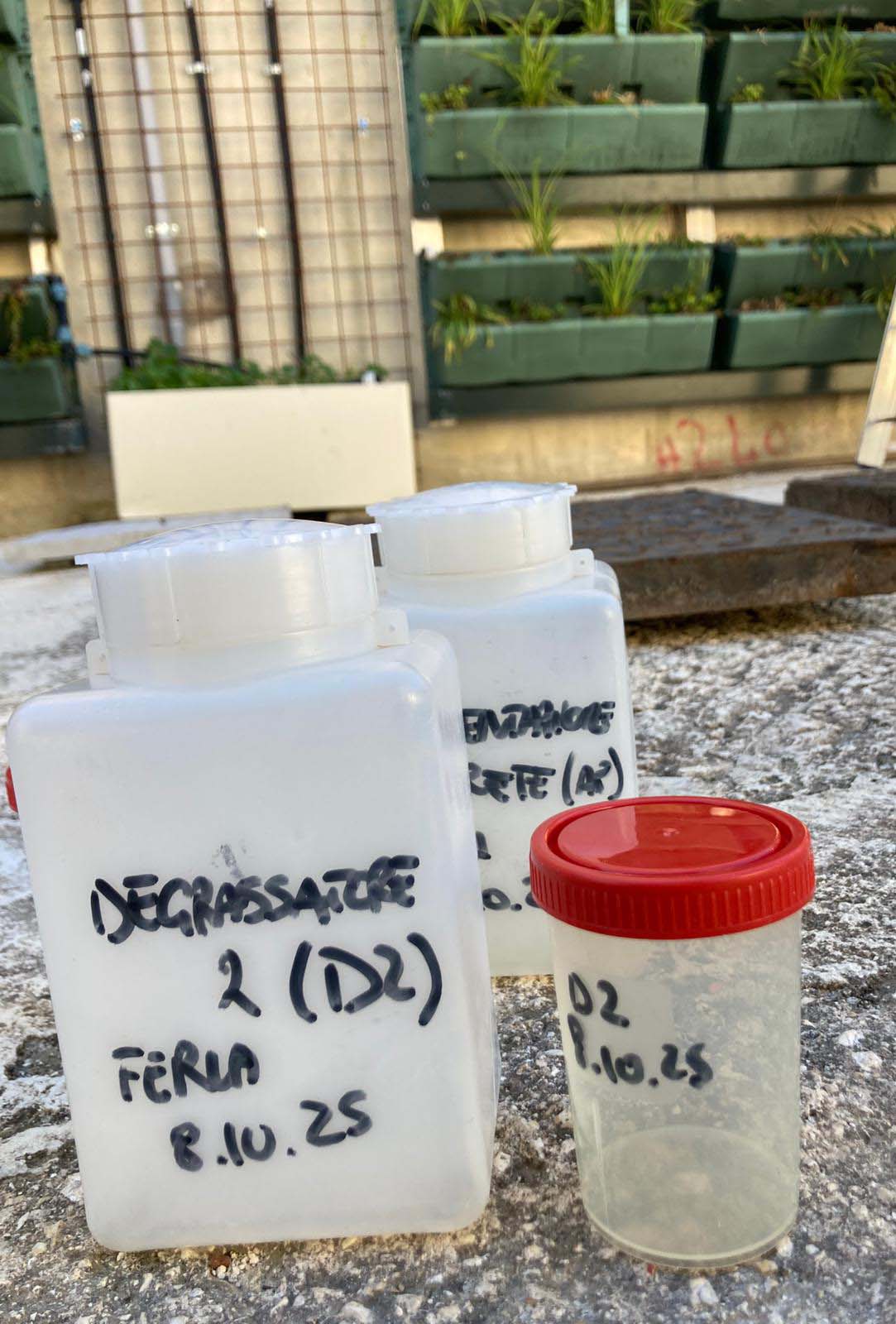
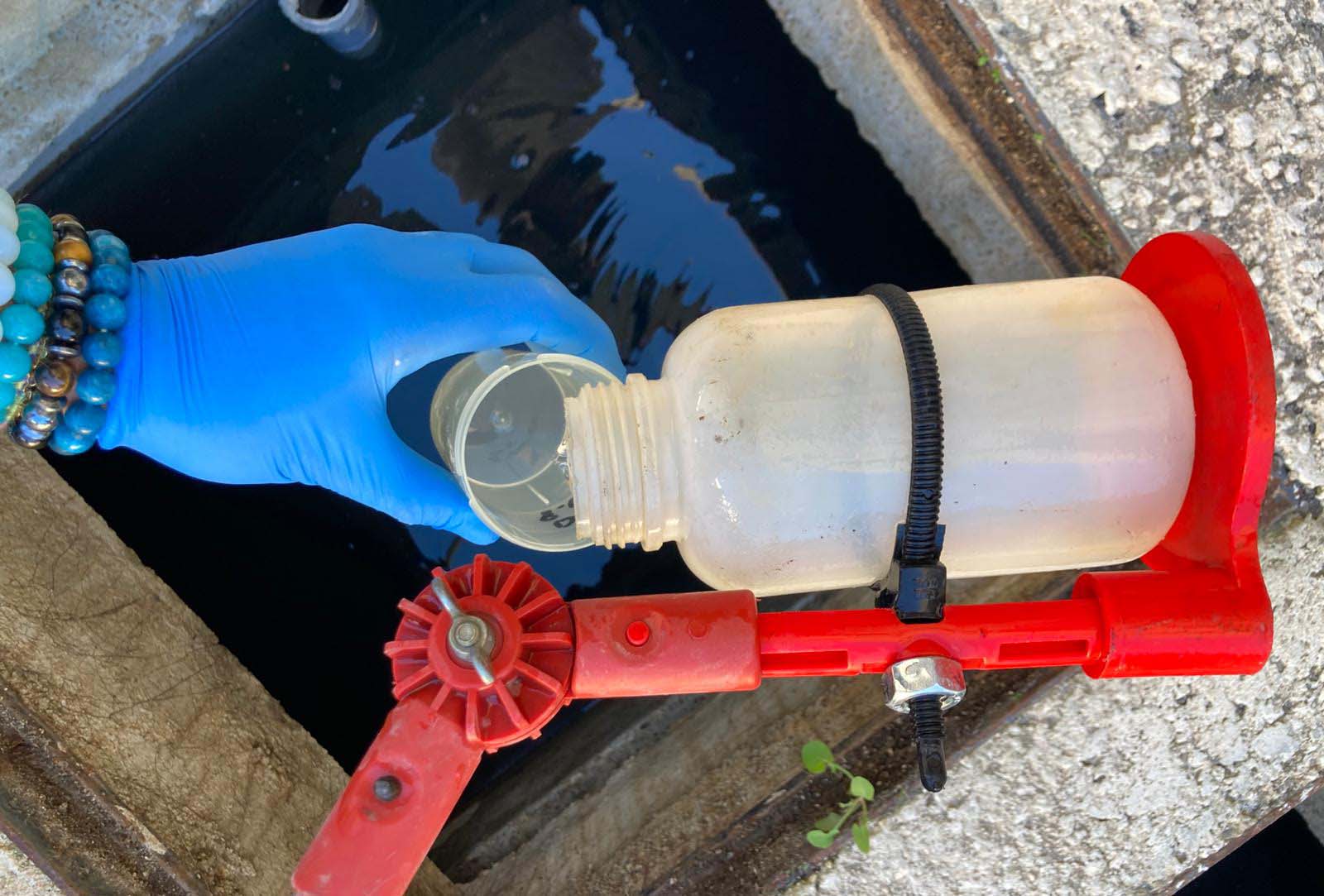
The joint visit on 8 October marked the operational kick-off of the campaign. Partners agreed on a monthly schedule of on-site inspections, which will guide the entire monitoring period. Each visit will include systematic sampling along the full greywater treatment cycle, with laboratory analyses covering key microbiological and physicochemical parameters — from pH and conductivity to nutrients and microbiological quality — to accurately assess the system’s performance.
Beyond sampling, the team introduced a new shared tool: a joint monitoring logbook to be kept by UNICT and the Municipality of Ferla. This “diary” will collect notes on any anomalies, photos, observations on plant conditions and general system behaviour, ensuring a continuous and coordinated flow of information throughout the campaign.
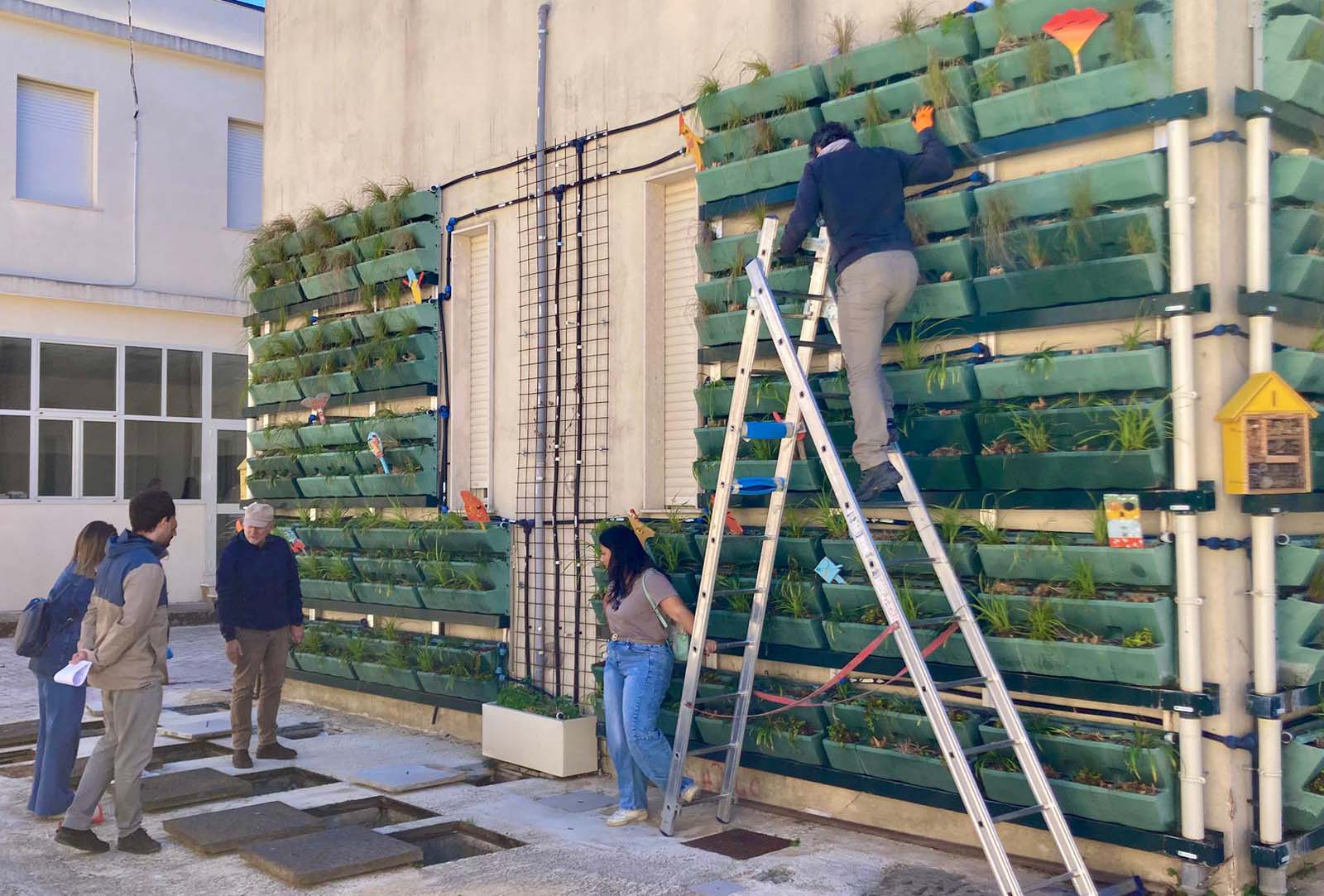
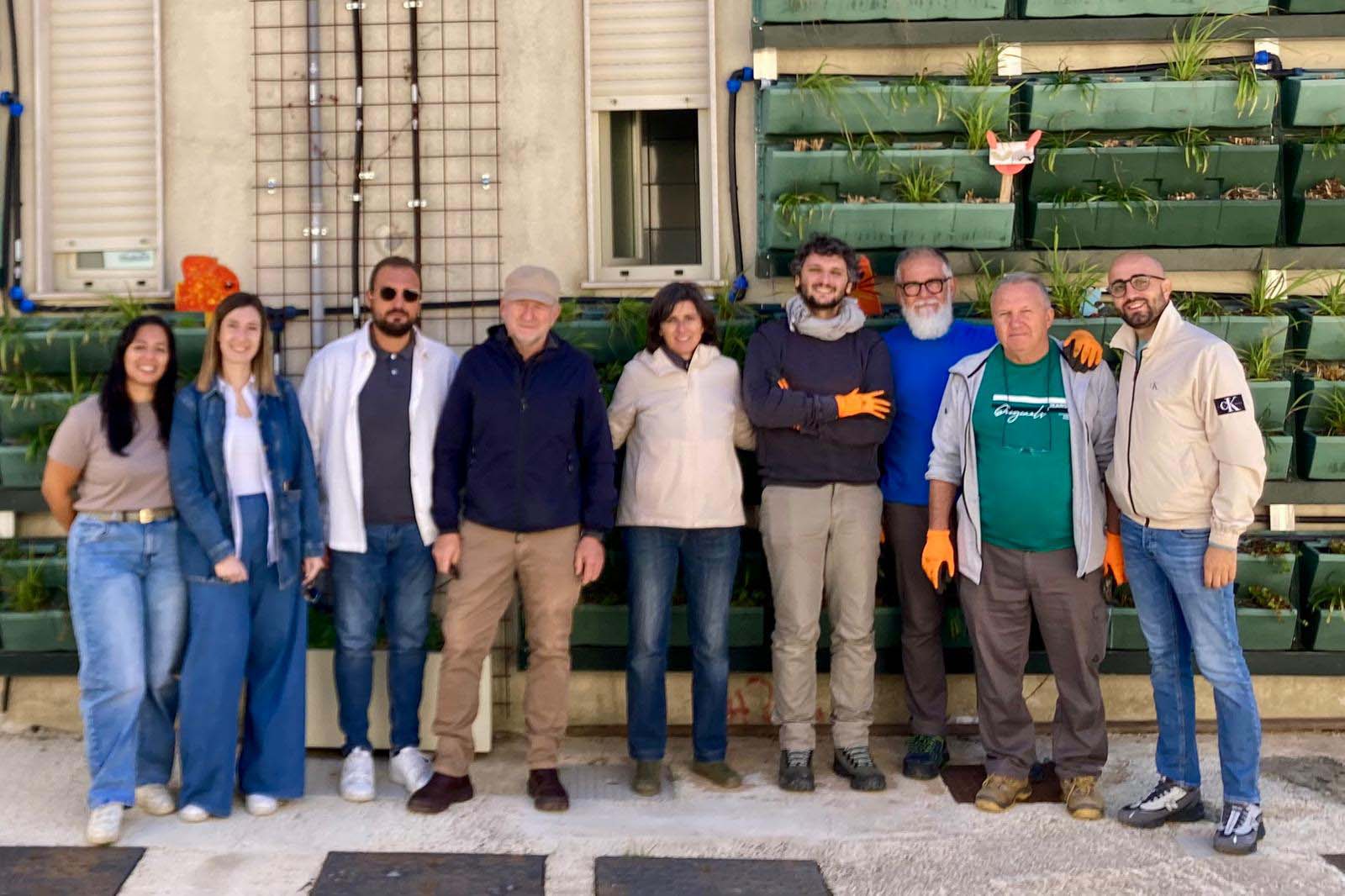
During the visit, partners also evaluated potential component replacements and technical improvements to be implemented in the coming months, including the integration of additional sensors and the monitoring of new parameters such as temperature.
An important boost comes from the fact that Ferla has been selected as a Fellow Site in the H2020 NICE project (Grant Agreement 101003765). Thanks to this additional support, several upgrades — new plant species, extra sensors and small technical enhancements — will be possible, strengthening the CARDIMED demonstration and supporting long-term optimisation of the system.
The start of this monitoring campaign marks an important step forward: scientists, technicians, and the local administration are working together to ensure water quality, improve system efficiency and reinforce the green wall as a replicable example of circular and nature-based water management in the region.