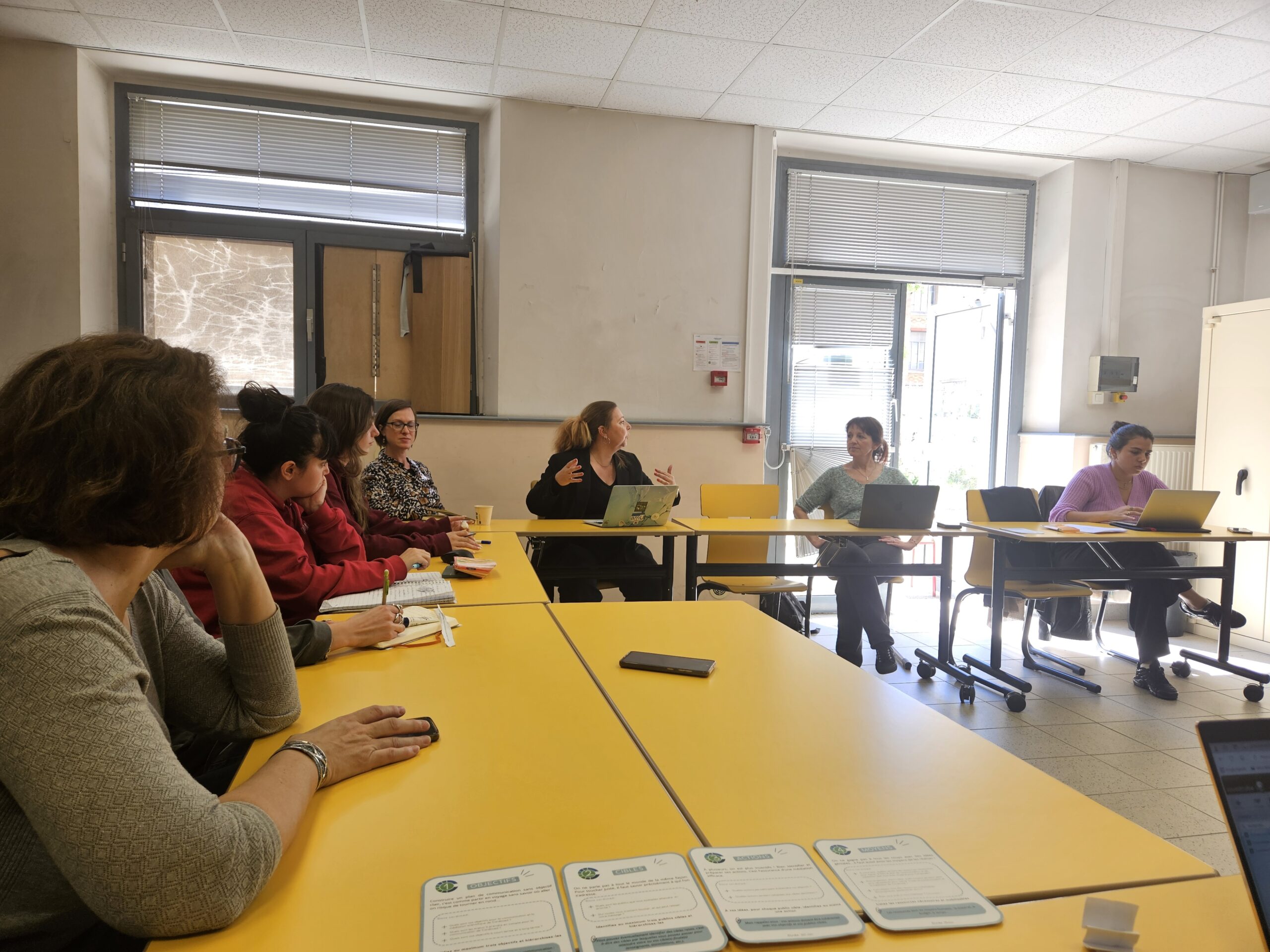
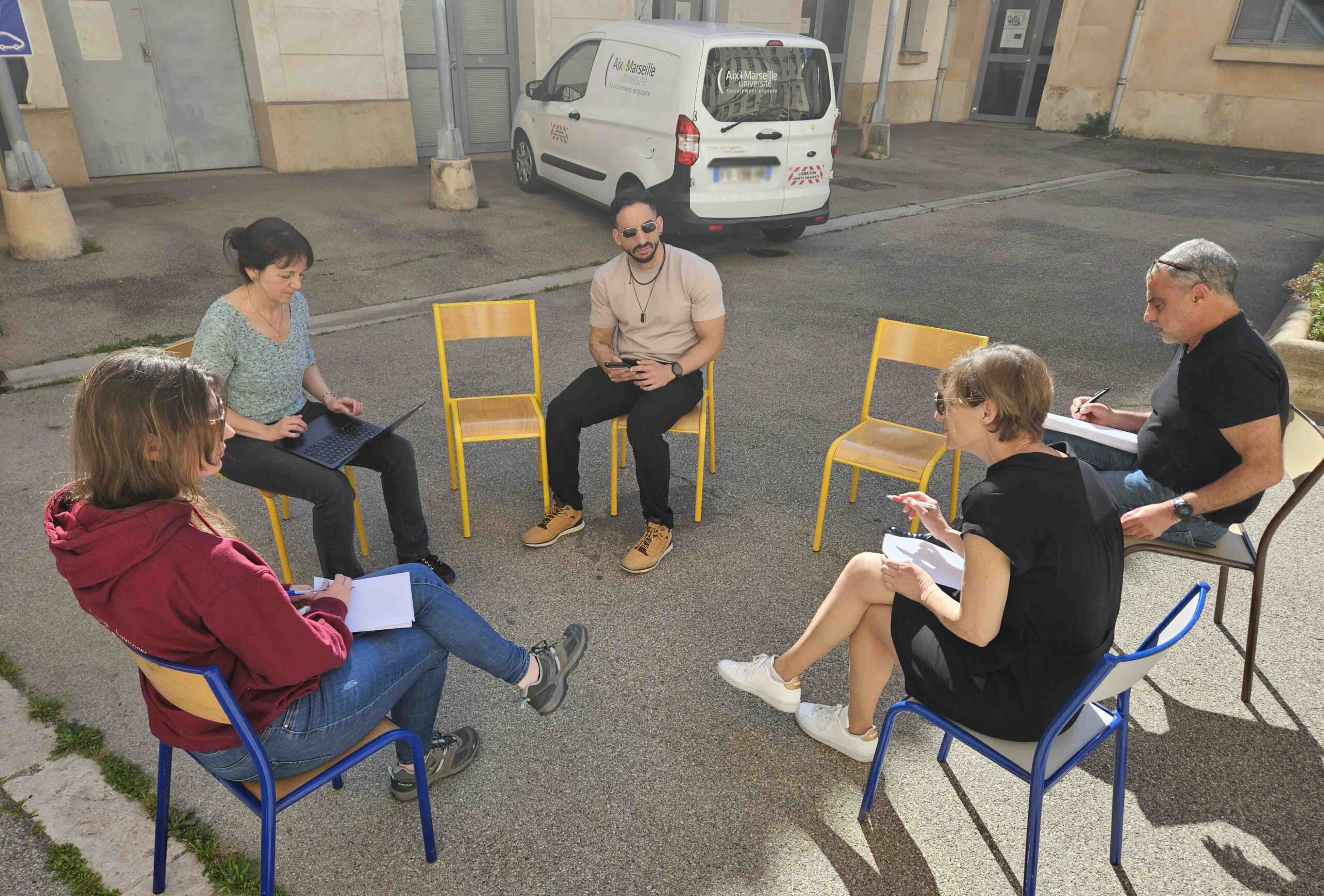
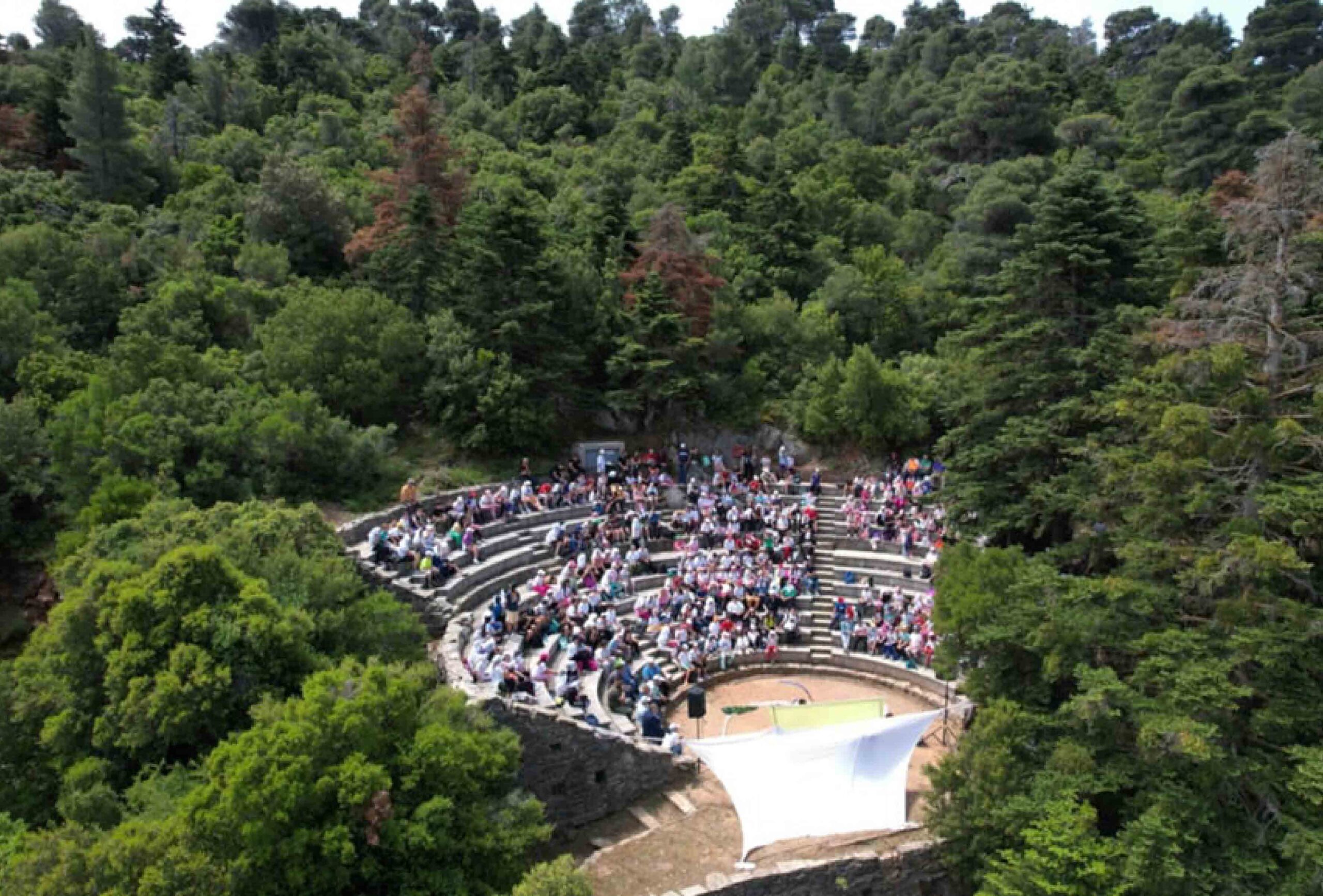
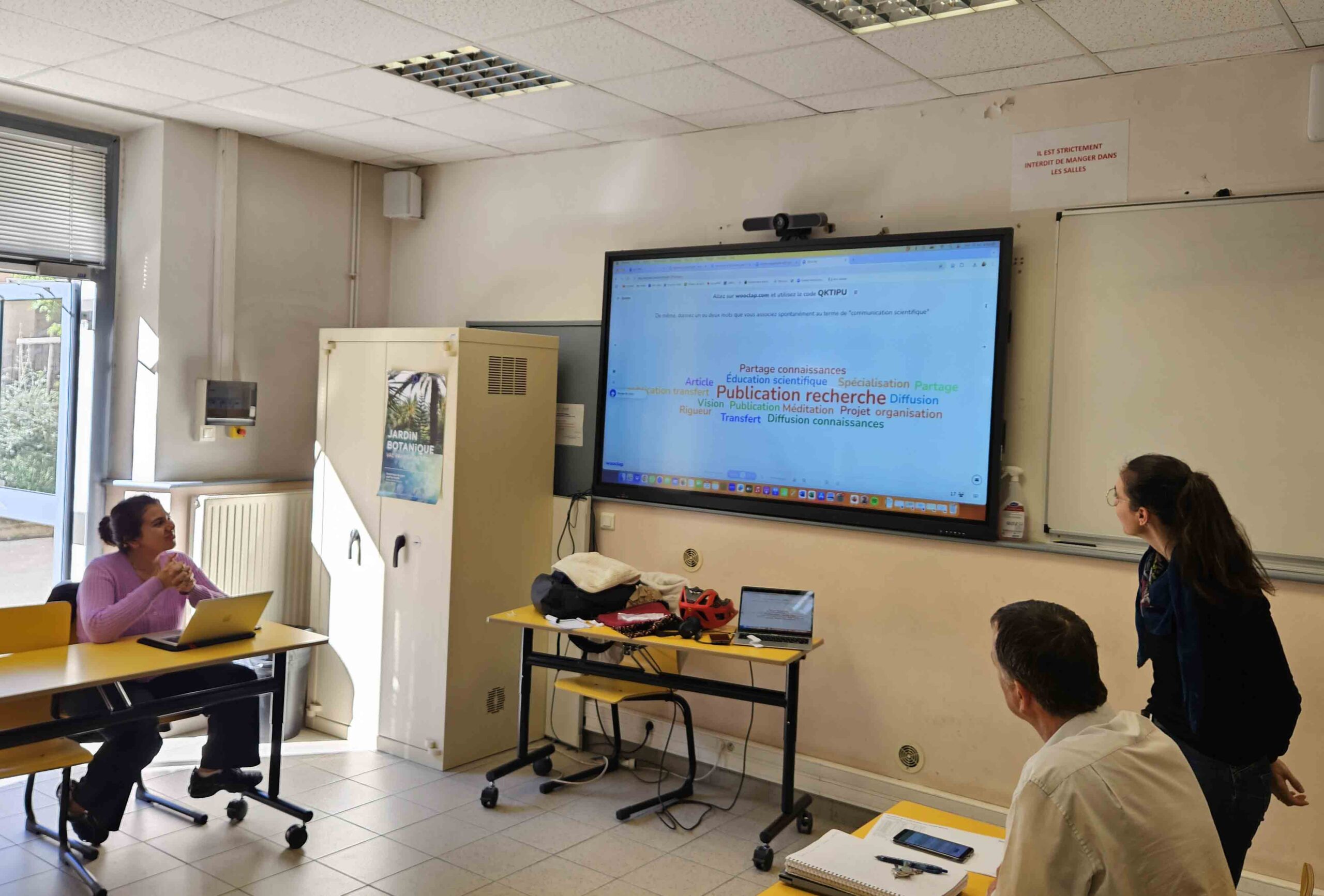
On April 30, 2025, a day of discussions brought together 16 people involved on the DEMO5 of the CARDIMED project on the Saint-Charles campus in Marseille. The goal of this day was to strengthen local synergies and build a shared vision of scientific communication around the project’s implementation in Marseille.
What is scientific communication? What are the objectives of scientific communication? What challenges do they address? These were the questions that participants were invited to answer during a workshop organized by the scientific communication researchers’ team of AMU including Aude Inaudi (IMSIC), Erika Riberi, Raquel Bohn-Bertoldo (LPS) and Omari Jihane.
All the CARDIMED DEMO5 partners were present at this workshop, AMU, Region Sud, EMPAN and SEMIDE. Different AMU researchers involved in the project were also there to express their point of view and needs on the subject. Several students were also participating as they are representing the most important site users of the french demo sites.
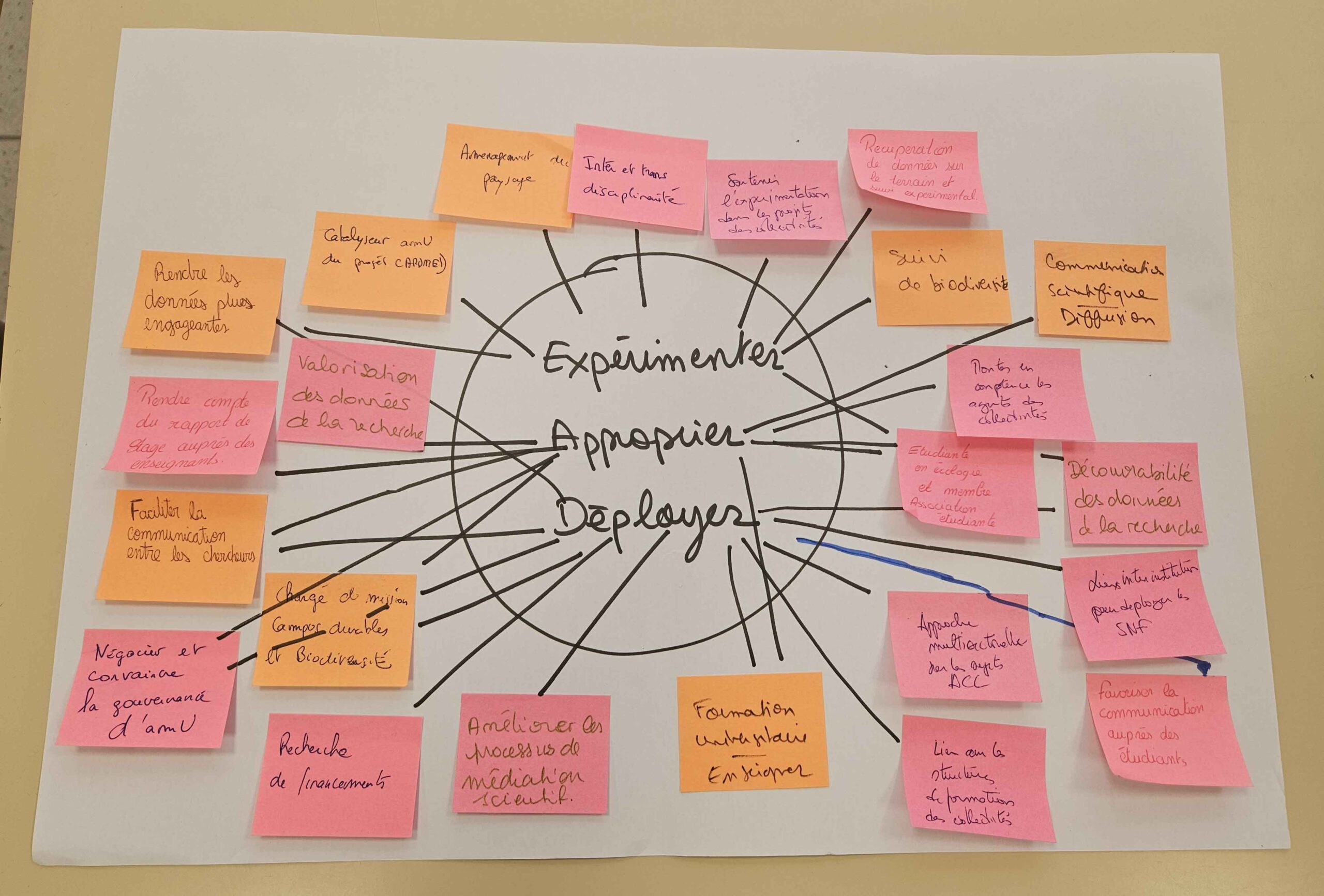
Everyone (researchers, project managers, community representatives, engineers, etc.) had the opportunity to reflect on the conditions for successful scientific communication. Collectively shared objectives quickly emerged: use the data collected to show that nature-based solutions (NBS) are a major benefit to the environment, raise awareness of their contributions, and promote their uptake by a diverse range of audiences, including decision-makers. However, additional ambitions also emerged, such as improving the respective skills of scientific researchers and civil society actors, strengthening synergies between stakeholders, and disseminating the conditions for replicating the solutions tested at the pilot sites.
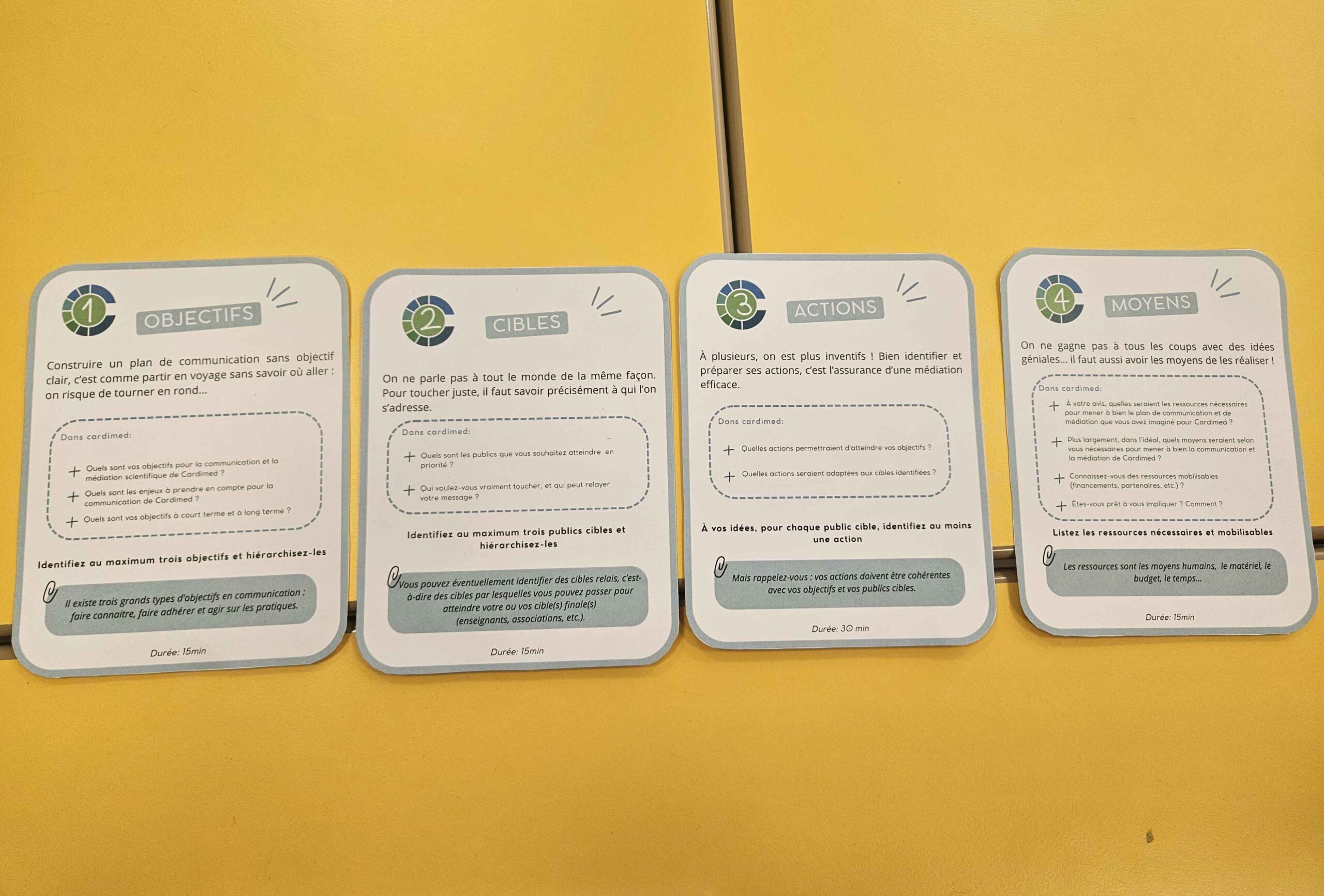
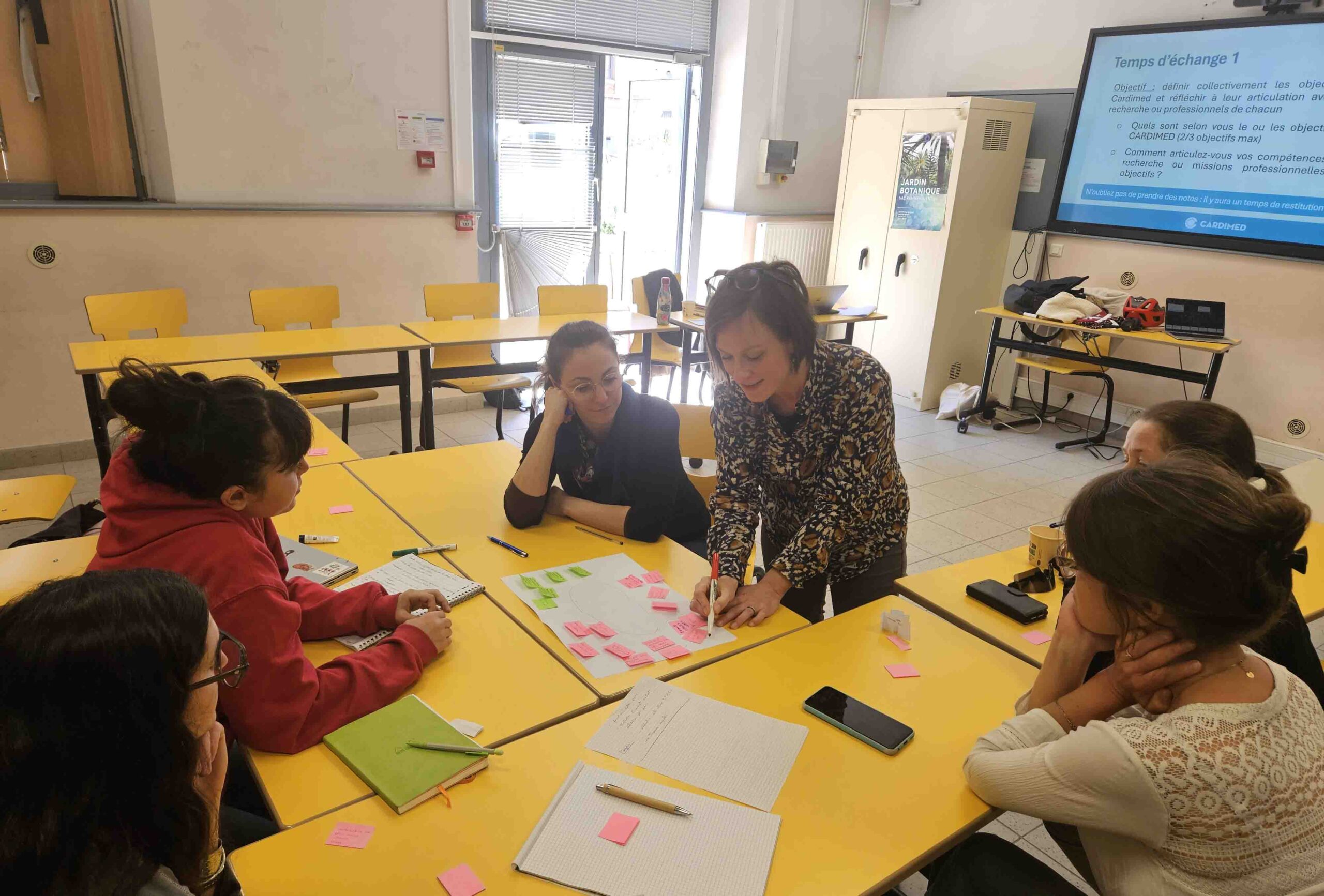
These common objectives have made it possible to overcome disciplinary or professional positions, but several points for attention and obstacles have also been highlighted. The diversity of target audiences (students, staff, institutional partners, elected officials, economic actors, and researchers) has been perceived as both an asset and a challenge. This, particularly regarding the clarity of messages, the coordination of actions, and the mobilization of the necessary resources. While there is no shortage of ideas and intentions, their implementation requires time, human resources, and appropriate tools. However, these elements are not currently in place. On the research side, there is a lack of time devoted to promoting results, which is still not considered at the institutional level. On the other hand, the resources that can be mobilized are sporadic and subject to budget constraints.
In light of these reflections, interdisciplinary coordination and recognition of the work of mediators ultimately emerged as essential levers for establishing a lasting link between science and society, both in terms of public policy and support for users potentially impacted by the deployment of SFN. Beyond the discussions, this day laid the foundations for a common framework, which is necessary for the development of a coherent communication strategy that is shared and rooted in the Marseille region. It marks a first step towards better coordination between research and society, with a view to promoting Nature-Based Solutions.