The negative effects of climate change in Istria are becoming more pronounced year by year, and damages caused by floods and droughts are becoming more frequent and financially demanding. In response to these growing trends, local self-government units have the possibility of implementing climate mitigation measures (mitigation) and climate adaptation measures (adaptation).
Climate mitigation measures, or mitigation, are measures that refer to all measures taken to reduce or prevent greenhouse gas emissions. Climate change mitigation includes decarbonisation, energy efficiency, energy conservation and the introduction of renewable forms of energy such as wind and solar. On the other hand, climate adaptation measures refer to measures aimed at reducing the vulnerability of natural and social systems to climate change, increasing their ability to recover from the effects of climate change, or exploiting potential positive effects that may also be a consequence of climate change. change. Some of the possible adaptation measures may include more efficient use of water resources, building flood defenses, developing and/or selecting drought-resistant crops, adapting building codes to future climate conditions and extreme weather, etc.
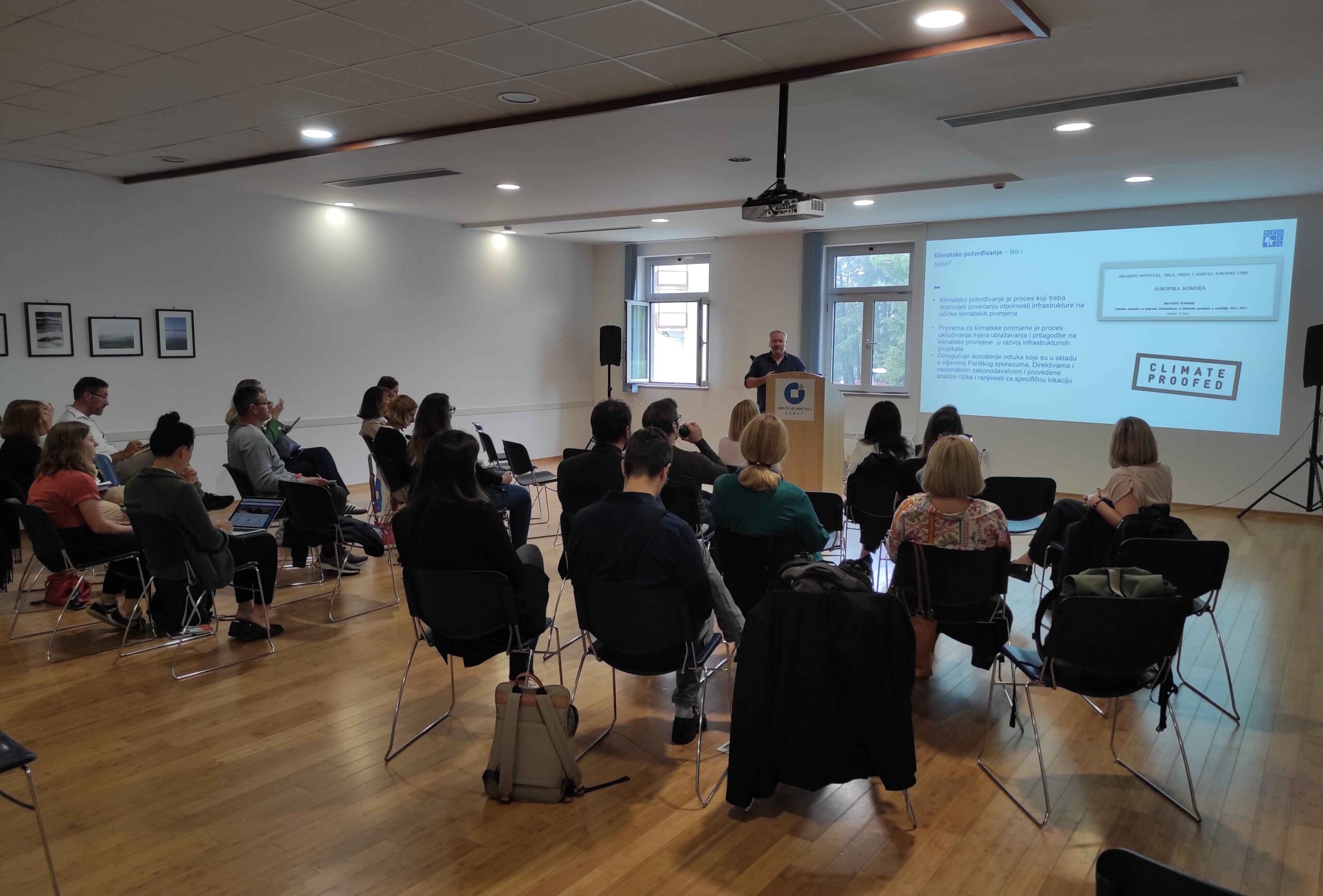
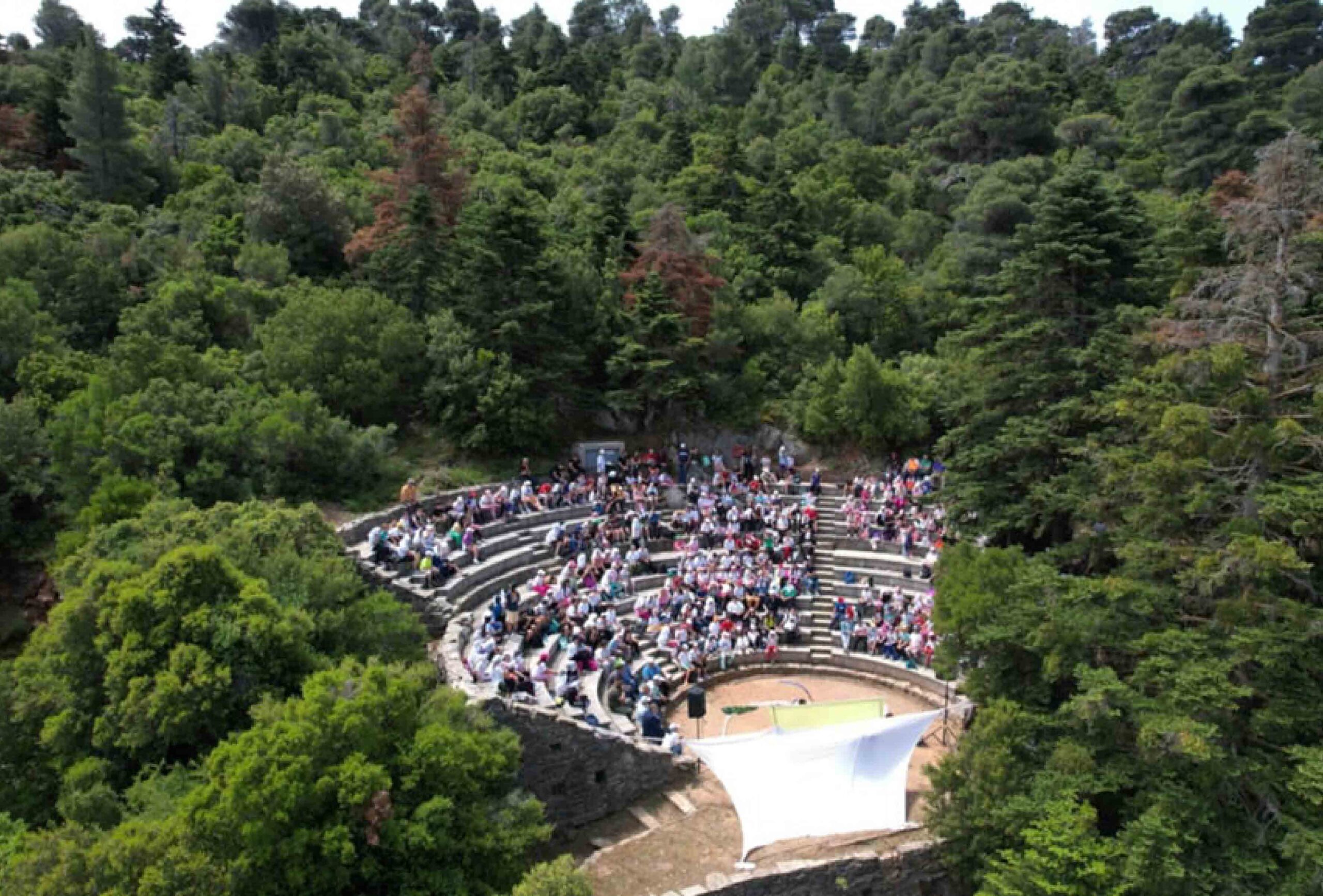
Since the focus of the workshop was on adaptation measures, an interactive workshop was organized on the topic “Climate change and adaptation in Istria – From planning to local action” in order to involve local self-government units and other public bodies in the area of Istria and to further educate them about the possibilities of adaptation. to the effects of climate change. The workshop was organized jointly by the partners of the REGILIENCE project, the city of Poreč, REGEA and IRENA on Thursday, October 24, 2024. in the congress hall of the House of Entrepreneurs in Poreč. The workshop presented the regulatory framework related to adaptation measures to the effects of climate change, as well as the main past and future climate trends in Istria, Croatia and the world.
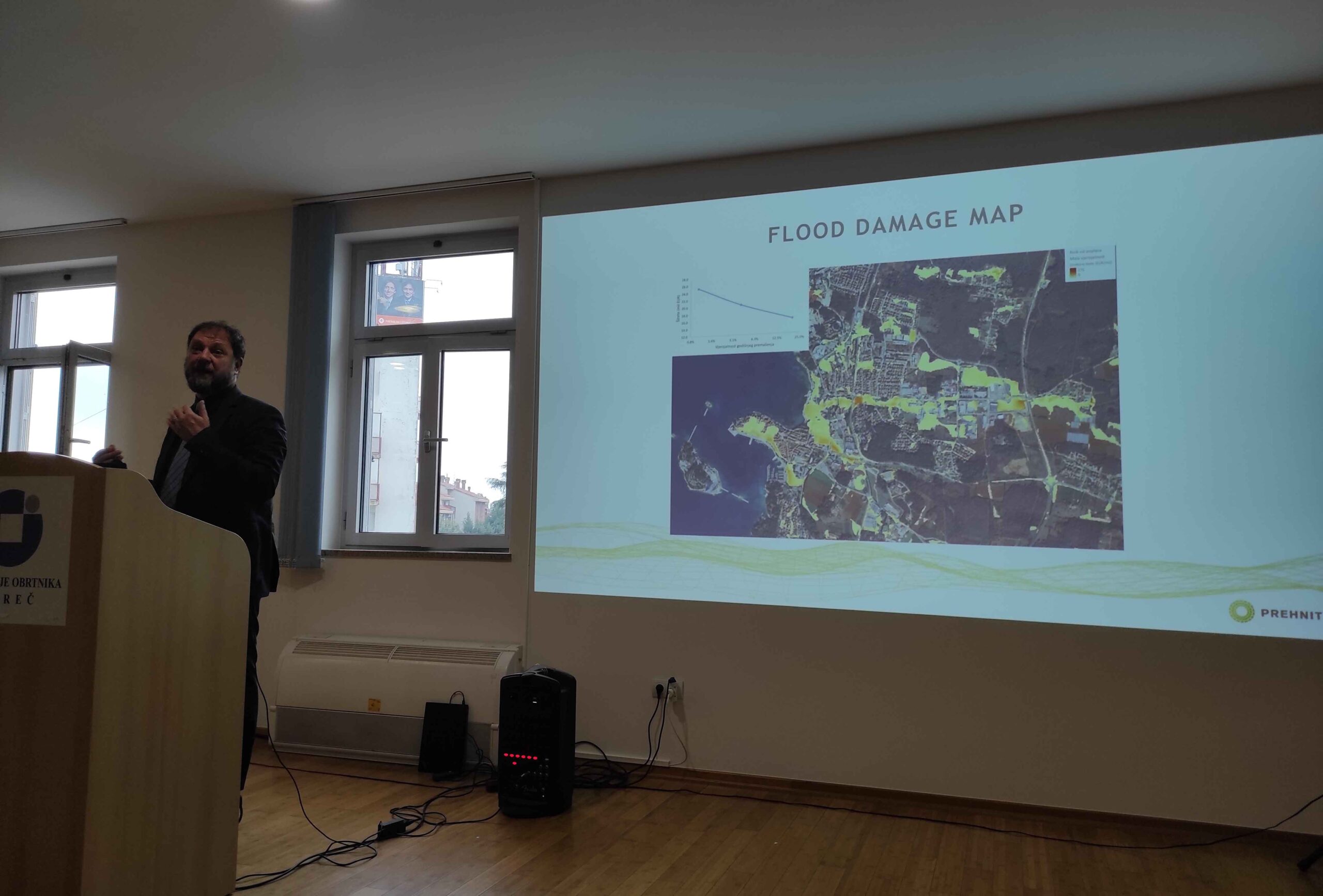
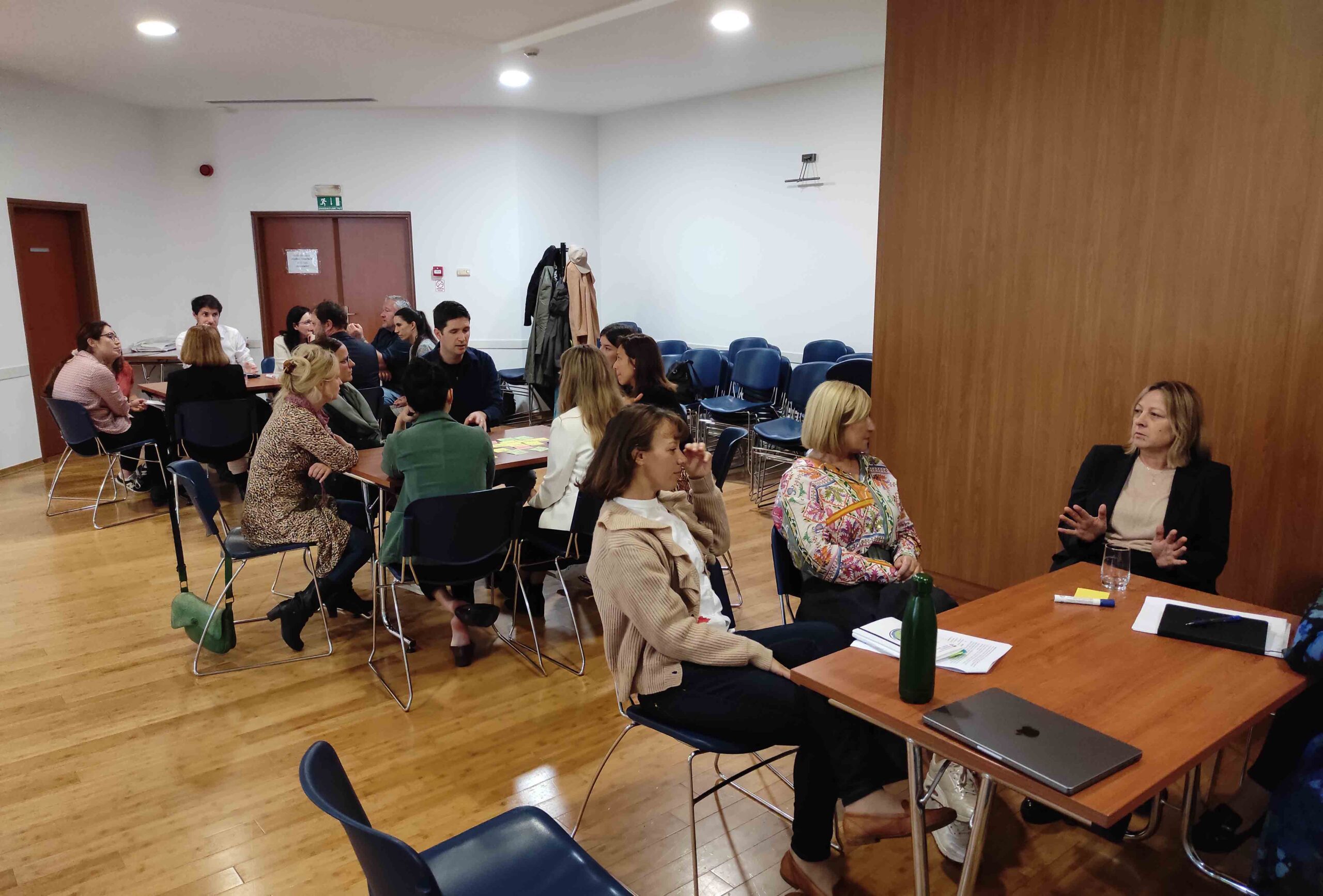
The presentations were followed by an interactive workshop on the topic of recognizing climate risks in Istrian cities and municipalities, after which the legal obligations and tools that local self-government units must undertake during the planning of adaptation measures were presented. A short presentation was held on the process of maladaptation and verification steps that local self-government units can undertake during the process of planning measures. This was followed by good examples of implemented measures in the area of Istria through presentations on healthy urban planning (Nataša Basanić Čuš, Healthy City of Poreč) and strategic development of flood management (Vlatko Roland, Prehnit d.o.o.). At the end of the meeting, an interactive workshop was held on planning, financing and the inclusion of citizens in the process of adaptation to the effects of climate change, in which, through the experiences of the participants and the obstacles they face, an effort was made to bring the topic closer to the participants. As part of the workshop, IRENA presented a couple of examples of nature-based solutions as possible adaptation solutions. The Demo Sites of CARDIMED were presented, which are aimed at solving a wide range of climate risks (drought, floods, heatstrokes…) and the installation of green canopies planned to be installed at ten public transport stations in the city as part of the Interreg Euro-MED project EnerCmed.